Are quelea birds endangered?
The Red-billed Quelea (Quelea quelea), often dubbed the "feathered locust," is not threatened with extinction; quite the opposite, it holds the distinction of being the most numerous wild bird species on the planet. [1][6] This fact immediately reframes any concern about its survival. Instead of conservation worry, the conversation surrounding these small, weaver-like birds centers on their staggering population numbers, which routinely bring them into direct conflict with human agricultural interests across sub-Saharan Africa. [1][6][10]
# Immense Numbers
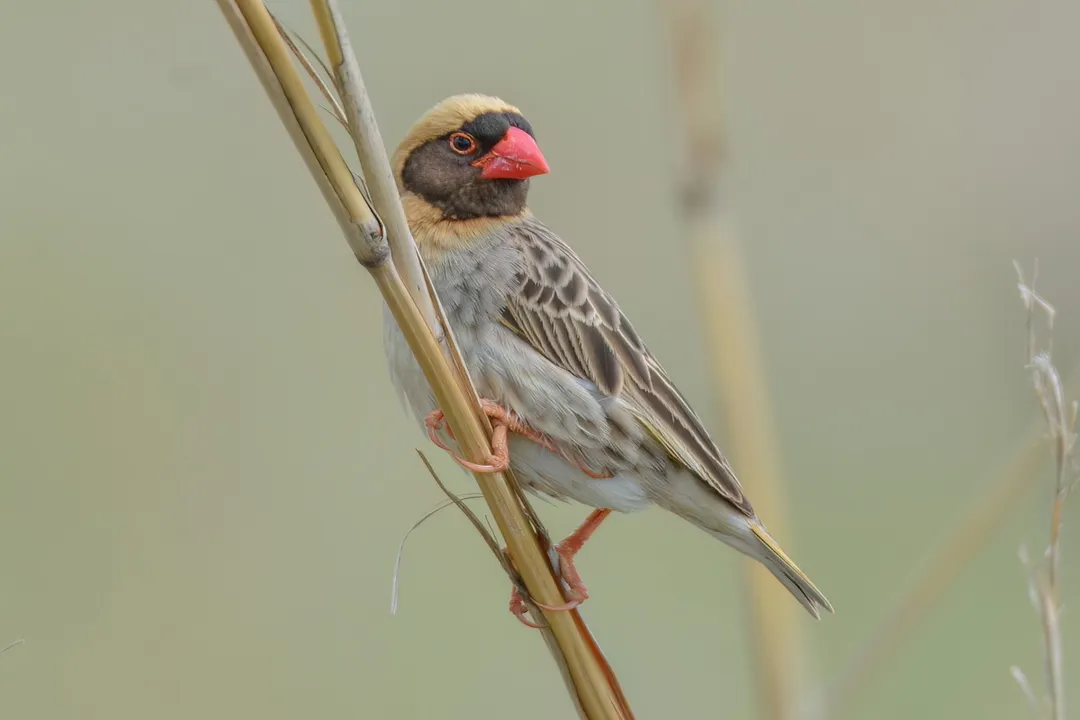
To grasp the scale of the Red-billed Quelea population, one must consider the sheer magnitude of their swarms. They are gregarious birds known for forming massive, nomadic flocks that move across the African landscape in search of ripening grain crops. [1][6] These flocks are legendary, sometimes containing millions of individuals. [1] Because they are so abundant, population estimates are inherently difficult to pin down precisely, but figures often reach into the hundreds of millions, and sometimes billions, depending on the year and regional rainfall. [1]
Their ecological success is tied to their adaptability and reproductive rate. They breed opportunistically, often during the wet season, with breeding colonies capable of housing millions of nests. [6] They are widely distributed, found across most of sub-Saharan Africa, though their numbers fluctuate regionally. [1] This vast range and high reproductive capacity mean that localized population crashes rarely translate into a threat to the species as a whole. [1]
# Quelea Species
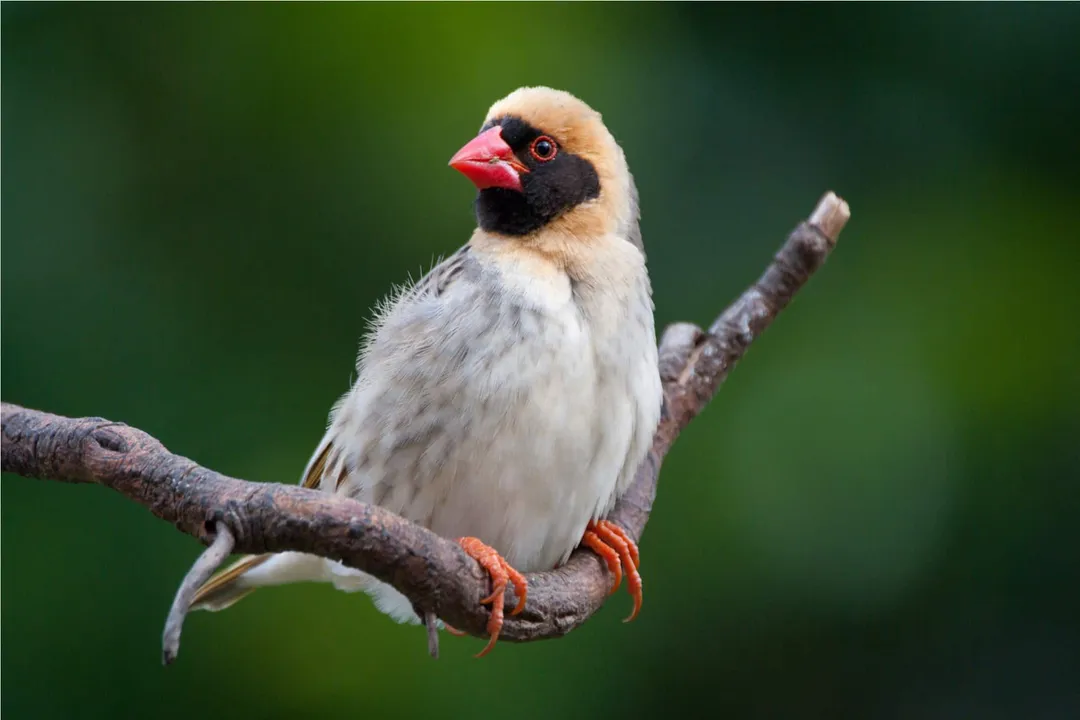
While the Red-billed Quelea dominates conservation discussions due to its sheer numbers and agricultural nuisance, it is important to note that there are other species within the Quelea genus, such as the Red-headed Quelea (Quelea erythrops). [4] However, even this related species is not considered endangered. The IUCN Red List status for the Red-headed Quelea is currently listed as Least Concern (LC), indicating a large and widespread population, similar to its better-known relative. [4] Both species are small passerines, sometimes referred to generally as weaver birds, but their ecological pressures and human interactions differ based on local agricultural practices and flock size. [9] For the purpose of mass control efforts, the Red-billed Quelea is the primary target. [1][10]
# Pest Status
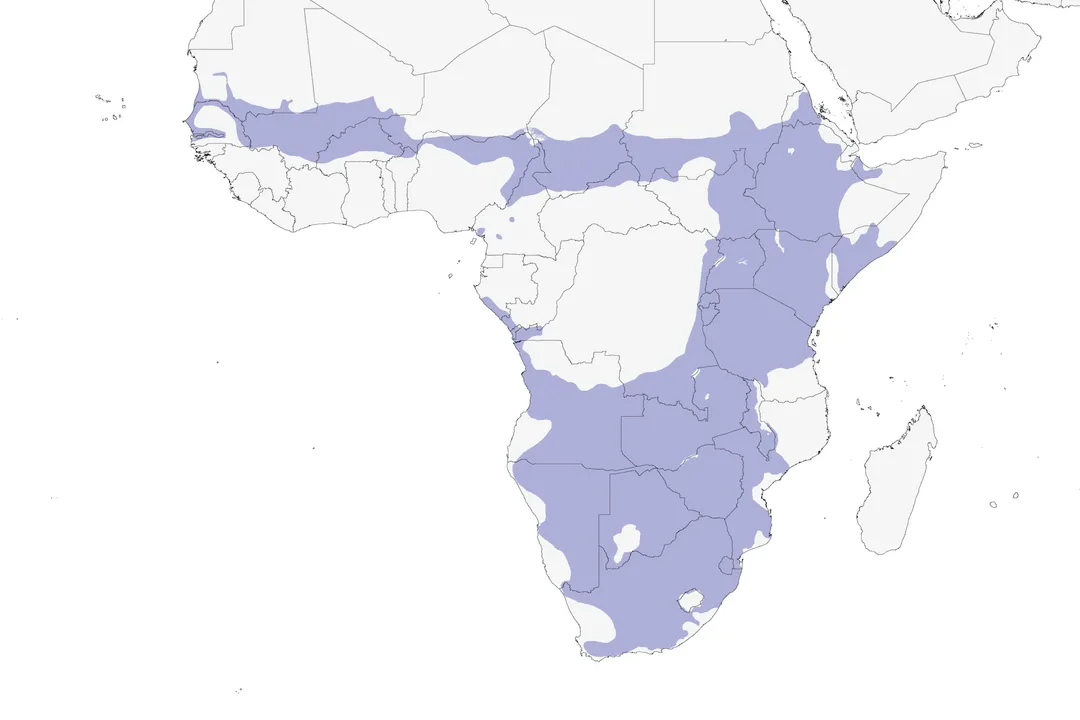
The core issue with the Red-billed Quelea is its dietary preference. These birds primarily consume grass seed, but when large numbers congregate near cultivated lands, they shift their focus to cereal grains like wheat, sorghum, and millet, often devastating harvests overnight. [1][6] This behavior has earned them the "pest" label, particularly in regions highly dependent on subsistence or commercial farming. [10]
The impact is not theoretical. In 2009, the Food and Agriculture Organization (FAO) noted emergency responses were necessary in Tanzania due to large outbreaks that threatened food security in affected areas. [10] The sheer volume of grain consumed by a large flock is staggering. While a single bird eats relatively little, the collective consumption of a group numbering in the hundreds of thousands can wipe out a field before it is ready for harvest. [1] This dynamic forces governments and agricultural bodies to implement control measures to safeguard food supplies. [10]
# Management Tactics
Because the birds pose such a significant threat to crops, various control methods have been deployed over the decades, often under the guidance of organizations like the FAO. [10] These management tactics fall into several categories, ranging from physical barriers to chemical intervention. [2]
One approach involves destroying nesting or roosting sites before fledglings become mobile, which can involve burning large areas or using physical barriers if the location is fixed enough to anticipate the birds' movements. [2] However, given that the Red-billed Quelea is highly nomadic, fixed defenses are often impractical for widespread protection. [1]
The most controversial and effective measures often involve the use of pesticides or avicides. These chemicals are applied either directly to the roosts or broadcast over areas where the birds are feeding aggressively. [2][7] The goal is to reduce the population size in a specific agricultural zone temporarily to allow the crops to mature. [7]
When considering the scale of the threat, the temptation to use powerful chemical controls is understandable. Yet, this approach introduces a significant layer of secondary environmental concern, which deserves careful examination.
# Control Effects
The chemical control measures used against the quelea birds have documented, severe side effects on non-target wildlife, specifically birds of prey. In areas like Kenya's Lewa Wildlife Conservancy, the use of broad-spectrum pesticides intended to cull quelea flocks has resulted in the secondary poisoning of endangered raptor species. [3]
For instance, when large roosts or feeding areas are sprayed, raptors that prey on the sick or dying quelea, or those that drink contaminated water, ingest the poison themselves. [3] This indirect impact is a serious conservation concern, as it means that efforts to protect human grain stores can inadvertently place protected or vulnerable predator species at risk. [3][7] This situation highlights a difficult trade-off: managing an overwhelmingly numerous agricultural pest versus protecting threatened predators. [3]
The application method matters immensely. Reports indicate that spraying chemicals directly onto large roosts or using methods that result in contaminated water sources increase the risk to non-target fauna significantly. [3][7] The debate shifts from if quelea need management to how that management can be executed with minimal ecological collateral damage. [3]
# Conservation Paradox
The situation surrounding the Red-billed Quelea presents a unique conservation paradox. In a world increasingly concerned with species decline, these birds represent an abundance so extreme that they transition from being a biological feature to an ecological management problem. [1][9] Their stability—their massive population base—is the very reason they are not a conservation focus for organizations like the IUCN, which classify them as Least Concern. [1]
This situation reveals an important distinction in ecological management: a species can be an environmental success story in terms of survival numbers while simultaneously being a major socioeconomic antagonist. [1] For the farmers and local communities, the quelea is a threat that requires constant, sometimes drastic, intervention to ensure food security. [10] For conservationists concerned with biodiversity, the methods used to combat the quelea become the primary focus of concern, as they threaten other, more vulnerable species like raptors. [3] The management strategy, therefore, must balance two opposing conservation needs: managing extreme overabundance locally versus minimizing damage to the broader ecosystem health. [3]
The data on the Red-headed Quelea, while less dramatic, reinforces that even less numerous quelea species are not facing immediate extinction risk, maintaining a status of Least Concern. [4] This suggests that the entire genus is highly adaptable and successful within the African biome, even under pressure from control efforts, provided those efforts do not become too widespread or indiscriminate.
# Managing Movement
Understanding the quelea’s ecology helps explain why control efforts are so challenging. These birds are highly mobile, making large, centralized eradication campaigns impractical and inefficient long-term. [2] A management strategy that works in Tanzania might be useless a month later in Kenya because the flocks have migrated. [10]
This necessitates a localized, tactical response tied directly to the crop cycles. A successful strategy often involves continuous, localized vigilance, concentrating control efforts only when ripening grain is immediately vulnerable. [2] One insight emerging from the need for continuous response is that effective control is less about eradicating the species and more about creating temporary, localized zones of peace around vulnerable crops, accepting that the birds will simply move on to areas without human intervention once the local food source is depleted or treated. [1] This acceptance of their continued presence, while mitigating immediate damage, is a necessary adjustment for regions bordering their main feeding grounds.
# Conclusion
The Red-billed Quelea is not endangered; it is perhaps the most numerically successful bird on Earth. [1][6] This abundance, however, brings the species into unavoidable conflict with agriculture, compelling authorities to use chemical controls which, in turn, endanger birds of prey like the African Marsh Harrier and the Martial Eagle. [3] The real ecological question is not whether the quelea will survive, but how humans can manage its intense local impact without causing widespread, secondary ecological harm to other avian populations through aggressive control measures. [3][7] The ongoing challenge is developing and implementing management tactics that respect the immense ecological success of the quelea while safeguarding the less common predators sharing the same environment. : [3][1] https://en.wikipedia.org/wiki/Red-billed_quelea: [2] https://birdsoftheworld.org/bow/species/rebque1/cur/introduction: [3] https://www.lewa.org/kenyan-raptors-under-threat-due-to-quelea-bird-control/: [4] https://datazone.birdlife.org/species/factsheet/red-headed-quelea-quelea-erythrops: [5] https://www.theguardian.com/environment/2023/jan/17/kenya-birds-raid-crops-pesticides-quelea-raptors-aoe: [6] https://app.mybirdbuddy.com/birds/red-billed-quelea/b06743d7-44d6-439f-92f3-dc0a13a19b77: [7] https://www.thenewhumanitarian.org/news/2009/08/19: [8] https://kids.kiddle.co/Red-billed_weaver: [9] https://thebdi.org/2024/06/24/red-billed-quelea-quelea-quelea/: [10] https://www.fao.org/africa/news-stories/news-detail/FAO-in-emergency-response-to-the-outbreak-of-Quelea-quelea-birds-in-Tanzania/en
Related Questions
#Citations
Red-billed quelea - Wikipedia
Red-billed Quelea - Birds of the World
Kenyan Raptors under Threat Due to Quelea Bird Control
Red-headed Quelea Quelea Erythrops Species Factsheet
Kenya declares war on millions of birds after they raid crops
Red-Billed Quelea - Stay connected with nature and your friend
Quelea - Africa's most hated bird - The New Humanitarian
Red-billed weaver Facts for Kids
Red-billed Quelea (Quelea quelea) - BDI
FAO in emergency response to the outbreak of Quelea quelea birds ...