What is a night snake?
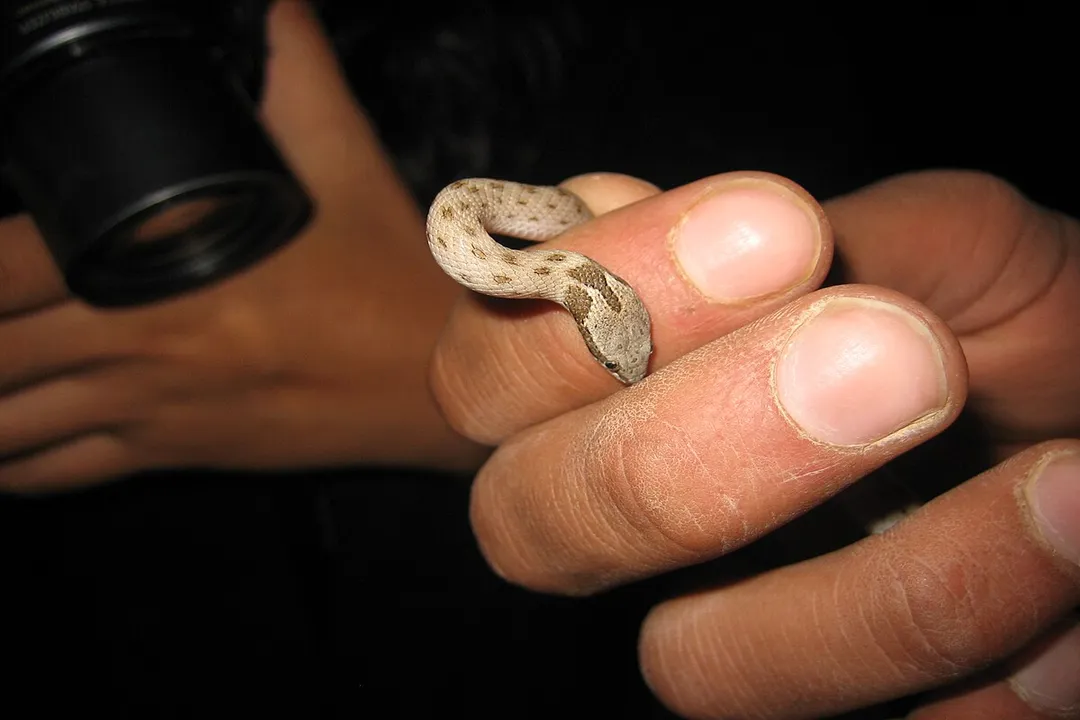
The Night Snake, a member of the genus Hypsiglena, is one of North America’s more secretive reptiles, often remaining unseen by casual observers due to its preferred schedule and size. These snakes are not imposing figures in the herpetological world; rather, they are generally small, slender creatures that thrive in the arid and semi-arid landscapes of the American Southwest and down into Mexico. Their common name hints at their primary rhythm: they are overwhelmingly active after dusk, which contributes significantly to their elusiveness. While several species and subspecies fall under the Night Snake umbrella—including the well-known Hypsiglena torquata and species like Hypsiglena chlorophaea deserticola—they share a suite of characteristics that define this fascinating group.
# Look Closer
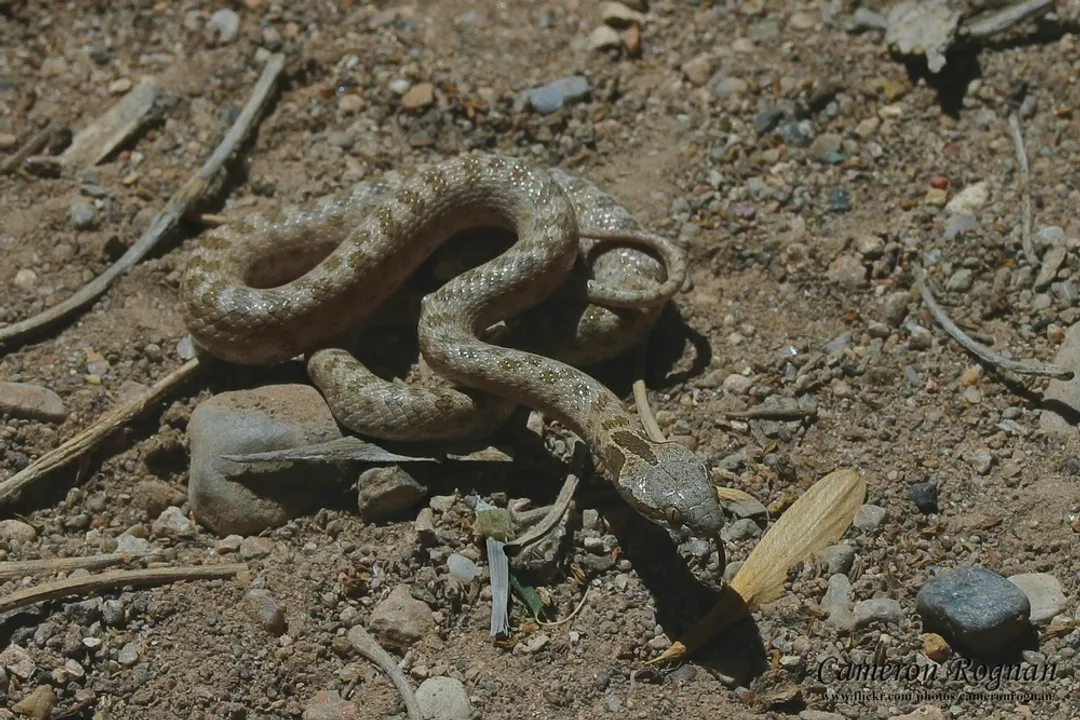
Distinguishing features of the Night Snake involve several key physical traits, which can vary slightly depending on the specific species or subspecies being observed. They are relatively small snakes; many adults reach lengths of only about one to two feet. For instance, specimens might measure around 18 to 24 inches at maturity. Their heads are distinctly wider than their necks, giving them a somewhat pointed appearance, and their pupils are typically elliptical or vertical, much like a cat's eye, which is an excellent adaptation for low-light vision.
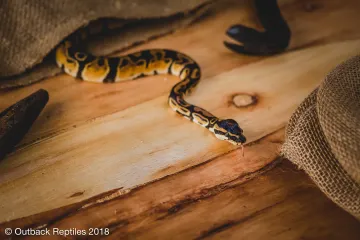
The coloration and pattern are perhaps their most recognizable traits. The base color often ranges from grayish, tan, or pale brown to darker shades, providing excellent camouflage against desert soils and rocks. Over this background run a series of dark, often black or very dark brown, blotches that run down the center of the back. Running parallel to these dorsal blotches are rows of smaller, less distinct lateral spots. A characteristic often cited is the presence of two dark spots on the back of the neck, which can sometimes connect or form a partial collar, giving rise to the name "banded night snake" in some regions. Furthermore, a dark stripe often extends from the eye back toward the jawline. In areas like Colorado, one might encounter the Chihuahuan Night Snake (H. torquata) or the Desert Night Snake (H. chlorophaea deserticola), where subtle differences in scale counts or pattern arrangement might distinguish them to an expert.
# Mild Toxin
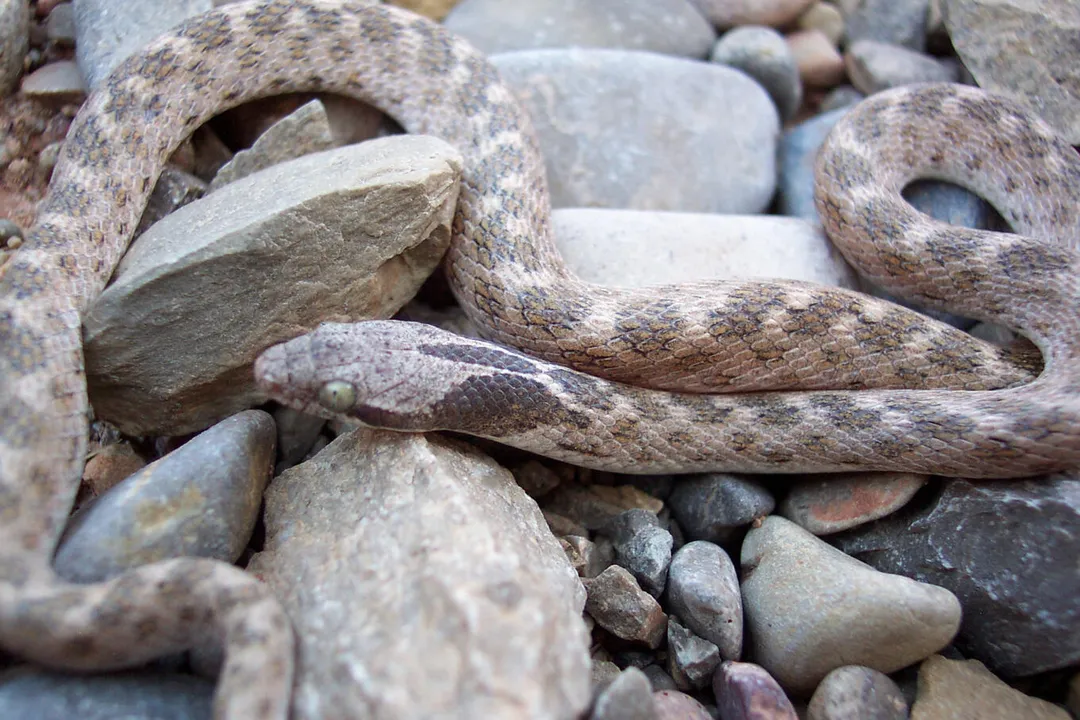
A common question surrounding the Night Snake relates to its bite, given that many snakes encountered in North America are entirely harmless. Night Snakes are technically venomous, but they pose virtually no threat to humans. They are rear-fanged, meaning their specialized teeth are located toward the back of the upper jaw, making it very difficult for them to deliver venom effectively during a defensive bite against a larger animal like a person. The venom itself is considered mild, and bites rarely result in more than localized pain, swelling, or minor irritation. For those who handle them, or for professional biologists, it's important to remember that while the venom is not medically significant, any bite carries a risk of secondary infection, just like a scratch from any wild animal. Their primary role in the ecosystem is not as a threat to large mammals, but as a specialized predator of small prey.
# Dry Zones
The distribution of Night Snakes is extensive, covering arid and semi-arid environments across the southwestern United States and into Mexico. Specific species show regional preferences; for example, H. chlorophaea deserticola is found in drier areas, often associated with rocky canyons, deserts, and scrublands. They are quite adaptable within these dry zones, utilizing a variety of cover types. Their range can extend into higher elevations in some regions, though they favor the warmer, drier conditions. They seek shelter under rocks, logs, debris, or in rodent burrows to remain cool and hidden during the heat of the day. When observing potential habitats, one should focus on areas with ample ground cover; a Night Snake is much more likely to be found tucked beneath a discarded piece of corrugated metal or within a fissure in a rocky outcrop than out in the open sand during daylight hours. This reliance on physical cover means that even in seemingly barren landscapes, the density of Night Snakes can be surprisingly high, provided there is enough structural complexity to hide within.
# Nocturnal Habits
As their name suggests, Night Snakes are primarily nocturnal, meaning they hunt and move about after sunset. This activity pattern is central to their survival, allowing them to hunt prey that might be more active at night or to avoid the intense daytime heat of their desert homes. They are also known to be crepuscular, showing activity during the twilight hours of dawn and dusk.
Their diet reflects their small stature and nocturnal lifestyle. They specialize in eating small prey items, showing a strong preference for lizards, especially those that are soft-bodied or juvenile. They are also known to consume amphibians, such as small frogs or toads, and may occasionally take soft-bodied invertebrates. Hunting often involves stealthily searching for prey under cover or near established trails, relying on their excellent night vision. Their relatively mild venom aids in subduing quick-moving lizard prey before it can escape.
When cornered or threatened during the day, or when captured, Night Snakes employ several distinct defensive strategies. They may coil tightly, although they are not typically aggressive when handled. A common defense mechanism involves secreting a foul-smelling musk from their cloacal glands, a tactic shared by many small, non-venomous snakes designed to deter a predator through unpleasant odor. Some individuals may even flatten their heads slightly to appear larger, or attempt to flee into crevices. It is worth noting that while they are rear-fanged, they are not known for readily striking or attempting to bite defensively unless severely provoked or improperly handled. Understanding this defensive sequence—from musking to potential, ineffective biting—is key for anyone who studies or encounters them in the field, reinforcing that they are defensive creatures, not aggressive predators toward humans.
# Species Variation
The Night Snake group is characterized by significant taxonomic variation, meaning different geographic populations have been classified as distinct species or subspecies, often based on scale counts, color pattern differences, or geographical separation. For instance, the classification of Hypsiglena torquata involves numerous recognized subspecies distributed across Mexico and the US. The Desert Night Snake, Hypsiglena chlorophaea deserticola, is recognized as a distinct entity inhabiting the drier regions. This level of intra-species variation highlights the adaptability of the genus to diverse microclimates within the broader arid Southwest.
One interesting comparative aspect lies in the appearance of the "collar." While many populations have the two prominent spots on the neck region, the degree to which these spots are connected or form a complete neck band varies significantly across the genus and subspecies range. Researchers rely on precise morphological counts, like the number of ventral scales or subcaudal scales, to accurately differentiate between closely related forms when visual identification is ambiguous.
If you are looking for a Night Snake in, say, Southern Utah versus the Chihuahuan Desert region of Texas, the subtle differences in the pattern intensity or scale counts might indicate which specific subspecies you are observing, even if both share the common name "Night Snake". This taxonomic complexity means that a snake identified as H. torquata in one state might have slightly different conservation status or distribution notes than a nearby population identified as a separate subspecies, even though they share the same general lifestyle.
# Conservation Status
In certain parts of its range, the Night Snake faces specific pressures that affect its local populations. In Canada, the species has been assessed by COSEWIC (Committee on the Status of Endangered Wildlife in Canada). For instance, populations that exist at the extreme northern edge of their range, such as in certain areas of Canada, may be classified as threatened or of special concern because their survival is highly dependent on specific microclimates and they are less tolerant of climate fluctuations or habitat destruction at these limits. In contrast, in the American Southwest, where they are more numerous and widespread, they are often considered common, though their secretive nature can make population estimation difficult. A practical consideration for local environmental stewardship in areas where these snakes exist involves preserving rocky slopes and debris piles, as these structures are vital for maintaining the necessary thermal refugia and hunting grounds that allow these specialized predators to persist. The continued health of the local lizard and amphibian populations is also directly linked to the survival of the Night Snake population in any given area.
Related Questions
#Citations
Hypsiglena
Night Snake Facts
Hypsiglena torquata (Night Snake) | INFORMATION
Northern desert nightsnake | Washington Department ...
Desert Nightsnake (Hypsiglena chlorophaea)
Kansas Herpetofaunal Atlas: Chihuahuan Nightsnake
Night Snake (Hypsiglena torquata)
Chihuahuan Nightsnake and Desert ...
Night Snake (Hypsiglena torquata)