How aggressive are Mayan cichlids?
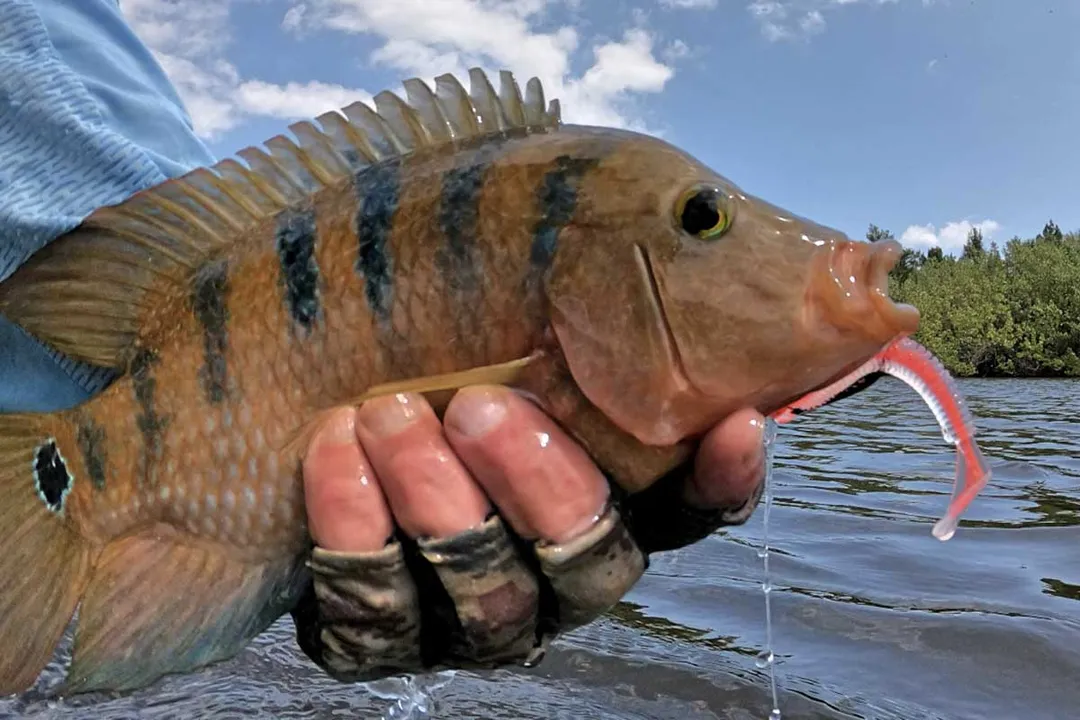
The temperament of the Mayan cichlid (Cichlasoma urophthalmus) is a frequent topic of discussion, whether among dedicated aquarists or biologists studying its spread across new ecosystems. When assessing how aggressive these fish are, the answer isn't a simple yes or no; it’s a spectrum heavily influenced by context, environment, and the presence of suitable territory or breeding opportunities. [1][3] Many keepers describe them as falling into the category of moderately aggressive cichlids, but this term often undersells the intensity they can display when they feel challenged or are establishing dominance. [3]
# Temperament Profile

The scientific understanding of the Mayan cichlid often frames its behavior around its success as an invasive species. In its native range, and particularly where it has established populations in places like Florida, its hardiness and aggressive nature are key factors in its ecological impact. [4] They are known to tolerate a wide range of salinity, temperature, and water conditions, allowing them to displace native fauna—a process usually aided by strong territoriality and a willingness to confront rivals. [4][5]
From an aquarium hobbyist perspective, the consensus leans toward recognizing them as spirited and active fish, but their aggression can escalate dramatically depending on tank size and stocking density. [1] While they might coexist peaceably with much larger, more dominant fish, they are notorious for bullying smaller or similarly sized tank mates, especially those that resemble them or seem like easy targets. [1] Their overall demeanor is certainly higher on the aggression scale than many of the South American cichlids often grouped together, demanding respect from anyone considering keeping them. [3]
# Aquarium Dynamics
Keeping Mayan cichlids in a home aquarium requires careful planning specifically because of their propensity for territorial defense. They are known to be highly protective of their chosen space, often selecting a cave, drift log, or even a flat piece of décor as their fortress. [1] Once this territory is claimed, any fish that enters that zone—even accidentally—risks being chased, nipped, or injured. [1]
One aspect hobbyists often observe is the difference between general aggression and breeding aggression. During non-breeding times, a Mayan cichlid might be tolerable in a large, well-decorated community tank, though still assertive. [1] However, once they pair up and decide to spawn, their behavior shifts into overdrive. They become fiercely defensive of their eggs and subsequent fry, viewing everything else in the tank as a threat that must be neutralized. [1][8] This breeding phase often necessitates immediate separation into a dedicated breeding tank or removal of the offending cichlid if tank mates are suffering.
Considering the sheer volume of aquarium discussion surrounding this species, a practical consideration emerges: the surface area of the substrate and décor available often dictates the perceived aggression level more than the fish's actual size. If you have two equally aggressive cichlids in a tank that is too small, they are forced into continuous conflict over a limited resource space. Conversely, providing multiple well-defined territories within a much larger tank—say, a 125-gallon setup or greater for a pair—can sometimes diffuse generalized aggression because each fish can claim its own domain without encroaching on the other's recognized boundaries. [1]
The challenge extends beyond just other cichlids. Reports exist of Mayan cichlids being kept alongside marine inhabitants, although this is generally discouraged due to their brackish water tolerance potentially conflicting with strict reef setups, and their innate curiosity mixed with aggression. [8] Snails, shrimp, and smaller, slower-moving fish are almost universally incompatible, not just because they might be intimidated, but because they are frequently seen as potential food items. [8]
# Invasive Impact
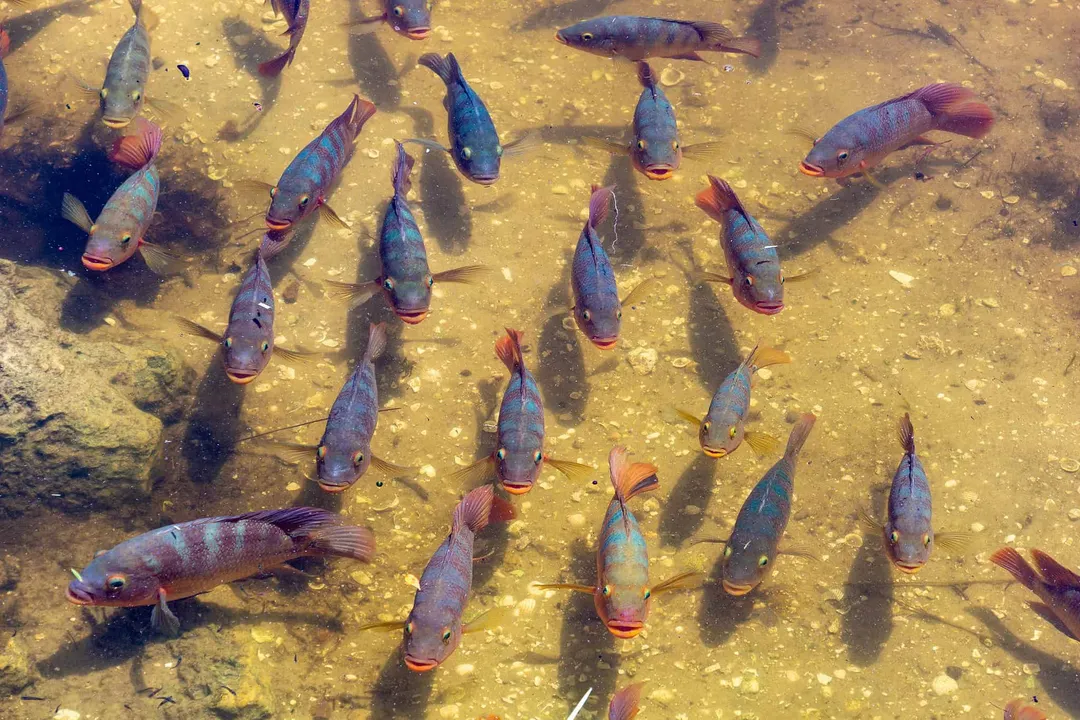
The intensity of the Mayan cichlid’s aggression is not just an aquarium curiosity; it has real-world ecological consequences in non-native environments, most notably in South Florida where they have established wild breeding populations. [4] In these invaded waters, their established presence is a testament to their ability to outcompete native species for resources and shelter. [5] This success is directly tied to their high levels of territoriality and predatory drive. [4]
When observing the impact of this fish in the wild, one sees an organism that seems intent on dominance. They aggressively defend spawning sites and feeding grounds against native fish populations. [4] This behavior profile suggests that the aggression observed in a 55-gallon tank is merely a microcosm of the competitive drive that allows them to secure ecological niches where native species might otherwise thrive. Their high reproductive rate, combined with this assertive behavior, creates a challenging situation for conservation efforts aimed at managing their spread. [5]
# Predatory Nature
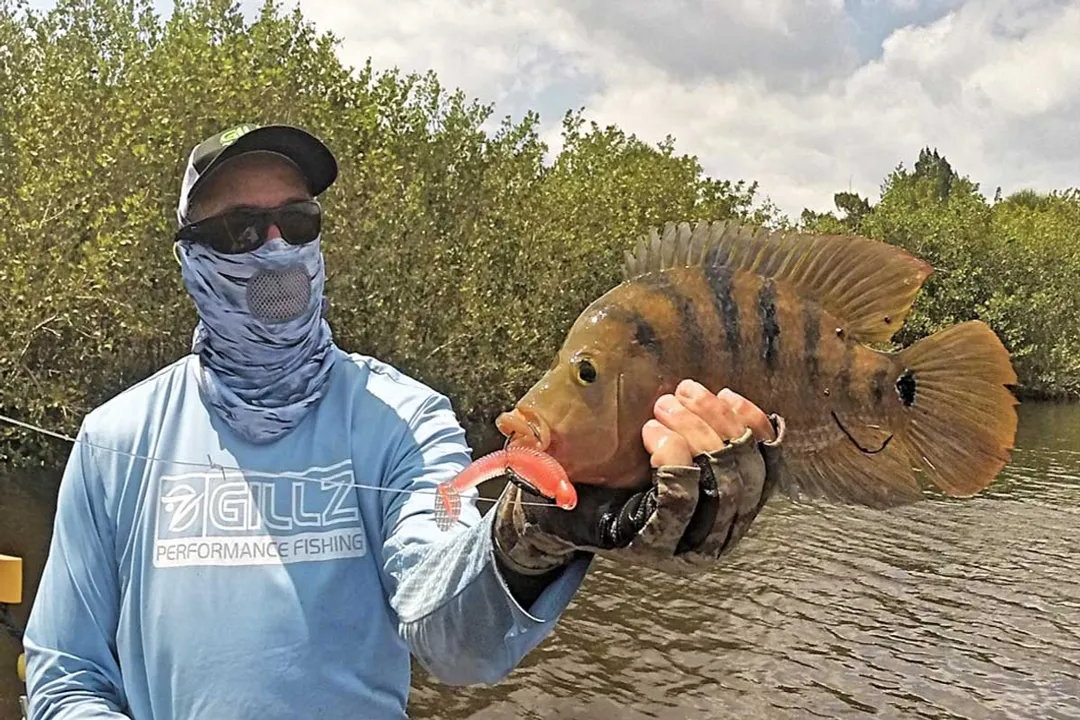
Aggression in fish often manifests as territorial defense, but with the Mayan cichlid, there is a clear predatory component that elevates their threat level considerably. They aren't just pushing rivals away; they are actively consuming other organisms. [3] This is evidenced by the strong digestive capabilities noted in some observations. For instance, there are reports from anglers or fishers detailing instances where a Mayan cichlid, even one not considered massive in size, had consumed another substantial fish, such as a flounder or fluke. [2]
This dietary flexibility and willingness to consume sizable prey items indicate a fish that does not shy away from confrontation for sustenance. In an aquarium setting, this translates to a danger for any tank mate that is small enough to be considered a meal. A fish that is deemed "too small to fight back" often ends up as a meal, rather than merely being bullied into hiding. [2] This behavior reinforces the need to select tank mates based on size compatibility and the certainty that they will not be viewed as food, a distinction that is often more critical than simply assessing aggression scores alone. [3]
# Angler Encounters
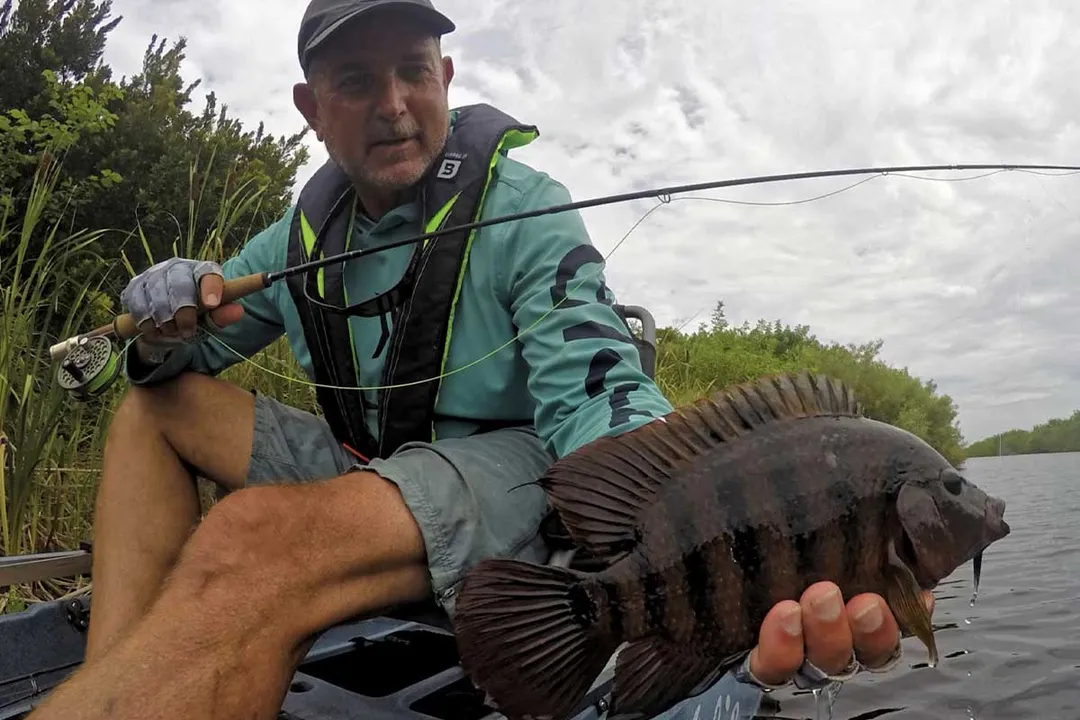
The interaction between Mayan cichlids and anglers further illustrates their spirited nature. When caught, they are often reported to be feisty fighters, offering significant resistance for their size. [9] This fighting spirit, observed when they are hooked on a line, is a behavioral trait that aligns perfectly with their known aggression in confined or competitive spaces. [9] Anglers targeting them, sometimes on fly gear, describe the experience as active and engaging, suggesting that the same energy they use to defend a rock in a tank is channeled into resisting capture. [9] This tenacity confirms that the Mayan cichlid possesses a high inherent drive to fight, whether it is defending territory, breeding rights, or simply its own immediate survival against a hook.
# Managing Intensity
For anyone considering keeping this species, understanding that moderately aggressive is a baseline, not a ceiling, is essential. To successfully house Mayan cichlids, one must design the environment around mitigating their territorial urges rather than hoping they will simply tolerate cohabitants. [1]
A few key strategies emerge from the collective experience:
- Tank Size and Furnishings: Opt for the largest tank possible, as this spreads out resources and allows for the creation of visual breaks. [1] Visual barriers, such as large pieces of driftwood or dense planting (even in brackish setups, if applicable), help prevent fish from constantly seeing their rivals, which can reduce chronic stress and aggressive displays. [1]
- Stocking Order: If mixing with other cichlids, introduce the Mayan cichlid last into an established, stable community, or better yet, quarantine it completely before introduction to a neutral, pre-decorated setup. [1] This prevents them from claiming prime real estate before any other established resident has a chance to stake a claim.
- Breeding Prevention (If Unwanted): If breeding is not desired, keeping only a single male or a single female can sometimes prevent the intense aggression associated with pair-bonding and spawning behavior, though solitary fish can sometimes become more generally aggressive due to stress or boredom. [1][8]
It is vital to realize that water quality, particularly stability, plays an indirect yet powerful role in temperament. A stressed fish due to poor water parameters or rapid environmental shifts—like sudden salinity changes—will almost invariably become more defensive and quick to lash out than a fish living in pristine conditions. [4] Maintaining optimal water stability across salinity, temperature, and pH acts as a buffer against unnecessary aggression. [4] Successfully keeping this fish means respecting its nature as a bold, determined, and capable competitor within its environment. [3]
#Videos
Mayan Cichlid Is Becoming Problematic - YouTube
Related Questions
#Citations
Mayan cichlid - how aggressive? | MonsterFishKeepers.com
Mayan Cichlid ate my Fluke. Love how aggressive these guys are.
Mayan Cichlid Fish Facts - Mayheros urophthalmus - A-Z Animals
Mayan Cichlid – Discover Fishes - Florida Museum of Natural History
Mayan Invasion – Fishing for Mayan Cichlids in Central Florida
Is this a Mayan cichlid? How to hold a Mayan cichlid? - Facebook
Mayan Cichlid Is Becoming Problematic - YouTube
Mayan cichlid in reef? - Reef2Reef
Mayan Cichlids On Fly By: Josh Broer - Coastal Angler Magazine