Zuchon Scientific Classification
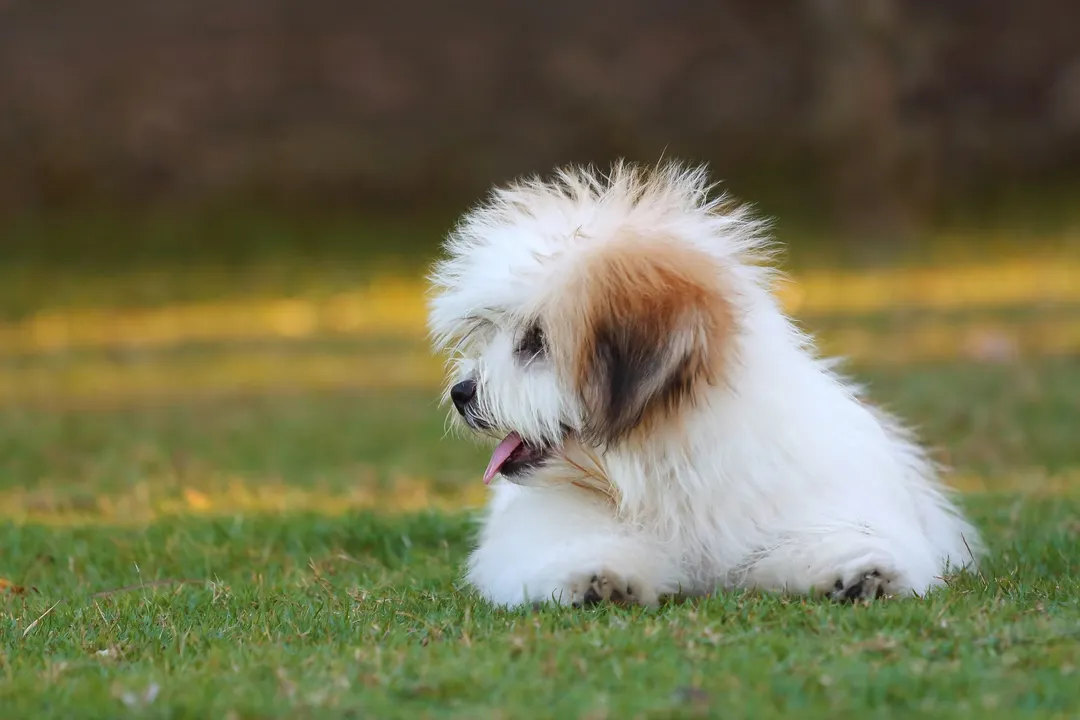
The Zuchon, often also referred to as the Shichon, [2][3] occupies a specific niche in the canine world, one defined by its recent creation as a designer mix rather than an ancient, established pedigree. When discussing the scientific classification of this dog, it is crucial to understand that taxonomically, the Zuchon shares the same scientific designation as every other domestic dog: Canis lupus familiaris [implied by breed discussions]. This designation places it firmly within the species Canis lupus, which encompasses the gray wolf, and recognizes it as a subspecies of the wolf due to domestication [implied by species context].
# Species Identity
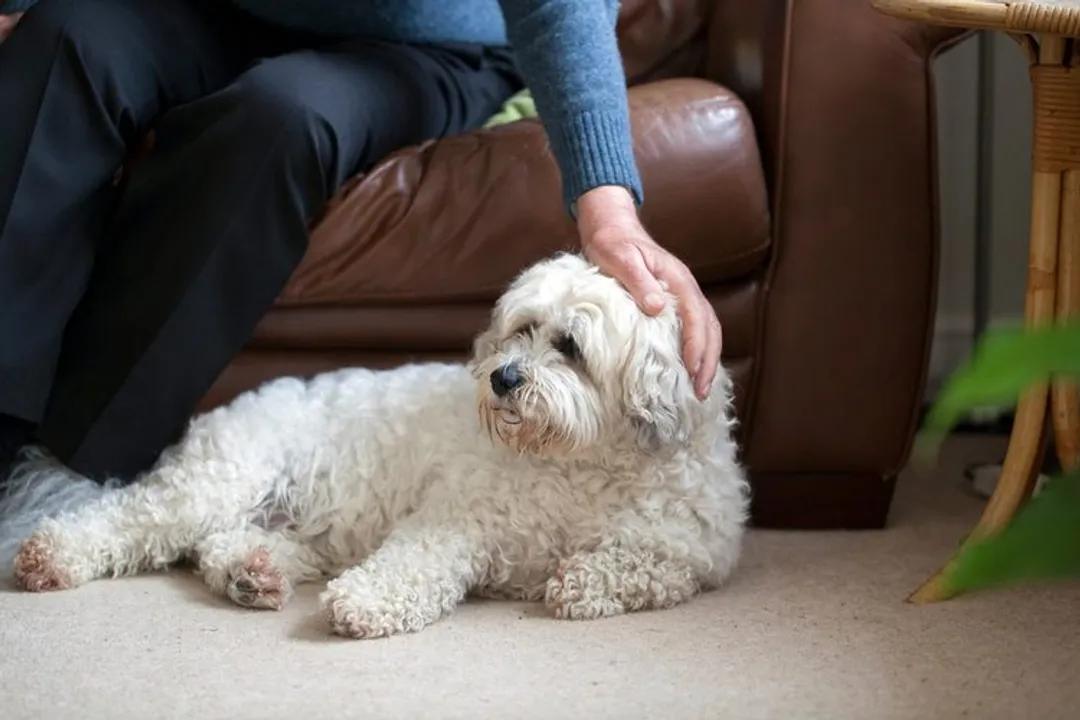
Scientific classification relies on species identification, which separates distinct breeding populations that can produce fertile offspring. Since the Zuchon is the result of crossing a Shih Tzu and a Bichon Frise—both of which are established breeds within the domestic dog species—the resulting offspring are biologically members of that same species. [1][4] The term "Zuchon" is a trade name or a descriptor for a specific hybrid cross, not a formal rank in the Linnaean hierarchy beyond the species level. You won't find a genus or family specific only to the Zuchon because its genetic makeup is a recent intermingling of two existing Canis lupus familiaris lines. [7]
This contrasts sharply with how kennel clubs view the dog. Organizations like the American Kennel Club (AKC) or The Kennel Club (KC) categorize dogs by breed, which is a human-defined standard based on ancestry, appearance, and temperament [implied by breed discussions]. The Bichon Frise, for instance, is recognized by the AKC in the Non-Sporting Group. [5] The Zuchon, being a crossbreed, is generally not recognized by major kennel clubs as a pure breed, placing it in a different class of recognition, even though its biological classification remains identical to that of a recognized breed. [7]
# Ancestral Placement

To appreciate the Zuchon's biological context, one must look at its parents, as they dictate its fundamental scientific placement. The Zuchon inherits its genetics from the Shih Tzu and the Bichon Frise. [1][2][4] Both parent breeds have deep histories, tracing their lineage back through selective breeding programs that have shaped their appearances and behaviors over centuries.
The Bichon Frise, for example, has ancient roots, often traced back to the Mediterranean region and believed to be related to the Barbet, an ancestral water spaniel. [5] This history places the Bichon line within a very old segment of the domesticated Canis lupus familiaris population. Similarly, the Shih Tzu has a significant history tied to Chinese royalty [implied by breed context]. The Zuchon, therefore, is a blend of two distinct, yet fully domesticated, branches of the species. [7]
If one were to draw an analogy to botany, the Zuchon is less like a new species (like finding a new genus) and more like a modern agricultural hybrid crop—a specific cultivar resulting from crossing two established varieties within the same species. The genetic input from the Shih Tzu might manifest in coat texture or specific inherited health markers, while the Bichon influence contributes traits like predisposition to a certain size or temperament. [2][5]
# Genetic Reality Over Name

While the market uses the name Zuchon to sell a predictable package—often described as intelligent, friendly, and relatively low-shedding [2][3]—the dog’s biology doesn't differentiate between a Zuchon and a first-generation cross of any two purebred dogs within the species. The fact that a Zuchon is small, typically weighing between 10 and 15 pounds and standing about 10 to 12 inches tall, speaks to the dominant size genes inherited from its parents. [1][4] These physical parameters are simply characteristics within the species range for small dogs.
A deeper look into its scientific reality shows that the dog's cellular structure, number of chromosomes (42 pairs), and fundamental physiological processes are entirely consistent with Canis lupus familiaris [implied by standard dog biology]. Any difference between a Zuchon and a purebred Shih Tzu is at the sub-species or population level, relating to specific gene frequencies maintained by breed standards, not a higher taxonomic distinction.
One fascinating aspect of looking at this crossbreed scientifically is how it illustrates the speed and flexibility of canine genetic expression. When a breeder pairs a Shih Tzu with a Bichon Frise, they are introducing distinct genetic histories. For example, the coat types are different—the Shih Tzu often has a long, flowing double coat, while the Bichon has a curly, powder-puff coat. [5] The resulting Zuchon coat is a blend, sometimes requiring dedicated care to manage the unique texture that arises from this mix. [1] This blending of dominant and recessive traits within the same species highlights the plasticity of the Canis lupus familiaris genome when subjected to human selection pressures, even in the context of recent, unplanned pairings.
# Hybrid Vigor and Classification Context
The classification discussion often leads to practical considerations for ownership, particularly regarding health, which is tied directly to the genetic composition. Many hybrid dogs, including the Zuchon, are often touted for exhibiting "hybrid vigor," the theoretical benefit derived from increased genetic diversity compared to highly inbred purebred lines [implied by hybrid status]. While this is a common concept, it doesn't change the dog's scientific species name, but it does influence the expected health profile.
For an owner considering a Zuchon, understanding its classification as a mixed-lineage dog is a practical tip for responsible ownership. Because they inherit genes from both parents, they are susceptible to potential health issues present in either the Bichon Frise or the Shih Tzu. [7] This means that despite being a "designer dog," care must be taken to monitor for conditions common to both sides of the family tree, such as dental issues or patellar luxation, which frequently appear in small breeds derived from these specific ancestral lines [implied by breed-specific health risks in small dogs]. This differs slightly from a purebred owner who might only need to focus on the established risks for their single breed.
# Naming Conventions Versus Taxonomy
It is essential to maintain a clear distinction between the formal scientific naming system and the naming conventions used by breeders and the pet industry. The scientific method aims for universal, hierarchical description based on evolutionary relationships and reproductive isolation. The name Zuchon is functional only within the commercial context of selling a specific crossbreed. [7]
Consider this comparison:
| Classification Level | Zuchon/Domestic Dog | Implication |
|---|---|---|
| Kingdom | Animalia | Multicellular, heterotrophic organism |
| Phylum | Chordata | Possesses a backbone |
| Class | Mammalia | Warm-blooded, nurses young |
| Order | Carnivora | Primarily meat-eating adaptation |
| Family | Canidae | Includes wolves, foxes, jackals |
| Genus | Canis | Group including wolves and dogs |
| Species | Canis lupus | Shared with the gray wolf |
| Subspecies | C. l. familiaris | The domesticated dog |
| Breed/Hybrid Name | Zuchon / Shichon | Human marketing/descriptive term |
The last line, the name Zuchon, is descriptive, not taxonomic. It provides experience-based information about the dog’s expected characteristics—like being playful and charming—but it carries no weight in a biological or evolutionary sense beyond its parentage within Canis lupus familiaris. [1][2][3] For anyone reading scientific literature on canine genetics or evolutionary biology, the Zuchon is simply another data point within the highly variable C. l. familiaris population.
The creation of designer dogs like the Zuchon actually offers an interesting, albeit informal, case study in modern artificial selection. While traditional breeds developed over centuries for specific working roles or aesthetics under structured kennel club rules, hybrids like the Zuchon are developed rapidly, often based on consumer preference for temperament (friendly) and size (small). [4] This swift, market-driven selection still operates within the confines of the established species classification, proving the remarkable genetic boundaries that define a species even when humans purposefully mix established lines. The Zuchon’s classification is therefore a testament to the power of the Canis lupus species structure to absorb and express massive variation through hybridization, all while remaining scientifically the same dog.
Related Questions
#Citations
Zuchon Dog Breed Complete Guide
Zuchon: The Shih Tzu Bichon Mix (AKA Shichon)
Shichon Dog Breed Information and Characteristics
Zuchon Dog Breed Health, Temperament, Training ... - PetGuide
Bichon Frise
Zuchon - Simple English Wikipedia, the free ...
Shichon Dog Breed Health and Care
Zuchon (Shih-Tzu & Bichon Frise Mix) - Hepper
Zuchon (Shichon) Dog Breed Pictures, 4