Zorse Scientific Classification
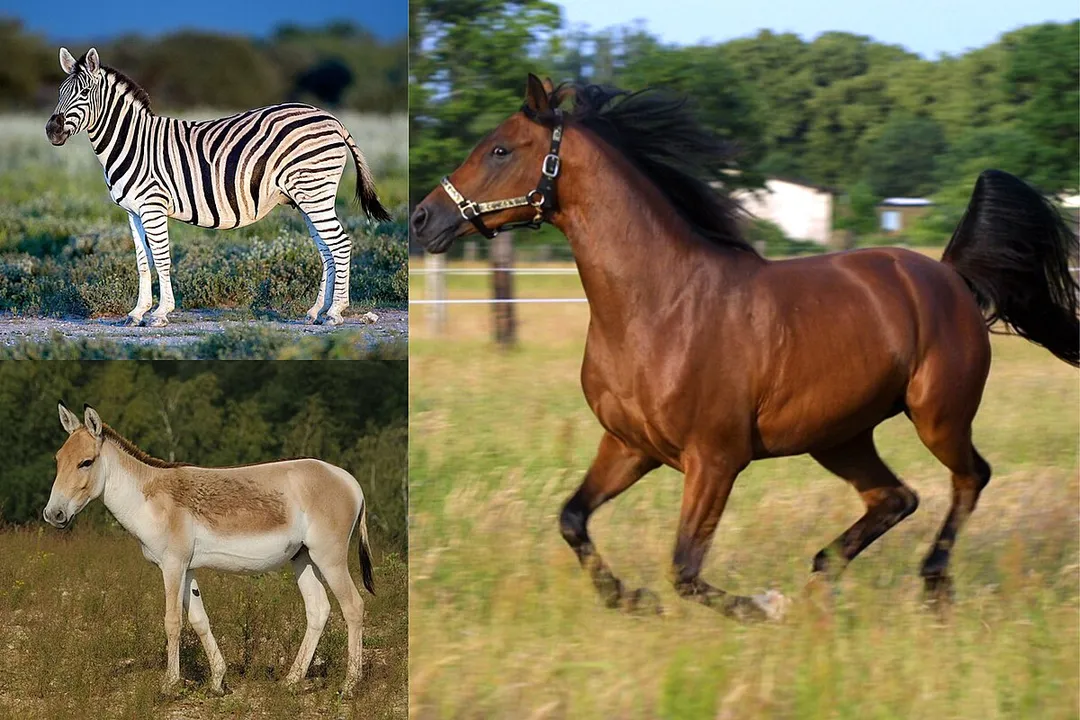
The zorse represents a fascinating intersection of equine genetics, arising from the deliberate or accidental crossbreeding of two distinct, yet closely related, parent species: the zebra and the horse or pony. [1][4][5] When discussing the scientific classification of such an animal, we immediately enter a realm where standard Linnaean hierarchy gets a little murky, primarily because the zorse is not a naturally occurring, stable species but rather a first-generation hybrid. [8] Understanding its place requires looking at the genus it springs from and the genetic hurdles involved in its creation.
# Equus Genus
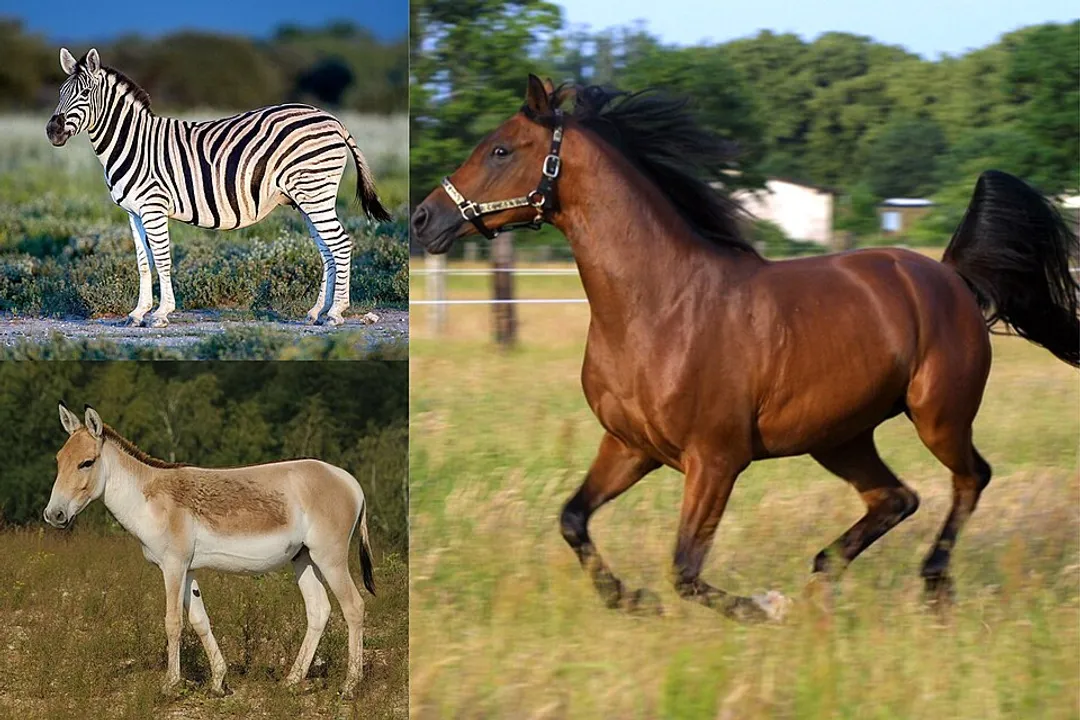
All members of the horse family, including domestic horses, donkeys, and zebras, fall under the scientific genus Equus. [3] This shared genus classification is key, as it explains why a successful cross between a zebra and a horse is even possible. [3] The Equus genus is relatively young in evolutionary terms, meaning its constituent species, while distinct enough to cause reproductive barriers, still share a common, recent ancestor. [3] Within this genus, the domestic horse is Equus caballus, and the various zebra species (like the Plains zebra, Equus quagga) occupy their own unique slots. [3] A zorse, therefore, possesses genetic material from two different species within the same genus, making it an interspecific hybrid. [1][3]
# Hybrid Nomenclature
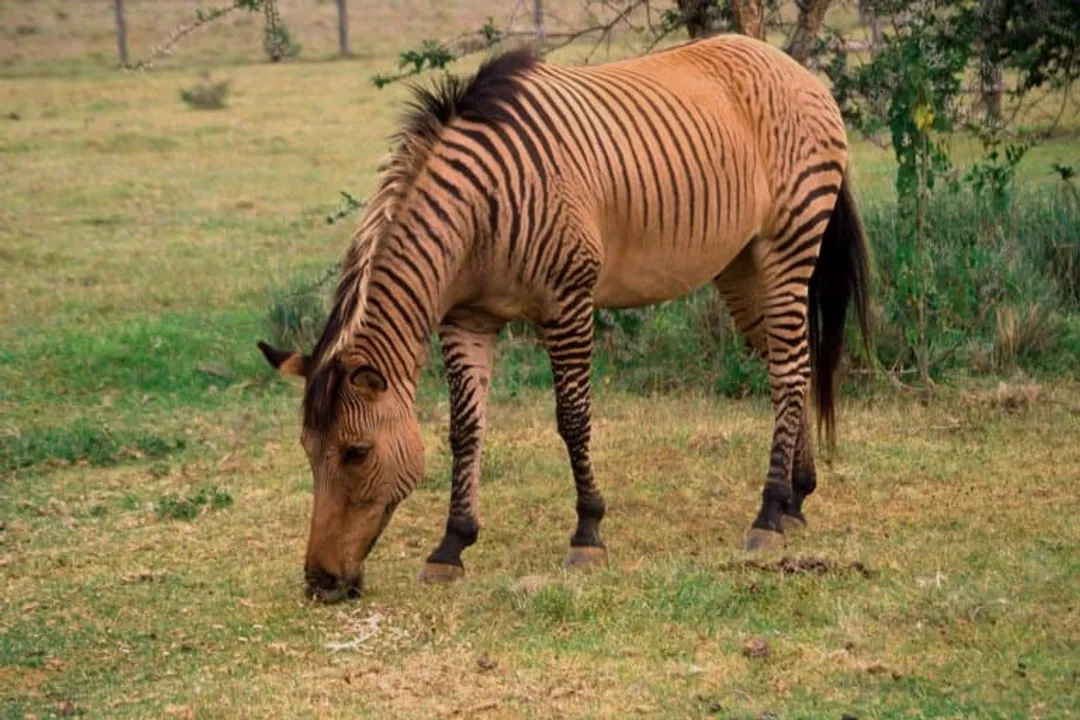
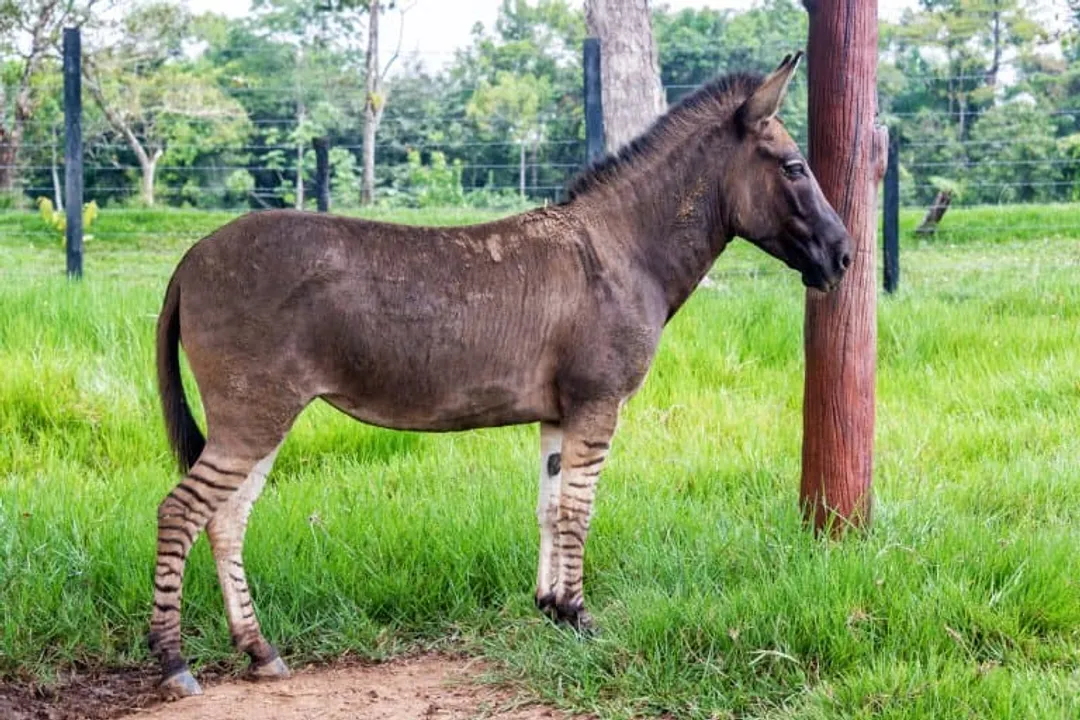
Unlike established species that receive a formal binomial scientific name (Genus species), hybrids like the zorse are generally not assigned one under standard taxonomic rules because they do not form a self-sustaining population or species. [8] The name "Zorse" itself is an example of popular nomenclature, a portmanteau derived by blending the names of the parents—Zebra and Horse. [2] This blending is common for equid hybrids. [7] For instance, a cross between a zebra and a pony might be called a Zony, and a zebra-donkey cross is often termed a Zonkey. [7] These common names serve an immediate descriptive purpose for breeders, enthusiasts, and observers, but they carry no formal weight in scientific taxonomy. [2]
The creation of a zorse is typically an intentional act by breeders seeking the unique aesthetics of the zebra pattern combined with the temperament or conformation of a horse or pony. [5][6] It is important to note that the resulting animal's appearance often heavily favors one parent, a concept sometimes discussed in relation to which sex carries the pattern-bearing stripes. [7]
# Chromosomal Mismatch
The difficulty in assigning a standard scientific classification directly correlates with the underlying genetic differences between the parent species, most notably in chromosome count. [3] Horses (Equus caballus) typically possess 64 chromosomes. [3] Zebras, however, exhibit variation depending on the species; for example, the Plains zebra has 44 chromosomes, while Grévy's zebra has 46. [3]
This disparity—a difference of 20 or more chromosomes—is significant enough that while fertilization can occur, the resulting offspring often struggles to complete meiosis successfully. [3] In the case of the zorse, this chromosomal imbalance almost always results in sterility. [4][8] A sterile animal cannot reproduce within its own kind, preventing the formation of a new, breeding population that would qualify for species status. This sterility is the primary reason why the zorse remains classified conceptually as a hybrid rather than a distinct biological entity within the Equus genus, much like the mule (horse-donkey hybrid). [3]
If we were to attempt a formal classification based on genetic contribution, it would require an asterisk and a footnote, perhaps designated as Equus (Zebra Horse), which is far from the clean structure of a binomial name like Equus caballus. [3] The fact that these crosses are nearly always infertile places them firmly in the category of "steriles," reinforcing their non-species status.
One fascinating area for observers and breeders is that the degree of striping or pattern expression is not always predictable, often depending on which parent contributes the sex chromosomes. [7] While the zorse inherits the Equus genus trait, the expression of the zebra's defining characteristic—the stripes—can appear heavily muted or sharply defined across the body, which is a visual testament to the incomplete integration of the parental genomes.
# Practical Classification Considerations
For those involved in animal husbandry, equestrian sports, or conservation, the zorse's classification has real-world implications beyond the textbook. [9] When registering a zorse, an owner must typically declare the specific parentage—e.g., "Zebra Stallion Mare"—rather than simply listing a species name. [9] This necessity stems from the need to track lineage for health and management purposes, as veterinary knowledge is often tailored to the specific ancestral species involved. [9] A zorse might present health challenges more common to the zebra side of its lineage, requiring specialized care that differs from that given to a purebred horse.
Consider a scenario where a zorse exhibits a sudden illness. A veterinarian must determine if the underlying metabolic pathways or potential inherited conditions align more closely with the zebra parent or the horse parent. For instance, if the zebra parent was a Mountain Zebra (Equus zebra), which is classified as Vulnerable, the zorse's very existence enters a gray area concerning wildlife protection laws, even though the hybrid itself is not protected. [1] This highlights that while the scientific classification avoids assigning species status, the practical management demands a granular, species-specific record-keeping approach. [9]
The very act of breeding a zorse offers a unique insight into evolutionary biology accessible outside a laboratory setting. By crossing two species with different chromosome numbers, we observe a microcosm of reproductive isolation in action—a process that, over millions of years, drives speciation. The zorse represents the point just before that full separation is achieved, demonstrating the genetic incompatibility that prevents two closely related populations from merging into one stable species. [3] The resulting animal is a biological curiosity, perfectly illustrating the boundaries of species definition within the Equus genus. [3]
# Appearance and Traits
The physical manifestation of the zorse classification is always a blend of its heritage. They generally inherit the body shape of the horse parent, which is typically sturdier and larger than a zebra, but they carry the distinctive striping pattern of the zebra. [1][5][6] The stripes are often most prominent on the legs, neck, and hindquarters, sometimes fading into the horse-like coat color on the main body. [4] This patterning is what makes the zorse visually striking and a subject of interest for people involved with equine conservation or novelty breeding. [6] The size of the zorse depends entirely on the size of the horse or pony parent used in the cross. [1]
# Summary of Classification Status
In essence, the zorse’s scientific classification can be summarized by acknowledging its parentage while denying it formal species status.
| Taxonomic Rank | Classification Note | Implication |
|---|---|---|
| Kingdom | Animalia | Standard Animal |
| Phylum | Chordata | Has a backbone |
| Class | Mammalia | Mammal |
| Order | Perissodactyla | Odd-toed ungulate |
| Family | Equidae | Horse family |
| Genus | Equus | Shares with horses, zebras, donkeys [3] |
| Species | Not assigned | Hybrid status, generally sterile [8] |
This table clearly shows the animal resides within the established lines of the Equus genus but stops short of receiving the formal species designation that requires reproductive viability. [3] The focus remains on the source species rather than the hybrid outcome for scientific documentation.
Related Questions
#Citations
Zorse - Bionity
Zorse - Steemit
Equus (genus) - Wikipedia
9 Zany Zorse (Zebroid) Facts - Fact Animal
Zorse Facts, Worksheets, Classification & Evolution For Kids
Zorse | Animal Database - Fandom
Zorse, hebra, zony and zonkey! All I wanted to know was ... - Facebook
Zorse | PDF | Equus (Genus) | Equidae - Scribd
Blog: 365 Days in Horse Country – The Zorse - Michael Stuart Webb