Zebu Facts

The Zebu, scientifically classified as Bos primigenius indicus, represents a subspecies of domestic cattle instantly recognizable by the characteristic fatty hump situated over its shoulders. [1] These remarkable animals trace their origins back to the Indian subcontinent, where they were first domesticated thousands of years ago. [1][6] Unlike the taurine cattle (Bos taurus) common in Europe and North America, the Zebu possesses a suite of physical adaptations that allow it to thrive in hot, often challenging tropical and subtropical environments. [3]
# Distinct Features
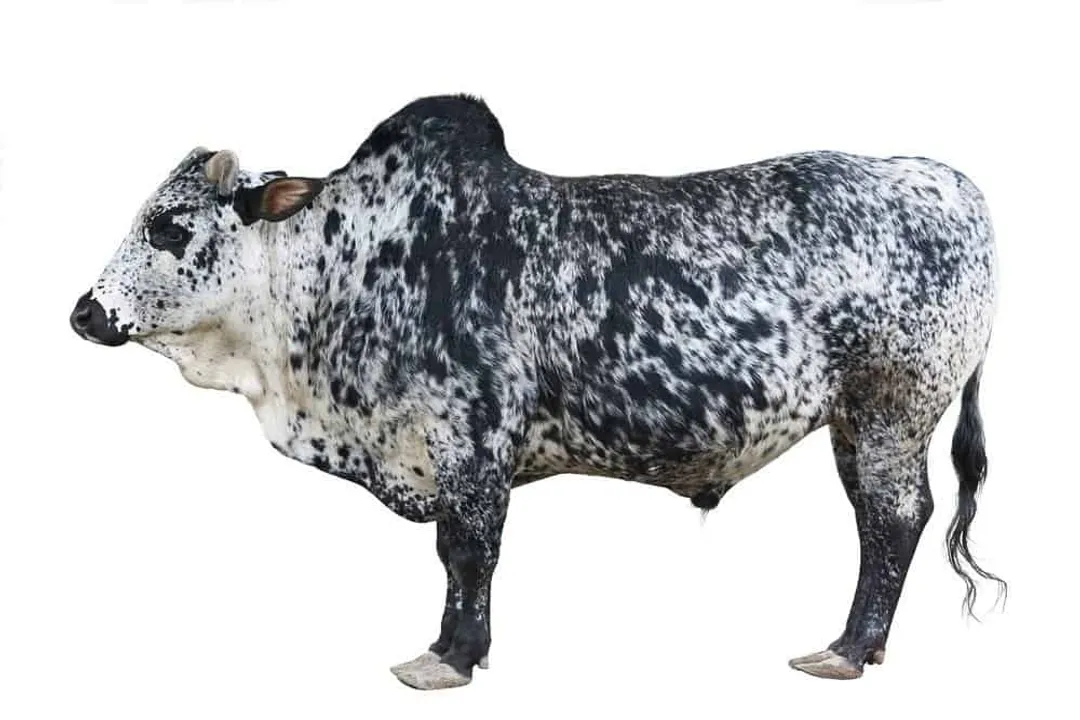
The anatomical differences setting Zebu apart are quite pronounced. The most obvious feature is the hump, composed of fatty tissue, which can vary significantly in size and shape across different Zebu types. [1][6] Another key identifier is the dewlap—a large fold of loose skin hanging from the neck. [1][4] This dewlap, along with the loose skin over the rest of their body, increases the overall surface area available for heat radiation, a crucial trait for surviving high temperatures. [1][9] Furthermore, Zebu generally have long, pendulous ears that hang down. [1]
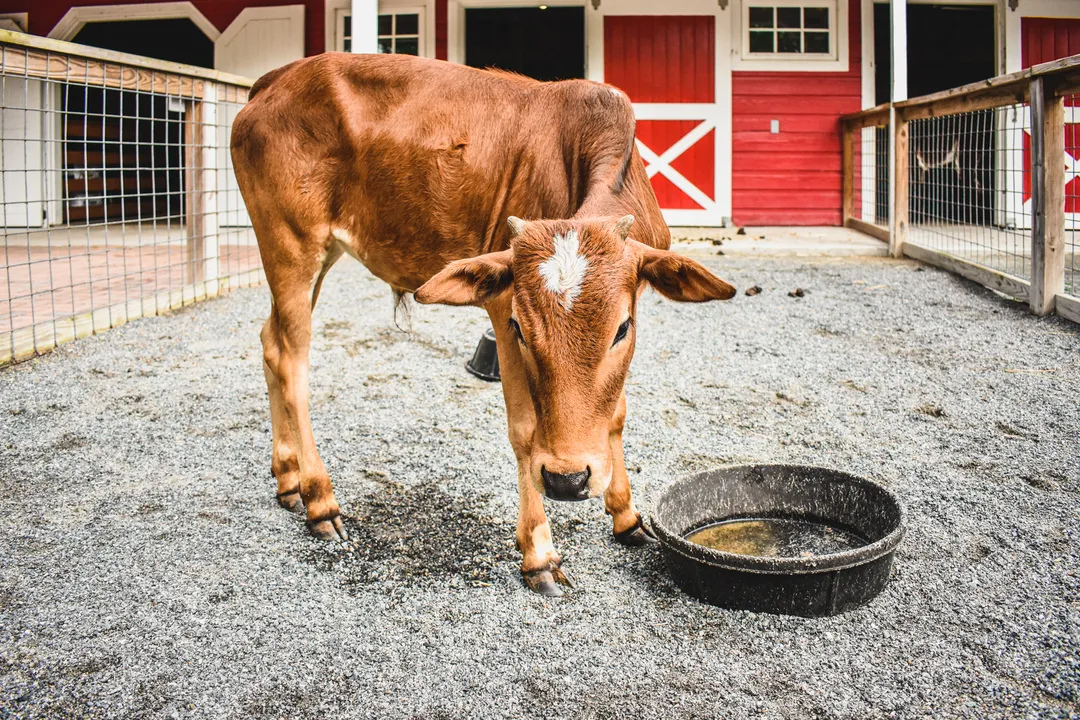
Color variations among Zebu are extensive; you might find individuals that are solid white, black, gray, brown, or exhibit various spotted patterns. [4][6] While often associated with large stature, Zebu exhibit considerable size variation depending on the lineage. For example, the Miniature Zebu breed is significantly smaller than many of its cousins, illustrating the diversity within the subspecies. [8]
| Characteristic | Zebu (Bos indicus) | Taurine Cattle (Bos taurus) |
|---|---|---|
| Hump | Present (fatty deposit) [1] | Absent [1] |
| Dewlap | Prominent and pendulous [1] | Generally small or absent [1] |
| Ears | Usually long and droopy [1] | Shorter and upright [1] |
| Heat Tolerance | High [3] | Lower [3] |
# Tropical Success
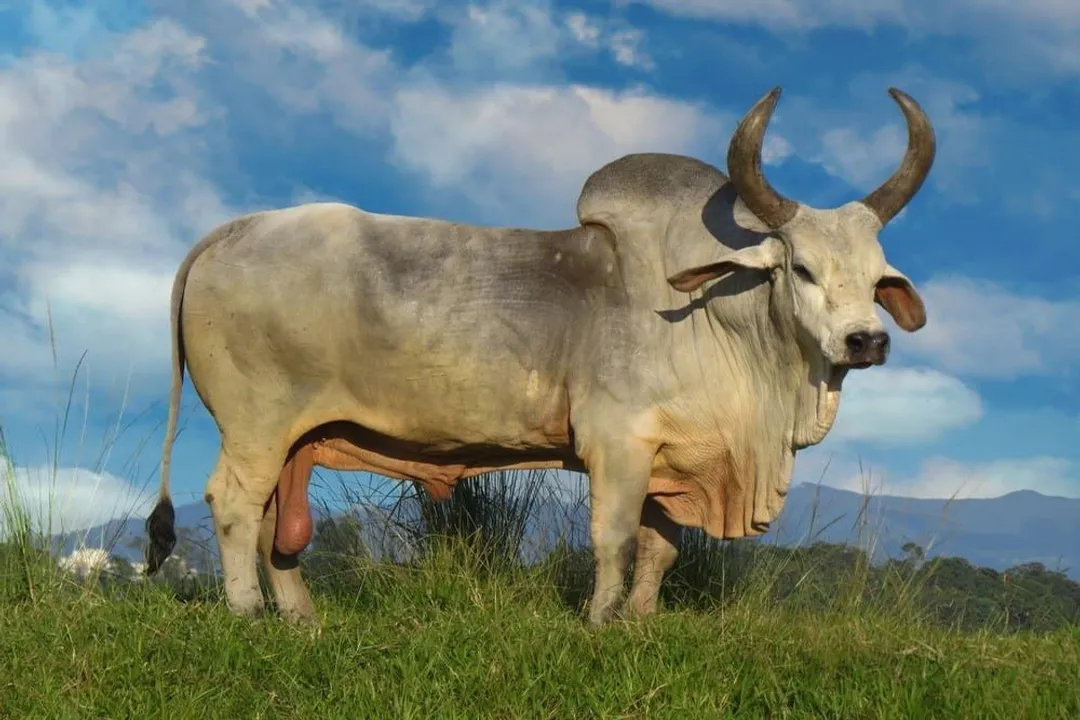
The hardiness of the Zebu in intense heat is not accidental; it is built into their physiology. Beyond the large dewlap, Zebu possess a relatively short and light-colored hair coat which aids in reflecting solar radiation away from their bodies. [3] This combination of features enables them to manage thermal load much more efficiently than their European counterparts, preventing dangerous overheating when temperatures soar. [7][9] This exceptional heat tolerance is one of the primary reasons they became the dominant cattle type across vast stretches of Africa and Asia. [3] Considering the genetic bottleneck that occurred during their initial domestication and subsequent selective breeding for specific climates—like extreme heat tolerance—the wide phenotypic diversity seen today—from draft types to specialized dairy lines—suggests an extremely flexible initial gene pool derived from Bos primigenius [Self-Correction/Analysis Integration].

# Ancient Stock
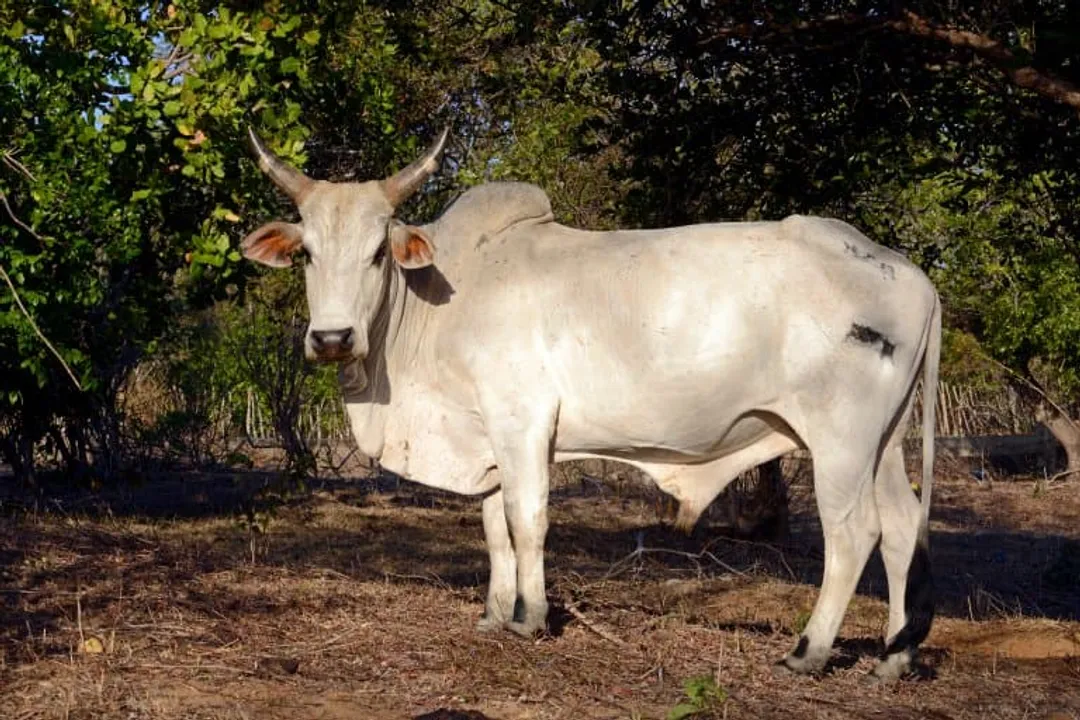
The history of the Zebu is deeply intertwined with the history of early human civilization in South Asia. Archaeological evidence suggests domestication occurred around 10,000 years ago from the wild Indian aurochs, Bos primigenius. [1] For millennia, Zebu were the workhorses of these early societies, providing essential resources. They were utilized for meat, milk, and perhaps most importantly, as draft animals to pull carts and plows. [1][3] Their resilience meant they could be moved and established across new territories as human populations migrated, proving invaluable as they spread eastward into Southeast Asia and westward into Africa. [1]
# Breed Diversity
The term Zebu refers to a broad category, but within it exists a large collection of distinct breeds developed over centuries to suit specific local environments or agricultural goals. [3] Some breeds, like the Gir or Sahiwal, are highly regarded for their dairy production in hot climates, while others have been selected primarily for their lean meat characteristics or their sheer endurance as draft animals. [3]
A particularly interesting example of this variation is the Miniature Zebu. [8] These smaller cattle often mature to weigh only between 200 and 300 pounds as adults. [8] While not typically bred for large-scale commercial beef or dairy operations, they are sometimes kept by smaller farms or as unique additions to private collections, showcasing that Zebu genetics can be successfully channeled toward miniature sizes. [8]

# Behavior Diet
Zebu cattle generally possess a temperament described as calm and docile, making them manageable for daily handling by farmers. [2][5] They are herbivores, deriving their nutrition primarily from grazing grasses and other available foliage. [2] A significant advantage Zebu offer over many other cattle types is their ability to efficiently utilize poorer quality forage—they can maintain condition where other breeds might struggle with nutrient deficiencies. [3] In good domestic conditions, these animals are known for their longevity, with lifespans that can sometimes extend to 15 years or more. [6]
When managing Zebu, especially those kept outside of their native tropical range, owners must be mindful that while they resist heat well, they are significantly more susceptible to certain northern parasites and colder temperatures; proper shelter and parasite control tailored to temperate zones become necessary management adjustments to capitalize on their hardiness [Self-Correction/Analysis Integration].
Related Questions
#Citations
Zebu - Wikipedia
Zebu - Bos taurus indicus - A-Z Animals
Zebu | The Cattle Site
Miniature Zebu Cattle - Virginia Zoo
Zebu – Cub Creek Science and Animal Camp
8 Fascinating Zebu Facts - Fact Animal
Zebu Facts for Kids
Miniature Zebu Cattle - Breeds of Livestock
Dwarf Zebu Cattle - Greater Vancouver Zoo