Yorkiepoo Facts
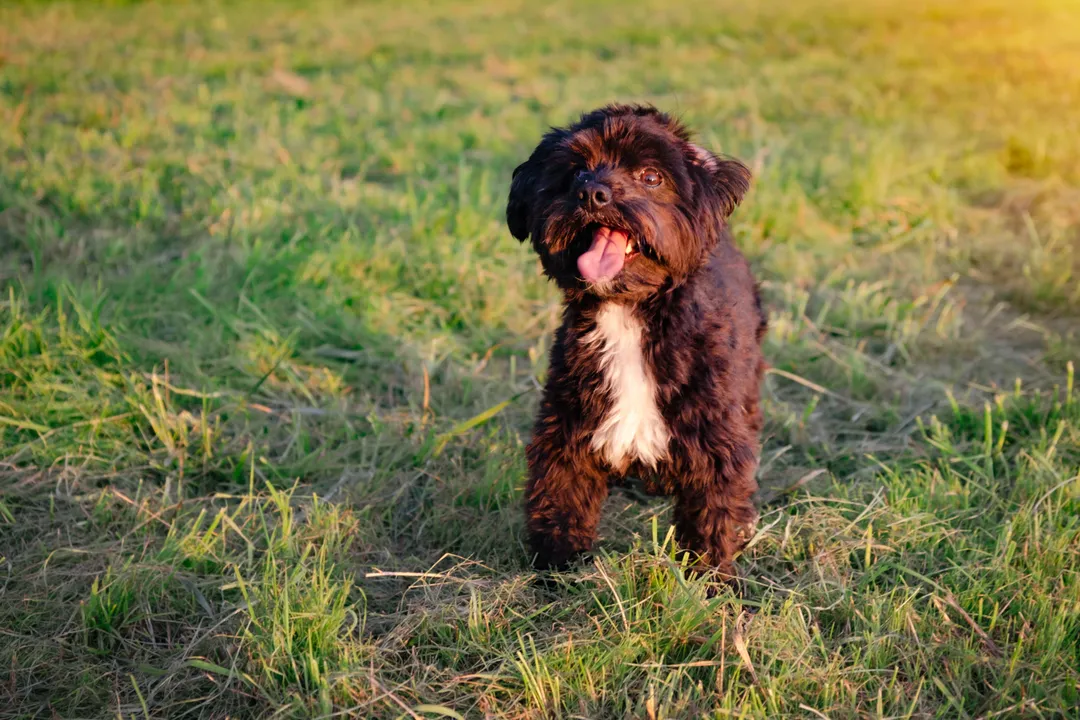
The Yorkiepoo, sometimes written as Yorkipoo, has firmly established itself as a popular small companion dog, gaining affection for its devoted nature and charming looks. [1][4][10] This hybrid breed results from crossing a purebred Yorkshire Terrier with either a Toy or Miniature Poodle. [2][4] Because they are a mix, predicting the exact temperament or appearance of any individual puppy can be a fascinating exercise in genetics, as different traits from each parent breed may become dominant. [3][5]
# Mixed Heritage
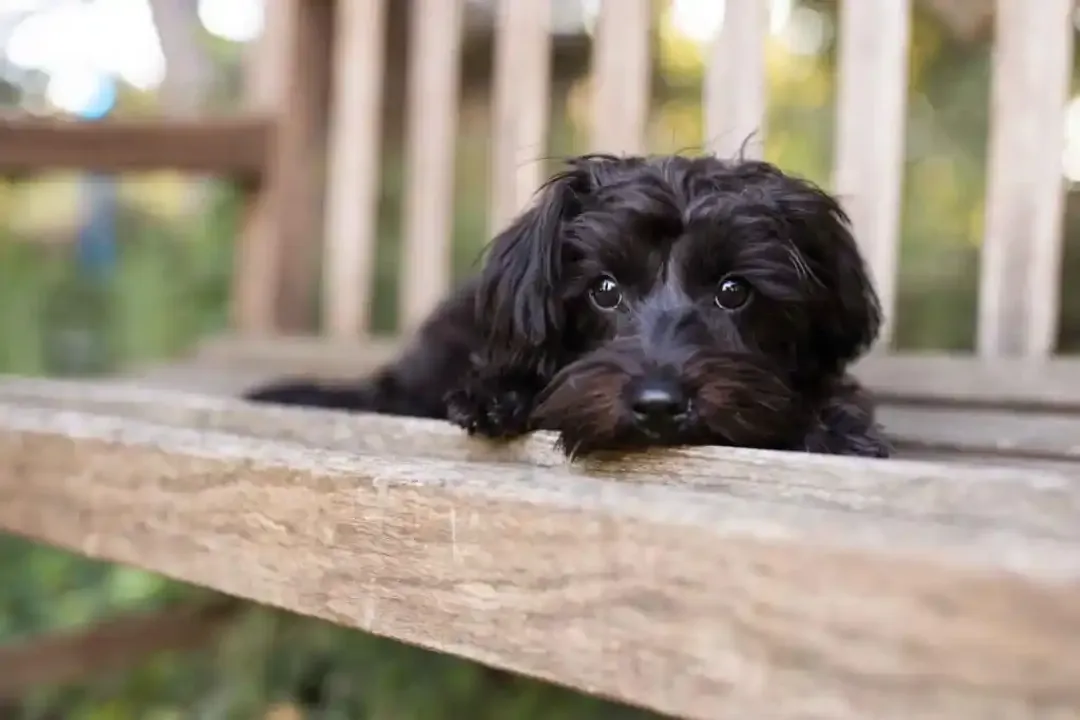
As a crossbreed, the Yorkiepoo doesn't fit neatly into established kennel club classifications, making it a "designer dog". [2][5] The Poodle lineage typically brings high intelligence and a low-shedding coat, while the Yorkshire Terrier contributes an alert, feisty spirit and small stature. [1][4] The exact ratio of influence—whether a 50/50 mix or leaning more heavily toward one parent—is determined at birth and strongly influences the dog's adult characteristics. [3] Owners should anticipate a dog possessing traits from both sides; for instance, while a Poodle generally accepts training readily, the independent streak inherited from the Terrier side might require a firmer, more consistent approach to house rules. [5][10] Understanding the behavioral tendencies of the parent breeds offers the best preview of the potential personality waiting in that tiny package. [1]
# Physical Traits
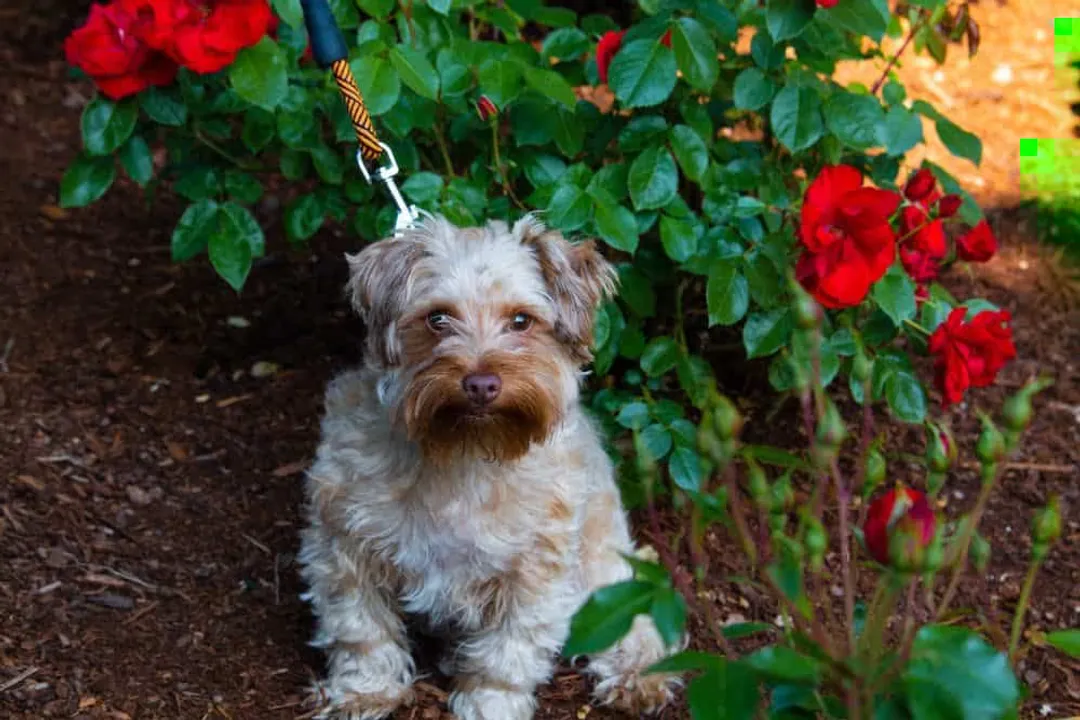
Size is one of the most consistent features of the Yorkiepoo. They are decidedly small dogs, typically weighing between 4 and 7 pounds and standing about 7 to 10 inches tall at the shoulder. [2][5] This diminutive stature makes them well-suited for apartment living or for owners who prefer a lap-sized companion. [3]
The coat is where the most variability occurs. Owners often seek out this cross specifically hoping for a "hypoallergenic" dog, a trait commonly associated with the Poodle. [3][4] However, the coat texture can range significantly: it might be curly like a Poodle's, wavy, or even straighter and silkier like a Yorkie's. [5] This variation means that while some Yorkiepoos shed very little, others might shed moderately, depending on which parent's coat genes are stronger. [3] Colors commonly reflect those found in the parent breeds, including black, brown, cream, apricot, or combinations thereof. [5] Because the coat is typically dense, regardless of texture, maintenance is a significant commitment. [3]
# Temperament Profile
Yorkiepoos are widely recognized for their deeply affectionate and devoted nature toward their families. [1][4] They often bond very closely with their primary caregivers and thrive on interaction, making them poor candidates for long periods of solitude. [10] Their high intelligence, inherited largely from the Poodle, means they are often quick to learn new tricks and enjoy mental stimulation. [5]
However, that small body houses a spirited personality. They are known to be lively and playful. [2] A common note from owners is their tendency toward being vocal; they can be quite alert and prone to barking if not trained early to moderate their reactions to sights and sounds. [2][10] When it comes to children, supervision is always necessary due to their small, delicate size, though they can integrate well into families that respect their physical fragility. [3] Proper, early socialization is key to ensuring their natural alertness doesn't turn into unnecessary nervousness or timidity around strangers or novel environments. [5][10]
# Care Needs
The grooming requirements for a Yorkiepoo cannot be overstated; this is arguably the most time-intensive aspect of ownership. [3] Regardless of whether the coat is curly or wavy, it requires daily brushing to prevent painful mats and tangles from forming close to the skin. [3][5] Many owners opt for professional grooming appointments every four to six weeks just to maintain a manageable length, a recurring financial and logistical consideration for any prospective owner. [3] Deciding on a specific haircut style early on—such as a short "puppy cut"—can help manage the daily upkeep while still keeping the coat healthy. [5]
In terms of activity, they are moderately energetic. They do not require the rigorous exercise demanded by working breeds, but they certainly are not meant to be sedentary lap dogs either. [5] A couple of brisk walks per day, combined with indoor playtime, usually satisfies their need to move and explore. [5] Because they are bright, incorporating puzzle toys or short training sessions into their routine helps satisfy their mental appetite just as much as physical exercise satisfies their body. [5] For city dwellers, remember that an hour of varied activity—a walk around the block, a quick romp in a secure dog park, and focused play inside—can often be more satisfying for a Yorkiepoo than a single long, monotonous walk. [1]
# Health Concerns
Like all purebreds and designer crosses, the Yorkiepoo is predisposed to certain health conditions inherited from its parent breeds. [1] Owners should remain vigilant regarding potential orthopedic issues, particularly luxating patella (kneecap displacement), which is common in many small breeds. [5][7] Dental care is another crucial area; small breeds often suffer from overcrowding of teeth, leading to plaque buildup and periodontal disease, necessitating regular brushing and vet cleanings. [1][5]
Other conditions that owners should monitor include potential eye issues inherited from either parent, and in some cases, Legg-Calve-Perthes disease, a hip joint disorder. [1][7] With attentive care and regular veterinary check-ups, the breed generally enjoys a respectable lifespan, often estimated to be between 10 and 15 years. [1][5]
# Training Habits
The combination of Poodle intelligence and Yorkshire Terrier tenacity creates a dog that is eager to please but can also exhibit stubbornness. [5][10] They learn very quickly, which is excellent for teaching basic manners and tricks. [5] However, that quick learning ability also means they can quickly learn bad habits if the owner is inconsistent. [10]
Positive reinforcement methods work best for this sensitive breed. Harsh corrections or yelling can cause a Yorkiepoo to shut down or become fearful, especially if they inherit more of the sensitive Terrier temperament. [5] Because they are prone to barking, a focused training protocol starting young is vital to manage this behavior. Owners should dedicate time specifically to teaching them when it is acceptable to alert and when to remain quiet, treating it as seriously as house-training. [2] A short, focused training session lasting just 10 to 15 minutes, repeated a couple of times a day, is often more effective for this small, easily distracted breed than one long, drawn-out session. [5] Consistency across all members of the household reinforces the established structure and prevents the dog from learning to play different family members against each other regarding rules.
#Videos
Is a Yorkie-Poo Right For You? - YouTube
Related Questions
#Citations
Yorkiepoo Dog Breed Health and Care | PetMD
Yorkipoo Dog Breed Facts & Information - Rover.com
Yorkiepoo: Dog Breed Characteristics & Care - The Spruce Pets
Yorkipoo Dog Breed Information | Purina UK
Yorkipoo Dog Breed Information & Characteristics - DogTime
Is a Yorkie-Poo Right For You? - YouTube
Yorkipoo: Dog breed characteristics & care - BetterPet
About Yorkie Poo Dogs | Shedding, Health, Training - Embark Vet
The Yorkie-poo, or Yorkiepoo, is a small hybrid dog beloved for its ...
What are the 5 best/worst things about Yorkipoos? : r/yorkiepoos