Yorkie Bichon Scientific Classification
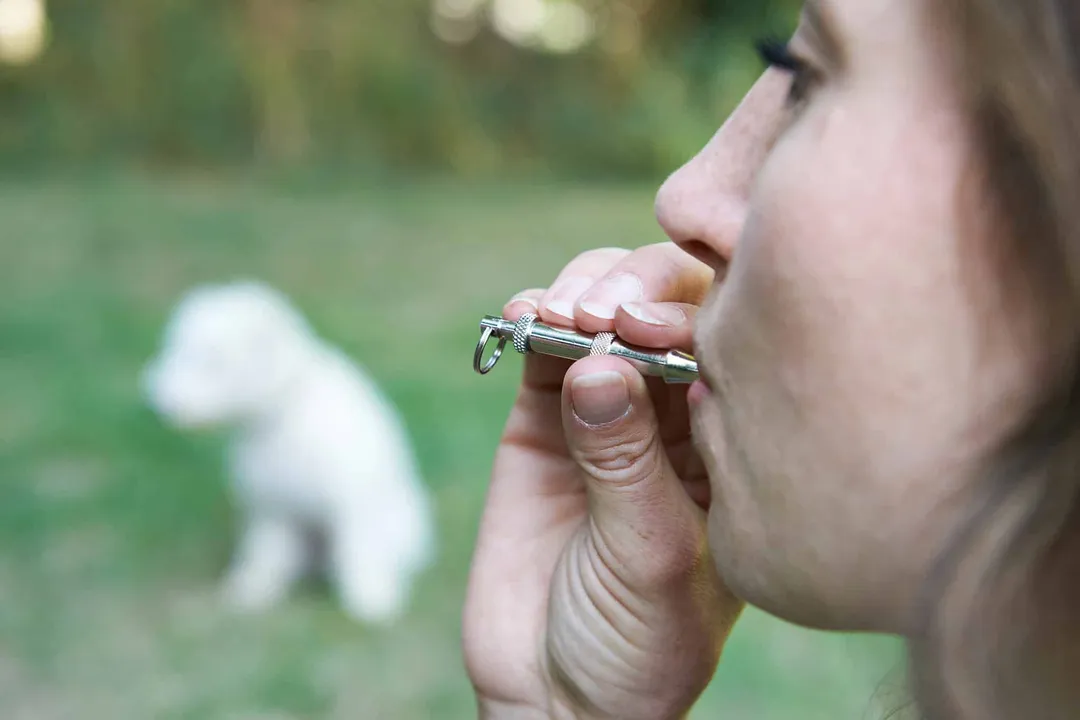
The Yorkie Bichon, a charming mix combining the Yorkshire Terrier and the Bichon Frise, ultimately shares the same fundamental scientific standing as every other recognized dog breed: they belong to the species Canis lupus familiaris. [1] Because this dog is a designer or hybrid breed, it does not possess a separate, unique scientific classification above the species level that distinguishes it from, say, a purebred Golden Retriever or a stray mutt. Their entire taxonomic journey places them firmly within the domestic canine lineage. [1][2]
# Canine Kingdom

To properly situate the Yorkie Bichon within the natural order, we must look at the standard biological classification framework. All dogs, regardless of their specific lineage or mixture, are classified within the Kingdom Animalia, meaning they are multicellular, eukaryotic organisms that consume organic matter and possess specialized sensory organs. [2] Moving down the hierarchy, they fall under the Phylum Chordata (possessing a spinal cord) and the Class Mammalia (warm-blooded, having hair or fur, and nursing their young). [2] The Order Carnivora encompasses mammals whose primary diet consists of meat, which includes dogs, cats, bears, and seals. [2]
This broad grouping establishes the shared biological foundation for both parent breeds and their resulting offspring. Both the Yorkshire Terrier and the Bichon Frise are simply variations within the highly adaptable species of the domestic dog. [2]
# Species Definition

The specific species designation, Canis lupus familiaris, recognizes the dog as a subspecies of the gray wolf, Canis lupus. [2] This relationship is crucial when considering any dog mix, as it speaks to their shared evolutionary history and capacity for interbreeding. While the Bichon Frise has a lineage that ties back to the Barbet water spaniel type, and the Yorkshire Terrier emerged from Scottish and English working terriers, their modern classification unites them under one species banner. [2][3]
Interestingly, the Canis genus is quite broad, but the domestication process has solidified the familiaris subspecies. When two dogs of distinct breeds mate, the offspring—like the Yorkie Bichon—inherit a recombination of genes from two distinct, albeit co-species, populations. [1] The scientific classification itself remains unchanged at the species level, unlike, for instance, when considering a cross between a dog and a coyote, which may or may not produce fertile offspring depending on the extent of genetic divergence, though both are within the Canis genus.
# Bichon Lineage Context

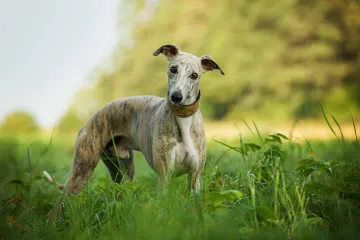
Delving into the background of one parent, the Bichon, illuminates some history that sits beneath the species level. The Bichon family of dogs, which includes the Bichon Frise, is believed to have ancient origins, potentially tracing back to the Mediterranean region. [3] While specific classification data isn't abundant in the provided sources for the precise genus or family beyond the general mammalian grouping, the Bichon Frise is recognized as a distinct breed group within the larger canine structure. [3] Sources confirm the Bichon Frise is a breed known for its small size and white, curly coat. [5][8] Their grouping often places them near other small companion dogs, but taxonomically, they are simply C. l. familiaris. [2]
It's useful to observe how purebreds are cataloged versus hybrids. Organizations like the American Kennel Club (AKC) deal with breed standards, which are human-created constructs for conformation and type, not scientific taxonomy. [9] When a Bichon Frise is registered, it is recognized by its established breed standard, but scientifically, it is just a dog. [9]
# Terrier Classification
The Yorkshire Terrier shares the same species designation. Terriers, as a group, were historically bred for hunting vermin, requiring tenacity and high energy levels. [7] The "Yorkie" itself is a product of 19th-century Northern England, developed from various small terriers brought by workers. [7] Despite their distinct historical function—one a water dog descendant, the other a working earth dog descendant—the genetic distance between them is not great enough to place them in different species, as they readily produce fertile, healthy mixed-breed offspring like the Yorkie Bichon. [1][7]
To illustrate the relative position, one can view the general accepted taxonomy for the Bichon Frise, which generally shows:
| Taxonomic Rank | Classification |
|---|---|
| Kingdom | Animalia |
| Phylum | Chordata |
| Class | Mammalia |
| Order | Carnivora |
| Family | Canidae |
| Genus | Canis |
| Species | C. lupus |
| Subspecies | C. l. familiaris |
This table applies equally to the Yorkshire Terrier and the resulting Yorkie Bichon mix. [2] The variation between the breeds lies in their genetic heritage within the familiaris subspecies, influencing traits like coat texture, size, and temperament, rather than their standing in the higher ranks of biological classification. [1]
# Hybrid Implications
For owners of a Yorkie Bichon, understanding this classification confirms that they own a single dog species, not a novel organism. This has practical implications, especially concerning veterinary care. Veterinarians treat the dog based on its species, but tailor advice based on the breed characteristics inherited from the parent lines. [6][7] For instance, small breeds like the Yorkshire Terrier are sometimes noted in medical literature regarding potential predisposition to certain issues, such as luxating patella, which could be inherited by the Yorkie Bichon mix. [7]
One area where the hybrid status is significant, even if the scientific classification remains constant, is in breed-specific health screening. Since the Yorkie Bichon is a cross, responsible breeding practices suggest screening for health concerns common to both parent breeds. A veterinarian looking at a Yorkie Bichon client, for example, might proactively consider risks associated with the Bichon Frise's predisposition to dental issues or bladder stones, while also keeping an eye out for the cardiac or tracheal concerns sometimes seen in Yorkshire Terriers. [6] This is a layer of expertise built upon the species classification, using breed history to inform care.
Another point to consider regarding mixed breeds is the concept of genetic variability. While purebreds are heavily inbred to fix desirable traits—which can unintentionally concentrate deleterious recessive genes—a first-generation (F1) cross like the Yorkie Bichon often benefits from hybrid vigor. This phenomenon suggests that the mixing of two distinct gene pools can sometimes result in offspring that are healthier or more robust than the average of their purebred parents, purely due to the increased heterozygosity at many gene loci. [1] This isn't a change in their scientific classification, but a direct consequence of their dual-parentage within the familiaris subspecies.
# Breed Recognition Versus Science
It is important to distinguish between scientific classification and recognition by kennel clubs. Kennel clubs like the AKC focus on defining standards for purebred animals for competition and preservation. [9] Since the Yorkie Bichon is a crossbreed, it is not recognized as a separate breed by major all-breed organizations. Their status is purely descriptive—a combination of two recognized breeds. This contrasts sharply with the Bichon Frise, which has a long, established history recognized by major kennel clubs globally. [3][8]
When reviewing records, one might find the Bichon Frise is often grouped with other small, white, powder-puff dogs originating in the Mediterranean. [3] The Yorkshire Terrier falls into the Terrier Group. The resulting Yorkie Bichon simply exists as a Canis lupus familiaris of mixed parentage, classified by breeders and owners based on the heritage of its parents rather than by a standardized scientific naming convention applied to hybrids. Understanding that the scientific name provides the baseline while breed standards provide the descriptive layer helps owners appreciate both the biological reality and the unique characteristics of their companion dog.
Related Questions
#Citations
Yorkie Bichon Dog Breed Complete Guide - A-Z Animals
Bichon Yorkie | Dog Breed Facts and Information - Wag!
Bichon - Wikipedia
Yorkie Bichon Dog Breed Health, Temperament, Training ... - PetGuide
Introduction to Bichon Breeds and Their Varieties - Facebook
Bichon Frisé - an overview | ScienceDirect Topics
American Kennel Club
Bichon Frise - Discover Animals
Bichon Yorkie Dog Breed: Characteristics and Care tips 2025