What does a Bichon Yorkie look like?
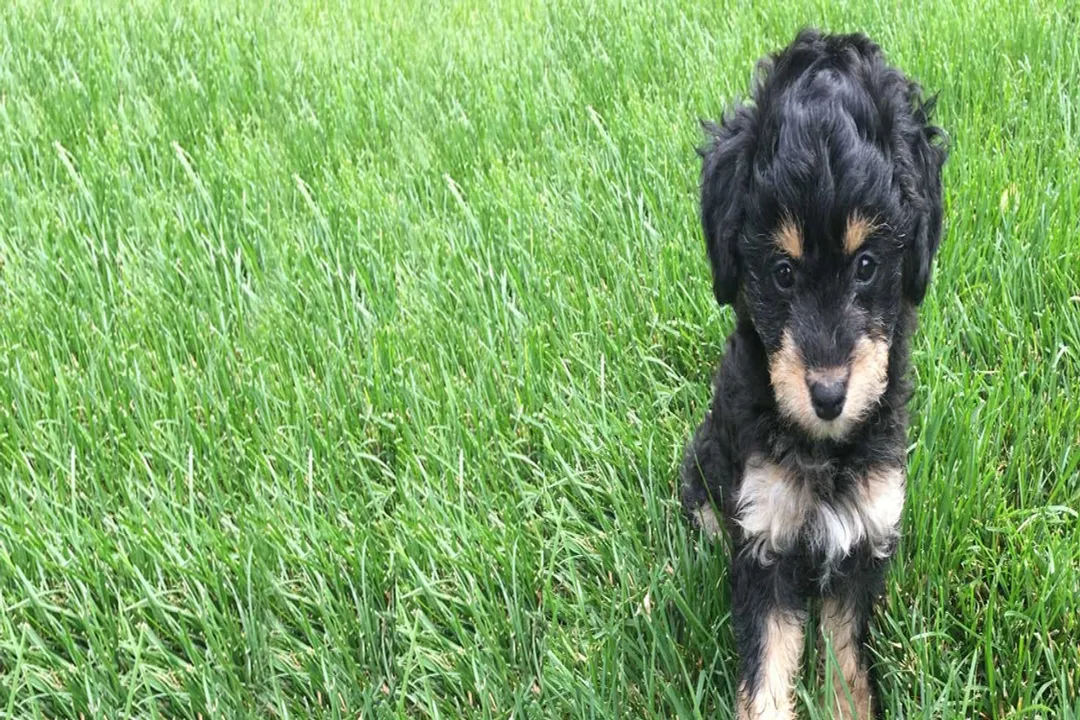
The Bichon Yorkie, sometimes affectionately known as the Yochon or Yorkie Chon, presents an exciting visual puzzle because, as a designer mix between the fluffy Bichon Frise and the spirited Yorkshire Terrier, no two individuals look exactly alike. The appearance is a direct reflection of which parent breed's dominant traits surface in the offspring. You might see a near-perfect miniature cloud of white, or you might observe a dog with the darker, silky coat texture typical of a purebred Yorkie, or perhaps a blend somewhere in between.
# Small Stature
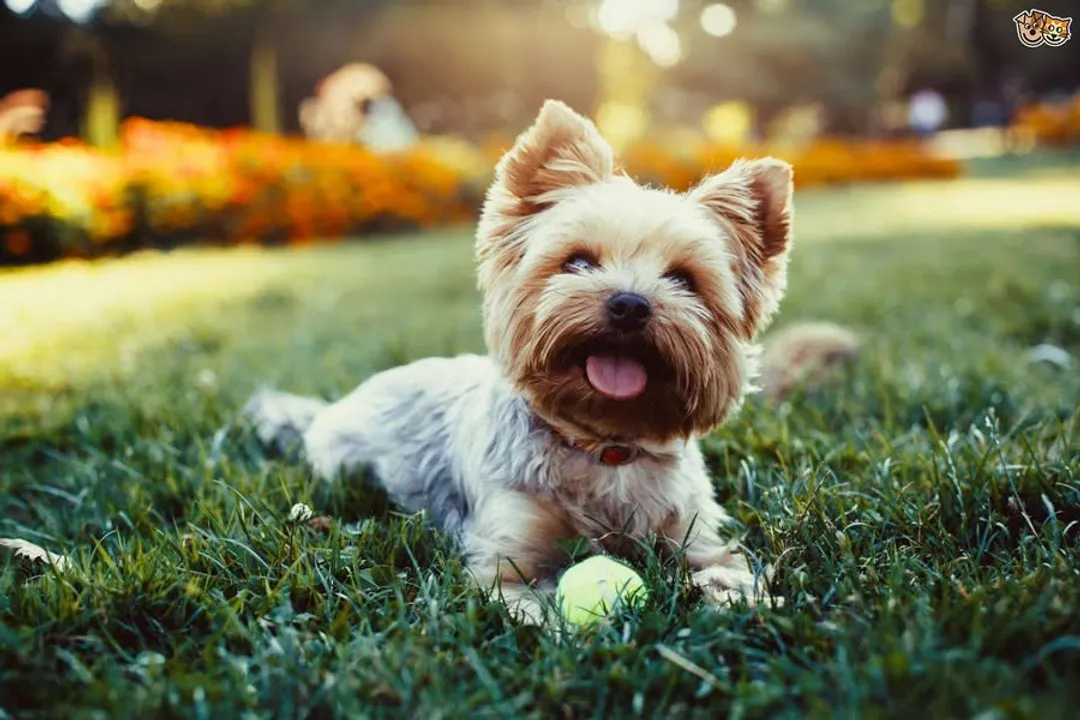
These dogs are definitively small companion animals, inheriting their diminutive size from both parent lines. While precise weight and height can vary depending on the parents' specific lineage and whether the mix leans more heavily toward one side or the other, they generally fall into the toy breed category. Most Bichon Yorkies weigh in the range of about 6 to 12 pounds, though some sources may cite slightly different parameters. This small stature makes them well-suited for apartment living or for owners seeking a lap-sized companion. When observing puppies in a litter, it can sometimes be tempting to look for the smallest one, but it is more important to note overall body balance; a healthy Bichon Yorkie will typically be sturdy and proportionate despite its size, rather than overly delicate.
# Coat Variability
The coat is perhaps the most variable and defining characteristic of the Bichon Yorkie, largely dictated by genetics. You are looking at a blend of two very different coat types. The Bichon Frise contributes the hallmark soft, powdery, sometimes curly coat, while the Yorkshire Terrier contributes a silky, fine, and straight coat.
The resulting coat can manifest in several ways. Some dogs inherit the dense curliness associated with the Bichon side, creating a soft, plush, cloud-like appearance. Others might present with the straight, flowing texture of the Yorkie, although this is often moderated by the influence of the other parent, resulting in a wavy rather than perfectly straight look. For prospective owners, understanding that this coat is often described as low-shedding or even hypoallergenic is common, but this is never a guarantee; the degree of curl directly impacts shedding, with curlier coats often trapping more dander. If you see a puppy whose coat already appears relatively dense and less silky than a Yorkie puppy's, you can reasonably expect higher grooming demands that lean toward the Bichon's needs for frequent brushing to prevent matting.
# Color Spectrum
The coloration of the Bichon Yorkie is another area where genetics create a wide spectrum of possibilities. The Bichon Frise is predominantly white, while the Yorkshire Terrier typically sports blue and tan markings. This parentage means the resulting mix can display a rich array of colors or combinations thereof.
Common colors observed include solid white or cream, which reflects a strong Bichon influence. However, many exhibit the black and tan, gold, or various shades of brown that come from the Yorkie side. It is quite common to see parti-colors, where white patches mix with black, gold, or tan areas. If you are purchasing a puppy, noting the colors present on the body versus the head can offer clues; often, the darker colors like black or brown may gradually fade or "clear" to lighter shades like silver or gold as the dog matures, a trait inherited from the Yorkie side.
# Facial Features
The head structure of the Bichon Yorkie generally favors a proportional and endearing appearance, often described as rounded or slightly domed, though less dramatically so than a purebred Bichon. The eyes are usually dark, round, and expressive, lending the dog an intelligent and alert look.
The placement and set of the ears offer significant variation. A Bichon Frise has dropped, hanging ears, whereas the Yorkshire Terrier has small, V-shaped ears that stand erect. This dichotomy means the Bichon Yorkie’s ears can take on several shapes: they might hang down like a Bichon, stand straight up like a Yorkie, or present as a semi-erect or "button" ear—where the tip flops over slightly. Often, the ears are held high and alert when the dog is engaged, regardless of their resting position. An interesting observation for new owners is that while ears may appear floppy in puppyhood, the cartilage can firm up, causing them to stand erect by six months or later if the Yorkie influence is strong enough; tracking this development is a fun part of owning this mix. The muzzle length tends to be moderate, neither overly shortened nor extremely long, sitting comfortably between the two parent breeds.

# Tail Carriage
The tail is another physical trait that lacks strict uniformity in this hybrid breed. A Bichon Frise typically has a tail that curves up over its back, while a Yorkie usually carries its tail straight up or slightly curved. Consequently, the Bichon Yorkie’s tail may be carried gaily over the back, or it might be held upright with a slight sickle curve, contributing to its overall lively expression. In some regions or by breeder preference, tails are docked, though this practice is becoming less common and is banned in many places.
# Comparing Coat Types: A Grooming Prediction
To truly understand what you are seeing, it helps to mentally compare the puppy against the expected spectrum, which directly impacts the time commitment required for maintenance.
| Coat Type Description | Primary Parent Influence | Texture Feel | Potential Grooming Frequency |
|---|---|---|---|
| Very Curly/Kinky | Strong Bichon | Soft, voluminous, cotton-like | Daily brushing essential |
| Wavy/Shaggy | Balanced Mix | Soft but slightly coarser | Brushing every few days |
| Silky/Straight | Strong Yorkie | Fine, smooth | Regular brushing to prevent tangles |
| Parti-Color Patches | Both | Variable based on patch color | Dependent on dominant texture |
When you see a Bichon Yorkie with a coat that looks like it has been trimmed into a teddy bear cut—rounded and fluffy—you are looking at a dog where the Bichon's non-shedding trait has significantly overshadowed the Yorkie's finer coat. Conversely, if the coat lies flatter and has more sheen, even if clipped short, the Yorkie genetics are clearly playing a larger role in the texture development. Knowing this initial presentation helps set realistic expectations for the dog's adult maintenance routine, even before the adult coat fully comes in.
Related Questions
#Citations
Bichon Yorkie | Dog Breed Facts and Information - Wag!
Bichon Yorkie Dog Breed Information and Pictures
Yorkie Bichon mix characteristics and care - Facebook
Yochon Puppies for sale
Bichon Frise/Yorkie Mix : r/bichonfrise - Reddit
Teacup Yorkie Chon Overview: All You Need to Know!
Photo Gallery: Beautiful Yorkie Chon Pictures | Premier Pups
Breed Spotlight: YorkieChon The YorkieChon is a delightful ...
Bichon Yorkie royalty-free images - Shutterstock