Wyandotte Chicken Facts
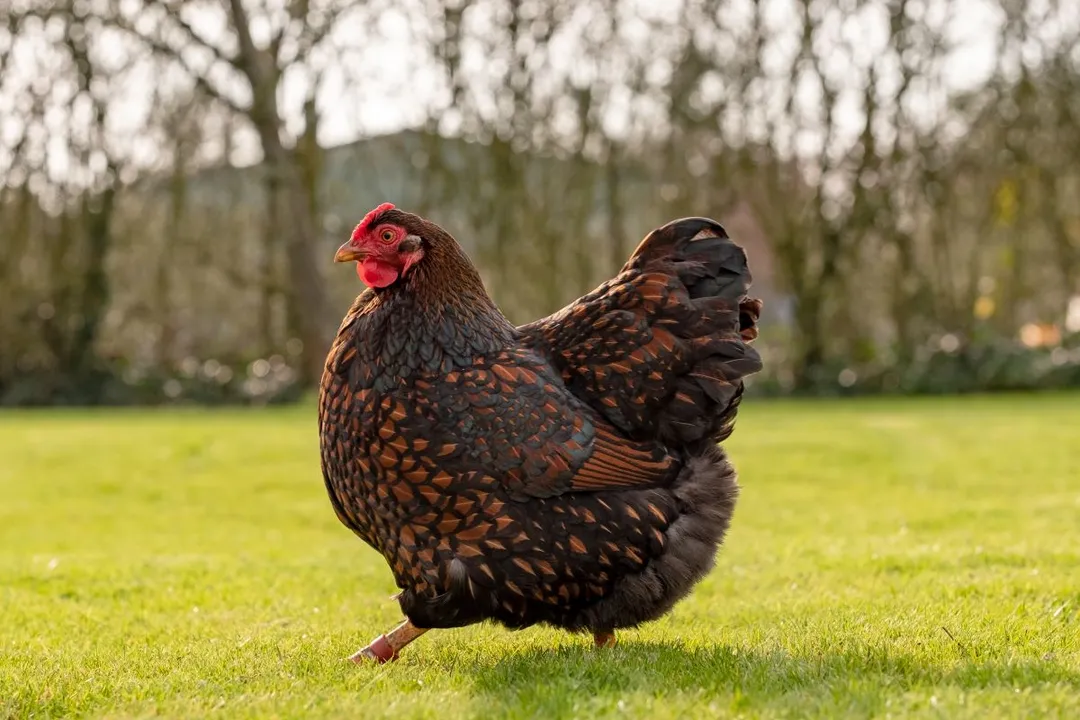
The Wyandotte chicken breed holds a special place in the backyard flock world, often being recommended for newcomers and seasoned keepers alike due to its striking appearance and dependable nature. These birds are instantly recognizable by their soft, rounded silhouettes and beautiful, intricate feather patterns, which often feature stunning lacing. [1][4][5] They are classified as American Class chickens, a testament to their development within the United States, though their appearance hints at the influence of Asiatic stock. [6]
# Breed History
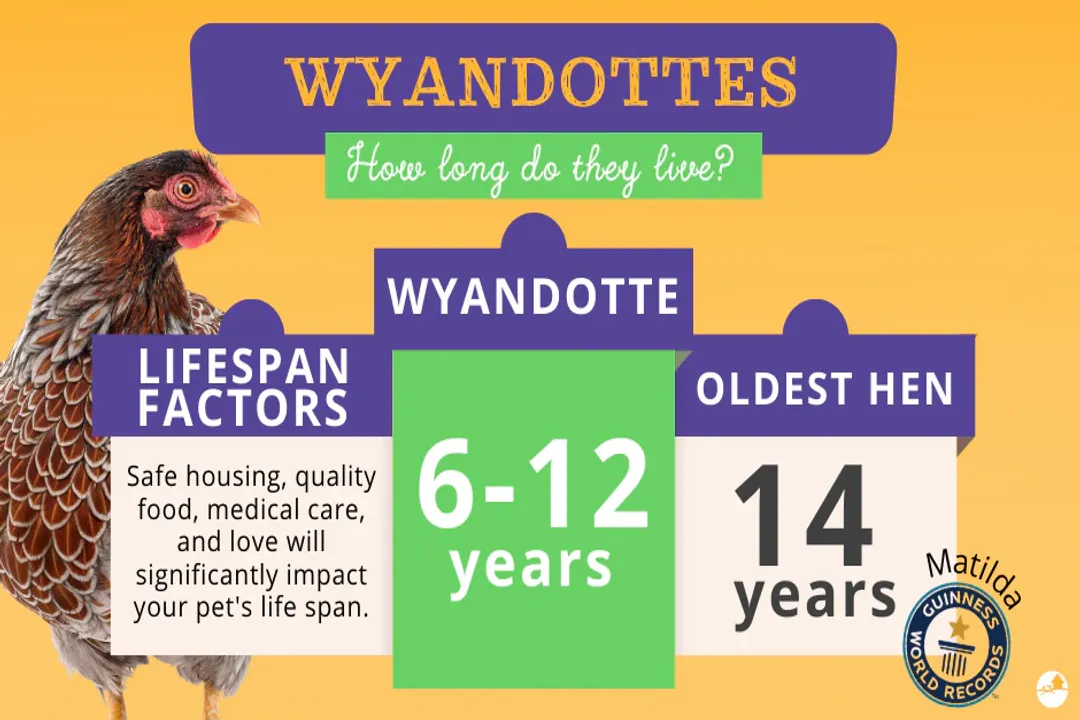
The story of the Wyandotte begins in the late 19th century, specifically around the 1870s and 1880s, in New York State. [6][1] The development aimed to create a handsome, hardy bird that would perform well in various conditions. [5][8] The breed's name is derived from the Wyandot tribe, though the lineage of the breed is generally attributed to crossing several established fowl, including the Cochin and the Brahma, alongside other utility birds. [6][1] This mixed ancestry likely contributed to their dual-purpose qualities and robust nature. [5] By 1888, the breed had earned recognition from the American Poultry Association (APA), solidifying its place in American poultry heritage. [6][1] Today, their numbers are strong enough that the Livestock Conservancy recognizes them as a Conservation Success breed, meaning they are not currently at risk of disappearing. [3]
# Physical Traits
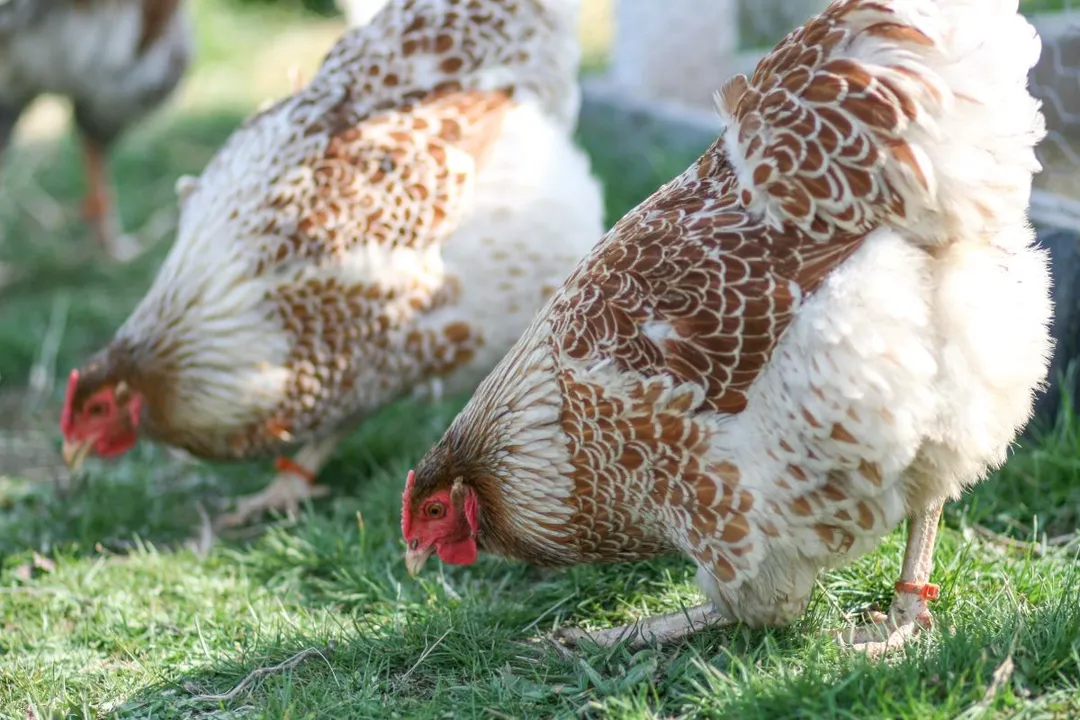
A mature Wyandotte possesses a distinctive, somewhat bulky or "cobby" body shape, giving them a soft, fluffy outline that sets them apart from leaner breeds. [1][4][5] They are medium to large fowl, with roosters typically weighing around 9.5 pounds and hens around 7.5 pounds, though weights can vary slightly depending on the specific variety. [6][1]
The head features are particularly important for breed identification. Wyandottes are characterized by a rose comb, which is low set, thick, and tightly fitted to the head, featuring small points or bumps on the top. [1][2][6] This comb type, paired with their heavy feathering, offers a significant advantage in colder regions. A single comb, like those found on Leghorns, presents a larger surface area exposed to freezing temperatures, making it far more prone to frostbite than the low-profile rose comb. [2] Furthermore, Wyandottes have relatively small, well-covered earlobes and bright, full eyes. [1] While they do have some feathering on their shanks and feet, it is generally less profuse than what you might find on a Cochin. [1][6]
# Feather Patterns
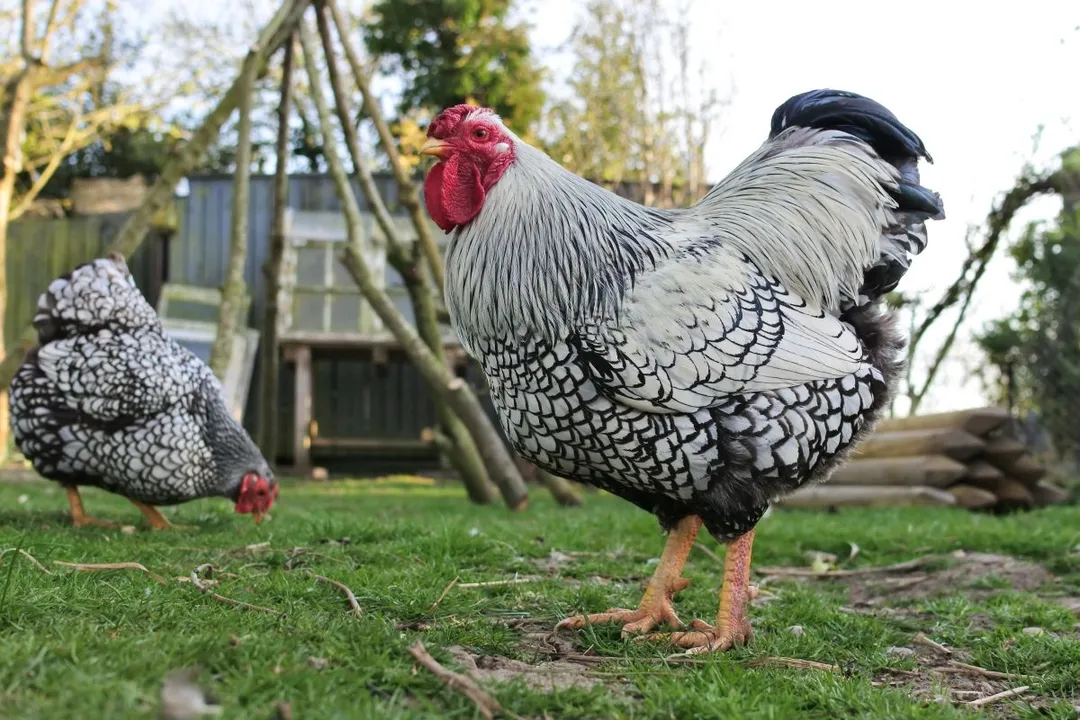
Perhaps the most celebrated aspect of the Wyandotte is the variety and beauty of their feather patterns, particularly the laced varieties. [1][4] Lacing refers to the distinct, contrasting border of color outlining each feather. [1]
The most iconic patterns include:
- Silver Laced: This features a bright, pure white feather background clearly outlined by a sharp, jet-black lacing. [1][5]
- Gold Laced: Very similar in structure to the Silver Laced, but the background feather color is a rich golden-buff, laced with black. [1][5]
Beyond these two main laced types, Wyandottes come in several other solid and patterned varieties recognized by breed standards:
It is important to note that maintaining true lacing, especially in exhibition stock, requires careful breeding, as variations or "mossy" patterns—where the lacing blurs or bleeds into the background—are common issues for breeders. [1]
# Temperament Profile
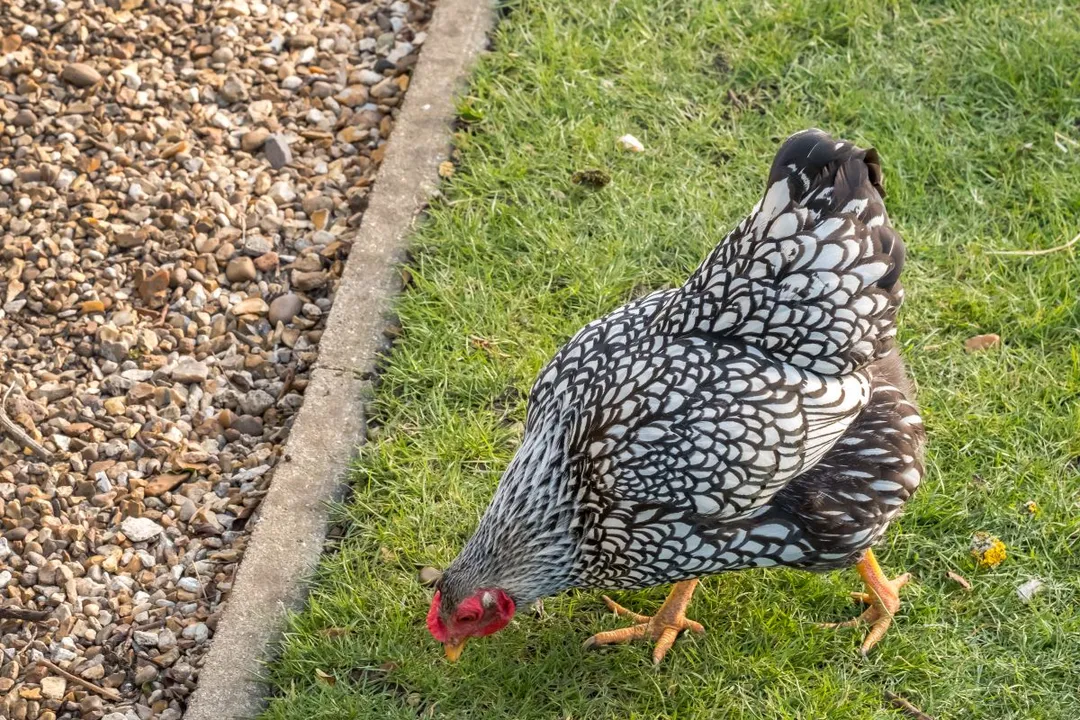
When discussing disposition, the Wyandotte consistently scores high marks as a people-friendly bird. [2][4][9] They are known for being exceptionally docile, calm, and generally quite friendly, making them excellent companions for families with children. [1][4][5] They are not known to be overly flighty or nervous; rather, they tend to be more reserved and self-possessed. [5] This calm demeanor makes them relatively easy to handle, and they often become quite tame when regularly interacted with. [2][9] While they are certainly active foragers and enjoy scratching around the yard, they are not generally prone to excessive exploration outside of secured areas. [5]
If you are looking to integrate chickens into a mixed-flock environment, their placid nature usually allows them to integrate well with other calm breeds, though any new additions require careful introduction regardless of the breed. [1]
# Laying Eggs
As a classic dual-purpose breed, the Wyandotte offers both respectable meat qualities and excellent egg production. [1][5][8] The hens are considered quite reliable layers, especially during the colder months when other breeds might slow down significantly. [1][6] A healthy hen can be expected to produce between 200 and 250 eggs annually. [1][2][6]
The eggs themselves are typically medium to large in size and generally have a tinted brown or cream shell color. [2][6] While they might not rival the sheer volume produced by dedicated egg breeds like Leghorns, the Wyandotte's combination of consistent laying and hardiness makes their eggs a valuable contribution to any homestead. [1] They do tend to go broody occasionally, which can be beneficial if you plan on hatching chicks naturally. [1]
# Climate Adaptation
The Wyandotte’s design makes it highly adaptable, particularly excelling in colder climates where other breeds might struggle. [2][5] The combination of the heavy, dense feathering and the non-prominent rose comb is key to their cold-weather performance. [1][6][8] The rose comb drastically reduces the risk of frostbite compared to the large, floppy single combs common on many Mediterranean breeds. [2]
However, this heavy feathering also means that proper management is required during the summer months. In regions experiencing high heat and humidity, ensuring ample ventilation in the coop is necessary to prevent overheating. [8] A common consideration for keepers in warm areas is that while their bird is hardy, providing shade and cool water is non-negotiable, perhaps even more so than for a lighter-framed breed. [1] If you are keeping Wyandottes where the winters are mild, their hardiness simply translates to a very low-maintenance bird regarding environmental stress.
# Comparison Matrix
Understanding how a breed fits into a flock often benefits from direct comparison. Given their popularity, it is useful to see the Wyandotte contrasted with another common American utility bird, the Rhode Island Red (RIR), focusing on structural differences that impact care:
| Feature | Wyandotte | Rhode Island Red | Keeper Implication |
|---|---|---|---|
| Comb Type | Rose Comb | Single Comb | Wyandottes are much more frostbite resistant. [2] |
| Body Shape | Rounded, Cobby | Brick-like, Rectangular | Wyandottes are often perceived as fluffier. [1][5] |
| Egg Color | Tinted Brown/Cream | Brown | Both are great layers, but egg color differs slightly. [6] |
| Temperament | Docile, Calm [2] | Active, Can be assertive [1] | Wyandottes are often better for absolute beginners. [4] |
This contrast highlights that while both are dual-purpose American staples, the Wyandotte offers a more cold-hardy structure due to its comb type. [2]
# Care Tips
Caring for Wyandottes is generally straightforward, fitting their reputation as a good beginner bird. [4] Since they are active foragers, giving them adequate space to roam outside the coop is ideal for their well-being and helps them supplement their diet naturally. [5] When housing them, while they are good flyers, they are not exceptionally athletic; standard 4-to-6-foot fencing is usually sufficient to keep them within the desired area. [5]
If you are raising several different varieties, understanding that the lighter-colored birds, like the Silver Laced, may show dirt more readily than the darker Partridge or Black varieties is a practical note for managing coop cleanliness aesthetics. [1] Additionally, while they are generally healthy, monitoring the feather density around their legs is important, particularly if you keep them in muddy or extremely wet conditions, as heavy leg feathering can sometimes trap moisture, necessitating routine checks for cleanliness and dryness. [1]
Finally, if you are breeding for the beautiful laced patterns, remember that the perfect lacing is often more delicate than it appears; avoid letting young pullets and cockerels free-range in thick, abrasive underbrush or heavy pine needle beds, as the delicate edges of the feathers can become frayed or broken before they fully mature, impacting the final visual quality of the adult plumage. [1]
#Videos
Wyandotte Chickens: Breed Profile, Facts and Care - YouTube
Related Questions
#Citations
Wyandottes: A Comprehensive Guide - Backyard Chicken Coops
Wyandotte Chicken Breed: The Ultimate Guide
Wyandotte Chicken - The Livestock Conservancy
Wyandotte Chickens: Breed Profile, Facts and Care - YouTube
Considering Wyandotte chickens? The 13 things you must know first
Wyandotte chicken - Wikipedia
Wyandotte Chickens - 23 Things you NEED to know! - chickenexperts
Wyandotte Chicken Breed Profile: A Handsome Homestead Favorite
A Guide to Wyandotte Chickens - Tennessee Farmers Cooperative
Wyandotte Chicken: Essential Facts and Care Tips