Yellowhammer Physical Characteristics
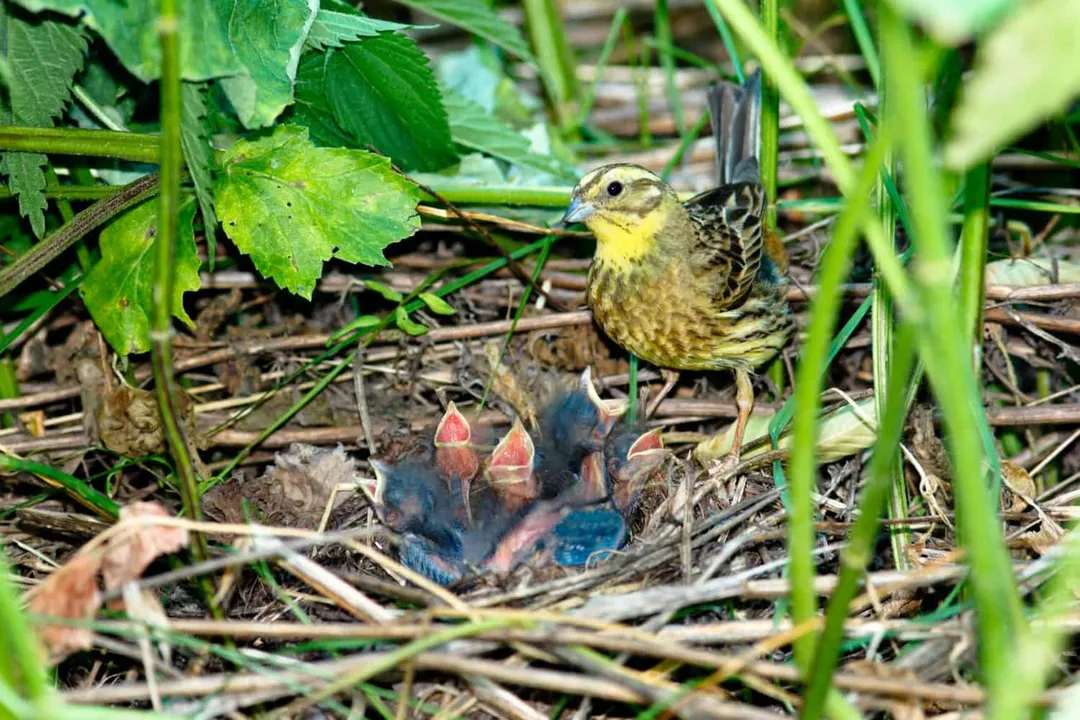
The Yellowhammer, or Emberiza citrinella, is instantly recognizable, especially the male during the breeding season, due to its startlingly bright yellow accents. [2][7] While superficially similar to other buntings or even a large finch, its specific combination of size, streaking, and pure colour makes it stand out against the drabber background of many farmland or open country birds. [6] Understanding the subtle differences between the sexes and the seasonal changes in their appearance is key to correctly identifying this charismatic species. [1]
# Size Stature
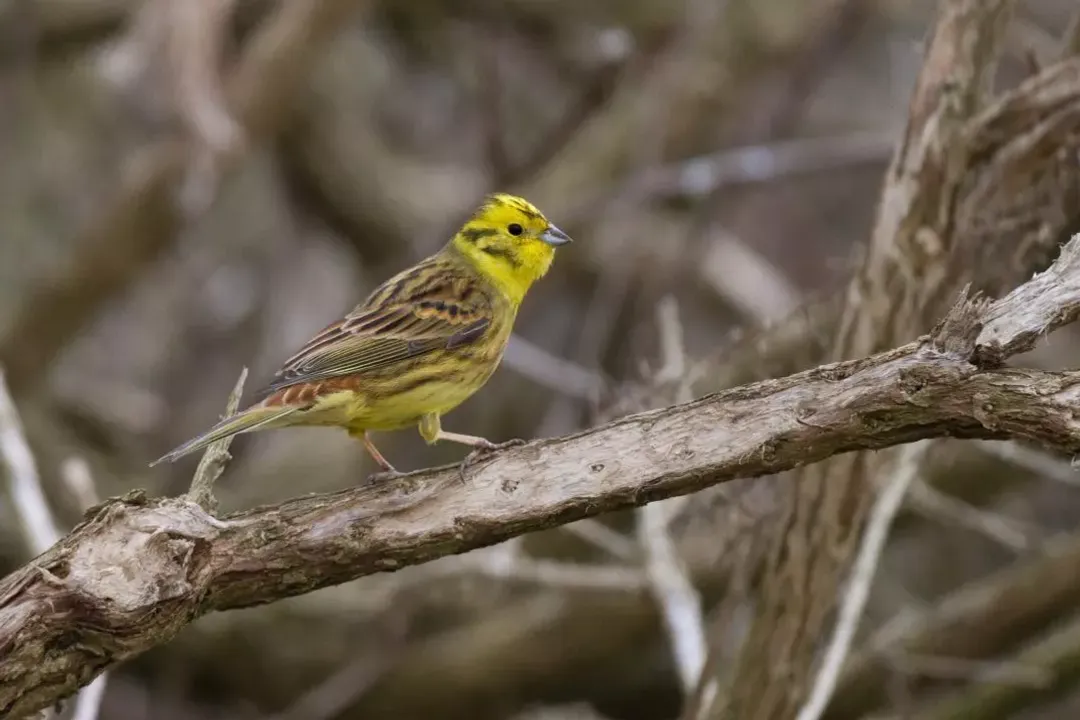
The Yellowhammer is generally considered a small passerine, often described as being sparrow-sized. [2][3] However, comparing it directly to the ubiquitous House Sparrow can sometimes be misleading, as the Yellowhammer tends to have a slightly longer tail, which can affect perceived body length. [9] Adult birds typically measure between 14 and 16 centimetres in length. [1][9] When you consider its mass, it is quite light, usually weighing in the range of 16 to 25 grams. [1][3][9] This weight class is fairly consistent across different sources reporting measurements for this species. [9] Its wingspan, which might be relevant when observing flight patterns, is usually noted as spanning from 20 to 23 centimetres. [9]
# Male Colours
The defining physical characteristic of the Yellowhammer is the vivid yellow wash seen on the male, particularly when in his breeding finery. [2][7] This brilliant coloration is concentrated on the head, breast, and rump. [1][6][7] The crown and back feature heavy, dark streaking, creating a strong contrast against the bright underside and yellow base feathers. [1][2] The intensity of this yellow can vary between individuals and populations, but it remains the bird's primary field mark during spring and summer. [7] In non-breeding plumage, the male’s colours become slightly muted, though the yellow tones generally persist more than in the female, becoming overlaid with buff or brownish washings that soften the brilliance. [1]
# Female Appearance
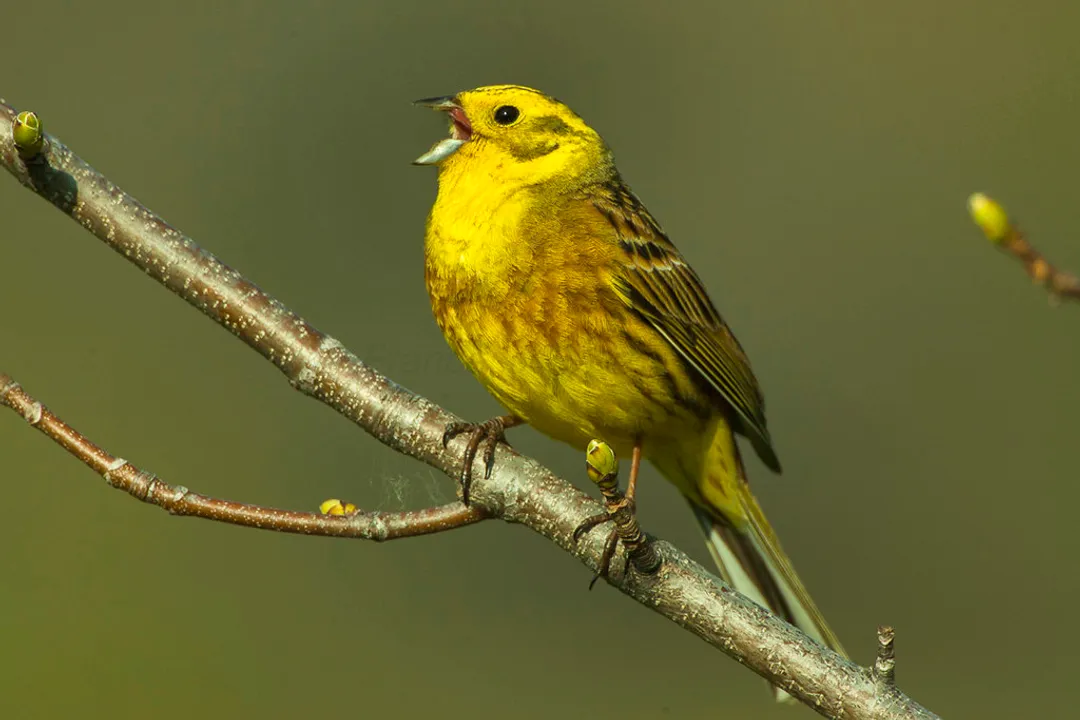
In stark contrast to the male's exuberance, the female Yellowhammer adopts a far more subdued palette. [1][6] Her overall appearance is dominated by brownish and buff tones. [7] While she shares the same general pattern of dark streaks across her back and crown, her breast and face lack the striking, pure yellow of her partner. [2] Instead, the female exhibits a duller, yellowish-buff wash, which blends much more effectively into scrub, grass, or arable land. [1] This marked sexual dimorphism—where the sexes look very different—is common among many seed-eating birds, suggesting a strong visual component in mate selection. [1][6] It is interesting to consider that this difference in visual signalling likely dictates differential habitat use during the nesting period; the bright male must choose exposed perches to advertise territory, while the female’s cryptic colouring provides superior camouflage against predators while incubating eggs on or near the ground. [2]
# Bill Tools
The bill structure of the Yellowhammer is highly specialized for its primary diet, which consists mainly of seeds. [1] It possesses a short, conical, and stout bill. [1][3][9] This shape provides the necessary mechanical strength for cracking the hard casings of grains and seeds found in agricultural areas and grasslands. [1] The bill colour is typically described as dark or greyish, sometimes with a paler lower mandible, though exact coloration can be influenced by diet and season. [9] This granivorous adaptation differentiates it clearly from insectivorous birds that possess finer, more pointed bills. [1]
# Feet Posture
The legs and feet are relatively strong, necessary for a bird that spends a considerable amount of time foraging on the ground, hopping or walking between feeding patches. [9] The legs are generally described as pinkish-brown or flesh-coloured. [1][9] These feet provide a secure grip on vegetation or the earth, enabling the bird to manipulate seeds or dig slightly when necessary. [9] When observing birds on a wire or fence post, the leg colour can sometimes be a useful secondary marker to confirm identification, especially when the bright yellow is obscured by shadows or distance. [6]
# Identification Nuances
While the male’s yellow plumage is often cited first, field identification can sometimes rely on features visible when the colours are not clear. A helpful field note, particularly in low light conditions like dawn or dusk when the Yellowhammer’s call is most prevalent, is to focus on its overall silhouette: a somewhat chunky bunting shape with a medium-length tail, which is often visibly pale or yellowish in flight due to the rump feathers, even when the body colour is muted. [9] Furthermore, the streaking pattern is consistent across both sexes, and while duller on the female, the heavily streaked back and flanks—compared to a plainer bird like a Chaffinch—remain a key feature even when the yellow tones are obscured by poor weather or non-breeding feather wear. [4] Observing the contrast between the dark streaking and the lighter, perhaps pale pinkish legs can add another layer of confirmation when the primary colour signal is ambiguous. [1]
Related Questions
#Citations
Yellowhammer - Facts, Diet, Habitat & Pictures on Animalia.bio
Yellowhammer Bird Facts | Emberiza Citrinella - RSPB
Yellowhammer Bird Facts - Emberiza citrinella - A-Z Animals
Yellowhammer - BTO
Yellowhammer Facts For Kids | AstroSafe Search - DIY.ORG
Yellowhammer - BirdWatch Ireland
Yellowhammer - Naturpark Ötztal
Yellowhammer - MammalWeb
Yellowhammer, Emberiza citrinella - Birds - NatureGate - LuontoPortti