Yellow Spotted Lizard Locations
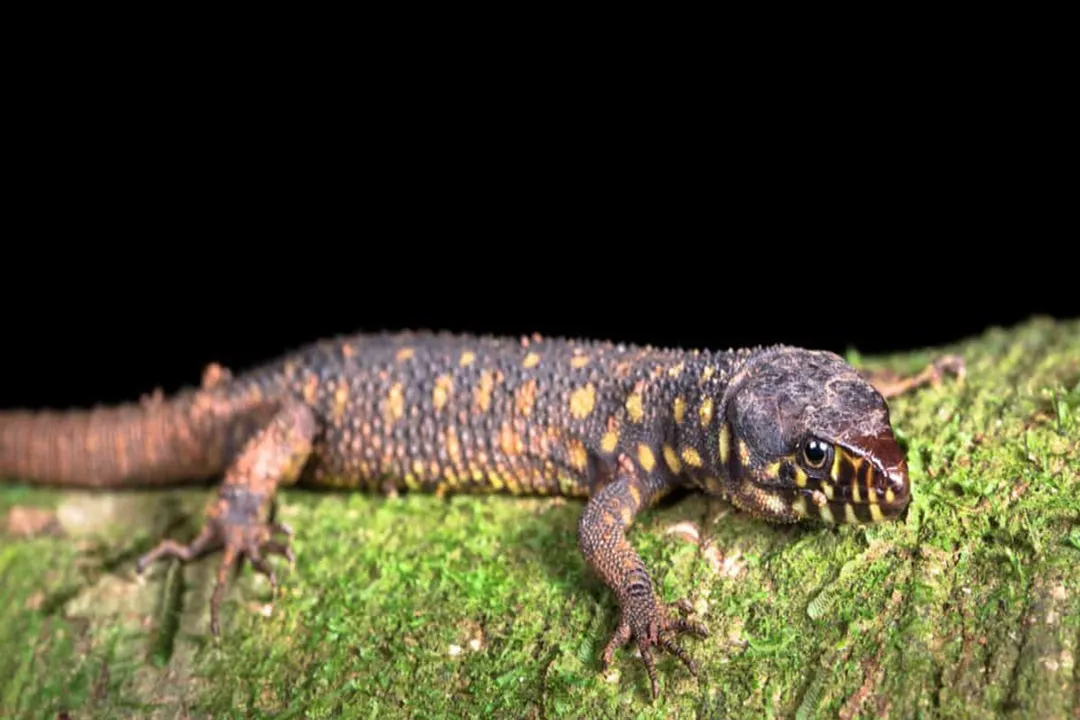
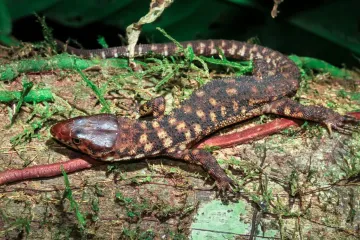
The search for the Yellow Spotted Lizard often begins in the realm of fiction, but tracking down the real-life Lepidophyma flavimaculatum requires looking toward the humid tropics rather than arid wastelands. This creature, frequently called the Yellow Spotted Night Lizard, is notoriously reclusive, which contributes to the mystery surrounding its exact distribution and population numbers. Because they are nocturnal and fiercely territorial, establishing a precise, broad map of their locations has proven difficult for researchers.
# Geographic Range
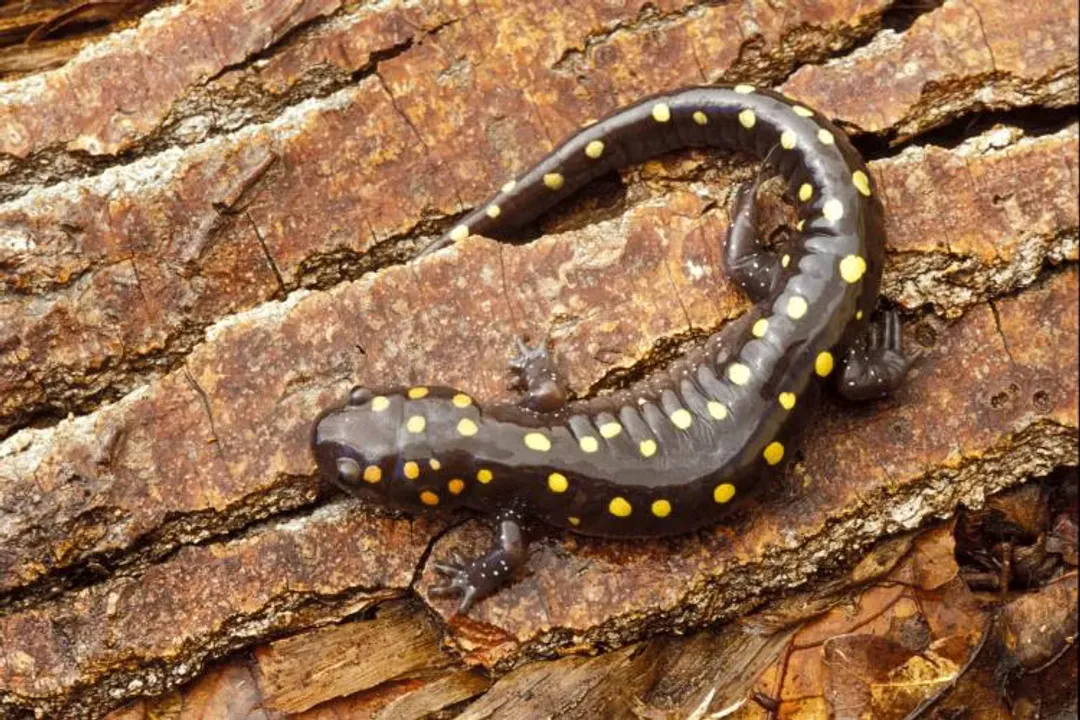
The established range for the Yellow Spotted Night Lizard is centered in the Americas, extending from Mexico south through Central America and as far as Panama. The scientific name Lepidophyma flavimaculatum itself distinguishes this species from other night lizards in the Xantusiidae family, many of which are confined to specific regions within North America, such as the Xantusia vigilis (Desert Night Lizard).
Within this broad swath of territory, specific sightings help narrow the focus. A documented observation near the Sierra Gorda in central Mexico placed the lizard in a montane forest setting at approximately 2,400 meters (around 7,900 feet) above sea level. In contrast, other sources mention its habitat within Central America generally, suggesting a presence that includes countries like Costa Rica, which is known to host populations of L. flavimaculatum. This suggests that while the species spans a significant north-south distance, its presence is dictated more by specific environmental conditions than by latitude alone.
# Habitat Specifics
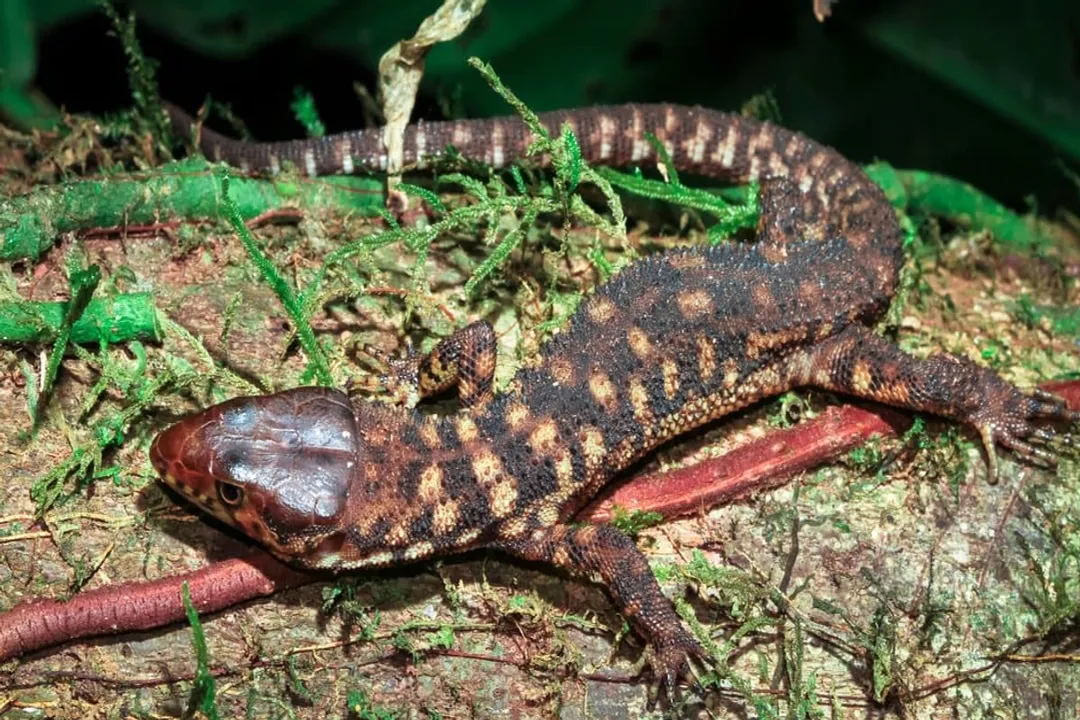
To locate this lizard is to understand its dedication to a very specific microhabitat. They are creatures of the night, emerging when temperatures are cooler and humidity is high to hunt insects like ants, termites, and spiders. During the day, or when resting, they remain hidden in warm, sheltered spots, which is why they are rarely seen.
Their preferred environment is tropical wet forest, but they can also be found in tropical dry forests. They are often found crawling along the ground, but they utilize tree trunks or the space underneath bark for shelter. The key element seems to be the availability of stable, moist cover near the forest floor—rotting logs and deep leaf litter are prime areas to investigate. A single burrow may sometimes house multiple individuals, suggesting that once a viable, protected spot is found, the lizards tend to stay close to home for their entire lives.
For anyone hoping to confirm a sighting, this strong fidelity to microhabitats provides a focused search strategy. A dedicated search is less about covering wide expanses of terrain and more about precise, time-sensitive investigation of specific, undisturbed ground structures within the known climatic zones of Central America and Mexico. Because they are so tied to these small areas, they are considered incredibly elusive, leading to the common misconception that they might be endangered, though the IUCN currently lists them as Least Concern.
# Fictional Context
A significant source of confusion regarding the Yellow Spotted Lizard’s location stems from popular culture, specifically the novel and subsequent film Holes. In the fictional setting of Camp Green Lake, the lizards are described as inhabiting an arid, dusty wasteland, and the book specifies they reside in Texas. The lore surrounding the fictional beast includes specific traits, such as having exactly 11 spots, a milky white tongue, and venom potent enough to cause a painful death with no known antivenom.
It is important for readers to recognize the distinction between this literary creation and the real Lepidophyma flavimaculatum. The actual animals used in the film adaptation to portray these venomous creatures were harmless, nonvenomous Bearded Dragons, and the production used fake lizards for action sequences. The fictional desert location in Texas is entirely separate from the natural, humid forest habitats of the actual lizard species in Mexico and Central America.
# Amphibian Mix-up
Adding another layer to the location ambiguity is the existence of another real animal with a similar name: the Spotted Salamander (Ambystoma maculatum). This species is a North American amphibian, quite distinct from the Mexican and Central American lizard, and its locations are well-documented across the eastern United States, including Virginia and Missouri.
The primary difference that immediately separates the two, and thus their potential locations, is their biological classification and life cycle. The Spotted Salamander is an amphibian that spends its juvenile stage in water, laying gelatinous egg masses underwater; they are also known to be fossorial, spending most of their adult lives underground in burrows. In Missouri, for example, they are found in damp hardwood forests near shallow ponds and are sometimes seen crossing roads on warm, rainy nights during late winter or early spring. Conversely, the Yellow Spotted Lizard is a reptile that gives birth to live young, a fact that separates it biologically and geographically from the egg-laying, water-dependent salamander. If you are seeking a lizard in a humid, high-altitude jungle, you are looking for L. flavimaculatum; if you are looking for a stout, burrowing amphibian active after spring rains in a North American woodland, you are looking for A. maculatum.
# Solitary Distribution
The true locations of Lepidophyma flavimaculatum are therefore restricted to the complex, warm, and damp ecosystems where specialized microhabitats are available. The reptile's behavior reinforces its sparse distribution; since they form these tight territories and rarely venture far to hunt, one would not expect to find them sparsely scattered across a general area. This tendency to live in isolated, self-contained "homes" means that finding one requires being in the right forest, at the right altitude, and observing the right time—after dark—to investigate the right shelters, like deeply situated logs or root systems. The overall picture of their location is not one of widespread colonization but of successful establishment in small, highly specific ecological niches from southern Mexico down to Panama.
Related Questions
#Citations
Yellow Spotted Lizard - Holes Wiki - Fandom
Yellow Spotted Lizard Facts & Photos - Wowzerful
Yellow-spotted Tropical Night Lizard - Project Noah
Spotted Salamander - Virginia Department of Wildlife Resources
Yellow Spotted Lizard - Lepidophyma flavimaculatum - A-Z Animals
Spotted Salamander - Missouri Department of Conservation