What does fire do in ball pythons?
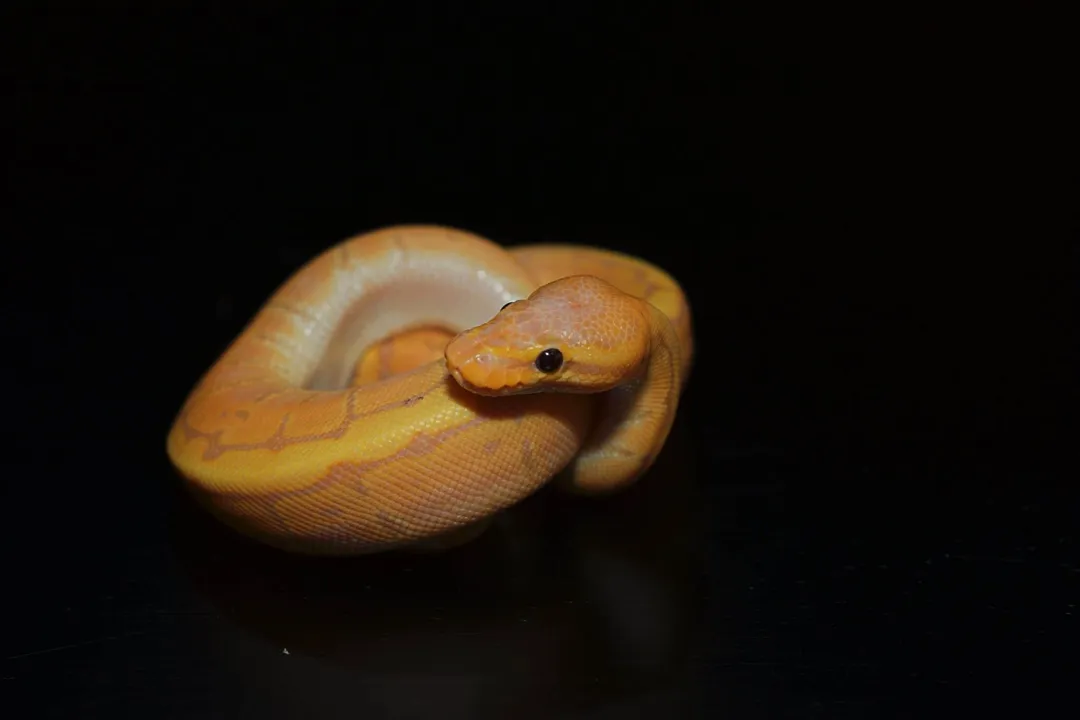
The Fire ball python morph represents a fascinating entry point into the world of co-dominant genetics in captive-bred snakes. This gene, which falls under the umbrella of incomplete dominance, alters the appearance of the snake by primarily affecting the dark pigments present in the base animal. [1] When you look at a snake labeled simply as "Fire," you are seeing the effect of having just one copy of this gene present in its DNA. [1]
# Visual Changes
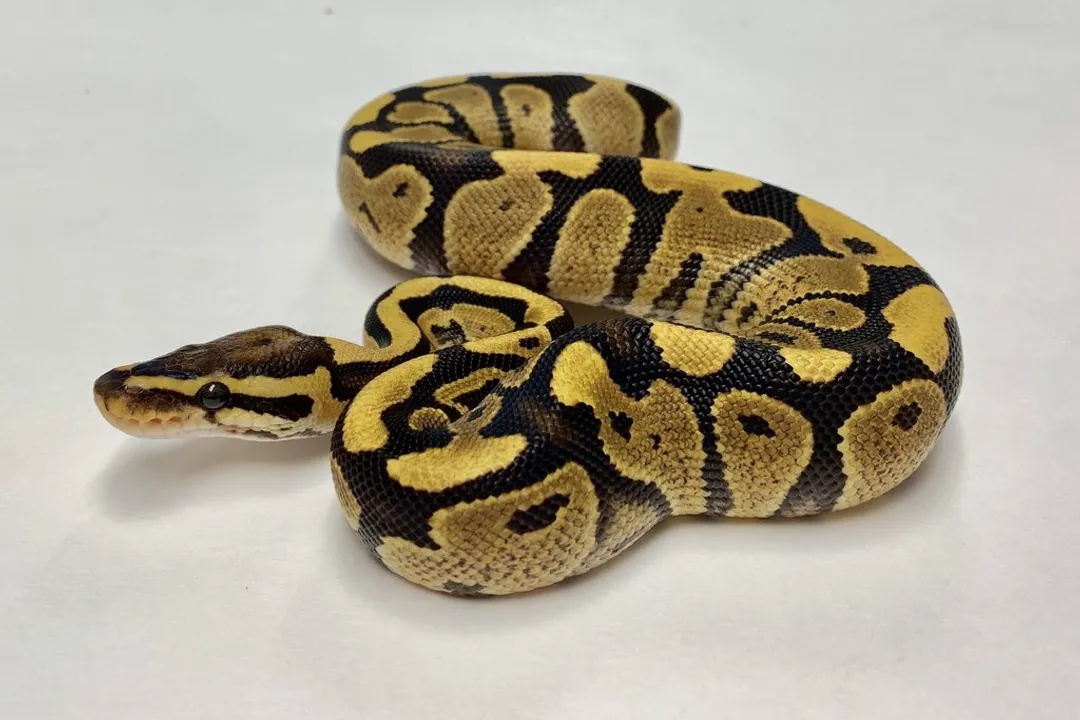
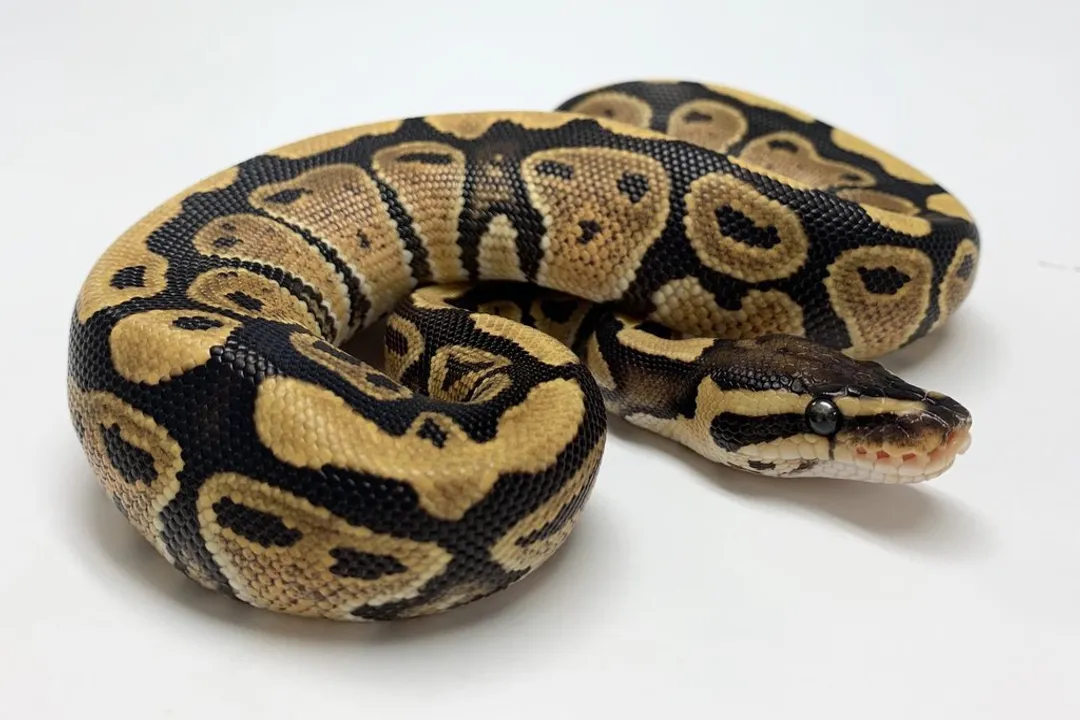
The most immediate and noticeable effect of the Fire gene is the overall lightening of the snake's coloration. [7] In a normal ball python, the dark browns and blacks are significantly brightened, often becoming lighter shades of brown, tan, or even yellow-orange, depending on the base animal it is combined with. [1] This reduction in dark pigment also has a significant impact on the pattern itself. The characteristic dark markings are often thinned out, becoming more broken, or in some cases, significantly reduced, leading to a cleaner overall look. [7] Breeders often note that the Fire gene tends to clean up the pattern, a desirable trait when working towards high-contrast snakes. [1]
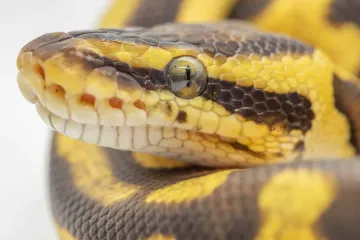
One frequently mentioned trait associated with the single-gene Fire is the belly coloration. While many ball pythons have dark, patterned bellies, the Fire gene often results in a distinctly white belly, providing a strong visual marker for the presence of the gene. [7] In terms of eye color, a snake expressing one copy of Fire usually retains dark, standard-looking eyes, though slight lightening may occur. [1]
# Super Status
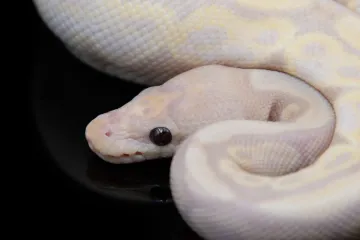
Since Fire is a co-dominant gene, it means that if a snake inherits two copies of the gene—one from each parent—it will express a visual change far more dramatic than the single-gene version; this is known as the Super Fire. [1] The visual distinction between a Fire and a Super Fire is quite stark, which is very useful for genetics tracking in breeding projects. Where the Fire often shows light browns and yellows, the Super Fire morph is dramatically reduced in color. These snakes are frequently described as being almost entirely white or a very pale cream or light yellow. [1]
The eye change in the Super Fire is another major identifier. While the single-gene Fire typically has dark eyes, Super Fires often display bright, striking blue eyes. [1] This blue-eyed trait is a highly sought-after feature in many visual morphs, making the Super Fire gene combination desirable for its intense, light appearance and unique eye color. [1]
# Genetic Behavior
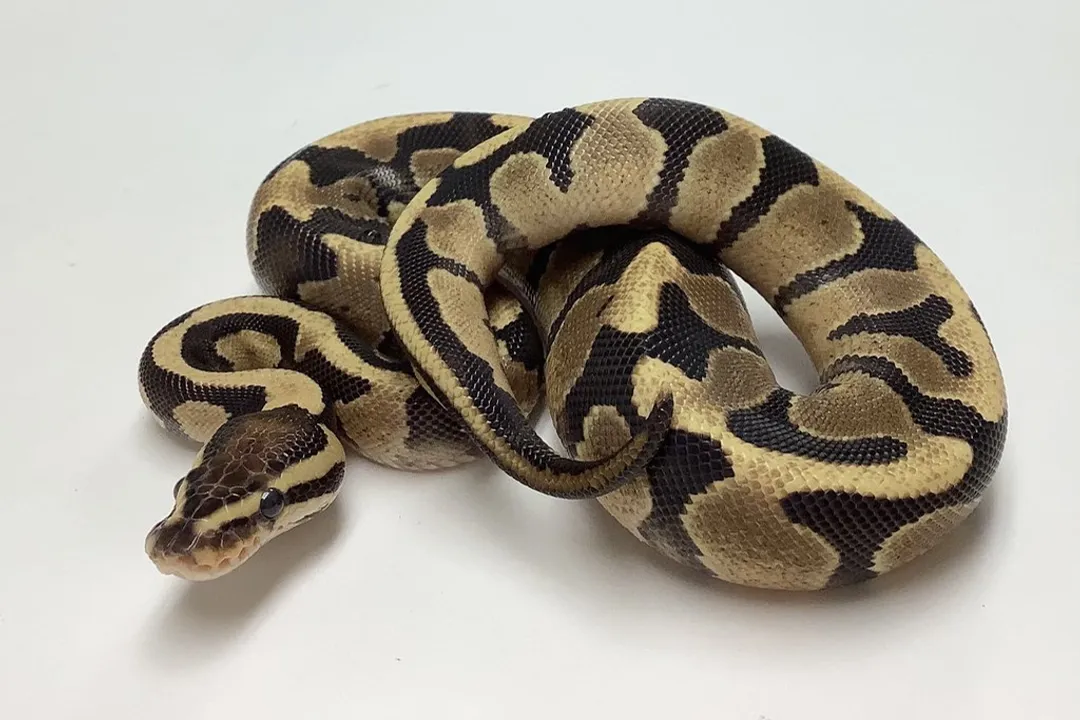
Understanding the genetics is key to working with Fire. As an incomplete dominant gene, it exhibits the classic inheritance pattern: one copy creates the Fire morph, two copies create the Super Fire, and inheriting zero copies results in a normal, non-affected ball python. [1]
It is helpful to compare this behavior to other incomplete dominant genes. For example, in some other genes, the visual difference between one copy and two copies might be subtle, requiring genetic testing or breeding history to confirm homozygosity. With the Fire gene, the difference between a Fire and a Super Fire is so significant—a light tan snake versus an almost white snake with blue eyes—that visual identification is usually straightforward. [1] This clarity makes the Fire gene an excellent tool for breeders tracking lineage, as you can easily confirm whether a snake is heterozygous (one copy) or homozygous (two copies) based on its appearance alone, assuming the base pattern isn't too complex. [1]
# Pattern Enhancement
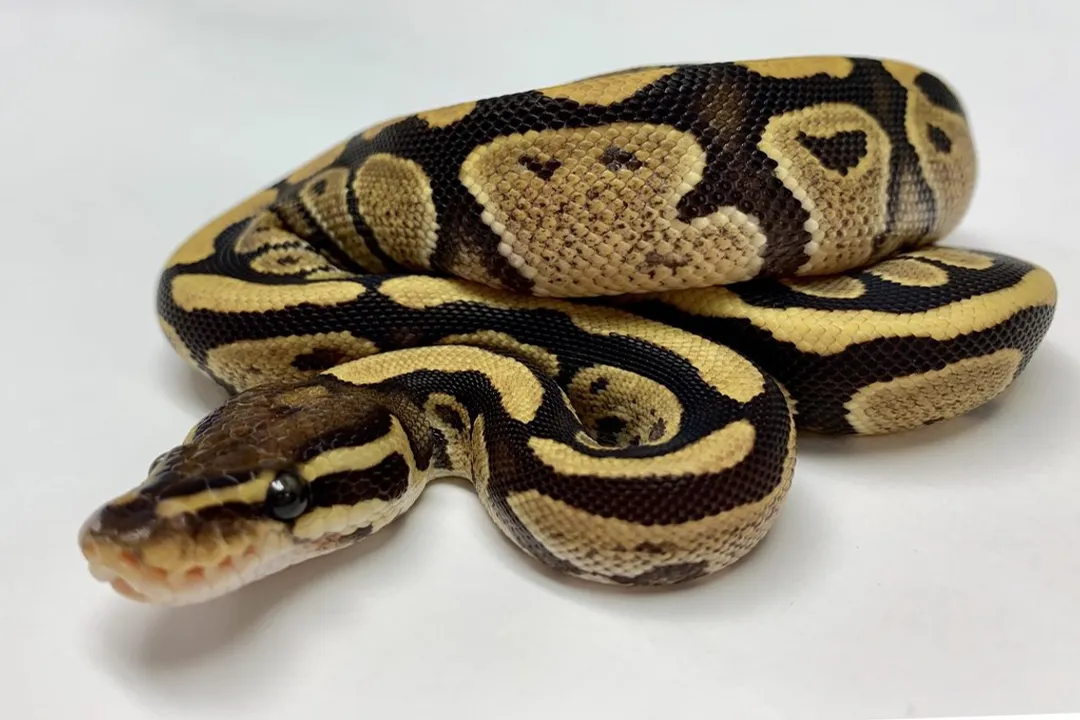
The Fire gene is not just about lightening; it interacts significantly with pattern-altering genes. It is frequently combined with other "designer" morphs to create amplified effects. [1] This gene is considered a foundational element in creating many popular complex morphs because of how it enhances brightness and contrast. [1][7]
For instance, when Fire is paired with genes that affect spotting or blushing, the result can be striking. The reduction of dark pigment by Fire can cause other color expressions to pop forward. When combined with genes that also reduce dark pigment, like certain blizzard type genes (though this terminology varies across the hobby), the pattern reduction can become extreme. [1]
A notable example of its use in combinations is the Fire Spider. [6] In this pairing, the Fire gene works with the Spider gene to create a snake with a highly modified pattern and intensified color. The Spider morph inherently alters the pattern, often making it look "pinched" or "streaky," and the Fire gene brightens the overall palette while cleaning up some of the residual dark pigment that might otherwise remain in the pattern elements. [6] Viewing examples like "Honey the Fire Spider" shows how the Fire component contributes to a brighter, cleaner yellow/orange base color compared to a Spider alone. [6]
If you are aiming to create a snake where the base color is the star, understanding how Fire interacts with known color enhancers is useful. For example, when Fire is combined with genes like Pastel or Lesser, the yellow tones become significantly more saturated. Where a Pastel might show a medium yellow, a Pastel Fire often displays a richer, deeper gold or orange, courtesy of the Fire gene pushing the dark pigment back. [1]
# Practical Breeding Considerations
When a breeder is working with a Fire ball python, especially when creating new combinations, it's important to remember that the Super form is only produced by breeding two Fire-carrying snakes together (Fire x Fire, or Fire x Super Fire). [1] If you breed a Fire to a normal, the expected offspring are a 50/50 split between Fire and normal. [1] If you breed a Fire to a Super Fire, you expect 50% Fire and 50% Super Fire offspring. [1] Understanding these odds is fundamental to projecting outcomes for new visual morphs. [1]
One area that new keepers and breeders often overlook when acquiring a Fire morph is its potential effect on the animal's overall visual appeal as it matures. While juvenile Fire ball pythons are often brilliant, that intense color can sometimes darken slightly as they age, though generally less so than some other genes. However, because the Fire gene actively works to reduce black pigment, it is often less prone to "dirtying up" over time compared to morphs that rely more on increasing yellow pigment without simultaneously suppressing black. [1]
It's also worth noting the frequent mention of Fire in community discussions and sales listings, suggesting it is a relatively common and well-established gene within the hobby, often serving as a baseline for creating more visually complex projects. [4][5][9] Seeing numerous examples shared on social platforms, such as images of Fire combos on Facebook groups, reinforces its popularity and reliability as a genetic building block. [4][9]
# Combining Genes
The Fire gene shines brightest when used in multi-gene snakes. [1] It is a core component in several "super-designer" morphs. For instance, a combination like Firefly (Fire Pastel) shows amplified yellow and pattern reduction. [1] Similarly, when combined with genes in the Blue Eyed Leucistic complex (like Mojave or Lesser), the Fire gene further pushes the snake towards white, often resulting in an almost entirely white animal with vibrant blue eyes, building upon the foundation set by the Blue Eyed Leucistic gene itself. [1]
If one were to hypothesize about the value added by Fire in a complex snake, it acts as a strong base brightener. Consider a snake carrying genes for pattern mutation and genes for yellow enhancement. The Fire gene steps in to suppress the competing dark pigment that would otherwise muddy the yellow, allowing the lighter base color to appear purer and brighter. [7] This dual action—lightening the darks and promoting the brightness of the lights—is what gives Fire its consistent utility across many different genetic lines. [1]
When observing high-end morphs, especially those aiming for high contrast or pure white backgrounds, you will often find Fire listed, whether it's in a complex Spider variation or a high-end grouping like a Fire Clown. [1] The gene’s predictable co-dominant nature ensures that a breeder can confidently select which offspring will carry the trait forward, which is a distinct advantage over recessive genes where trait expression is hidden until two carriers are bred. [1]
The visual evidence across various platforms confirms this versatility. Whether it is a basic Fire morph or a complex combination like the Fire Spider, the gene consistently delivers a noticeable brightening effect and pattern manipulation. [6] This reliable performance is why it has remained a staple in ball python breeding programs for years. [1] The presence of this gene, even as a single copy, offers a distinct visual upgrade that is easy for both seasoned keepers and newcomers to appreciate. [7]
#Videos
The ball python FIRE gene! - YouTube
Olympus Reptiles Episode #24 Fire Ball Python - YouTube
Fire Ball Python - YouTube
Related Questions
#Citations
Fire - Ball Python Traits - Morphpedia
The ball python FIRE gene! - YouTube
Fire ball python morph information - Facebook
Fire Ball Python - A-Z Animals
This is Honey the fire spider! : r/ballpython - Reddit
Fire Ball Python Description and Photos - Northwest Reptiles