What are the facts about black bass?
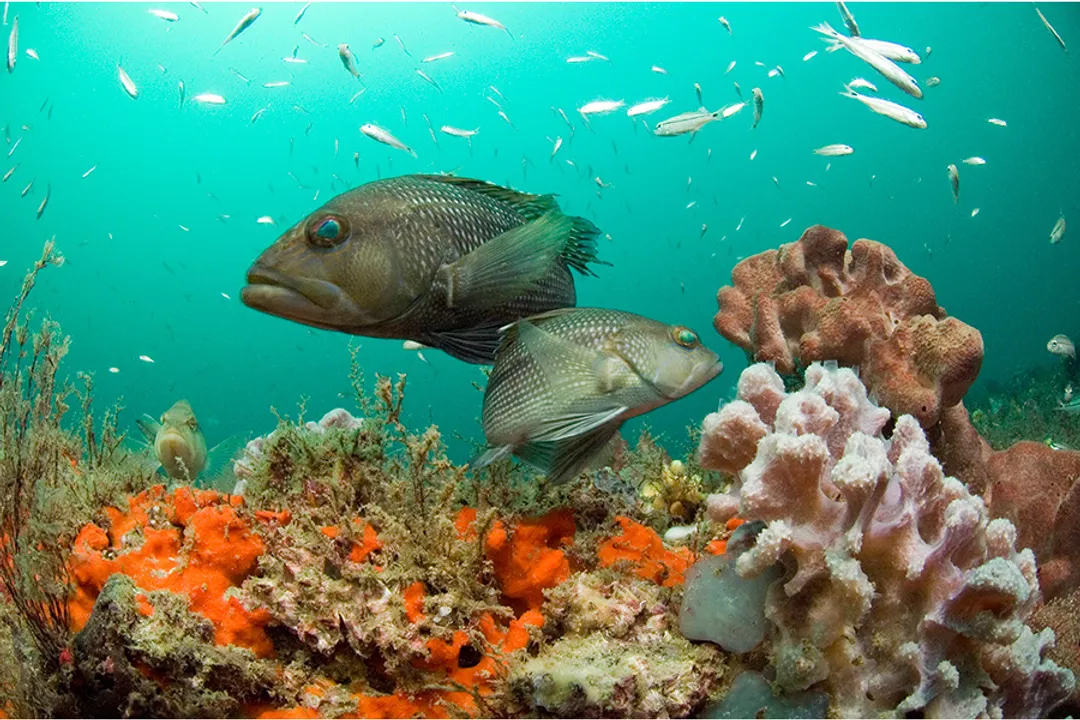
The term "black bass" often conjures images of powerful freshwater fighters, yet its definition can be surprisingly broad, sometimes referring to entirely different families of fish depending on geography and context. In the realm of popular angling, black bass almost exclusively refers to members of the genus Micropterus, a group belonging to the sunfish family, Centrarchidae. These freshwater game fish are native to North America. However, on the Atlantic coast, the name might be applied to the Black Sea Bass, Centropristis striata, a completely different species belonging to the sea bass family, Serranidae. For the purpose of truly understanding the facts surrounding this popular group, we must focus primarily on the freshwater Micropterus species while acknowledging this key marine counterpart.
# Genus Definition
The genus Micropterus encompasses many species, though the exact count can fluctuate based on taxonomic revision and ongoing scientific study. Historically, there were fewer recognized species, but modern research has identified a greater diversity within the group. For instance, some sources might list around ten recognized species, while others focus only on the most commonly recognized members like the Largemouth Bass, Smallmouth Bass, and Spotted Bass. These fish are recognized by their deep bodies and a dorsal fin that is deeply notched, nearly appearing as two separate fins. The genus name itself, Micropterus, translates from Greek, meaning "small fin," which references the small size of the spinous portion of their dorsal fin relative to the soft-rayed portion.
# Freshwater Group
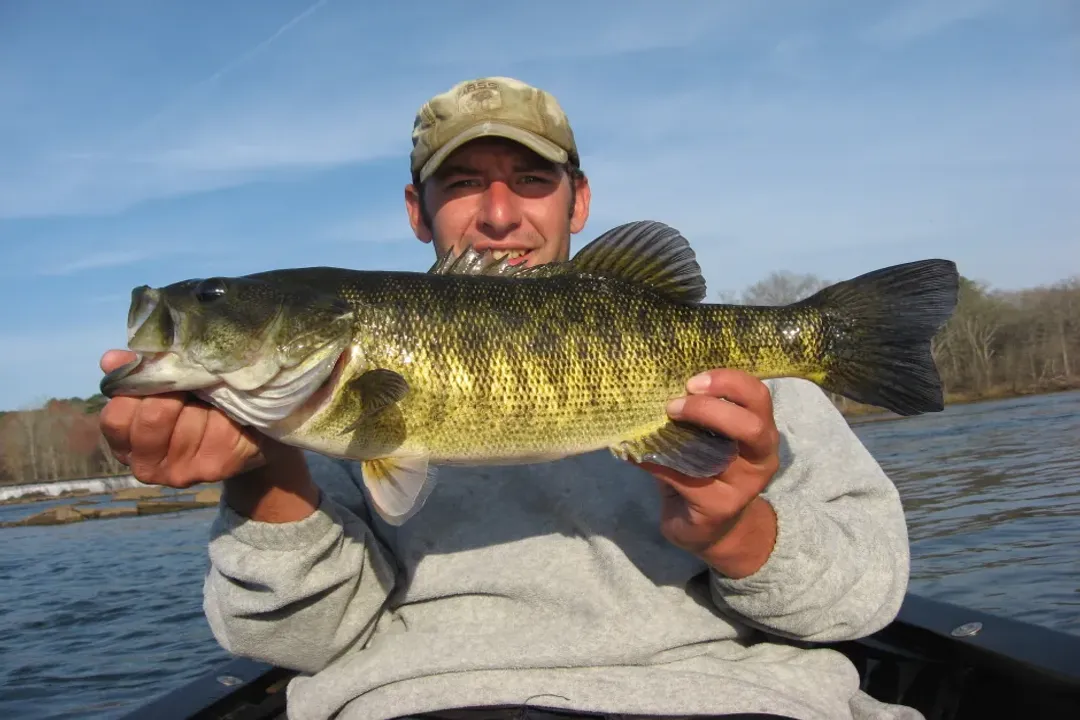
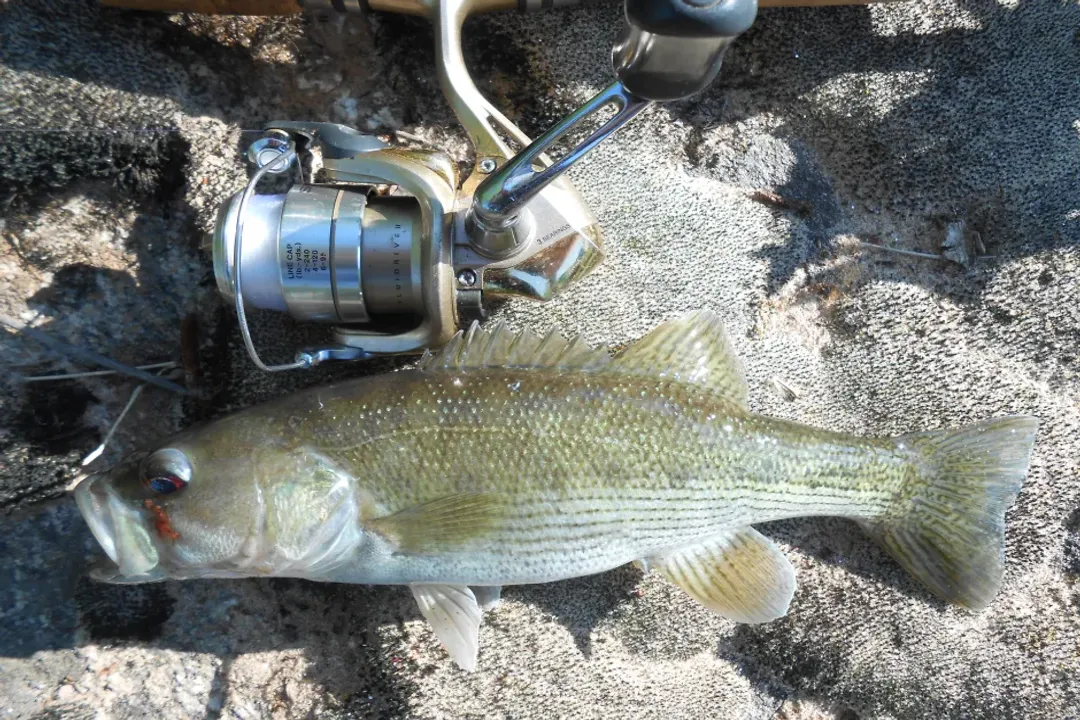
The undisputed champions of the freshwater black bass group are the Largemouth Bass (Micropterus salmoides), the Smallmouth Bass (M. dolomieu), and the Spotted Bass (M. punctulatus). The Largemouth Bass, perhaps the most famous of all freshwater sport fish in North America, is easily identified by a jaw that extends noticeably past the rear edge of its eye. This physical trait is a defining characteristic that sets it apart from its close relatives. In contrast, the Smallmouth Bass has a jawline that typically ends beneath the center of the eye. Spotted Bass, as their name suggests, are characterized by a row of dark spots or a lateral line of spots running along their side.
The natural range for the freshwater black bass species is extensive, generally covering much of the eastern and central United States. While the Largemouth Bass has been successfully introduced widely across the globe due to its popularity as a game fish, its native range generally centers around the Mississippi River basin and the Great Lakes region. Different species show distinct habitat preferences within this range. For example, Largemouth Bass generally favor warmer, slower-moving waters, often associated with heavy vegetation, while Smallmouth Bass thrive in cooler, clearer waters with rocky bottoms and swifter currents.
When observing a lake or river, it’s often easy to default to assuming any dark-colored bass is a Largemouth, but a closer look reveals ecological context. For instance, if you are fishing in a deep, clear reservoir with a rocky, gravelly bottom, you are far more likely to encounter a Smallmouth or Spotted Bass, as the warmer, turbid waters preferred by the Largemouth are absent there. This environmental segregation is key to their survival and helps anglers target specific species successfully.

# Sea Bass Split
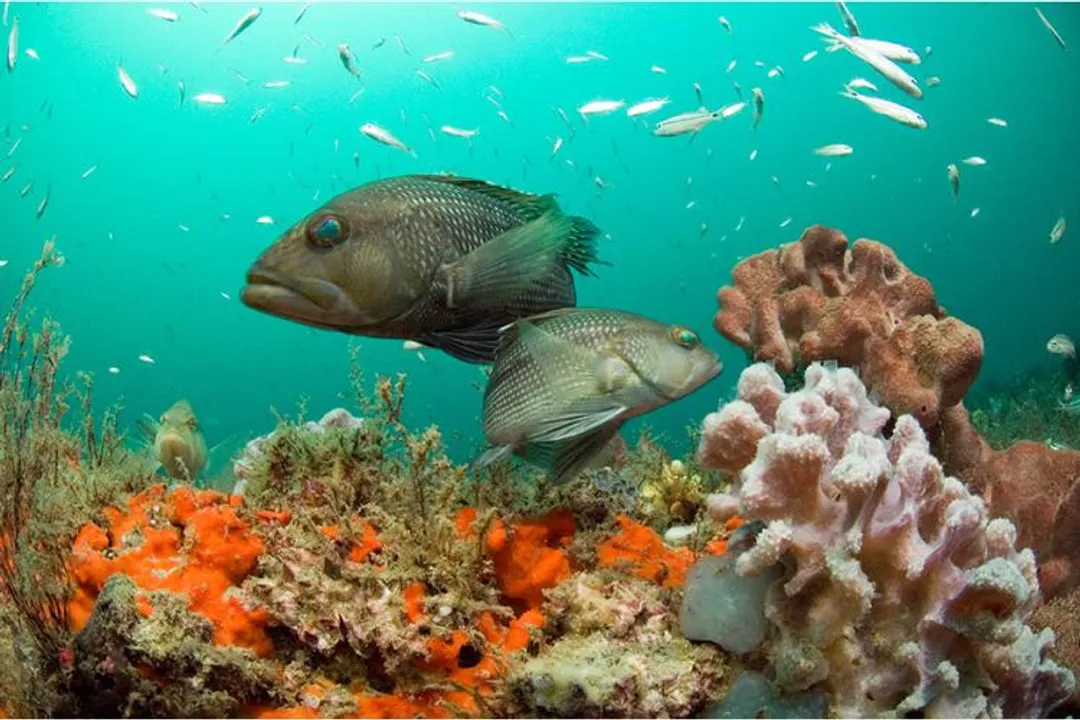
It is vital to separate the freshwater Micropterus bass from the marine Black Sea Bass found along the Atlantic coast of North America. The Black Sea Bass, Centropristis striata, is a completely different creature, biologically speaking. It belongs to the Serranidae family, which also includes groupers. Unlike the freshwater bass which rely on nests guarded by the male, the Black Sea Bass is an ocean dweller whose behaviors and life cycle are adapted to saltwater environments. While both fish are popular with anglers—one in lakes and rivers, the other in the ocean—they are not genetically related beyond being bony fish.
# Ecology Facts
Black bass, particularly the freshwater species, are formidable predators. Their diet is varied and changes as they grow from small fry to mature adults. Younger bass, or juveniles, primarily consume small invertebrates like zooplankton and insects. As they mature, their diet shifts dramatically toward a carnivorous regime, heavily featuring smaller fish, crayfish, frogs, and even small rodents or birds that happen to fall into the water.
The largemouth bass in particular is known for its opportunistic feeding habits, possessing a very large mouth that allows it to consume prey nearly half its own body size. This aggressive predatory nature is one of the main reasons for their popularity among sport fishermen.
In terms of physical attributes, Largemouth Bass typically exhibit a dark green to olive coloration on their backs, fading to lighter sides and a white belly. They can also display a characteristic horizontal dark stripe running from the gill cover to the tail, though this stripe can be irregular or broken up. A mature Largemouth Bass can reach lengths well over 20 inches and weigh significant amounts, though size is highly dependent on local conditions, food availability, and genetics. In Texas, for example, biologists track large specimens, recognizing that the potential for world-record size exists where conditions allow for optimal growth.
# Growth Patterns
The growth rate of black bass is highly variable, making any generalization about size difficult without local context. Several factors influence how quickly a bass will mature and how large it can potentially become, including water temperature, food availability, and population density. Warmer water temperatures generally translate to faster metabolism and quicker growth, up to a point.
Reproduction in Micropterus species typically occurs in the spring or early summer when water temperatures warm sufficiently, often between 60°F and 70°F. The male bass is responsible for building a nest, usually a shallow depression scraped into gravel or sand substrate, and then aggressively guarding the eggs until they hatch and the fry disperse. Parental care by the male is a critical survival mechanism for the young bass. The lifespan can vary, but in ideal conditions, some individuals might live for a decade or more, though many do not reach this age due to environmental pressures or predation.
To visualize the differences in how various species are managed, consider the fact that local agencies often track species-specific data. For example, Florida's freshwater fisheries management distinguishes between the purebred Florida strain of Largemouth Bass, which exhibits faster growth and larger maximum sizes, and the Northern strain. This subspecies difference highlights that "black bass" is not a monolith, even within the M. salmoides designation. Understanding which strain is prevalent in a body of water dictates management goals and angler expectations.
# Management Focus
The economic and recreational importance of black bass means that their populations are often heavily monitored and managed, particularly in states where angling tourism is significant. Management strategies often revolve around maintaining healthy age and size structures within the population. This can involve setting specific size limits, such as slot limits, which allow anglers to harvest smaller fish or very large "trophy" fish while requiring the release of bass within a certain middle size range. The goal of slot limits is usually to remove average-sized fish that might be competing for food with the larger, more desirable trophies, thereby promoting better growth for the remaining population.
When considering the overall health of a black bass fishery, one must look at more than just the fish itself. Water quality plays a significant role. For instance, high nutrient runoff can cause algae blooms that decrease dissolved oxygen levels, stressing or killing bass, especially in warmer months. A key takeaway for anyone interested in the longevity of these fisheries is that habitat conservation extends beyond just protecting the fish; it means protecting the quality of the water column and the structural complexity of the bottom. Furthermore, understanding the specific regulations for Micropterus in a given state is essential, as rules regarding catch limits and size restrictions are constantly being adjusted based on local electrofishing surveys and harvest data. Knowing whether you are fishing for the robust Largemouth or the fighting Smallmouth also informs your tackle choice, as their feeding habits sometimes require slightly different presentations—a subtle difference many seasoned anglers rely upon when casting their lures.
Related Questions
#Citations
Black Bass Fish Facts - A-Z Animals
Micropterus - Wikipedia
Micropterus salmoides (American black bass) - Animal Diversity Web
Black bass Facts for Kids
Black bass | Freshwater, Gamefish, Predator - Britannica
Black Bass: How many species are there? - The Fisheries Blog
Black Sea Bass - NOAA Fisheries
Largemouth Bass (Micropterus salmoides) - Texas Parks and Wildlife
Black Bass - FWC