Yarara Scientific Classification
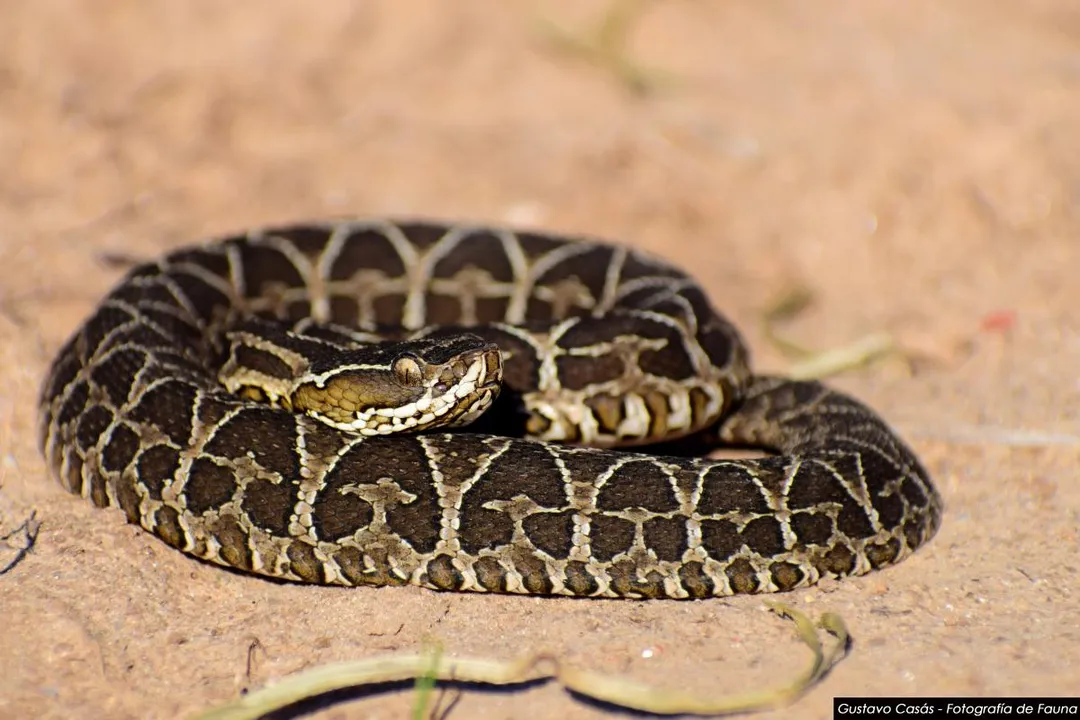
The name "Yarara" carries significant weight in South American herpetology, often referring to several species of highly venomous pit vipers native to the region. [2][3] To properly understand any creature whose bite demands respect—as these snakes are responsible for numerous envenomations—we must move past common names and delve into its formal, universally recognized scientific classification. This Linnaean system reveals not just a name, but a precise placement within the tree of life, dictating its evolutionary history, morphology, and biological relatives. [9]
# Taxonomic Ranks
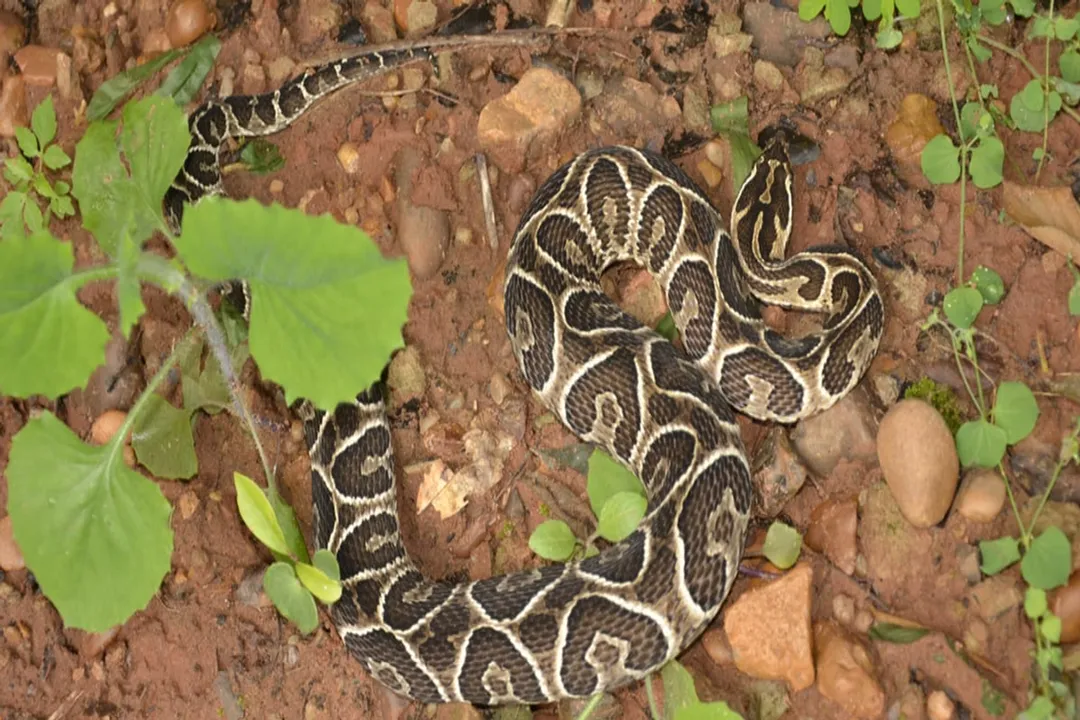
The scientific classification begins at the broadest possible level and narrows down to the unique species designation. Like all complex life forms, the Yarara group begins in the Kingdom Animalia, identifying it as a multicellular, heterotrophic organism. [9] Moving down the hierarchy, it belongs to the Phylum Chordata, meaning it possesses a notochord at some stage of its development. [9]
The next significant grouping is the Class Reptilia. This places the Yarara among the cold-blooded vertebrates characterized by having scales or scutes, differentiating them from amphibians or mammals. [9] Following this, the Order Squamata is assigned. This order is vast, encompassing all lizards and snakes, which are characterized by having movable quadrate bones in their skulls. [9]
The classification then sharply pivots toward snakes, arriving at the Family Viperidae. This places the Yarara firmly within the vipers, a group renowned globally for possessing long, hinged fangs used to inject complex venom. [3][9] Within the Viperidae, they are specifically known as pit vipers due to the presence of a loreal pit—a heat-sensing organ located between the eye and the nostril. [2] While many groups within Viperidae share venomous capabilities, knowing the specific family is vital; for instance, this placement immediately separates them from elapids like cobras, which have fixed fangs. [3] This morphological distinction, tied directly to their classification within Viperidae, is a critical feature for field identification and understanding their predatory style. [2]
# Genus Bothrops
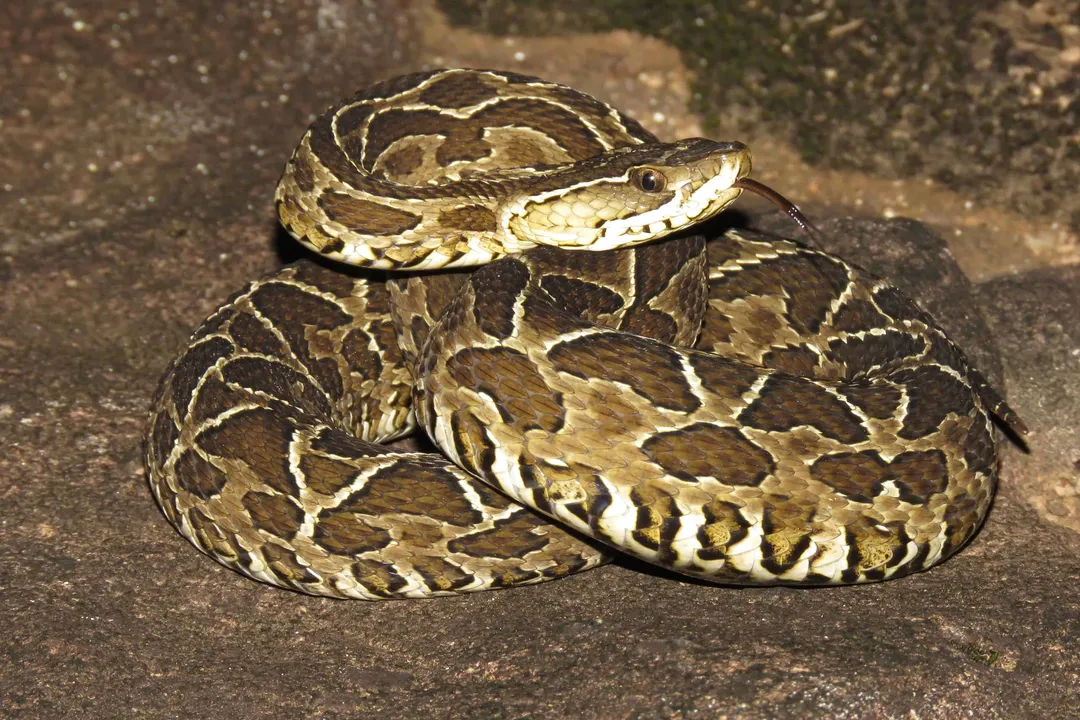
The genus level is where the Yarara group truly begins to take specific shape. The primary genus associated with the common name Yarara is Bothrops. [7] This genus contains numerous medically significant species across Central and South America. [1]
The genus Bothrops is part of the Crotalinae subfamily, which are the pit vipers, reinforcing the knowledge that any snake identified as Bothrops will possess those characteristic heat-sensing pits. [3] The reliability of this genus designation is paramount because regional identification using common names can be messy. For example, in South America, various venomous snakes might be referred to colloquially as Yarara, Jararaca, or Urutu depending on the local dialect and specific region. [2][3] The adoption of the binomial nomenclature—the two-part scientific name—becomes indispensable here. If one hears "Yarara," it could refer to several Bothrops species, but specifying Bothrops alternatus or Bothrops jararaca removes all ambiguity for medical professionals, researchers, and conservationists. [1][7] It is fascinating to consider that several common names overlap, yet the scientific classification provides a single, unique address for each distinct evolutionary lineage within this dangerous group. [7]
# Species Identification
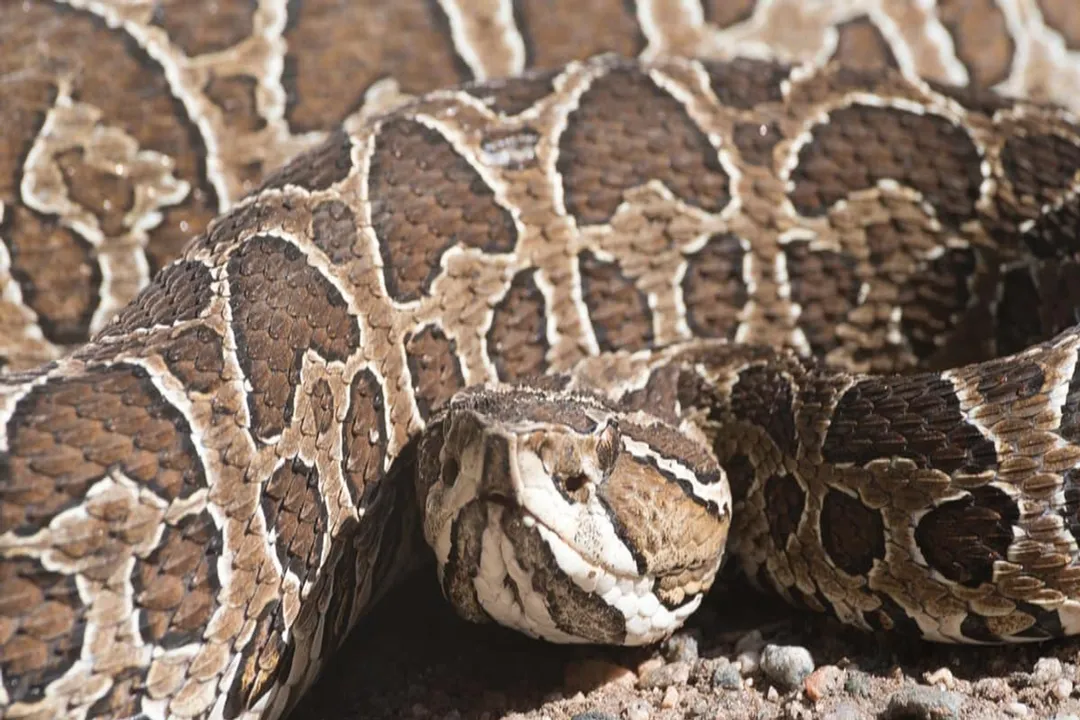
Within the Bothrops genus, several species commonly inherit the Yarara moniker. Two frequently cited examples, differentiated by their specific classification, are Bothrops alternatus and Bothrops jararaca. [1][7]
Bothrops alternatus
This species is often known by the common names Jararacussu or Urutu. [1][6] Its identification often relies on its distinct visual characteristics. For instance, key distinguishing markings typically include a dark, diamond-shaped pattern that runs along its body, often alternating with lighter, zigzag patterns, which helps in field identification against other Bothrops species. [1][6]
Bothrops jararaca
This snake is directly referred to as the Jararaca. [7] While sharing the same genus and high toxicity with its relatives, its specific patterning and geographical range differ slightly, leading to its separate species designation.
When observing the classification data, it's important to note that sources often group B. alternatus under a general description of Yarara snakes, sometimes implying a broader application of the term. [3] However, the specific taxonomy confirms that B. alternatus (Urutu) and B. jararaca are distinct species under the same genus, which is a nuance critical for understanding regional venom profiles and ecological niches. A researcher tracking distribution would need to differentiate between a sighting of B. alternatus versus B. jararaca because while both are dangerous, their population genetics and localized behaviors might vary considerably. [1][7]
# Comparative Taxonomy
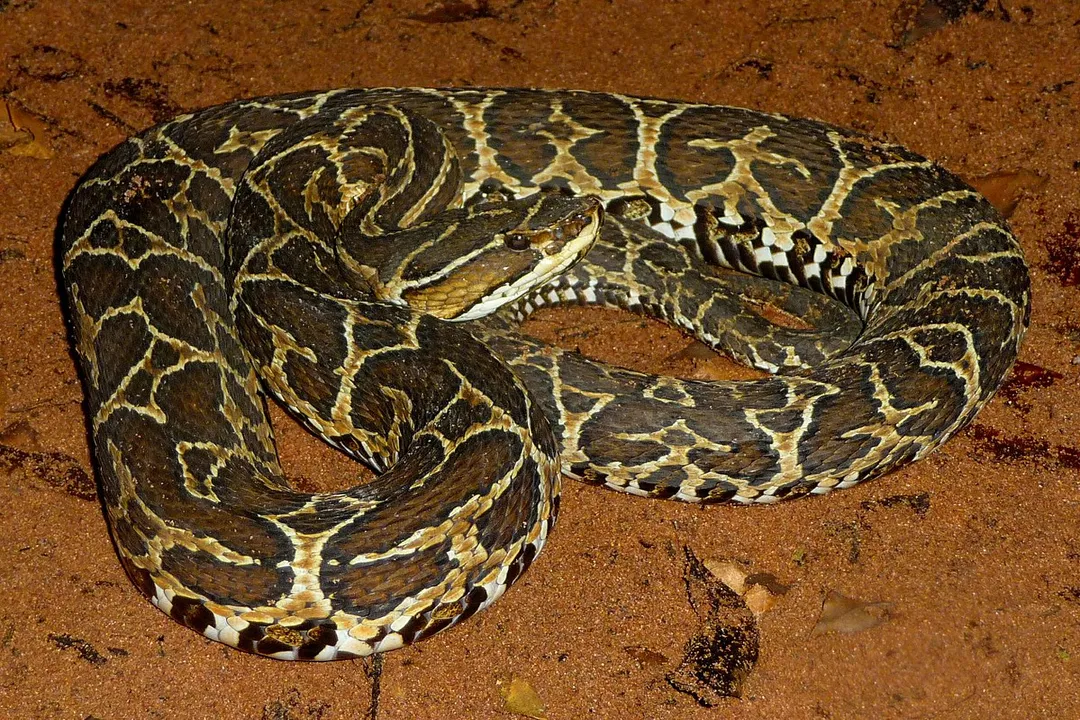
To truly appreciate the scientific classification, it helps to see where the Yarara sits relative to other snakes. The entire Bothrops genus falls within the Crotalinae subfamily, the New World pit vipers, which distinguishes them from the Old World vipers (Viperinae) like true vipers found in Europe or Asia. [3]
The defining characteristic shared across all members of the Crotalinae subfamily, including Bothrops, is the presence of the heat-sensing pit organ. This sensory apparatus is a classic example of convergent evolution in reptiles, where the need to detect endothermic prey (like rodents) leads to the development of similar structures in distantly related lineages. [2] Therefore, seeing Bothrops classified under Crotalinae tells us immediately that it relies heavily on infrared detection to supplement its vision when hunting, a feature not found in all venomous snakes classified under the broader Order Squamata. [9]
For instance, if we were to construct a simple comparative hierarchy for the Yarara and a non-pit viper venomous snake like a true cobra (Family Elapidae), the split occurs early in the family structure:
| Rank | Yarara (Bothrops) | Cobra (Example Elapid) |
|---|---|---|
| Kingdom | Animalia | Animalia |
| Phylum | Chordata | Chordata |
| Class | Reptilia | Reptilia |
| Order | Squamata | Squamata |
| Family | Viperidae | Elapidae |
| Subfamily | Crotalinae (Pit Vipers) | Elapinae (Fixed Fangs) |
This table visually confirms that while both are reptiles and snakes, the difference between Viperidae and Elapidae—driven by fang structure, venom delivery, and sensory organs—is the key differentiator at the family level, even though they both possess potent venom. [3] The scientific classification, therefore, functions as a precise biological roadmap, moving from the general characteristics of animal life down to the specific evolutionary adaptations that define the Yarara group.
Related Questions
#Citations
Bothrops alternatus - Wikipedia
Yarara - Bothrops alternatus - A-Z Animals
Yarará | snake - Britannica
Bothrops alternatus - EcoRegistros
Yarará Lancehead (IPÊ - Instituto de Pesquisas Ecológicas)
Bothrops alternatus - Bionity
Bothrops jararaca - wikidoc
Jararaca - Project Noah
Jararaca - Facts, Diet, Habitat & Pictures on Animalia.bio