West Siberian Laika Facts

The West Siberian Laika is a primitive spitz-type dog, originating deep within the rugged terrain of Russia, particularly across the Ural Mountains and the West Siberian regions. [7] These dogs were historically essential partners for indigenous hunters, developed over centuries to excel in harsh, cold environments while performing demanding tracking and retrieval tasks. [1][3] Unlike some of their more famous sled-pulling cousins, the Laika’s primary purpose was not transportation but rather the pursuit and detection of game, ranging from large mammals like moose and bear down to various species of fowl. [1][3] This deep functional heritage heavily influences their modern temperament and energy levels.
# Northern Lineage
The ancestry of the West Siberian Laika is tied closely to the various aboriginal hunting dogs native to the vast Siberian expanse. [7] While many people associate Russian breeds primarily with the famous Siberian Husky or Samoyed, the Laikas represent a distinct group shaped by rigorous natural selection and specific local hunting demands. [3] The breed is recognized by the Fédération Cynologique Internationale (FCI). [7] In the United States, while they are known among hunting enthusiasts, they may not yet hold full recognition with major kennel clubs like the American Kennel Club (AKC), which often reflects their relatively newer introduction and continued dedication to their working function over standardized conformation showing. [1][2] The breed name itself, "Laika," simply translates to "barker" in Russian, hinting at their vocal nature when working or alerting their owners. [5] This name connects them to a whole family of related hunting dogs from different Russian territories, such as the East Siberian Laika. [3]
# Physical Build
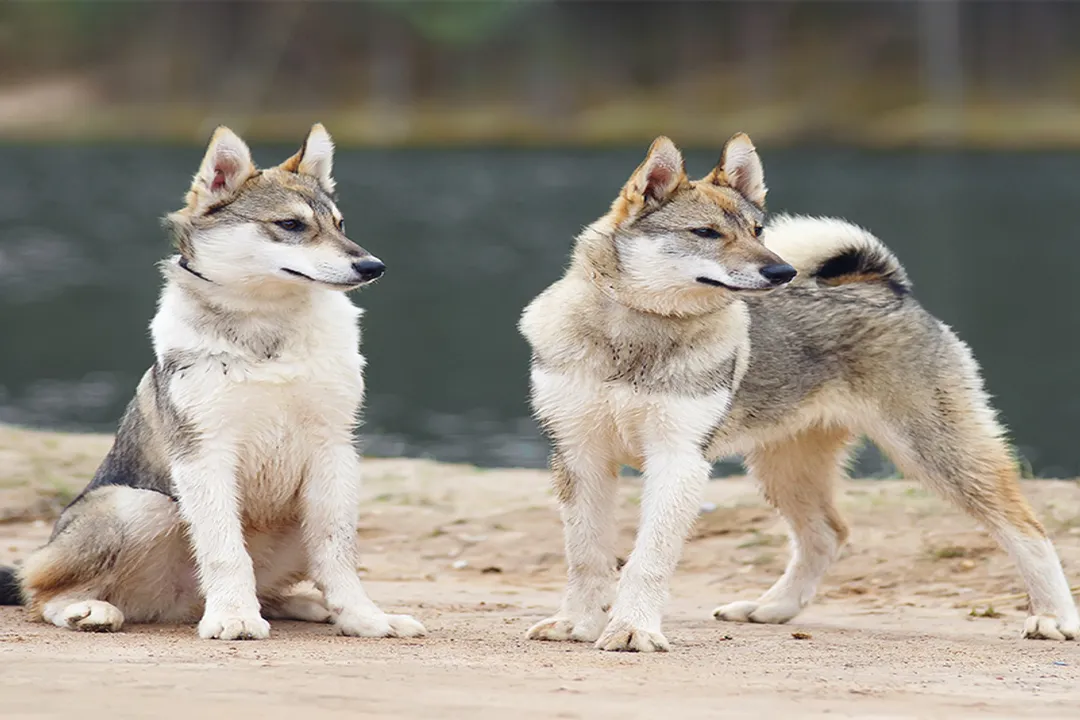
When you observe a West Siberian Laika, you immediately see a dog built for endurance and protection against the elements. [1] They are medium-sized dogs, generally possessing a well-muscled, hardy physique that speaks to their survival in challenging climates. [1][2] Males typically stand taller and weigh more than females, fitting the typical Northern breed mold where substance and strength are prized over delicacy. [1]
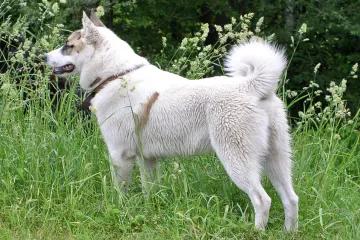
Their most defining feature is their coat. It is a thick, dense double coat designed to offer superb insulation. [1][7] The outer coat is relatively harsh, while the undercoat is soft and profuse, providing crucial protection against freezing temperatures and deep snow. [1] This coat requires seasonal management, as they "blow" their undercoat heavily twice a year, shedding massive amounts of fur. [1] Coloration is varied; they frequently appear in white, gray, reddish shades, or mixtures thereof. [1][7] Often, one might notice a darker mask around the muzzle or eyes, which adds character to their expression. [7]
The structure of the head is wedge-shaped, with erect, pointed ears set high and close together—perfect for pinning down faint sounds in the forest. [1] Their eyes are typically dark, conveying an alert and intelligent expression. [1] The tail is another classic spitz trait; it is set high and carried tightly curled over the back or held up in a sickle shape when the dog is attentive. [1]
| Trait | Description Summary |
|---|---|
| Size Class | Medium |
| Coat Type | Double, dense, weather-resistant |
| Ear Set | Erect and pointed |
| Tail Carriage | Curled tightly over the back |
| Primary Colors | White, gray, reddish, or combinations |
It's worth noting that while their build suggests a great capacity for pulling, their structure leans more toward agility and tracking rather than sustained, heavy sled hauling compared to, say, a dedicated freighting Malamute. [3] Their powerful structure supports long hours of relentless searching in rough terrain. [1]
# Independent Spirit
The temperament of the West Siberian Laika is a direct reflection of its working history. They are renowned for their intelligence, but this intelligence is paired with a significant degree of independence and a strong will. [1][5] They are not naturally inclined to please in the way that many performance breeds bred for obedience are; they are partners who assess situations before acting. [5] This means training requires patience, consistency, and, most importantly, establishing yourself as a respected leader rather than just an owner. [1]
They tend to be deeply loyal and affectionate toward their immediate family members. [1][7] However, this devotion often does not extend readily to strangers. They are generally reserved and aloof when encountering new people, which can make them suitable as natural watchdogs, alerting their families with their characteristic bark. [1][5] Early and extensive socialization, starting from puppyhood, is non-negotiable for this breed if they are to integrate smoothly into family life outside of a pure hunting context. [1][5] Without it, their natural suspicion can turn into undesirable standoffishness or territoriality.
One element a potential owner must understand is their vocal nature. The name "Laika" itself means "barker". [5] They use their voices to communicate when excited, when working, or simply because they notice something outside. Managing this requires understanding why they are barking—is it alert, boredom, or communication?—rather than simply trying to suppress the natural instinct to speak. [5] If you are looking for a quiet companion, this breed might present a considerable challenge.
# Hunting Prowess
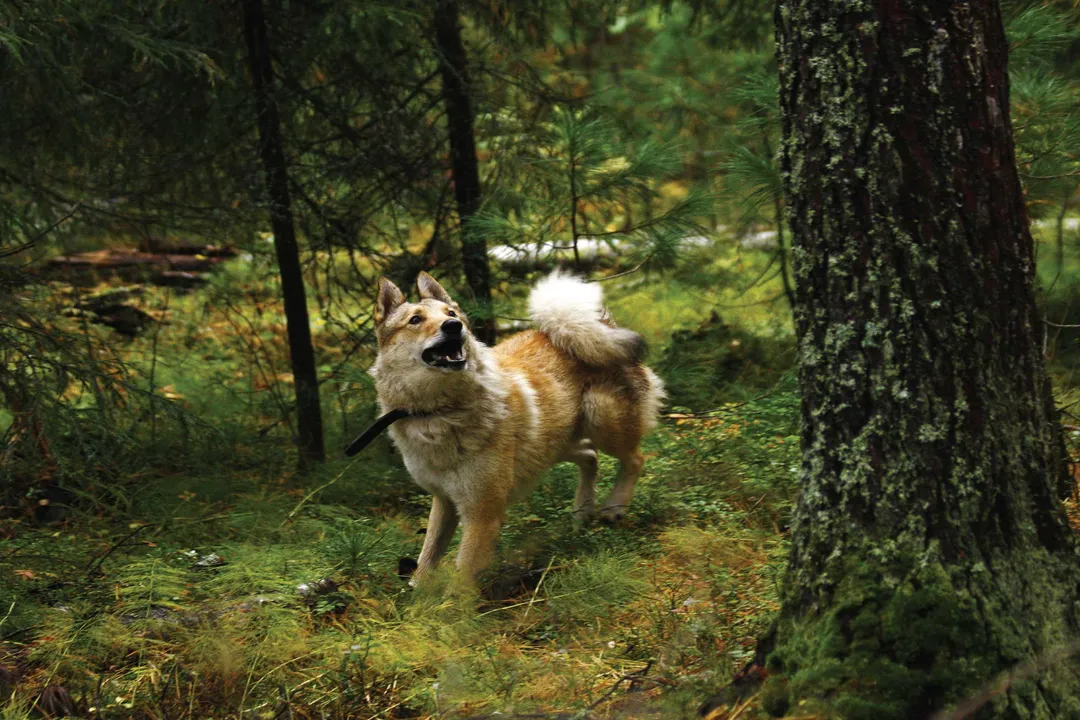
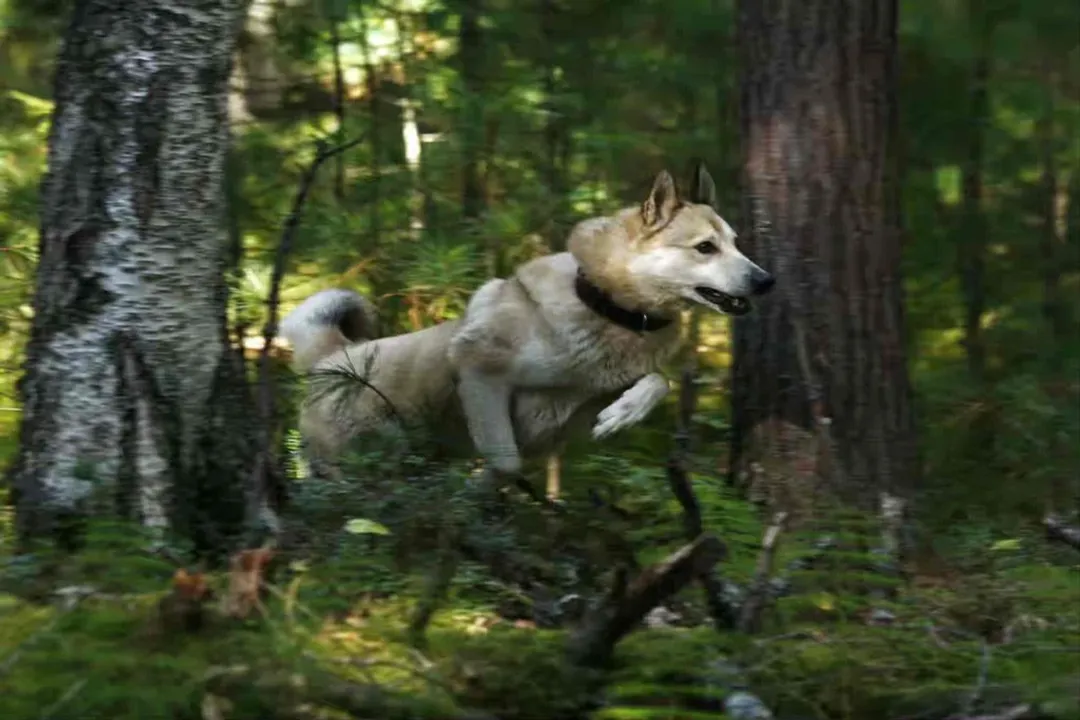
To understand the West Siberian Laika is to understand its singular dedication to the hunt. [1] Their entire physical and mental makeup is geared toward scenting, tracking, and cornering game. [3] They possess an exceptional nose and the stamina required to cover vast distances in challenging undergrowth and snow. [3]
When on a track, a Laika will exhibit intense focus, often following a scent trail for miles until the game is located. [1] Once they find the animal, their style involves "baying" or circling the prey, keeping it cornered and barking loudly to alert the human hunter to their location. [1] This behavior is crucial because it allows the hunter to approach safely, especially when dealing with dangerous game like a bear. [3]
Because their drive is so ingrained, this instinct translates into high energy requirements in a domestic setting. [5] A fenced yard is a minimum necessity, but true fulfillment comes from activities that engage their tracking skills, such as advanced obedience, scent work, or, ideally, actual upland or big game hunting opportunities. [1][5] Bored Laikas, lacking adequate mental and physical outlet, are far more likely to develop destructive habits rooted in pent-up hunting energy, such as excessive digging or wandering off to pursue their own interests. [5] If you have a small backyard and expect your dog to be happy resting most of the day, the WSL is likely not the right fit, regardless of how much you love the spitz look. [1]
# Daily Demands
Caring for a West Siberian Laika involves respecting their Northern heritage and working background. Their dense double coat, while insulating, demands attention, particularly during the twice-yearly heavy shedding periods where brushing needs to be thorough to remove dead undercoat and prevent matting. [1] For the rest of the year, moderate brushing usually suffices to keep the coat healthy and manage loose hair indoors.
Exercise must be substantial. These are not low-energy dogs that can be satisfied with a short walk around the block. [5] They need vigorous daily activity that utilizes their powerful legs and keen minds. [1] Think long hikes, serious retrieval games, or structured activities that mimic tracking or searching, rather than just aimless running. Their intelligence means training cannot stop after puppyhood; consistency is required throughout their lives to maintain good manners. [5]
Health-wise, the breed is generally considered quite hardy, benefiting from the selection process that favored survival in rugged environments. [2] While comprehensive records are sometimes less common for less widely recognized breeds, their primitive nature suggests fewer inherited conformational issues compared to some highly specialized modern breeds. [7] Lifespan expectations often fall into the double digits, providing a long companionship if their robust needs are met. [2] When considering adding one to the family, it is always prudent to speak with breeders who prioritize health testing relevant to the breed's working lines, ensuring that the dedication to function hasn't bypassed necessary health screening for issues common in spitz types.
For those living in moderate or hot climates, an extra layer of management is crucial. That magnificent double coat, a lifesaver in the Siberian winter, becomes a liability when temperatures climb. [1] Owners must ensure the dog has ample access to cool, shaded areas and never exert them during the hottest parts of the day, as overheating is a significant danger for these cold-weather specialists. [7] The commitment to a WSL is a commitment to managing an ancient, energetic working partner whose needs are rooted thousands of miles and several degrees north of your local park.
Related Questions
#Citations
West Siberian Laika Dog Breed Information - Continental Kennel Club
West Siberian Laika Facts - Dog Breeds - Wisdom Panel
The West Siberian Laika to the East Siberian Laika - Project Upland
Everything about the West Siberian Laika: health, education, costs
West Siberian Laikas - Dog Breeds - Embark
West Siberian Laika Dog Breed Information and Pictures
West Siberian Laika - Russkaja Laika - Jimdo
All about West Siberian Laika breed - Animalia
West Siberian Laika | Dog Breed Facts and Information - Wag!