Yabby Diet
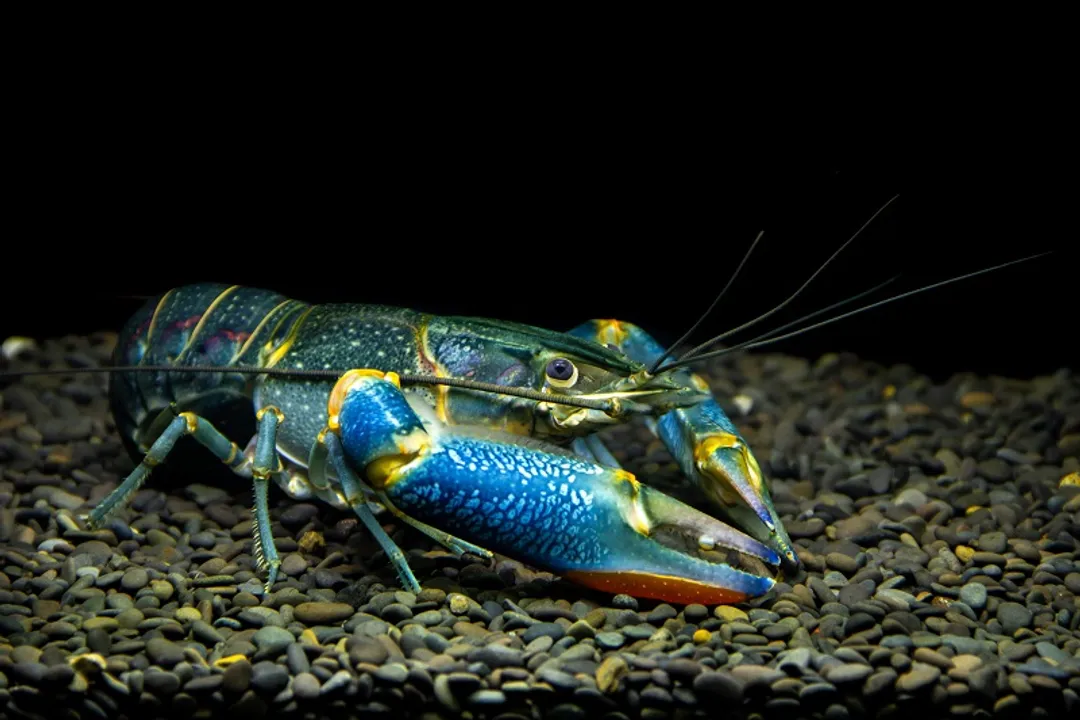
The dietary needs of a yabby, scientifically known as Cherax destructor, reflect its nature as an incredibly adaptable and opportunistic bottom-dweller. These crayfish are fundamentally omnivores, [3][8] meaning their food intake spans both plant and animal matter, often scavenging what is readily available in their environment. [3] Understanding what constitutes a proper diet is crucial whether you are managing a large aquaculture operation or keeping a few as unique pets. [1][6]
# Natural Role
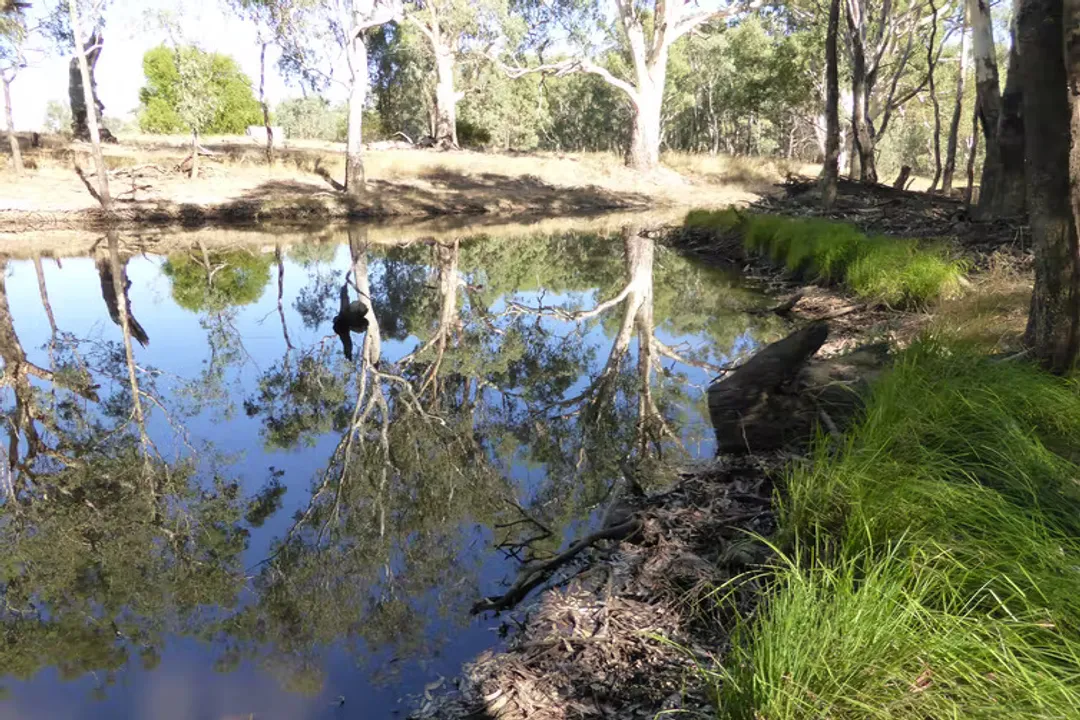
In their native Australian habitats, yabbies function as essential ecosystem engineers by consuming detritus—the decomposing organic material found on the substrate. [2][9] This habit means they are not particularly fussy eaters in the wild. Their natural intake includes a mix of aquatic vegetation, decaying plant matter, small invertebrates, and even carrion. [3][9] This scavenging behavior helps recycle nutrients within the water body. [2] When kept in captivity, mimicking this varied approach is important to ensure they receive a full spectrum of necessary nutrients, especially minerals that might be lacking in a simplified commercial feed. [6]
# Commercial Staples
For the pet owner, establishing a foundation of commercial food is the simplest way to ensure consistent nutrition. High-quality, sinking commercial crayfish pellets or prepared foods formulated for omnivorous bottom-feeders are excellent mainstays. [6][8] Because yabbies forage on the bottom, the food must sink to reach them effectively. [1] A good commercial pellet provides a balanced ratio of protein, carbohydrates, and essential vitamins. [1] These pellets should form the bulk of the daily ration, offering a reliable nutrient base. [6]
# Vegetable Matter
Vegetables should form a significant, refreshing part of the yabby's weekly menu. [1] They readily consume various fresh produce. Excellent options include chunks of zucchini, carrots, peas (often shelled), and spinach. [1][6] Other suitable items include sweet potato. [6] The key here is variety and preparation. If you observe that your yabby consistently ignores one type of vegetable, switch it out for another rather than removing it from the diet altogether, as different vegetables offer distinct micronutrient profiles. [1] A good practice is to rotate the vegetable offering every few days to prevent dietary monotony and encourage the intake of diverse vitamins and minerals.
# Protein Sources
While they require protein, it should be offered sparingly, generally as a supplement rather than a daily staple. [6] Their bodies are adapted to the slow digestion of detritus and plant matter, and an excess of rich protein can lead to digestive issues or water fouling if uneaten portions are left to rot. [1][7] Safe, occasional protein boosts include small pieces of cooked, unseasoned chicken or fish. [6] You might also supplement with small live or frozen food items like small crustaceans or worms. [8] When offering any animal protein, ensure the piece is small enough to be consumed entirely within a few hours, or remove any uneaten remnants immediately. [7]
# Feeding Regimen
The frequency and amount of food are perhaps more critical to the yabby’s health and the water quality than the specific brand of pellet used. A general guideline suggests that younger, growing yabbies might benefit from being fed daily. [7] However, for mature adults, feeding every second day is often sufficient. [7]
The critical rule for all supplemental feeding—vegetables and protein alike—is to never overfeed. [1] Yabbies are slow eaters, and any food left uneaten after a few hours begins to break down, releasing ammonia and nitrates that rapidly degrade water quality. [7] If you see uneaten food the next day, reduce the portion size significantly for the next feeding. [1][7]
An easy way to gauge the correct portion size is to offer only what you estimate the yabby can consume within two to four hours. If you see them actively foraging the next day and the tank is clean, you've likely hit the right amount.
# Essential Minerals
Beyond macronutrients, the exoskeleton's development requires constant mineral availability, particularly calcium. [6] Molting—the process of shedding their old shell to grow—is stressful and requires large calcium reserves. [6] In a home aquarium setting, providing a source of calcium is a smart preventative measure. Many experienced keepers place a piece of cuttlebone (the type sold for birds) directly into the tank. [6] Yabbies will rasp at this bone when they sense a need for extra calcium, especially before a major molt. While high-quality commercial food and vegetables should provide a baseline, the cuttlebone acts as an accessible, non-leaching mineral reservoir that they can access as needed throughout their growth cycle. [6]
# Invasive Considerations
It is important to recognize the context surrounding Cherax destructor. While the Common Yabby is a popular freshwater crustacean, it is considered an invasive species in regions outside of Australia, such as parts of the United States. [4][9] This status underscores the need for responsible ownership; never release a yabby into local waterways, as their highly adaptable omnivorous diet allows them to outcompete native species and drastically alter local aquatic habitats. [4] In these non-native environments, their diet often centers heavily on native aquatic vegetation and small fauna they can easily overpower. [4]
Related Questions
#Citations
Keeping yabbies as pets: Tank setup, care, feeding and more
It may not be cute, but here's why the humble yabby deserves your ...
Common yabby - Wikipedia
Yabby : Cherax destructor - Parastacidae (Freshwater crayfish)
Hi. What do you feed your yabbie's? - Facebook
Yabby Care Made Easy: A Step-by-Step Guide to Keeping Yabbies ...
How often should I feed my yabbie? - Crayfish - Reddit
Common Yabby | Reptile Encounters
Species Profile - Yabby