In non-native environments like parts of the United States, how do yabbies disrupt local aquatic habitats?
Answer
Its adaptable omnivorous diet allows it to outcompete native species
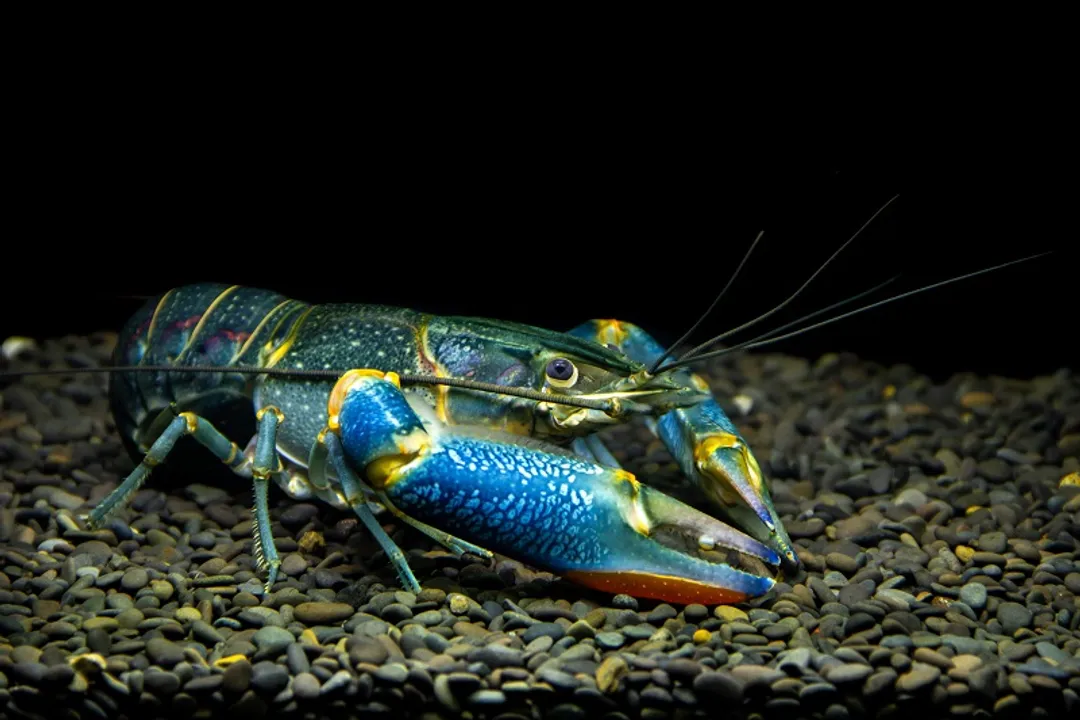
Outside of their native Australia, *Cherax destructor* is classified as an invasive species due to its high adaptability, particularly concerning diet. In these foreign waterways, their versatile omnivorous appetite allows them to effectively consume both native aquatic vegetation and small fauna available to them. This broad capability enables them to aggressively compete with existing local crustacean and invertebrate species for resources, often leading to the outcompetition of native inhabitants and resulting in significant alterations to the established aquatic ecosystem structure.
Related Questions
What is the scientific name for the Yabby, known for being an adaptable bottom-dweller?What substance do yabbies consume as ecosystem engineers in their native Australian habitats?Why must commercial crayfish pellets formulated for yabbies be sinking?Which vegetable is NOT mentioned as an excellent, refreshing addition to a yabby's weekly menu?How frequently should rich animal protein sources like cooked chicken or fish be offered to yabbies?What is the general feeding guideline suggested for mature adult Yabbies?What toxic compounds rapidly degrade water quality if yabbies are given too much supplemental food?What essential mineral is vital for the Yabby's exoskeleton development, especially preceding molting?What specific item, typically sold for birds, is often recommended as a non-leaching calcium reservoir for yabbies?Why must any uneaten animal protein be removed immediately after a few hours of offering it to a Yabby?In non-native environments like parts of the United States, how do yabbies disrupt local aquatic habitats?