Xoloitzcuintli Locations
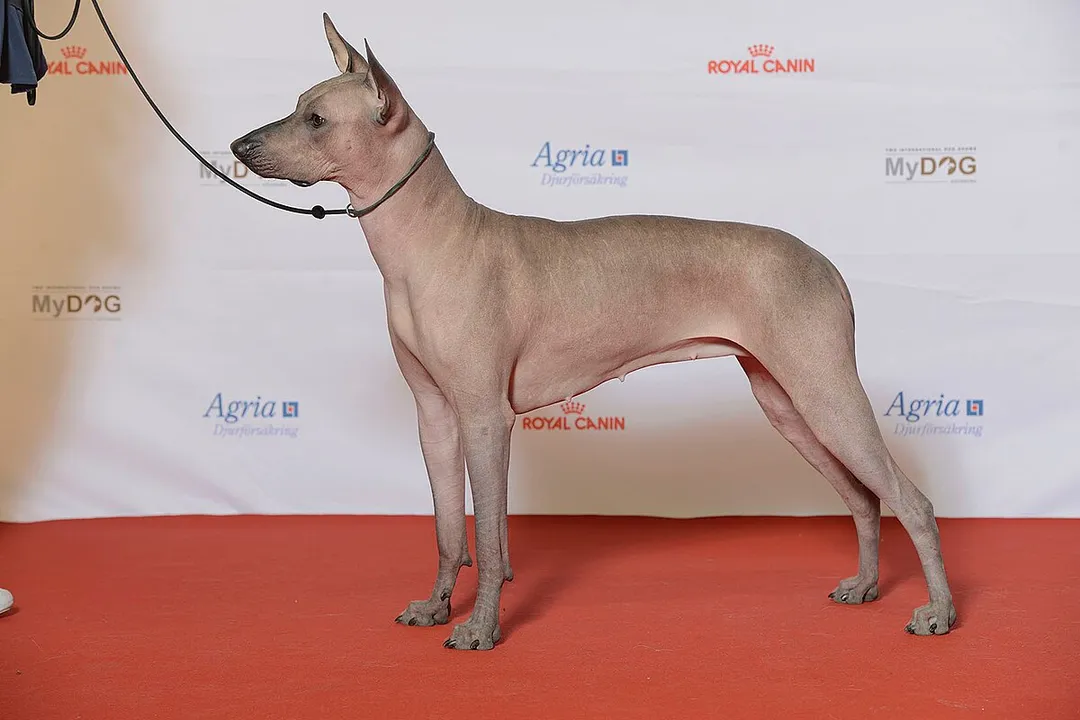
The Xoloitzcuintli, often called the Mexican Hairless Dog, carries a history so deep it is intrinsically tied to the geography of its origin. Pinpointing where one might find this ancient breed today involves looking at its historical heartland in Mexico and its modern distribution across the globe, particularly in the United States where it maintains strong organizational support [cite 3][cite 7]. Understanding the Xolo's locations is less about finding them on a map and more about tracing cultural significance to contemporary breed hubs.
# Mexican Homeland
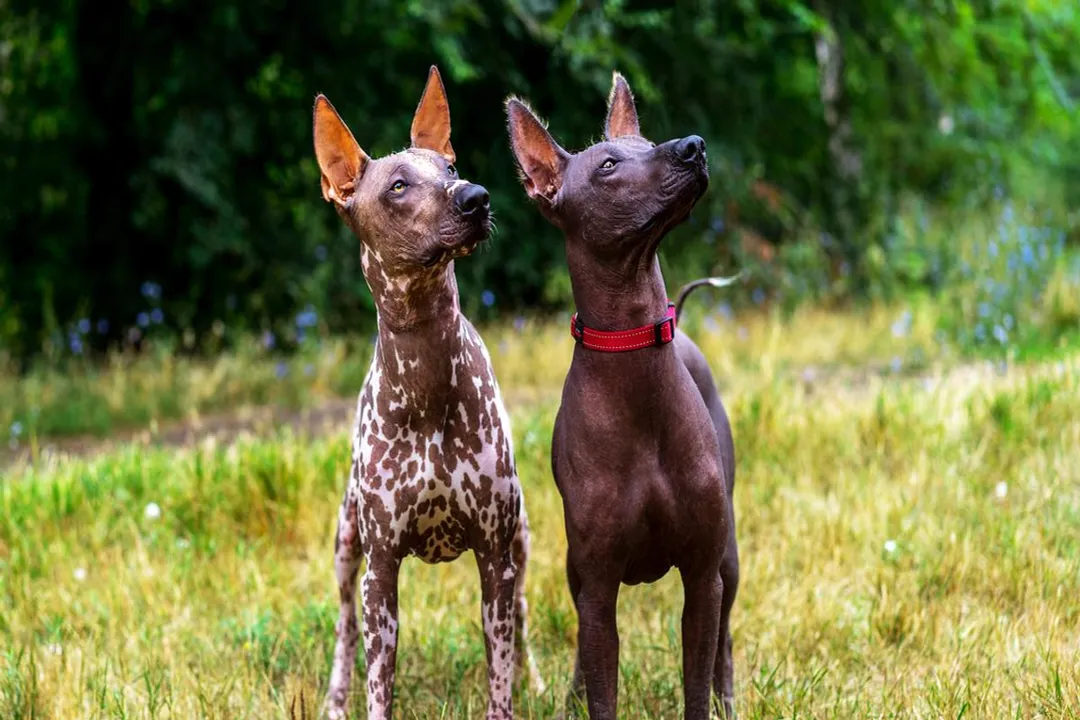
Mexico is unequivocally the native land of the Xoloitzcuintli, a heritage dating back thousands of years [cite 3][cite 7]. The breed is recognized as a national monument of Mexico, underscoring its importance far beyond that of a simple companion animal; it is a living piece of history [cite 7]. Its presence in the country has spanned from pre-Columbian civilizations, where they were often considered sacred dogs, to the present day [cite 3][cite 7].
While the breed has existed in Mexico for millennia, its contemporary prevalence there is a nuanced topic. Discussions among residents suggest that while the breed is known and revered, it may not be as commonly seen wandering neighborhoods as one might assume for a national symbol [cite 5]. One might expect a higher frequency of encounters in regions historically linked to its development or in areas promoting indigenous culture, but they remain relatively rare compared to more common companion breeds [cite 5]. For those seeking to see a Xolo in its ancestral home, regions with strong cultural ties to Aztec or other Mesoamerican heritage are the most likely starting points, though even there, they are cherished and perhaps not commonplace pets [cite 5][cite 7].
# US Presence
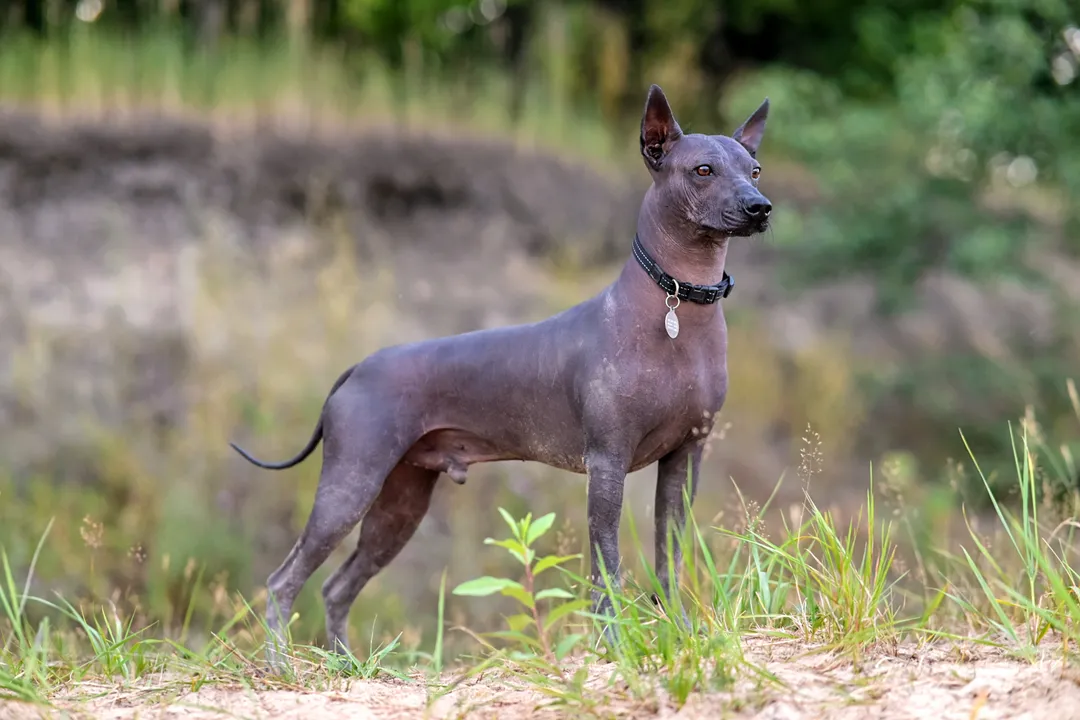
The Xoloitzcuintli has successfully established a presence outside of Mexico, with the United States being a significant center for breed clubs, recognized showing, and commercial availability [cite 4][cite 9]. The American Kennel Club (AKC) recognizes the breed, which naturally channels dedicated enthusiasts, breeders, and showing opportunities through its affiliated organizations and events, such as the Westminster Kennel Club show [cite 2][cite 9].
Within the US, the availability of Xolos, whether as puppies or through rescue, often clusters geographically. For instance, specific metropolitan areas host dedicated resources. A search for a Xolo in a major urban center like Houston, Texas, can lead to local breeders specializing in the breed, suggesting that pockets of dedicated breeding programs exist across the country, often centered around large cities [cite 1]. This contrasts with their endemic, though perhaps less frequent, presence in Mexico; in the US, Xolos are maintained almost entirely through intentional, organized breeding and rescue efforts [cite 1][cite 8].
# Acquisition Locations
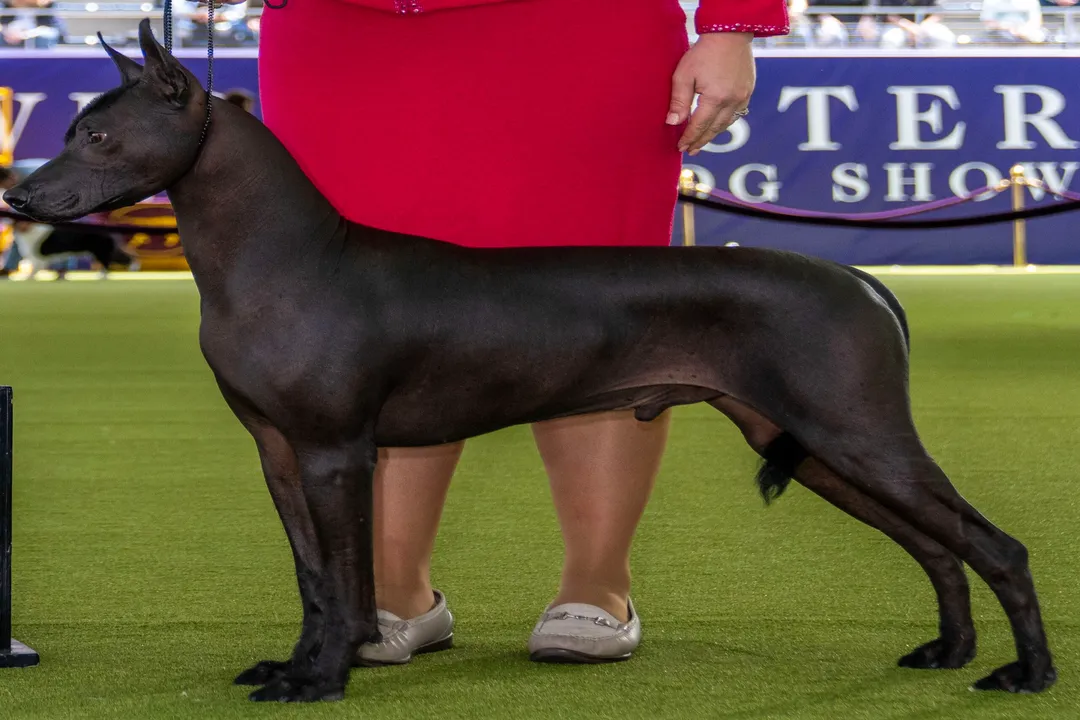
For individuals interested in welcoming a Xolo into their lives in the US, several established pathways exist, each pointing to different types of "locations." The American Kennel Club Marketplace is a primary location for finding registered puppies from breeders who adhere to breed standards and ethical practices [cite 2]. These breeders are the gatekeepers ensuring the continuation of the standardized bloodlines recognized by major kennel clubs [cite 2][cite 9].
Another crucial location is the rescue and adoption network. Platforms like Petfinder list Xolos and Xolo mixes available for adoption, indicating that the breed, like many others, occasionally requires rehoming [cite 8]. These dogs are typically located at breed-specific rescues or general animal shelters across various states [cite 8]. If one is considering adoption, the location of the rescue organization becomes the immediate point of contact, often requiring travel or transport arrangements [cite 8].
It is insightful to note that the concentration of US-based resources—a dedicated breed club, listing services, and show participation—suggests that expertise regarding the Xoloitzcuintli is arguably more centralized and accessible in the United States than in its native country, where knowledge might be more spread out among traditional keepers or less formally organized [cite 4][cite 9]. This centralization aids in breed promotion and health screening for prospective owners [cite 4].
# Enthusiast Gathering
Beyond the physical location of a dog, the community surrounding the breed forms a network of important locations for owners. The Xoloitzcuintli Club of America serves as an authoritative location for breed information, standards, and connecting with knowledgeable individuals [cite 4]. This club acts as a central hub for the breed's organized culture in the US [cite 4].
In the digital age, community locations have taken on new significance. Online forums and social media groups create borderless locations where owners share experiences, ask questions, and celebrate their dogs. For example, large Facebook groups dedicated to the breed allow thousands of members from potentially worldwide locations to interact instantly, fostering a sense of shared experience regardless of physical distance [cite 6]. This digital connectivity bridges the geographical gaps between a dog in, say, Texas [cite 1] and an enthusiast in Europe or another part of the US [cite 6].
Considering the relatively specialized nature of the breed, a practical tip for a prospective owner is to check the national club's event calendar before contacting a local breeder or rescue. Attending a specialty show or meet-up, even if you are not ready to buy, allows you to see dogs of various sizes and temperaments in person and speak directly with experienced handlers—a level of direct experience that is invaluable for such a unique breed [cite 4].
Another useful observation in tracking the breed's distribution is the correlation between the appearance of Xolos in adoption or breeder listings and the locations of major cultural or metropolitan centers. In the US, it is more likely to find a dedicated breeder near a major city, such as Houston, than in a rural area, reflecting where the human demographic interested in specialized breeds tends to settle [cite 1]. This pattern suggests that the demand-driven locations (where breeders establish themselves) follow population density rather than historical ties to the land, unlike their ancestral home in Mexico [cite 3].
# Size Variation
While not strictly a geographical location, the presence of different size variations impacts where a Xolo can comfortably reside. The breed comes in three sizes: Standard, Miniature, and Toy [cite 3]. A Standard size Xolo, while still relatively light compared to many large breeds, requires more space than a Toy version. This size difference means that breeders specializing in Toy Xolos might find a larger potential client base in dense urban apartments, whereas Standard Xolo breeders might appeal more to suburban or home-owners [cite 3]. This inherent variation in the breed’s physical characteristics dictates a functional diversity in their living locations across different types of housing.
# Breed Recognition Venues
The recognition status of the Xoloitzcuintli by organizations like the AKC and Westminster confirms their location within the formal structure of the dog world [cite 2][cite 9]. The appearance of the Xolo in prestigious conformation shows like Westminster signifies that there are specific, highly regulated locations—the show rings—where the breed is judged against a written standard [cite 9]. These events, held annually, act as temporary but important gathering points for the breed's representatives and their owners across the country [cite 9]. The focus at these locations is on maintaining the physical and temperamental traits established over centuries, now codified for modern competition [cite 3].
The lineage documentation provided by organizations like the AKC gives an added layer of trust when sourcing a dog from a specific location, as it implies adherence to recorded breeding practices rather than just location proximity [cite 2]. This contrasts sharply with the traditional roles they held in ancient Mexico, where their value was spiritual rather than tied to registry paperwork [cite 7].
In summarizing the locations associated with the Xoloitzcuintli, one moves from the ancient, enduring location of Southern Mexico to the modern, interconnected hubs of the United States—from indigenous reverence to organized kennel clubs and digital communities. Whether seeking the breed's historical context in Mexico or its current champions in the US, the search reveals a dog deeply embedded in both cultural memory and contemporary canine circles [cite 3][cite 4].
Related Questions
#Citations
25 cute Xoloitzcuintli puppies for sale in Houston, Texas - Good Dog
Xoloitzcuintli (Xolo) Puppies For Sale - AKC Marketplace
Xoloitzcuintle - Wikipedia
Xoloitzcuintli Club of America
Mexico, how common are Xoloitzcuintli dogs there? Do you ... - Reddit
Xoloitzcuintli (Xolo) - Facebook
Mexico's Legendary Xoloitzcuintli, the Hairless Dog | NMAI Magazine
Xoloitzcuintli/Mexican Hairless Dog Breed & Adoption Info | Petfinder
Xoloitzcuintli - The Westminster Kennel Club