Xiphactinus Scientific Classification
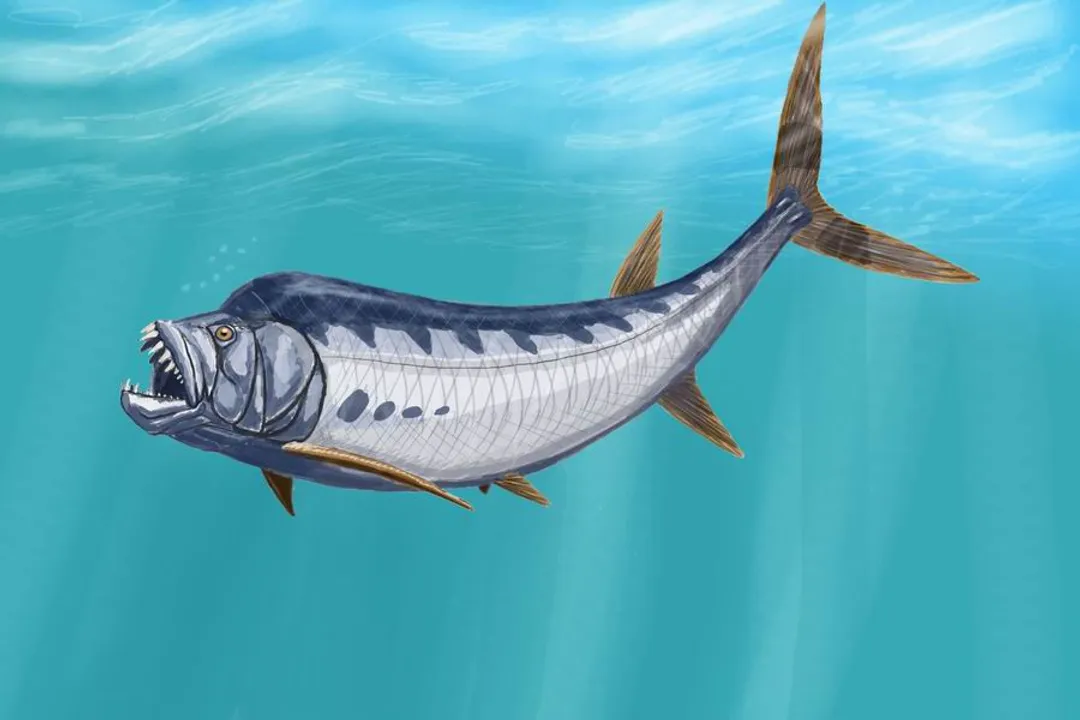
The process of formally placing an extinct creature like Xiphactinus into the sprawling organizational structure of life requires examining multiple levels of classification, tracing its lineage from the broadest domain down to the specific species recognized by science. This massive, predatory fish, an imposing figure in the Late Cretaceous oceans, sits firmly within the recognized hierarchy of fishes, though its path to that placement involved considerable debate among paleontologists over the decades.
# Formal Hierarchy
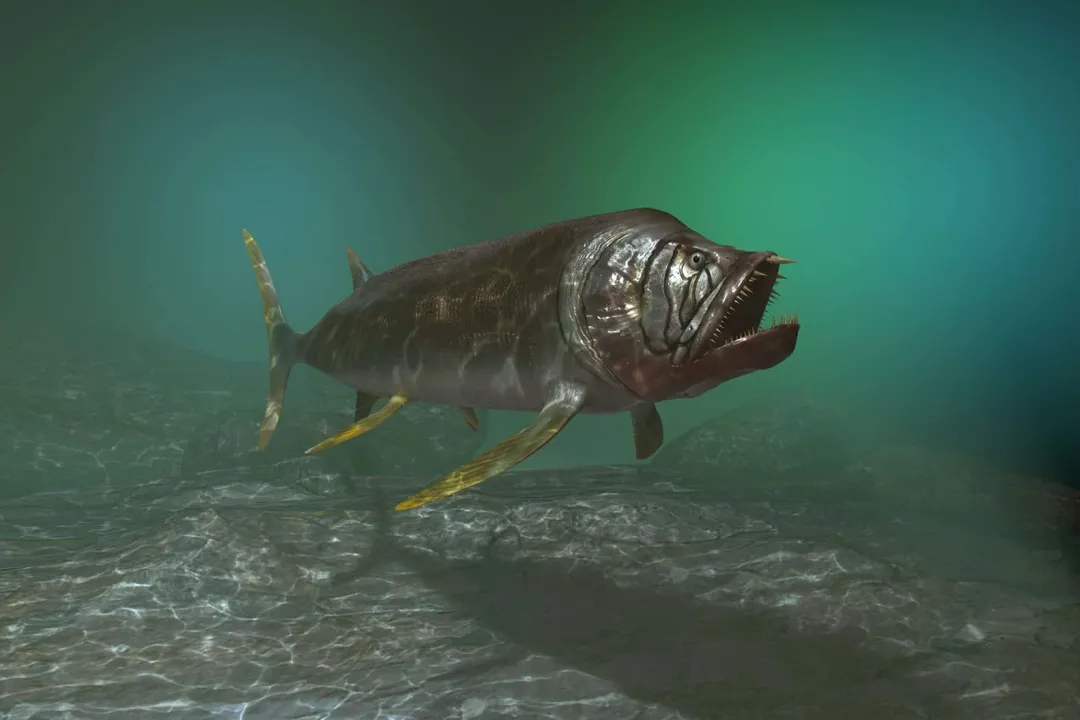
At the highest level, Xiphactinus belonged to Kingdom Animalia, establishing it as a multicellular, heterotrophic organism. Its membership in Phylum Chordata confirms it possessed, at some point in its life, a notochord, a dorsal nerve cord, and pharyngeal slits, placing it alongside all vertebrates. This places it in the vast company of everything from insects to humans, but the next step sharpens the focus considerably.
The classification proceeds to Class Actinopterygii, which translates to "ray-finned fishes". This broad category distinguishes Xiphactinus from other major fish groups, such as the lobe-finned fishes (which gave rise to terrestrial tetrapods) and cartilaginous fishes like modern sharks. Being an actinopterygian signifies that its fins were supported by bony spines or rays, a feature shared by the majority of modern bony fish. The sources confirm that the appearance of Xiphactinus—sleek and torpedo-shaped—is superficially reminiscent of the modern tarpon, but this resemblance is only based on general body habitus, not a close phylogenetic relationship.
Moving deeper into the bony fish tree, we find the Order Ichthyodectiformes, a group of extinct, relatively large predatory fish that dominated the Mesozoic seas, including the Western Interior Seaway. Fossils of these ancient swimmers are abundant in the deposits where Xiphactinus is found.
The placement within the Ichthyodectiformes is where we begin to see the common consensus solidify across scientific databases and specialized paleontology resources. This order represents a significant wave of teleost evolution, long before many modern groups were dominant.
# Order Rank
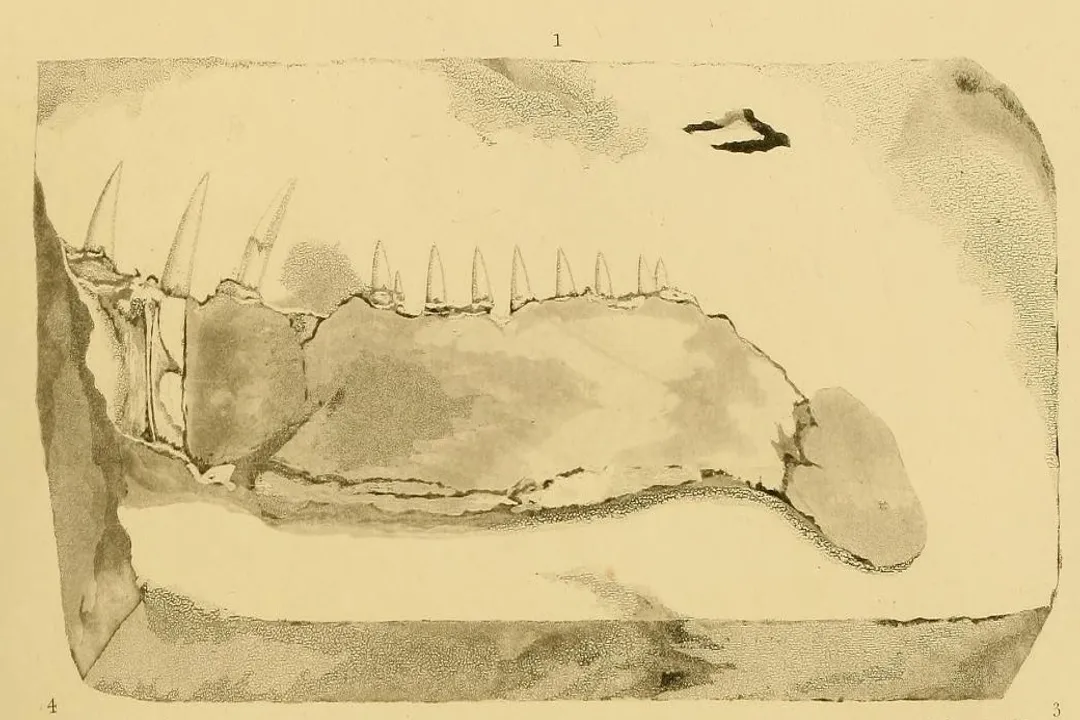
The order Ichthyodectiformes marks Xiphactinus as a specialized marine predator of its era. While its contemporaries included numerous other Ichthyodectiforms like Gillicus and Ichthyodectes, Xiphactinus stands out starkly. This genus was by far the largest member of its entire order.
When we consider that many related ichthyodectids were significantly smaller—for instance, Cladocyclus measured around 3.9 feet—the specialization of Xiphactinus becomes apparent. The classification within this group suggests an evolutionary trajectory toward gigantism and apex piscivory within a specific ecological niche of the Cretaceous seaways. It represents a peak expression of predatory adaptation within the Ichthyodectiformes radiation, making its formal placement a critical marker for understanding that extinct ecosystem.

# Family Details
The subsequent placement within Family Ichthyodectidae groups Xiphactinus more closely with relatives sharing specific skeletal features beyond those shared across the entire order. This family level grouping highlights morphological similarities, likely concerning the structure of the skull, jaw apparatus, and perhaps scale types, distinguishing them from other families within the Ichthyodectiformes.
It is within this family that Xiphactinus solidified its reputation as a formidable, if sometimes reckless, hunter, known for swallowing prey whole, sometimes to its own detriment, as evidenced by the famous "fish-within-a-fish" fossil. The stability of its placement in Ichthyodectidae reflects a growing agreement in modern systematic paleontology, despite historical confusion.
# Nomenclature History
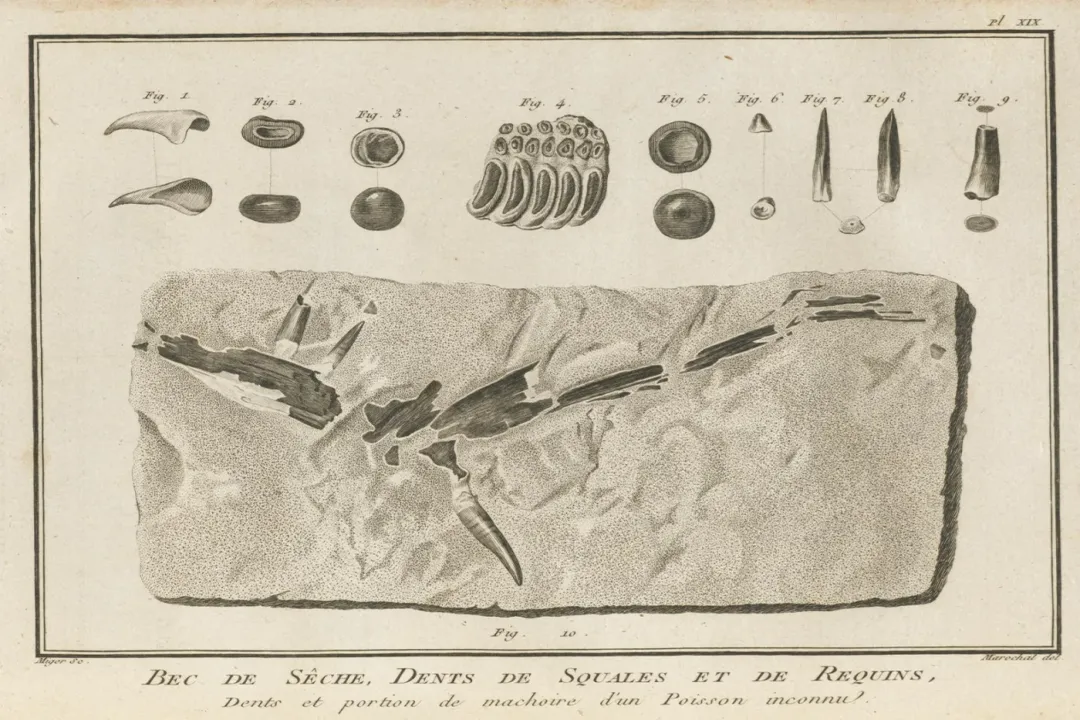
The genus name Xiphactinus was formally established by Joseph Leidy in 1870, derived from Greek words translating roughly to "sword-ray," likely referencing the large pectoral fin spine discovered at that time. This initial designation, Xiphactinus audax ("audacious sword-ray"), was based on limited material, which led to subsequent classification instability.
Early misinterpretations frequently colored the understanding of this fish's systematic position. Leidy himself initially suspected the creature belonged to the catfish family, Siluridae, a group of freshwater fish, a notion contradicted by the marine fossil context. Furthermore, historical confusion saw specimens assigned to Xiphactinus being called Portheus by Cope in the 1870s, or previously lumped under Hypsodon. The acceptance of Xiphactinus as the senior synonym over Portheus in 1898, based on Leidy's earlier naming, was a significant step toward stabilizing the genus. The historical saga of its name underscores a key aspect of scientific classification: initial identifications, especially from fragmentary fossils, are often provisional and must be revised as more complete evidence emerges, such as the near-complete skeletons found later in the Western Interior Seaway.
The species level currently includes the type species, *Xiphactinus audax*, and *Xiphactinus vetus*. The discovery of X. vetus in the eastern United States in 1997 helped expand the known geographical and temporal distribution of the genus.
# Evolutionary Context
The classification reveals that Xiphactinus was a product of the Late Cretaceous, surviving until the K–Pg extinction event around 66 million years ago. Its position as a ray-finned fish places it in a lineage that predates the rise of mammals and dinosaurs on land, yet it achieved massive size in the marine realm.
The formal taxonomy clearly separates Xiphactinus from modern teleosts, even those that share a similar body plan, like the tarpon. While both share the general Class Actinopterygii, their evolutionary divergence occurred long before the Cretaceous. Xiphactinus belongs to an extinct radiation that specialized in large, open-water predation within the warm epicontinental seas, such as the Western Interior Seaway that bisected North America. Had the K–Pg boundary not occurred, it is fascinating to consider what further evolutionary paths this lineage might have taken, given its recorded success spanning the mid-to-late Cretaceous across continents, from Europe and North America to Argentina and Australia. The abundance and wide geographic spread of Xiphactinus fossils attest to its ecological success as an apex piscivore throughout much of the globe during its time.
Related Questions
#Citations
Xiphactinus - Cretaceous Atlas of Ancient Life
Xiphactinus - Simple English Wikipedia, the free encyclopedia
Xiphactinus - Mindat
Xiphactinus audax - A-Z Animals
Xiphactinus - Grokipedia
Xiphactinus | Animal Database - Fandom
Xiphactinus - DINOSAURS AND BARBARIANS