Wyandotte Chicken Diet
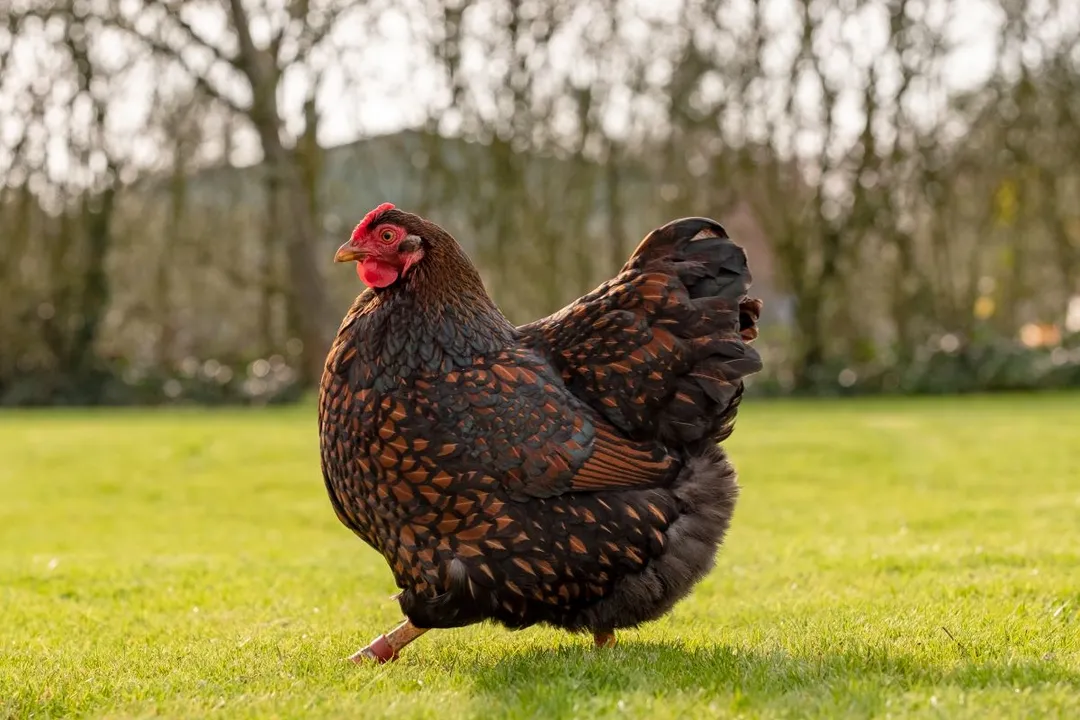
Caring for a flock of Wyandottes means appreciating a bird known for its beautiful plumage, docile nature, and consistent egg production, making it a favorite for homesteaders. [5][9] However, keeping these handsome birds thriving, especially through cold weather thanks to their compact, round bodies and single combs, requires paying close attention to what they eat. [5] A chicken's diet is not one-size-fits-all; it must evolve as the bird moves through different life stages, from fluffy chick to productive layer. Getting the nutrition right ensures they maintain their bright look and deliver reliable eggs, which is a primary goal when keeping this breed. [3][5]
# Feed Foundation
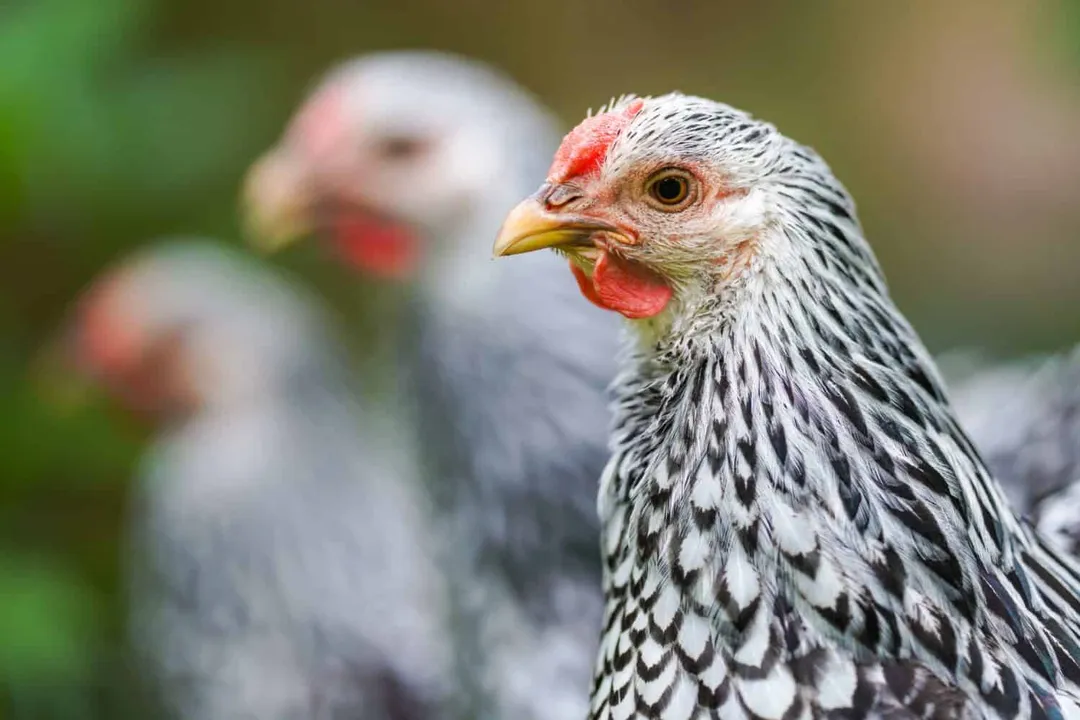
For most backyard keepers, the simplest and most reliable approach to feeding Wyandottes is relying on commercially prepared poultry rations tailored to their current life stage. [5] These pre-mixed feeds are formulated to provide a balanced profile of protein, carbohydrates, fats, vitamins, and minerals necessary for optimal health. While Wyandottes are known to be hardy and adaptable, [5][9] this inherent resilience doesn't excuse providing a poor diet. A steady diet of good quality feed will support their feather quality—especially important for breeds with dense feathering like the Wyandottes—and maintain robust immunity. [5]
# Chick Stage
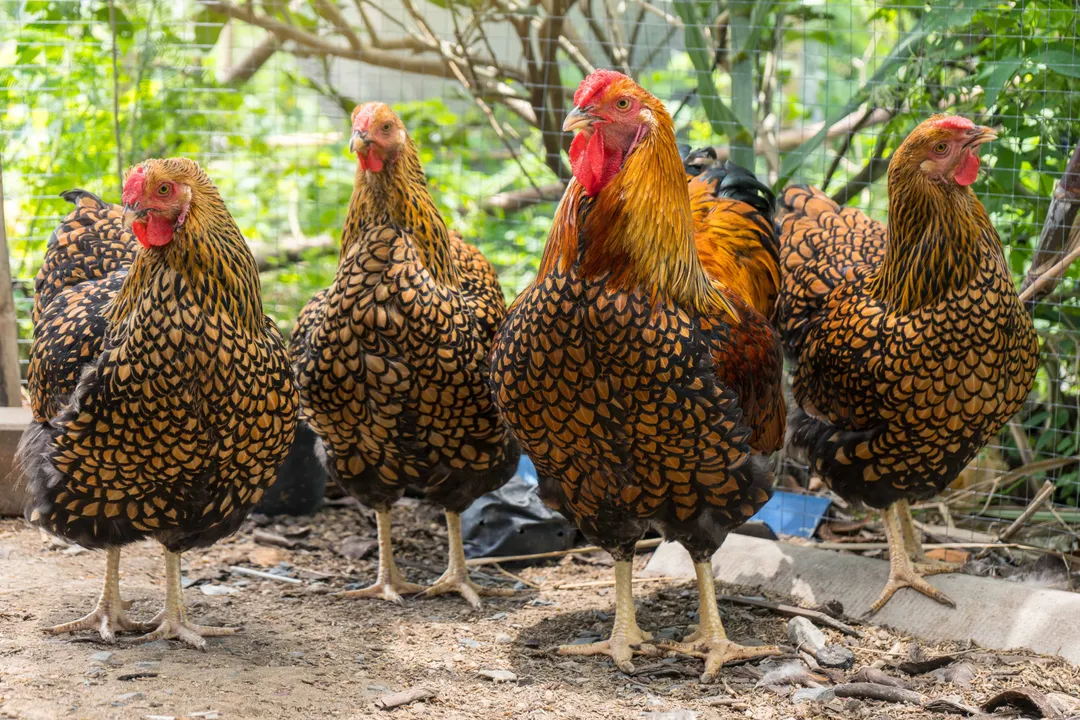
When Wyandotte chicks first arrive, their dietary needs are extremely high, as they are growing rapidly and developing every part of their structure. [1] They require a starter feed, which typically contains a higher protein content to support this intense growth phase. [1] For the first six to eight weeks, this specialized feed should be the primary, if not exclusive, source of nutrition. Some keepers discuss whether to use medicated feed for disease prevention, but this is a personal choice dependent on the flock's overall biosecurity and history. [2] The key takeaway is consistency during this initial, vulnerable period.
# Age Transition
The shift from chick to grower and then to a laying hen is where many feeding mistakes happen, often because owners are either too slow or too fast in changing the feed formula. [1] Once chicks are about six to eight weeks old, they transition to a grower feed. This feed has a slightly reduced protein level compared to the starter, which is crucial; too much protein during the growing phase can actually lead to health issues or even premature laying that stresses the developing bird. [1] Wyandottes should remain on grower feed until they are about 18 to 20 weeks old, or until they begin showing definitive signs of laying their first eggs.
It is helpful to think of this transition not just in terms of weeks, but in terms of the bird's physical development. When you notice the pullet beginning to develop a brighter comb or darkening her tail feathers, you know the switch to layer feed is imminent. [1] If you have a mixed-age flock, managing this transition requires careful planning, perhaps by physically separating the birds during feeding times initially, or selecting an unmedicated grower feed if you intend to supplement the older birds with oyster shell. [2]
# Layer Rations

Once your Wyandotte hen begins producing eggs regularly—typically around five to seven months of age—her nutritional requirements shift again, placing a high demand on calcium intake. [3][5] She now needs a layer feed, which maintains an appropriate protein level (often around 16% for good production) but dramatically increases the calcium component. A Wyandotte, being a reasonably good producer, will need this extra calcium to ensure strong eggshells, preventing soft-shelled or misshapen eggs. [3]
A helpful operational guideline for home flocks is to calculate the necessary calcium intake based on consumption. A hen laying one large egg per day needs roughly 3.5 to 4 grams of calcium daily. [3] Since commercial layer feeds often contain around 3.5% calcium, a hen eating a quarter pound of feed per day gets close to that requirement, but this assumes no treats or free-feeding of scratch grains. If you are giving away a significant portion of the hen's diet in treats, you might find eggshells weakening unless you provide supplementary calcium [Analysis Tip: A practical approach is to offer crushed oyster shells in a separate dish; if the hens are consistently leaving half of it untouched, the feed's calcium is likely sufficient. If they peck at it constantly, they are deficient.].
# Essential Additions
Beyond the primary feed, there are three non-negotiable items for any Wyandotte flock: water, grit, and oyster shells (for layers). Water must always be available, fresh, and clean, as dehydration impacts feed conversion and laying ability almost immediately. [5]
Grit is absolutely necessary because chickens do not have teeth; they swallow small stones to help grind food in their gizzard. [2] If your Wyandottes are strictly confined and never free-range, they need access to insoluble grit. If they free-range and have access to gravel or small stones, they might source enough naturally, but it is better to err on the side of caution and provide a supply, particularly for birds whose foraging is limited. [2]
As mentioned previously, oyster shell should be available free-choice for any hen laying eggs. [3] Wyandottes are known to lay well through the winter compared to some other breeds, meaning they will require this calcium supplement year-round when they are in production. [5]
# Treats and Scratch
Treats are a great way to bond with your flock and offer variety, but they must be managed carefully, particularly with a dual-purpose breed like the Wyandotte. [5] Scratch grains, often made of cracked corn, wheat, and milo, are high in energy but low in necessary vitamins and minerals.
When you offer scratch grains, it should only make up a small percentage—no more than 10 percent—of their total daily caloric intake. [5] Overfeeding scratch, especially to younger birds not yet laying, can lead to obesity or nutritional imbalances because the bird fills up on the tasty, but incomplete, grain mix instead of eating its balanced pellet or crumble feed [Analysis Tip: For new flock owners, use scratch as a training reward rather than a casual offering. If you scatter a tiny amount on the ground after the morning feeding, the hens get the enjoyment of foraging without sacrificing their primary nutrient intake for the day.].
Healthy, nutrient-dense treats are preferable to straight grains. Vegetables, fruits, and safe table scraps (avoiding moldy food, raw beans, or avocado pits) are good additions, but again, limit them so they do not displace the main diet.
# Winter Feeding
Wyandottes are famous for being exceptionally cold-hardy, a trait attributed partly to their tight, rounded bodies and small rose combs which resist frostbite. [5][9] However, staying warm requires energy. In cold weather, a hen's maintenance energy requirement increases significantly just to keep her internal furnace running. [5]
If you notice your Wyandottes consuming more feed during a cold snap, they are likely just meeting this increased energy demand. While you should never drastically change the protein content of their layer feed in winter—maintaining the 16% protein is important for consistent laying—providing slightly more access to their regular feed, or offering more of their high-energy scratch grains in the evening, can help them carry that energy reserve overnight. [5] A heavier bird generally handles the cold better, but forcing weight gain with excess fat rather than solid muscle/energy reserves through improper feeding is counterproductive. Focus instead on ensuring they have access to extra calories late in the day so they have fuel for the coldest night hours.
Related Questions
#Citations
Wyandotte feeding? - Learn How to Raise Chickens
Wyandotte chicken laying habits and nutrition - Facebook
Wyandotte FAQ - North Star Poultry
Silver Laced Wyandotte Chickens | Ultimate Guide - Mile Four
Wyandotte Chicken Breed Profile: A Handsome Homestead Favorite
Chicken, Wyandotte 'Silver Laced' - Spikes & Houles Feed
Black Laced Silver Wyandotte - The Chicken Coop Company
Wyandotte Chicken Bird Facts - A-Z Animals
Wyandottes: A Comprehensive Guide - Backyard Chicken Coops