Wrought Iron Butterflyfish Diet
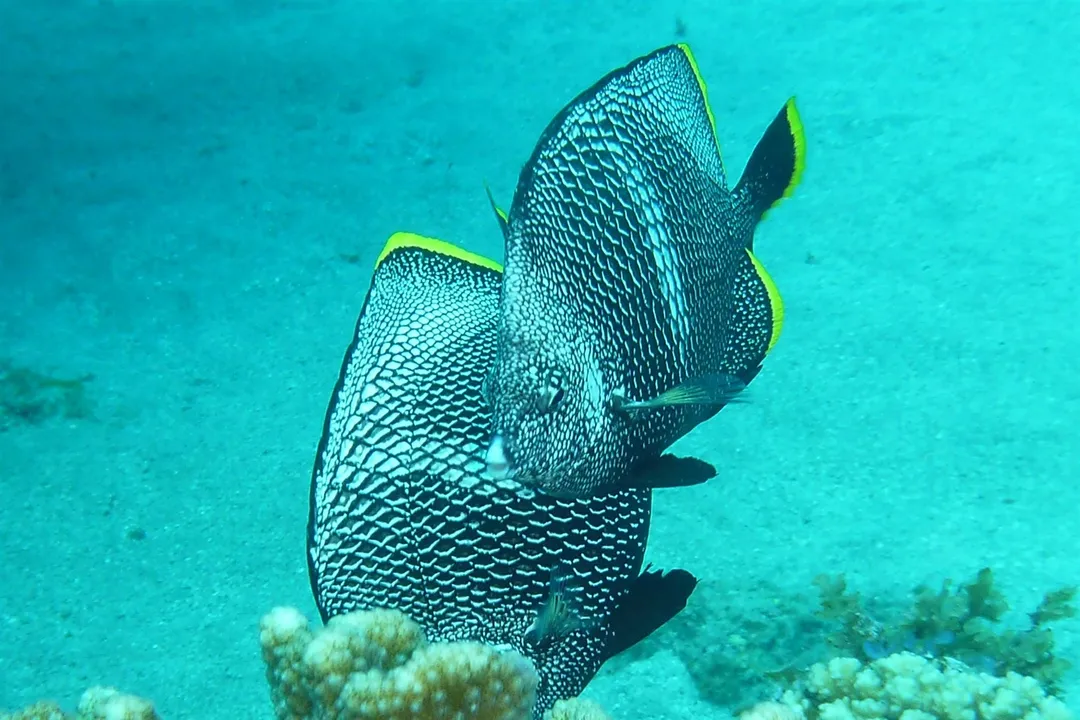
The feeding habits of the Wrought Iron Butterflyfish (Chaetodon daedalma) present a compelling case study for aquarists looking beyond the typical brightly colored reef dwellers of its genus. Unlike many of its relatives that specialize in consuming corals, this species, endemic to the cooler waters off Japan, possesses a broad, opportunistic palate that influences its care requirements significantly. Understanding this natural inclination toward grazing is the first step in successfully maintaining this unusual, dark-hued fish in an aquarium setting.
# Natural Grazing Behavior

In its native environment of clear, outer waters, typically deeper than 33 feet, the Wrought Iron Butterflyfish seeks out rocky reef structures. Here, it engages in constant foraging across the substrate and rockwork. Its primary food sources are a mix of primary producers and small, sessile or slow-moving invertebrates.
The foundation of its diet in the wild consists of filamentous algae. This steady grazing behavior is clearly reflected in its needs when kept in captivity. Beyond algae, the Wrought Iron Butterflyfish consumes a variety of benthic organisms. This menu includes soft corals, large polyp stony (LPS) corals, fanworms, hydroids, tunicates, barnacles, and various snails (gastropods). The presence of tubeworms is also noted as a dietary component. In an interesting observation of their social habits, these fish sometimes gather in large, undulating formations, referred to as a "wrought-iron ball," which is thought to be a defensive strategy while they graze collectively.
A notable point of comparison within the butterflyfish family is the difference between this species and true obligate corallivores. While C. daedalma will consume corals—leading to its classification as Not Reef Safe—it does not exclusively rely on them. This distinction suggests that the physiological pressure to consume living coral tissue for survival might be lower than in species that demand coral polyps exclusively, potentially offering a slightly wider window for introducing prepared foods during acclimation.
# Captive Diet Needs
For aquarists dedicated to keeping this species, which generally requires cooler temperatures between 68 and 79°F, replicating its mixed-diet foraging behavior is key. The ideal captive diet must be varied, combining high-quality vegetable matter with appropriate meaty and invertebrate components.
The most important element to replicate is the algal intake. Offer high-quality flake foods that include Spirulina or Nori seaweed as primary ingredients. Consider supplementing with dried marine algae sheets that can be secured inside the aquarium for them to browse throughout the day.
Complementing the greens must be a meaty selection that addresses their invertebrate consumption. This should include:
- Live or frozen mysis shrimp.
- Live or frozen brine shrimp.
- Black worms (Lumbriculus variegatus).
- Other small crustaceans such as krill or zooplankton.
Given that they are known to pick at clams in the wild, introducing occasional pieces of fresh clam or black mussel meat placed directly on the half-shell can serve as a highly enticing, rich protein source. The general recommendation for feeding this species in an aquarium environment is several times daily due to their constant grazing nature in the wild.
| Food Category | Recommended Items | Source Reference |
|---|---|---|
| Algal/Vegetable | Flakes with Spirulina/Nori, Microalgae, Nori sheets | |
| Meaty/Invertebrate | Mysis shrimp, Brine shrimp, Black worms, Krill | |
| Treats/Enticement | Live zooplankton, Clams/Mussels on the half-shell |
# Encouraging Acceptance
The Wrought Iron Butterflyfish is known to be one of the more challenging butterflyfish to initiate feeding in a new aquarium, a trait common to many less frequently traded species. If a newly acquired specimen refuses initial offerings, specific techniques can capitalize on their natural foraging instincts.
One actionable strategy, particularly effective for species that consume small, hidden organisms, is to mimic the process of "picking" food items. Instead of simply sprinkling food onto the water surface, try pressing soft foods—like dampened flakes or small bits of meaty items—into the crevices, caves, or dead coral skeletons within the rockwork. This forces the fish to investigate and pick at the food item as it would a natural sponge or tunicate hiding in a reef crevice. This environmental stimulation can often overcome initial shyness.
Furthermore, recognizing their preference for cooler water is an important management step that directly impacts appetite. A fish kept too warm, outside its preferred 68–77°F range, will often exhibit stress or lethargy, leading to poor feeding responses. Maintaining stable, cooler parameters is an indirect but vital part of ensuring consistent dietary acceptance.
# Reef Safety and Invertebrate Impact
Because the Wrought Iron Butterflyfish’s natural diet includes various sessile invertebrates and corals, careful consideration must be given before placing it into a mixed reef aquarium. Sources consistently indicate that this species is not safe for reef tanks. They have been observed to pick at corals and may actively consume crustaceans. The documented tendency to nip at clams, including Tridacna species, further supports a caution against keeping them with prized sessile invertebrates.
For keepers who wish to keep other invertebrates, such as shrimp or snails, the outlook is equally cautious, as the fish's natural inclination is to consume these benthic organisms. A specialized fish-only setup that focuses on providing high-quality, varied processed foods, supplemented with safe macroalgae growth, is the safest approach to ensure the fish thrives without destroying a delicate coral ecosystem.
Considering its specialized natural habitat—rocky reefs far from shallow lagoons—an aquarium setup designed for this species should prioritize large, open swimming areas alongside ample live rock for grazing and security. Creating these complex, shaded hiding spots is especially important for juveniles, which are reported to acclimate more easily than adults. This environmental enrichment not only supports their behavior but also encourages the confidence needed for sustained feeding.
Related Questions
#Citations
Wrought Iron Butterflyfish - Quality Marine
Chaetodon daedalma (Wrought iron butterflyfish) - Reef App
Chaetodon daedalma - Facts, Diet, Habitat & Pictures on Animalia.bio
Species: Chaetodon daedalma (Wrought Iron Butterflyfish) - Saltcorner
Chaetodon daedalma - Wikipedia
Wrought-Iron Butterflyfish for Sale - Unique Fins