Wombat Facts
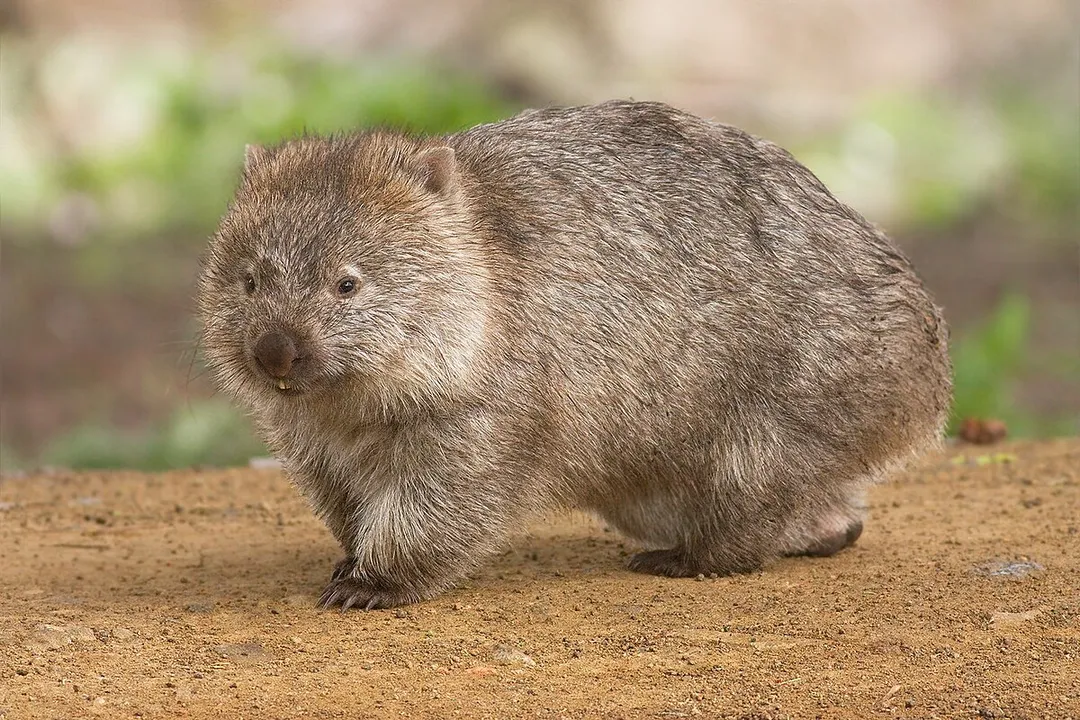
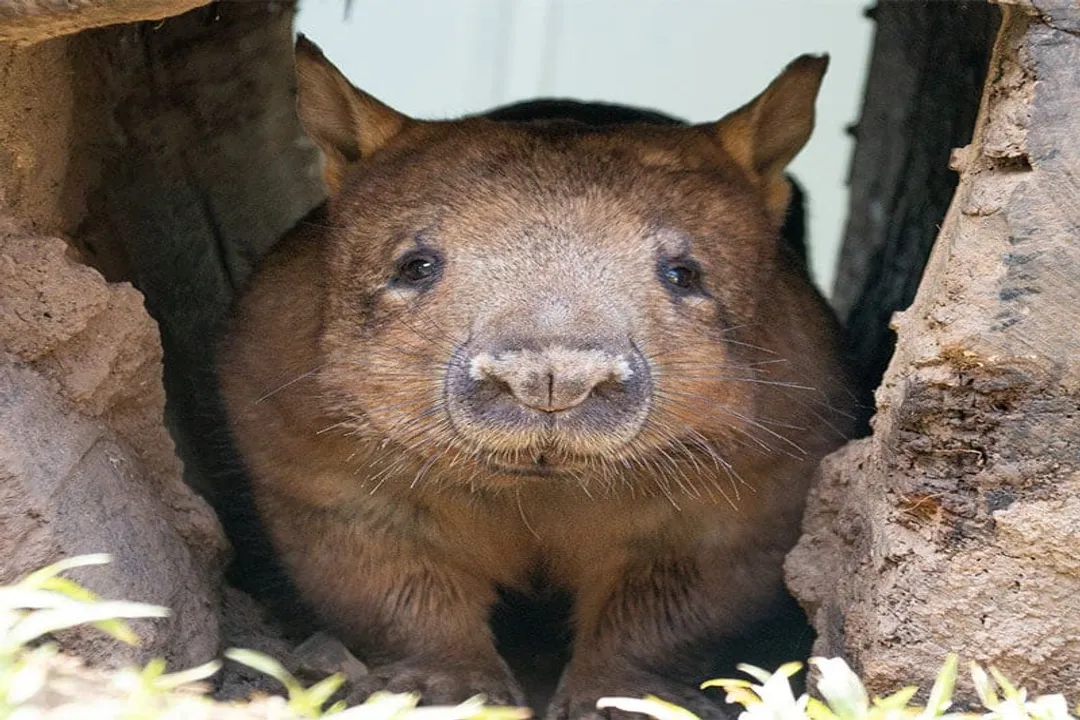
Wombats are perhaps one of Australia's most endearing yet unique mammals, known for their stout appearance, strong digging prowess, and somewhat clumsy gait above ground. These stocky marsupials are instantly recognizable, often described as looking like miniature bears or large, furry barrels moving across the landscape. [1][6] Despite their cuddly appearance, they are incredibly tough animals, built perfectly for their subterranean existence in varied Australian environments, ranging from forests to alpine regions. [3][8] They are strictly herbivores, spending a good portion of their evenings grazing before retreating underground as the sun rises. [10]
# Burrowing Life
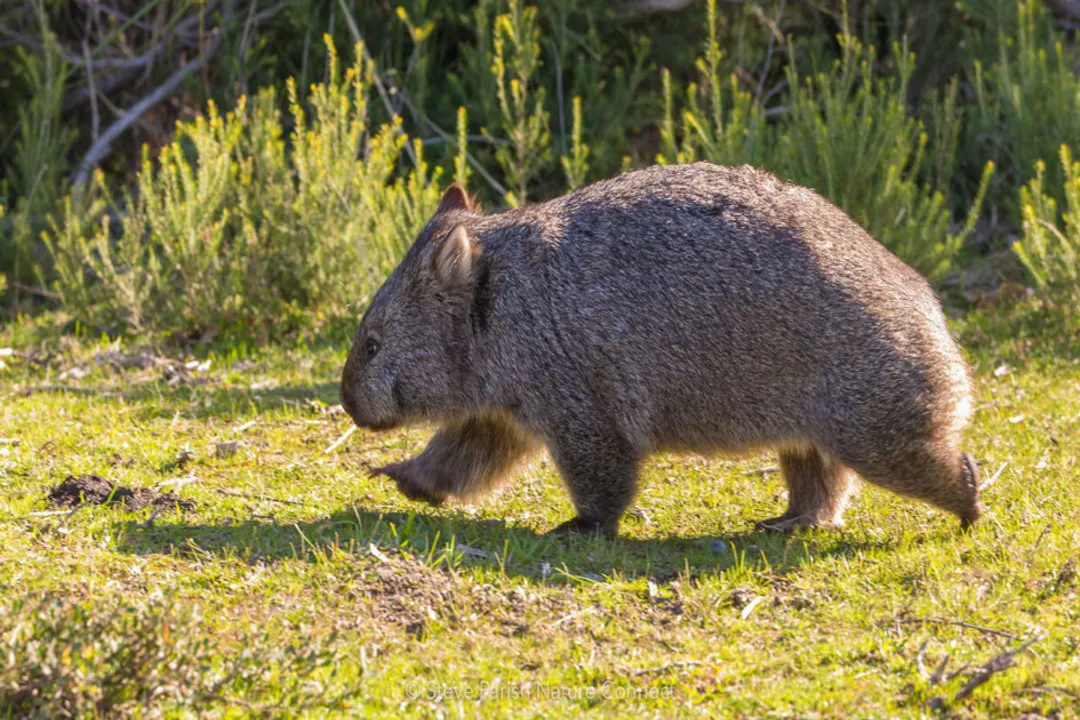
The most defining characteristic of the wombat is its dedication to digging. These animals are nature’s excavators, capable of constructing complex burrow systems that can span significant distances, sometimes encompassing over 200 meters of tunnels. [1][5][7] A single wombat might dig several burrows, often rotating between them depending on the season, food availability, or simply preference. [9] The burrows serve multiple critical functions: they provide a cool, stable environment away from the scorching Australian heat, a safe refuge from predators like dingos and large eagles, and a place to raise their young. [1][2][7]
Their anatomy is purpose-built for this lifestyle. They possess short, powerful legs and strong claws, making them surprisingly fast when they need to be, capable of reaching speeds up to 40 km/h over short bursts. [4][5] More remarkably, wombats have backward-facing pouches. [1][2][4] This orientation is a clear evolutionary adaptation to their digging life; it prevents soil from entering the pouch and covering the developing joey while the mother is busy excavating or moving dirt. [2][5] A joey will remain in the pouch for about six to ten months before starting to venture out, though weaning can take up to two years. [4][6]
The architecture of their underground homes is more sophisticated than just a simple hole in the ground. Wombat warrens often have multiple entrances and exits, sometimes leading to large chambers. [7][9] This complexity is partly a defense mechanism; if a predator attempts to enter the main tunnel, the wombat can quickly block the entrance with its tough posterior. [4]
# Tough Hide
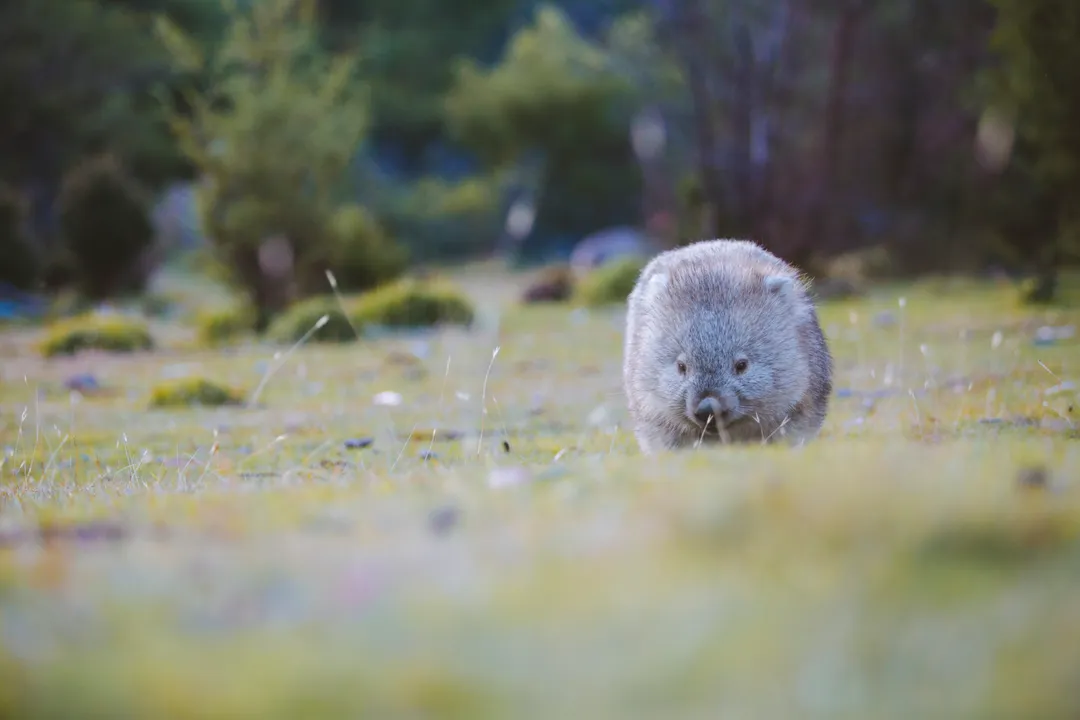
Wombats are surprisingly well-armored, especially when facing danger underground. Their rear end is famously tough, composed of thick layers of cartilage and skin, which acts as a natural shield. [4][8] When threatened within their burrow system, they often push their heavily protected backside up against the tunnel roof, effectively using their rump as a physical plug or shield against any intruder attempting to follow them in. [4][5] This specialized posterior is a key difference between the wombat and many other marsupials that rely on speed or agility to escape threats.
They belong to the family Vombatidae and are related to koalas, though they are quite different in habit and build. [8][10] The four recognized species showcase variations in size and coat texture, but the general structure remains the same. [8] For example, the Common Wombat, or Coarse-haired Wombat (Vombatus ursinus), is the most widespread. [6][9] In contrast, the Northern Hairy-nosed Wombat (Lasiorhinus borealis) and Southern Hairy-nosed Wombat (Lasiorhinus krefftii) have distinct features, including softer fur and slightly different muzzle shapes. [8]
When considering the engineering feat of their homes versus the environmental conditions they endure, it becomes clear that the stability of the burrow is paramount. An established warren can be used across generations, which means that the soil structure and surrounding root systems must remain intact for the wombat community to thrive. This dependency on stable, diggable soil makes them particularly vulnerable to habitat disruption from human activity, as soil compaction from heavy machinery can render large areas unusable for their vital shelters. [3] The extensive time and energy required to establish a primary residence means that losing one is a serious setback, not just a temporary inconvenience.
# Cube Droppings
One of the most frequently discussed and unusual facts about wombats concerns their feces. Wombats produce droppings that are distinctively shaped like small cubes. [1][4][7] This unique feature is not just a quirky biological anecdote; it serves a very specific purpose related to their territorial behavior. [7]
The structure of the cube is a result of the elasticity of the intestinal walls and the varying water content as the waste moves through the digestive tract. [1][7] The final section of the intestine is highly elastic, allowing it to shape the feces into distinct segments before expulsion. [7] The final product is notably dry and retains its shape, unlike the pellets or scat produced by many other animals. [1][4]
This cubic shape prevents the droppings from rolling away, making them ideal markers for territory. [7] Wombats often deposit their scat in prominent locations, such as on top of rocks, logs, or the entrances to their burrows, to signal their presence to other wombats. [1][4] If the droppings were round, the sloping ground common in their habitats would cause them to roll away, reducing the effectiveness of their scent marking. When you observe these markers scattered around an area, you are seeing a living map of wombat territory, with the cube shape ensuring the message stays put.
# Grazing Diet
Wombats are grazers, and their diet primarily consists of native grasses, roots, bark, and herbs. [1][6][10] They have an incredibly slow metabolic rate, which is significantly slower than that of many other mammals of a similar size. [10] This slow metabolism helps them conserve energy, which is essential when their primary food source—grasses—can be low in nutritional value, especially during dry seasons. [10]
Their digestive system is highly specialized to extract maximum nutrition from this fibrous material. Food passes through their system very slowly, sometimes taking up to 14 days to complete the entire digestive process. [10] This lengthy transit time allows beneficial microorganisms in their gut to break down the tough cellulose in the grasses effectively. [10]
For instance, if a wombat is primarily eating tough tussock grass in a drier environment, the extended time in the gut ensures that every available nutrient is absorbed before waste is expelled. This digestive efficiency is crucial for survival in environments where high-quality forage might be scarce for long periods. [10]
# Species Diversity
While many people picture a single type of wombat, there are four recognized species inhabiting different parts of Australia. [8] The most numerous is the Common Wombat (Vombatus ursinus), found in southeastern Australia, Tasmania, and Victoria. [6][9] These are the ones most frequently encountered by the public. [6]
The other three species belong to the Lasiorhinus genus, characterized by their hairy noses:
- Southern Hairy-nosed Wombat (Lasiorhinus krefftii): Historically widespread, but now restricted mainly to South Australia. [8]
- Northern Hairy-nosed Wombat (Lasiorhinus borealis): Found in Queensland, South Australia, and New South Wales. [8]
- Bare-nosed Wombat (sometimes used synonymously with Common Wombat, though there are subtle distinctions in taxonomy, the primary grouping is often by hairy vs. bare nose). [8] Note: Some sources list the Common Wombat as the Bare-nosed Wombat species.
It is vital to differentiate the conservation status of these groups. The Southern Hairy-nosed Wombat is listed as Vulnerable, while the Northern Hairy-nosed Wombat is classified as Endangered. [4][8] This highlights a significant disparity in population health across the genus, meaning conservation efforts must be tailored specifically to the needs of the different species. [3]
# Conservation Status
Unfortunately, the wonderful adaptability of wombats has not made them immune to threats posed by modern human expansion and introduced species. Habitat loss and fragmentation are major concerns, especially for the hairy-nosed species whose ranges are much more restricted than the common wombat. [3][4] When the environment they rely on for grazing and burrowing is cleared for agriculture or urban development, their survival is immediately jeopardized. [3]
Predation from introduced animals, such as foxes and dogs, poses a serious risk, particularly to young or less experienced wombats venturing out from the safety of their burrows. [4] Furthermore, road accidents are a frequent cause of mortality, as wombats crossing roads, often at night when they are most active, are struck by vehicles. [4]
For the endangered Northern Hairy-nosed Wombat, protecting the remaining populations is paramount. [8] Conservation strategies often involve fencing off critical habitat areas to exclude predators and manage grazing pressure, thereby creating safe zones where these unique marsupials can recover their numbers. [3] Because they are such effective engineers of their immediate environment, their presence provides ecosystem services; removing them degrades the landscape's natural structure. Protecting the wombat means protecting the health of the soil and grass structure across their range. [3]
In summary, the wombat is far more than just a squat, furry digger. It is a highly specialized marsupial with anatomical features perfectly tuned for a life spent underground, supported by a slow, efficient metabolism and possessing an unusual method of leaving its mark on the world via its cubic scat. [1][7][10] Recognizing the challenges they face in a rapidly changing landscape underscores the need for careful land management to ensure these fascinating Australian natives continue to thrive. [3][4]
#Videos
Wombats for Kids | Learn all about these cute marsupials - YouTube
Related Questions
#Citations
10 Awesome Wombat Facts - Rainforestation Nature Park
10 facts about wombats! - National Geographic Kids
Wombats (Facts & Photos) - Bush Heritage Australia
12 Fascinating Wombat Facts You Didn't Know - WWF Australia
Wombats for Kids | Learn all about these cute marsupials - YouTube
Common Wombat - Australia Zoo
7 Wombat Facts To Awe and Amaze - Wicker Darling
Wombat - Wikipedia
[PDF] Our Wildlife Fact Sheet
wombat - Kids | Britannica Kids | Homework Help