Wolverine Locations
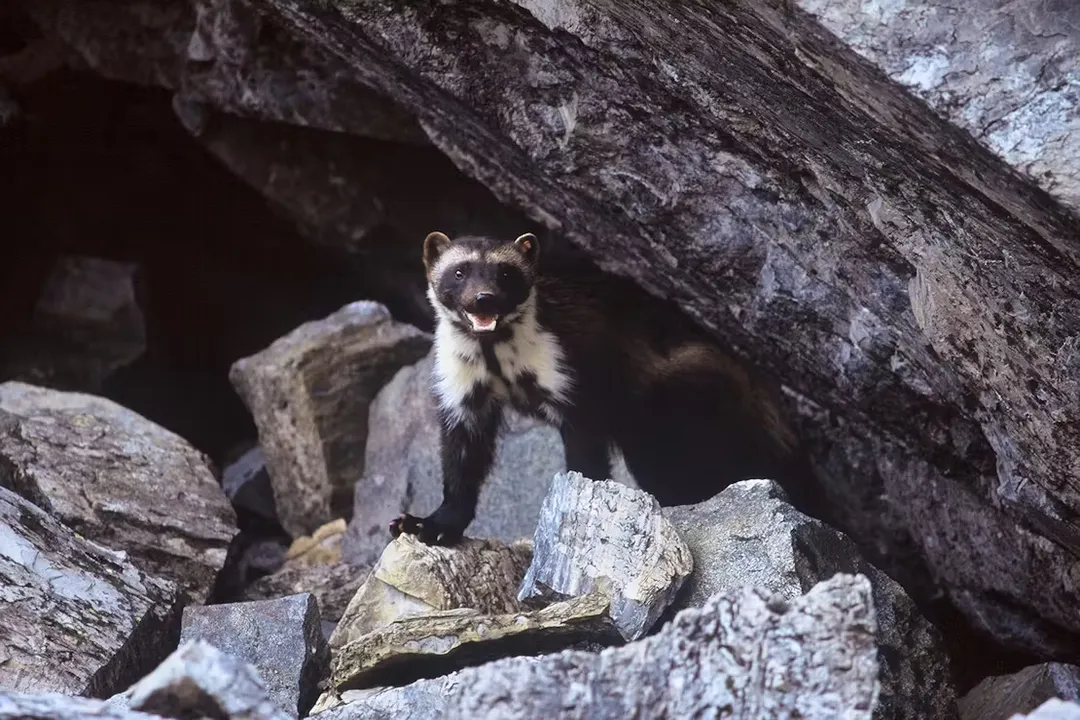
The North American wolverine, Gulo gulo luscus, is a famously elusive creature, often making the question of where they exist more about tracking anecdotal sightings than mapping confirmed territories. These medium-sized, dark-furred carnivores, part of the weasel family, are strongly associated with remote, high-elevation, and snow-covered landscapes across the Northern Hemisphere. [1][5] Understanding their distribution requires looking past simple geography to the specific environmental conditions that make a location habitable for this hardy animal. [6]
# Global Footprint
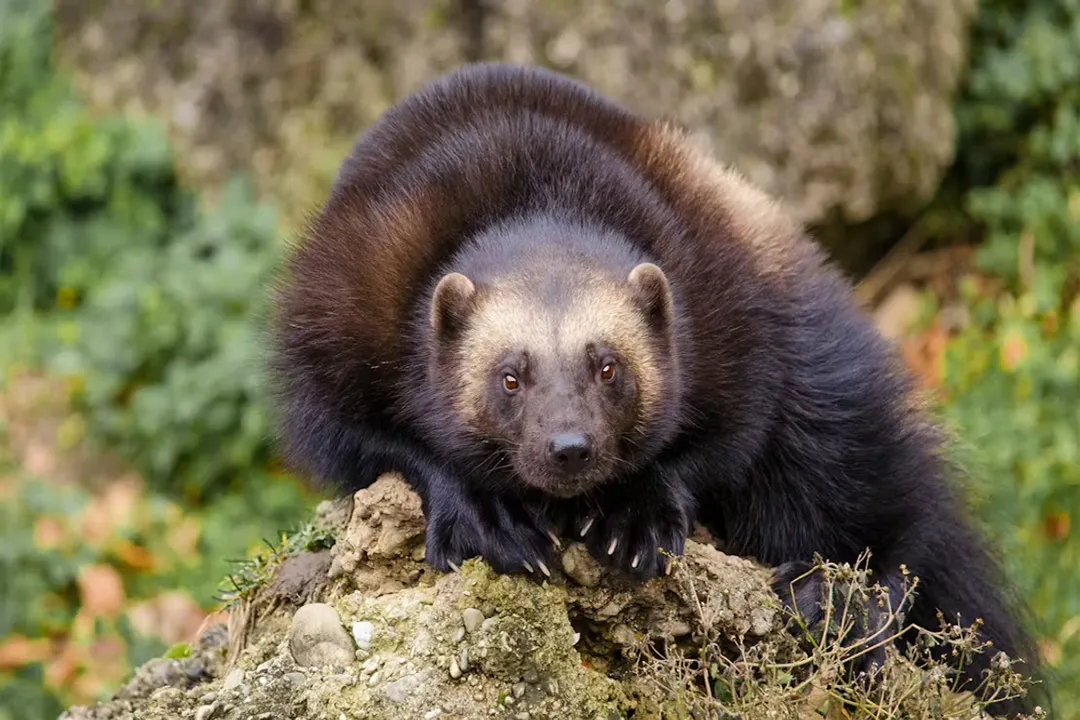
Globally, the wolverine maintains a circumpolar distribution, spanning across the northern reaches of both North America and Eurasia. [1] In Eurasia, their range stretches across countries like Russia, Scandinavia, and the Baltic States. [1] However, the focus for many researchers and conservationists remains sharply fixed on the North American populations, which are subject to more dramatic habitat fragmentation and climate pressures. [6] The species name itself, Gulo gulo, points to its greedy nature, but its location preference is dictated by the need for vast tracts of undeveloped, rugged country. [5]
# North American Range
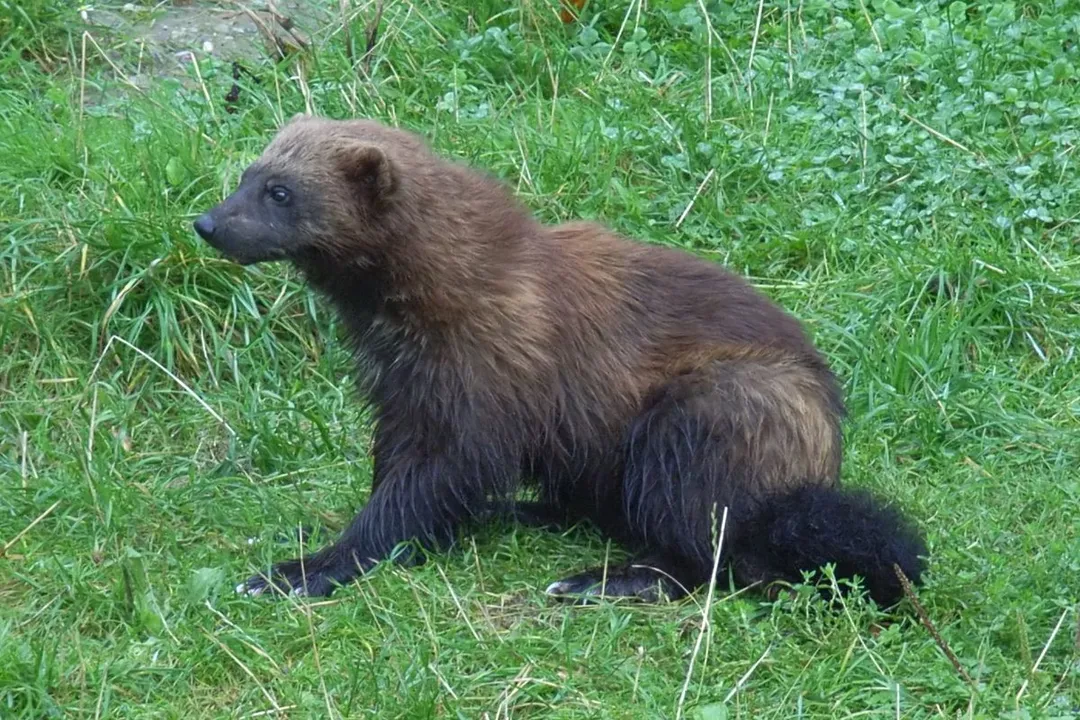
In North America, the historical range extended much further south than the current established populations. [6] Today, the vast majority of the species resides in Canada, where their presence is continuous across territories like the Yukon, Northwest Territories, northern British Columbia, Alberta, and Saskatchewan. [3] These northern zones represent the core of the continent's wolverine stronghold. [1][5]
The situation in the contiguous United States is far more fragmented, characterized by isolated, high-altitude "sky islands" of suitable habitat. [6] The U.S. Fish and Wildlife Service map data illustrates that current populations are concentrated in the Rocky Mountain regions, specifically extending through Idaho, Montana, Wyoming, and into the Cascade Range of Washington state. [2][5]
# State Distribution Pockets
Within the Lower 48, the wolverine exists in small, often disconnected groups. Montana is a significant stronghold, frequently reporting wolverine activity, particularly in the Rocky Mountains of the western half of the state. [4] The Montana Fish, Wildlife & Parks (FWP) actively monitors these populations, often using GPS tracking devices to document movement patterns near the Continental Divide, providing invaluable data on their survival needs. [4] Similarly, Yellowstone National Park in Wyoming serves as an important, albeit monitored, location for the species. [9] In Washington, sightings are concentrated in the high-elevation wilderness areas of the Cascade Mountains, though these populations are typically small and highly sensitive to environmental changes. [7] California holds a more tenuous link; while historically present, confirmed contemporary sightings are rare, and conservation efforts often discuss the potential for re-establishing populations in suitable high-alpine terrain where snow persists late into the season. [6]
It is important to distinguish between a location where a wolverine can pass through and a location that supports a viable, breeding population. While an individual animal might traverse thousands of square miles across different jurisdictions, sustained survival—especially denning and raising kits—requires specific, reliable environmental anchors. [4] Based on the environmental data implied by the sources, a location’s true value to the species isn't just its latitude, but its persistent, deep snowpack, which often means elevations above 6,000 feet in the lower 48 states. [9] A low elevation sighting, while exciting, often signals a dispersing animal temporarily outside its core, secure territory.
# Habitat Essentials
The wolverine’s physical adaptations—a dense coat and large paws that act like snowshoes—are perfectly suited for the harsh, snowy conditions they inhabit. [5][9] Their presence is deeply tied to two primary factors: high elevation and persistent snow cover, especially during the late winter and spring months when females excavate dens in deep snow drifts to give birth. [9][6] The snow layer provides insulation and protection for the kits. [9]
When examining maps showing wolverine distribution, the overlap with areas that retain snow late into the spring is striking. [2] The Defenders of Wildlife highlight that the primary threat comes from reduced snow persistence due to rising temperatures, suggesting that any location projected to lose its reliable spring snow cover may soon cease to be a wolverine location in any meaningful sense. [6] This reliance on a specific, transient climate feature makes their habitat definition exceptionally narrow compared to other North American carnivores. [5]
| Location Type | Primary Feature | Key US States/Regions | Conservation Concern |
|---|---|---|---|
| Core Range | Vast, continuous boreal/alpine zones | Yukon, NWT, Northern BC | Habitat fragmentation in fringe areas [3] |
| Refugia/Islands | Persistent high-elevation snowpack | MT, WY, ID, WA Cascades | Climate-driven snow loss [2][6] |
| Historical Range | Wider temperate/mountain zones | CA, Southern Rockies | Extirpation due to human development [1] |
# Tracking Carnivores
State agencies provide fascinating insights into wolverine movements. For instance, the Montana FWP's work tracking these furbearer carnivores offers a look at the actual distances these animals cover. [4] Using radio telemetry and GPS collars, biologists can determine home ranges, which can span hundreds of square miles. [4] This effort demonstrates the expertise required to map locations; it moves beyond simple sighting reports to understanding the functional space required for an individual to survive and thrive, often revealing unexpected connectivity between mountain ranges. [4]
# Beyond Biology
While the biological locations are rooted in the high mountains, the word "Wolverine" appears in several other contexts that have their own unique, if fictional or commercial, "locations." The character of Wolverine (James Howlett) from Marvel Comics has been featured in various film productions. [10] For example, locations used in filming his related movies might include sites in Canada, New Zealand, or specific movie sets designed to mimic Canadian or Japanese landscapes. [10]
On a completely different note, "Wolverine" is also used commercially, most notably as a trim level for trucks and utility vehicles. The "locations" associated with this usage are the dealerships across the United States where these models are sold, such as the designated online storefronts in the US market. While these are geographically distinct from the mountain habitat of Gulo gulo luscus, it speaks to how deeply the animal's reputation for toughness and resilience has permeated broader culture. [5] A fascinating contrast exists when comparing the necessary habitat: the biological wolverine needs wilderness that is difficult to access, while the truck trim level is marketed precisely for accessing those difficult locations. [4]
Related Questions
#Citations
Wolverine - Wikipedia
North American Wolverine (Gulo gulo luscus) | Map | FWS.gov
Distribution - The Wolverine Foundation
Wolverine Tracking | Montana FWP
Wolverine | National Wildlife Federation
Wolverines: Where They Live and Why They're Endangered
Wolverine | Washington Department of Fish & Wildlife
Wolverine - Yellowstone National Park (U.S. National Park Service)
The Wolverine | Film Locations - Movie Locations
Official Wolverine.com: Tough Work Boots, Shoes, & Clothing