Wild Boar Scientific Classification
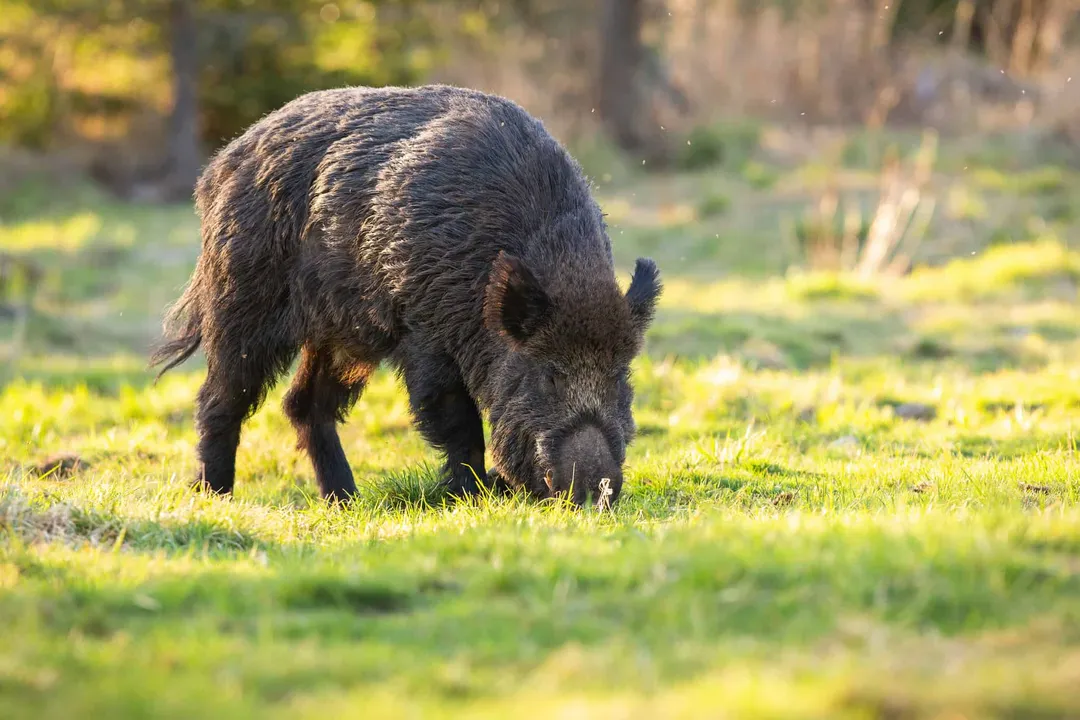
The wild boar, known universally by its binomial designation Sus scrofa, stands as one of the most widespread and ecologically impactful mammals on the planet. Before one can fully appreciate its ecological role or management challenges, it is necessary to firmly establish where this powerful creature fits within the grand architecture of life. The scientific classification of Sus scrofa is a formal system that organizes this animal from the broadest possible grouping down to its specific identity, a process that reveals both its ancient lineage and the ongoing scientific debates surrounding its diverse populations, particularly those that have become feral outside their native range. [1][5][6]
# Linnaean Ranks
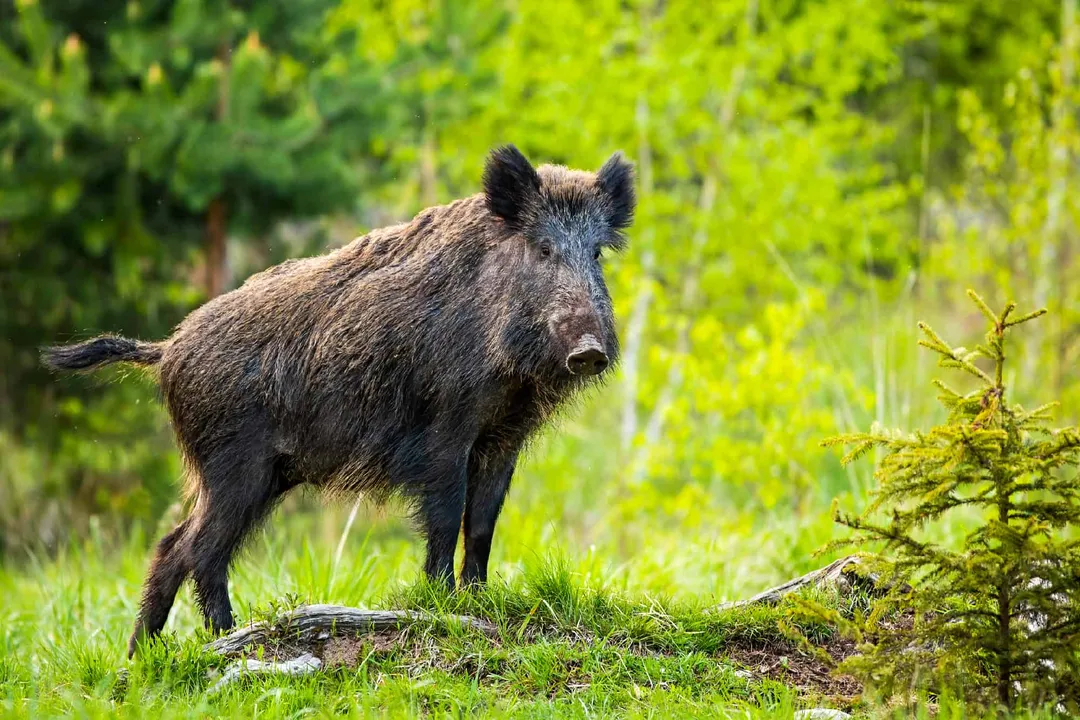
The taxonomic placement of the wild boar remains remarkably consistent across major biological databases, confirming its fundamental identity as described by Linnaeus in 1758. [1][8][9] This hierarchy places the species firmly within the tree of life, starting with the highest major grouping that includes all living things.
The classification follows this established sequence:
- Kingdom: Animalia [1][5][6][8]
- Phylum: Chordata [5][6][8] (NatureServe notes the subphylum level as Craniata, encompassing animals with skulls). [1]
- Class: Mammalia [1][5][6][8]
- Order: Artiodactyla [1][5][6][8] (These are the even-toed ungulates, sharing this order with deer, cattle, and hippos). [5][6]
- Family: Suidae [1][5][6][8] (The family that groups all pigs and hogs). [5][6]
- Genus: Sus [1][5][6][8]
- Species: Sus scrofa [1][5][6][8]
This specific arrangement classifies the wild boar alongside its closest relatives, emphasizing its shared evolutionary history as a placental mammal with an even number of toes, belonging to the 'hogs and pigs' group. [5][6] The adherence to this structure provides a baseline for understanding its biology, reproductive strategies, and even its susceptibility to certain diseases, as these traits are often shared among members of the same family or order. [5]
# Naming Context
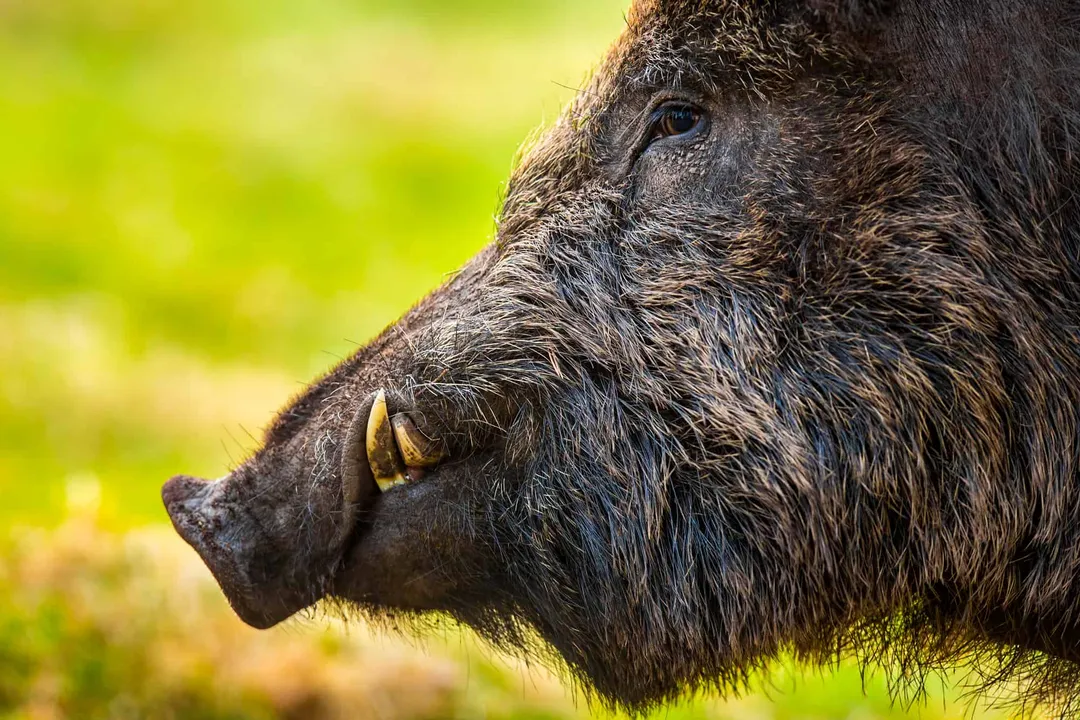
The scientific name, Sus scrofa, is rooted in the language used to formalize biology. Sus is the genus name, derived from the Latin word for pig. [8] The species epithet, scrofa, also comes from Latin, meaning sow or female pig. [8] Linnaeus assigned this name, which has persisted, though modern taxonomic work often includes specific references or authorities to ensure precision, such as "Linnaeus, 1758". [1][8][9] While the names vary across languages—Sanglier in French, Wildschwein in German, or Jabalí in Spanish—the Sus scrofa designation is the single constant recognized globally, providing an unambiguous reference point. [1][2]
# Domestic Divergence
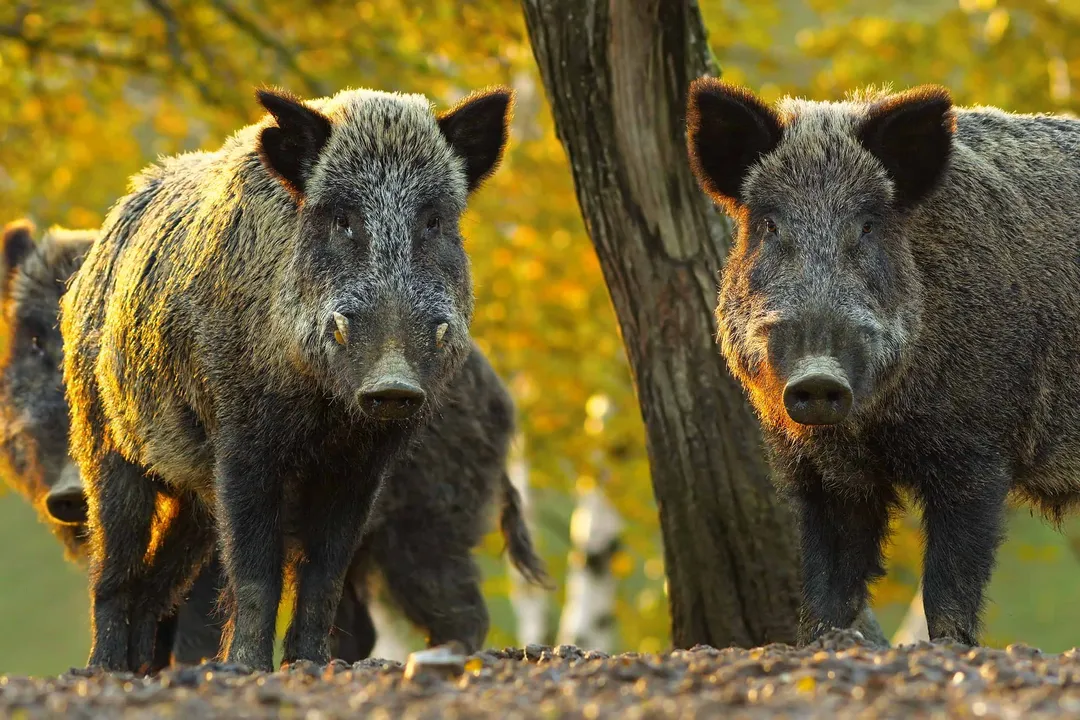
One of the most significant complexities arising from the Sus scrofa classification involves its relationship with the common domestic pig. Many authorities, including the American Society of Mammalogists (ASM) in some interpretations, recognize the domestic pig as a separate species, Sus domesticus. [1] However, other taxonomic viewpoints treat the domestic animal as a subspecies of the wild form, specifically Sus scrofa domesticus. [1][5] This difference is not merely academic; it reflects differing scientific opinions on whether domestication creates a distinct enough evolutionary break to warrant species status, or if the domestic form remains inextricably linked as a derivative of the ancestral wild population. [1] Feral populations found globally—those descended from escaped or released domestic pigs—further muddy the waters, as they are often a genetic mixture of pure European wild hogs and domestic stock, meaning few truly "pure" wild boar populations exist outside their original native range. [1]
This taxonomic tension has real-world implications, particularly when tracking invasive species. A document focused on invasive species management might use the broader term Sus scrofa to capture all introduced populations causing damage, irrespective of their precise genetic split from the Eurasian original, as their ecological impact is identical. [4][9]
# Subspecies Mapping
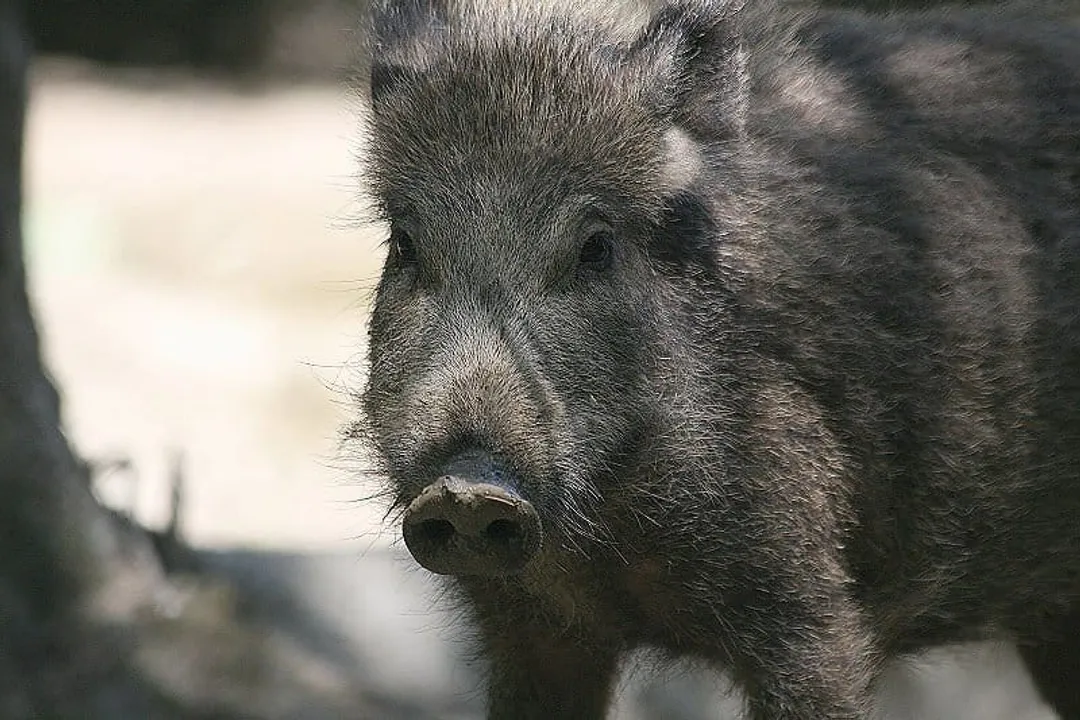
The wild boar’s historical range was vast, stretching across Eurasia and into Northwest Africa, making it one of the most widely distributed land mammals. [2][3] This immense distribution led to the recognition of numerous subspecies, often differentiated by geography and subtle physical traits. One source breaks this down into four main groups based on location, though it notes that their ability to interbreed makes strict demarcation challenging. [2]
The four geographically determined divisions include:
- Western: Incorporating subspecies like S. s. scrofa and S. s. meridionalis. These populations typically exhibit thick underwool and often possess high skulls with less developed manes. [2]
- Indian: Including S. s. davidi and S. s. cristatus. These forms are characterized by sparser underwool, longer manes, and noticeable bands of color on the snout and mouth. [2]
- Eastern: Covering subspecies such as S. s. sibiricus and S. s. ussuricus. A distinguishing feature here is often a whitish streak running from the corners of the mouth down to the lower jaw. [2]
- Indonesian: Represented by S. s. vittatus. This group is sometimes described as the least evolutionarily advanced in terms of cranial structure and teeth, featuring sparse body hair and a long mane. [2]
While these groupings are helpful for biogeographic study, the practical differences in anatomy or physiology between recognized subspecies are minor compared to the massive variation seen when comparing a wild boar to its domesticated cousin. For instance, looking across the gathered data, the weight range for S. scrofa is cited as 66 to 272 kg, with lengths from 153 to 240 cm, [6] yet another source suggests an average weight of around 135 kg, highlighting the general plasticity within the species classification. [5] This plasticity means that local environmental pressures—such as food availability or climate—can cause phenotypic shifts that might mimic the subtle differences used to define subspecies in the first place. [2]
This wide range of physical expression within a single species name Sus scrofa makes classification a matter of scale. While the overall species is globally categorized as Least Concern, [2] the situation for specific isolated island subspecies, like S. s. riukiuanus, can be drastically different, showing localized vulnerability due to habitat loss. [5]
# Status and Management Through Taxonomy
The scientific classification directly informs how conservationists and regulatory bodies view the animal. Globally, the IUCN Red List designates Sus scrofa as a species of Least Concern. [2][7] This high-level ranking reflects the species' large overall population and extensive distribution across Eurasia and other introduced areas. [2]
However, this global classification obscures local realities, particularly where the animal is non-native. In places like the southeastern United States, Hawaii, and areas of the Caribbean, feral swine resulting from introduced S. scrofa lineage are considered highly damaging invasive species. [1][5][6] The classification as an introduced, invasive vertebrate necessitates specific management strategies aimed at population reduction, which can range from regulated hunting, sometimes using specialized methods like "espera" hunting at night, to trapping and eradication efforts. [4][5] In these contexts, the classification Sus scrofa acts as a trigger for aggressive control measures due to the documented damage to agriculture, native flora, and fauna. [4][5][7]
Considering the invasive context, it is fascinating to note how management efforts sometimes clash with strict taxonomic adherence. When officials are culling feral populations to protect sensitive island ecosystems, such as in the Galapagos, the focus is on the destructive behavior associated with the general Sus scrofa phenotype, rather than on maintaining the genetic integrity of a specific subspecies. This practical application underscores that taxonomy serves two masters: one tracing evolutionary history (favoring the division of species/subspecies) and another managing ecological threats (favoring broad, actionable groupings). [4]
The distinction between the wild boar and the domestic pig is also relevant to disease ecology. Feral swine populations can serve as reservoirs for diseases transmissible to livestock, such as African Swine Fever, demanding intense surveillance in areas where wild and domestic populations interact. [9] The very classification that links them genetically also links them epidemiologically, demanding unified surveillance protocols based on the Sus scrofa complex. [5]
In summary, the scientific classification of Sus scrofa is a robust, multi-tiered system that anchors this creature firmly within the mammalian order Artiodactyla. [1][6] Yet, within that classification lies a rich area of scientific divergence, particularly regarding the status of domestic pigs and the numerous geographic subspecies. This structure, while scientifically sound, must be constantly reconciled with real-world ecological management, where the animal’s behavior—whether native or introduced—often dictates its fate on a local scale. [4][7]
Related Questions
#Citations
pig (feral), wild boar at large (Sus scrofa (feral type) Linnaeus)
Wild Boar (Sus scrofa) | U.S. Fish & Wildlife Service
Wild boar (Sus scrofa) longevity, ageing, and life history
Sus scrofa (Wild Boar) - Tsammalex -
Sus scrofa (wild boar) | INFORMATION - Animal Diversity Web
Wild Boar Animal Facts - Sus scrofa
Wild Boar (Sus scrofa) - British Mammals - Woodland Trust
Sus scrofa - NatureServe Explorer
Wild Boar - National Invasive Species Information Center (NISIC)