Why is the box tree moth a problem?
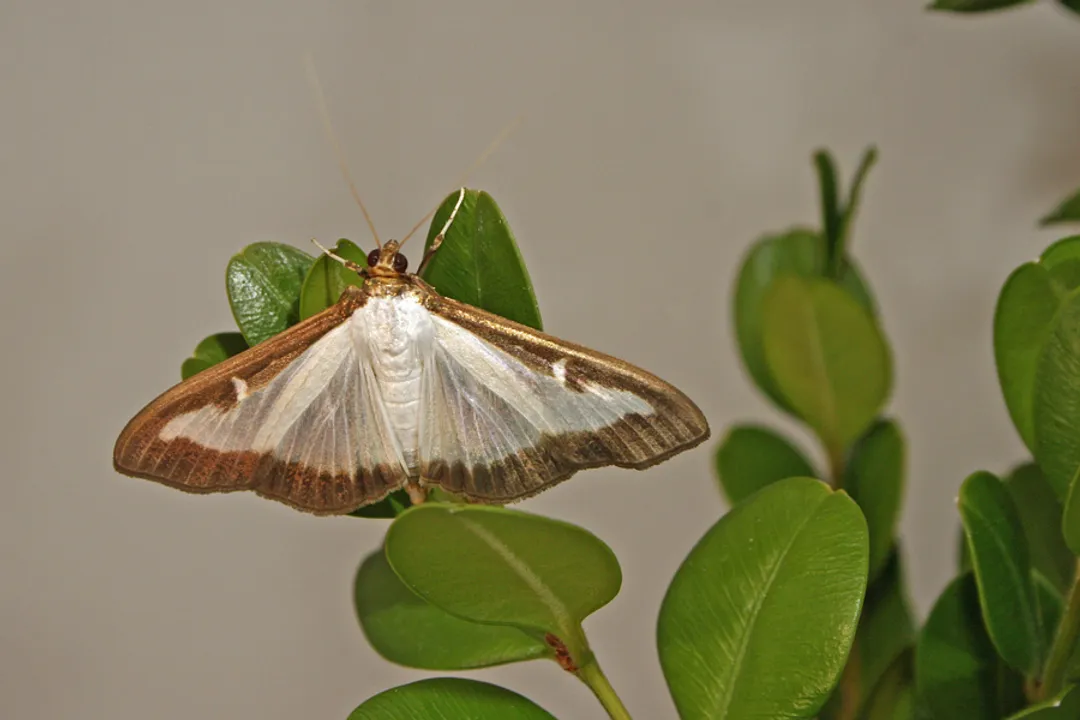
The appearance of the box tree moth, Cydalima perspectalis, marks a serious escalation in challenges for anyone cultivating Buxus—the beloved boxwood shrub. This isn't just another garden pest creating minor cosmetic blemishes; it is an invasive species capable of rapidly defoliating and ultimately killing established plantings if left unmanaged. [1][3][6] For decades, boxwood has been a staple in formal gardens, hedges, and foundation plantings due to its dense, evergreen nature, but this reputation is now severely threatened by a very determined, non-native caterpillar. [7][9]
# Invasive Arrival
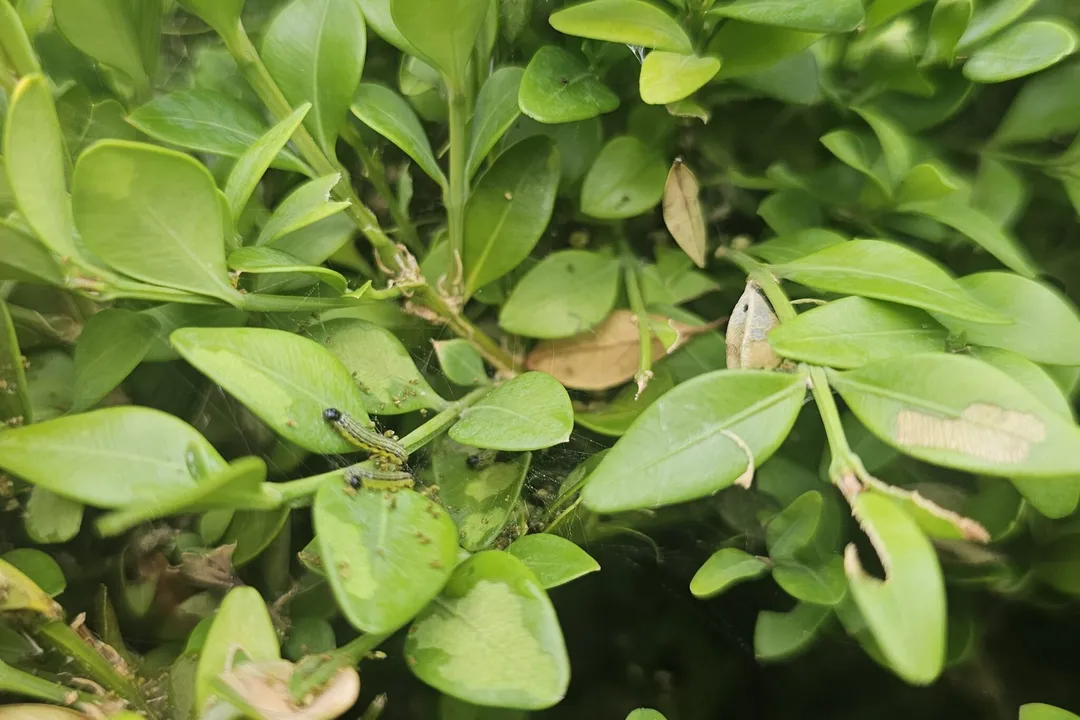
The box tree moth originates from Asia, but its introduction to North America and Europe has caused significant ecological and horticultural disruption. [3][9] It is a relatively new arrival in many regions, which means local ecosystems and gardeners have little built-in defense against its rapid population growth. [5] When an insect establishes itself outside its native range without the natural predators or diseases that keep its population in check, its spread can become exponential, leading to devastating localized outbreaks. [3] This lack of natural checks is precisely why it poses such a significant problem in newly invaded areas, such as parts of the US and Canada. [4][5]
# Caterpillars Devastate
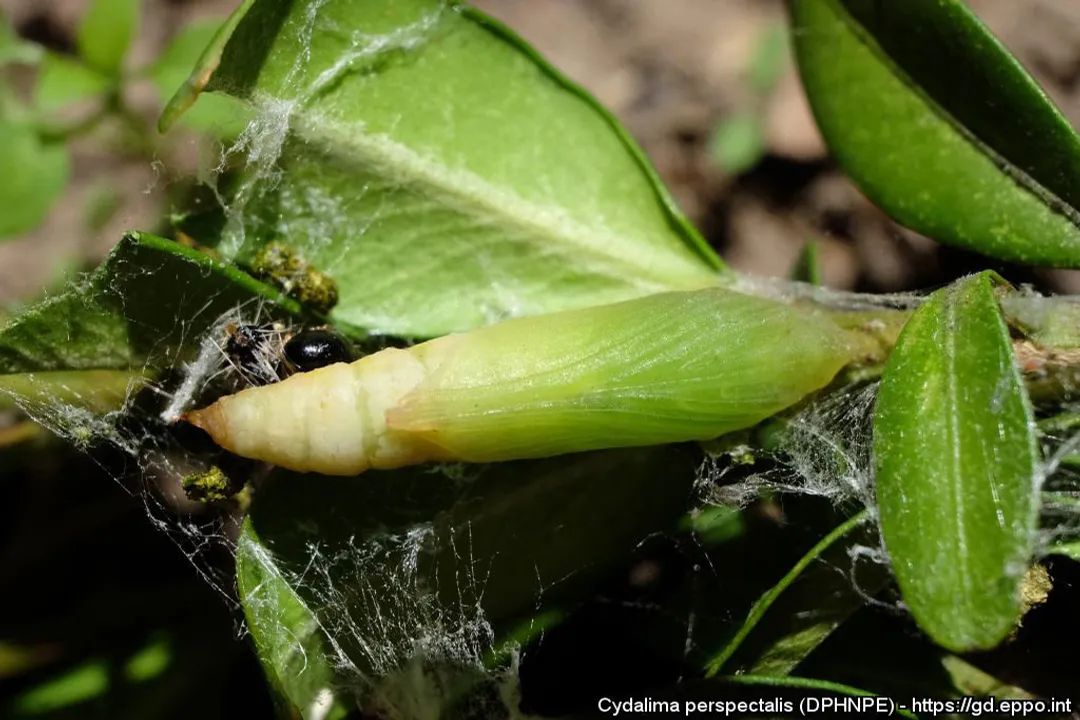
The destruction associated with the box tree moth is entirely the work of the larval stage—the caterpillar. [6][8] Adult moths are the dispersers, but they cause no direct damage to foliage. The caterpillars, which can range in color from light green to almost black with distinct striping, are voracious eaters. [1][8] They prefer to feed on the leaves of boxwood, often starting deep inside the plant canopy and working their way outward. [1][8]
The key sign of a heavy infestation is the near-complete defoliation of the shrub. When the caterpillars consume all the leaves, they expose the woody stems, turning lush green hedges into bare, skeletal structures in a matter of weeks. [1][5] If the infestation is severe or prolonged, the defoliated stems often die back, which is catastrophic for plants used as permanent structural elements in a landscape. [6] Furthermore, the presence of silk webbing, often interspersed with dark green or black frass (caterpillar droppings), is a telltale indicator that the feeding activity is currently underway. [8]
# Host Specificity
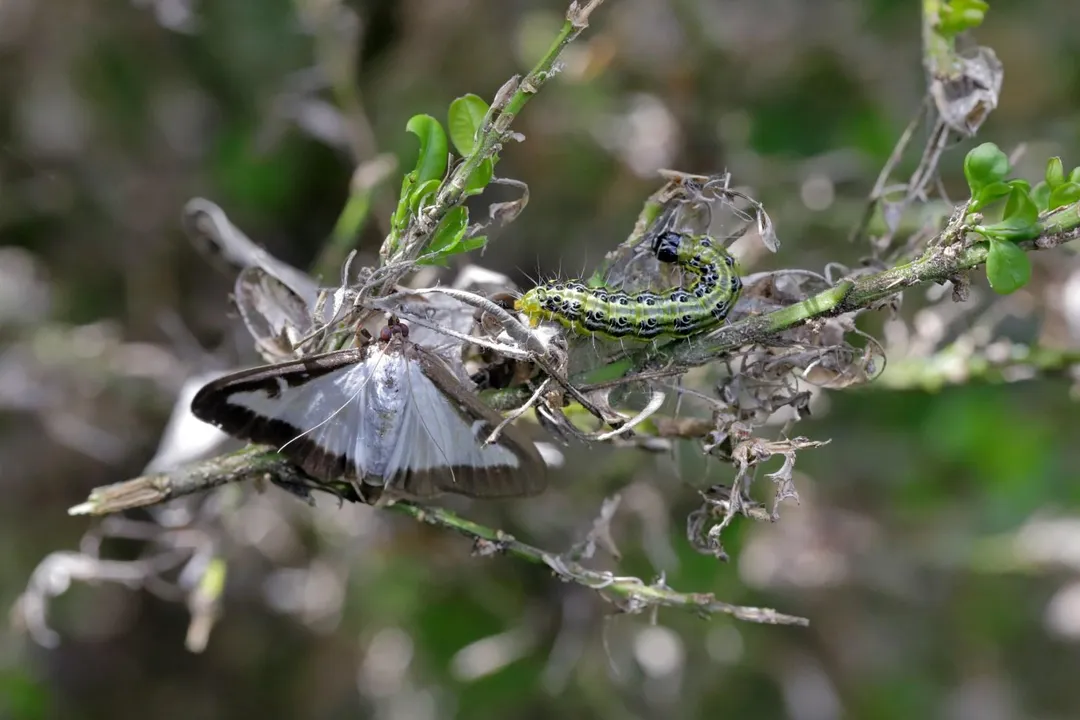
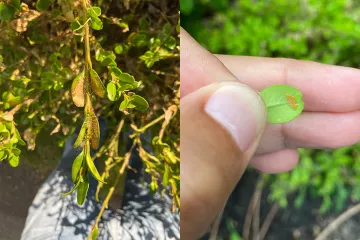
While many pests are generalists, the box tree moth shows a strong, almost exclusive preference for plants in the genus Buxus. [1][7][9] This specificity is what makes it such a particular threat to landscapes dominated by boxwood. While some sources note that other species like Ilex crenata (Japanese holly) or Euonymus species have occasionally been targeted when Buxus is unavailable, Buxus remains the primary, preferred host for population establishment and high-level damage. [8][9] This narrow host range concentrates the pest pressure entirely onto one of the most common evergreen landscape shrubs, creating high-value targets across residential gardens and commercial nurseries alike. [2][9]
# Multiple Generations
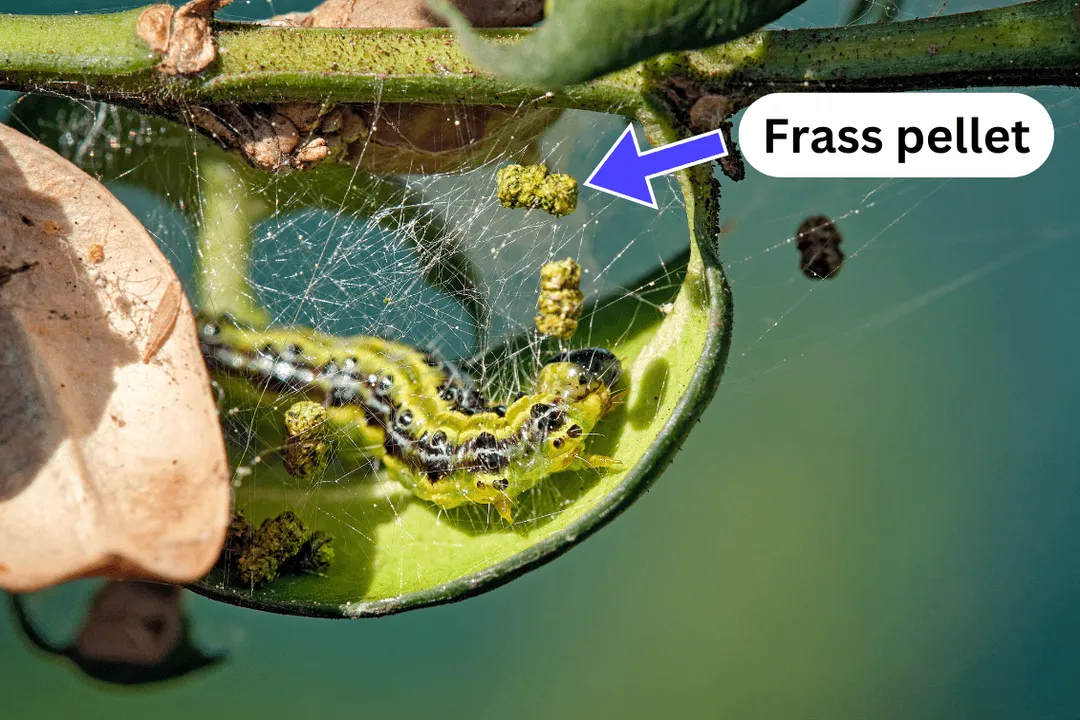
The problem is compounded by the moth's reproductive cycle. Box tree moths can produce multiple generations within a single growing season, depending on the climate. [8] In warmer areas, there might be two or even three overlapping broods of moths laying eggs, leading to a continuous cycle of leaf-chewing larvae from spring through fall. [8] This means a gardener might control one generation only to have a new wave of young caterpillars emerge shortly thereafter, demanding sustained vigilance rather than a single treatment application. If you wait until you see the damage, you are already dealing with the mid-to-late instars of the current generation, and the next generation may already be poised to start feeding. [2] Effective management often requires monitoring the appearance of the adult moths (using traps) to predict when the next clutch of caterpillars will hatch and begin feeding, rather than waiting for visible leaf damage to appear.
It is interesting to note that in regions experiencing their first few years of invasion, gardeners often report that early damage is sporadic, perhaps noticed on only one or two plants. However, as the local population builds up over 3 to 5 years, the sheer numbers of emerging adults lead to widespread, simultaneous infestations across an entire neighborhood—a pattern that can catch communities off guard if they haven't been actively scouting. [4]
# Managing the Threat
Because of the continuous threat posed by multiple generations, successful management strategies for the box tree moth must be proactive and integrated, not reactive. [2][8] Relying solely on one method is rarely sufficient when dealing with such a prolific invader.
# Scouting and Removal
The most fundamental first step is simple, hands-on scouting. Gardeners must regularly inspect the inside of their boxwoods, looking for signs of the small caterpillars or the telltale signs of webbing and frass, not just the adult moths fluttering around. [8] If an infestation is minor, handpicking the caterpillars and destroying them is an effective, non-chemical control measure. This technique is particularly useful for smaller, high-value plants where a chemical application might be undesirable. [2]
# Biological Approaches
For larger areas or more established infestations, biological controls offer a targeted approach. Products containing Bacillus thuringiensis (Bt), a naturally occurring soil bacterium, are effective against the young, actively feeding larvae. [2][8] Bt must be ingested by the caterpillar to work, meaning timing is everything; it is most effective when applied just as the new generation of small larvae begins to hatch and consume foliage. [2]
# Chemical and Mechanical Tools
When the infestation is severe or plants are highly valuable, chemical insecticides may be necessary, but these must be chosen carefully to minimize harm to non-target insects. [2][8] Pheromone traps are also a recognized tool, primarily used by professionals and serious hobbyists, not to eliminate the pest entirely, but to monitor the adult moth flight periods. [2] Knowing when the adults are active allows for the strategic timing of larval treatments, which is a form of management efficiency that saves time and resources.
One piece of practical advice for homeowners dealing with this pest involves recognizing the difference between environmental stress and moth damage. Boxwood often drops leaves naturally or due to drought. A key differentiator for a box tree moth infestation, even a light one, is the pattern of damage: look for leaves chewed down to the midrib, or small, visible silk threads binding leaves together, especially deep within the plant structure where the adults don't feed but the larvae thrive. [1] If you are treating a hedge, remember that the exterior leaves may look fine, but the interior may already be skeletonized, so pruning out sections for inspection is often necessary to gauge the true extent of the problem before deciding on a full treatment protocol. [7] The sheer density of foliage in a mature hedge means that initial larvae can feed for a long time before the resulting leaf drop becomes noticeable from the street, by which time the pest population may have already moved into its next, more damaging generation. [8]
Related Questions
#Citations
Are Box Tree Moths Dangerous? - Davey Blog
Box Tree Moth: Management Guide - Penn State Extension
Box Tree Moth | National Invasive Species Information Center
Preventing box tree moth damage to boxwoods? - Facebook
Box Tree Moth on Cape Cod: What Gardeners Need to Know
Box Tree Moth - UMD Extension - University of Maryland
Box Tree Moth Alert: What Gardeners Need to Know – Gullo's ...
Box Tree Moth - Cornell CALS
Box Tree Moth: Invasive Pest on Ornamentals & Nurseries