Why is penguin meat not commonly eaten?
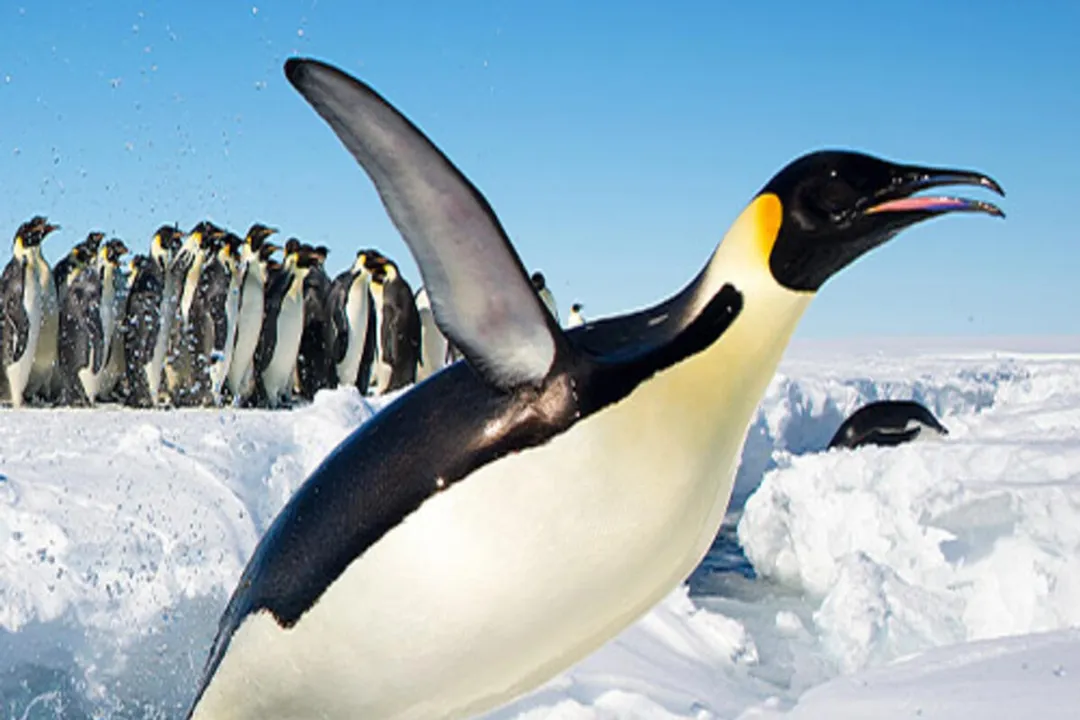
The Antarctic icon, that charming, waddling bird draped in formal black and white, rarely enters the modern culinary conversation, especially compared to more readily available poultry or seafood. The question of consuming penguin meat pops up occasionally, often sparked by curiosity about the unknown or by historical accounts of early explorers. Yet, the simple reality is that penguin meat is not a common feature on dinner plates anywhere in the world today. The reasons behind this are complex, involving a fascinating blend of evolutionary biology, stringent international law, and challenging logistics that make the idea of a penguin steak decidedly unappetizing, both literally and figuratively.
# Taste Profiles
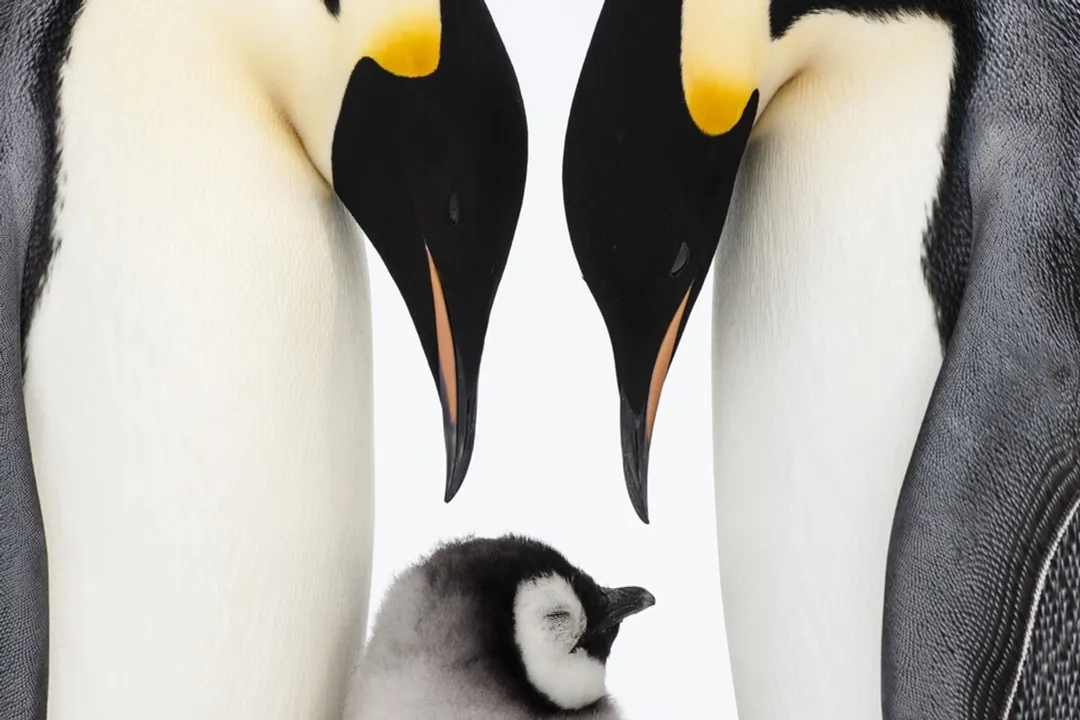
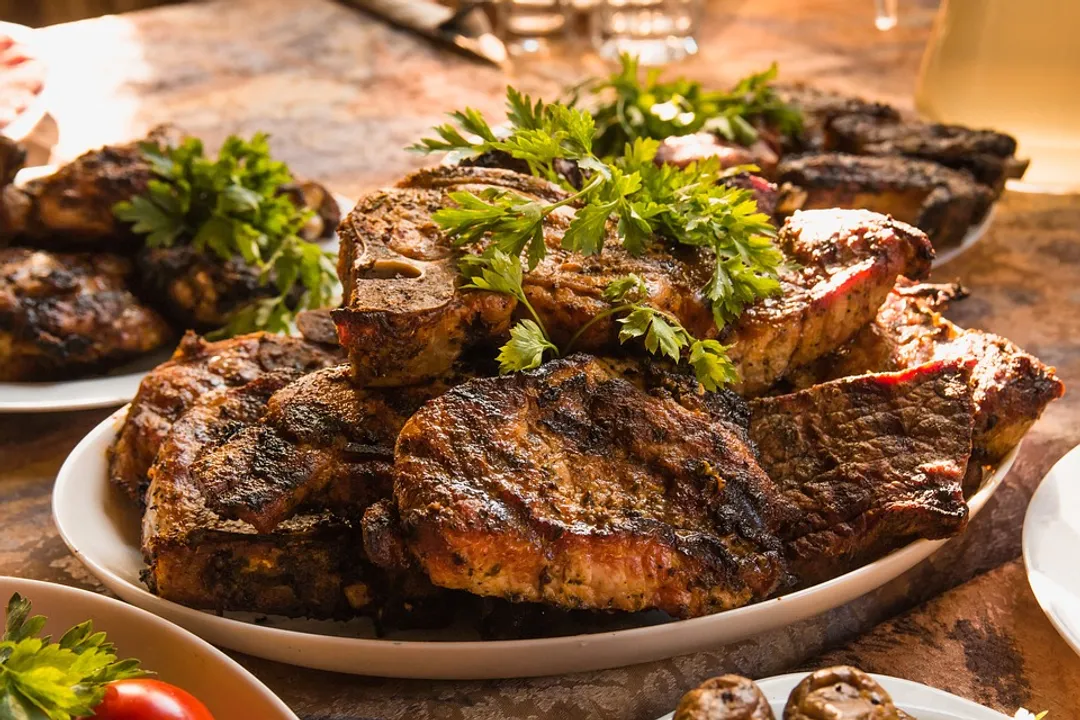
For any food to gain widespread acceptance, it generally needs to offer an appealing sensory experience. In the case of penguin, the descriptions of its taste are inconsistent, which in itself suggests a lack of broad culinary appeal. Those who have managed to sample it report varied experiences. Some accounts suggest the flesh is mild and carries a slightly sweet note. Other descriptions, however, paint a far less rosy picture, noting that the meat can be extremely fishy and generally unpleasant. Furthermore, due to their diet, which consists predominantly of fish, squid, and other marine life, the meat is often described as oily.
Human taste perception is finely tuned to detect several key compounds. We cherish the savory, meaty flavor known as umami, which signals high-protein, nutritious food, alongside sweetness, which signals energy-rich sugars. When you consider that penguin meat would likely lean heavily into a fishy profile—which our palates often associate with umami—the fact that these birds literally cannot taste that key component of their own diet becomes highly significant. It stands to reason that if an animal’s primary food source—rich in fishy umami—cannot even register as a satisfying flavor to the creature consuming it, the resulting culinary product might lack the complexity required to please the human palate, which actively seeks out that savory depth.
# Sensory Evolution
The most surprising reason why penguin meat might not be a delicacy lies within the penguins themselves. They possess a severely reduced sense of taste compared to humans and many other birds. A major 2015 genetic study examining several penguin species, including the Adelie and Emperor penguins, concluded that they lack the functional genes required to taste three of the five basic tastes: sweet, bitter, and umami (savory). This leaves them capable of detecting only salty and sour flavors.
This drastic simplification of taste is thought to be an evolutionary adaptation tied to their frigid home environment. Researchers hypothesize that the protein responsible for sending sweet, umami, and bitter signals to the nervous system—known as Trpm5—simply does not function effectively at the consistently low temperatures found in Antarctica, even if the penguin’s internal body temperature remains warm. With their mouths often reaching near-freezing temperatures when eating cold fish, the necessary sensory equipment may have simply degraded over millions of years because it was functionally useless.
The anatomical evidence supports this genetic finding. While the human tongue hosts four distinct types of papillae within our taste buds, studies indicate that penguins possess only a single type. This structure is specialized not for flavor detection but for physical function: their extremely spiky tongues are built for gripping and swallowing slippery fish whole. As one researcher noted, their behavior suggests they do not need complex taste perception; they observe the nutritional value moments before swallowing. From a consumer standpoint, this biological history suggests the meat might lack the robust flavor characteristics people associate with prized animal proteins.
# Legal Protection
Even if a chef somehow managed to procure penguin meat with a pleasing taste profile, the law strictly prohibits its commercial sale and consumption in most parts of the world. Penguins are subject to strict international conservation agreements, most notably the Antarctic Treaty. Several penguin species are officially listed by the International Union for Conservation of Nature (IUCN) as vulnerable or endangered, a status directly impacted by human activities like overfishing and habitat disruption.
This legal status means that hunting penguins, or even taking their eggs, is illegal without the specific permissions required by relevant governing bodies. The conservation focus is aimed at ensuring the species can successfully breed and maintain viable populations. When a food source is protected under international treaty due to population stress, the simple act of obtaining it for consumption moves from being a logistical challenge to a legal impossibility for the general public.
# Logistical Barriers
Beyond the taste and legality issues, the practicalities of sourcing penguin meat present near-insurmountable hurdles for any commercial food operation.
# Geographic Isolation
The most straightforward barrier is geography. The vast majority of penguin species reside in or near the Antarctic Circle, making them geographically remote from major human population centers and existing food supply chains. While some species exist in more temperate zones, such as New Zealand, Chile, and Argentina, the sheer effort required to harvest, process, and transport the meat from these isolated, often protected, environments is immense.
# Farming Inefficiency
Farming penguins for meat, similar to how we raise chickens or cattle, is not a viable economic model. Livestock farming works because the animals yield large quantities of meat relative to the resources they consume and their reproductive capacity. Penguins present the opposite scenario:
- Low Yield: They possess a high proportion of fat, necessary for surviving extreme cold, which is not the desired part of the carcass for meat production.
- Slow Reproduction: Penguins typically have a very low reproductive rate, often producing only one chick per year, which is insufficient to support sustained harvesting or farming operations. In contrast, poultry like chickens "churn out babies like a machine".
If we were to put this into a crude comparison of potential yield versus investment, a single cow can produce hundreds of pounds of meat annually and calve yearly, whereas a penguin’s annual contribution of edible meat would be a fraction of that, making the energy input required for management, specialized cold housing, and feeding astronomically high per pound of meat produced. Furthermore, when on land, they are known to develop a strong, unpleasant odor, often likened to heavily soiled bird droppings, which would pose significant processing and handling issues.
# Safety and Preparation
Even historical consumption by explorers highlights safety concerns. Because penguins inhabit very cold environments, their raw flesh carries a risk of parasites and other diseases that modern consumers are unaccustomed to, necessitating thorough cooking. To mitigate this, the meat would need to be cooked until it is steaming hot throughout. Moreover, depending on the species and their diet, the meat can accumulate high levels of mercury, rendering it unsafe for regular human consumption. This necessitates sourcing meat only from specific, proven, non-contaminated individuals, a process nearly impossible to control outside of traditional, localized consumption practices. Historically, early explorers who did try them—and their eggs—often found the results "extremely fishy and unpleasant" and did not integrate them into their regular diet.
For those rare cultural exceptions where penguin eggs might have been consumed traditionally, such as by some Inuit communities in Antarctic regions, the practice is now strongly discouraged as it is unsustainable and deprives chicks of essential nutrition needed for growth.

# Historical Context and Modern Ethics
Historically, consumption occurred primarily out of necessity, not preference, by people like early Antarctic explorers facing starvation. Today, with readily available, safe, and plentiful food sources globally, the need to consume an animal that is legally protected, difficult to harvest, potentially tainted with mercury, and tastes largely of fish is non-existent.
The modern lens of conservation views these birds with increasing empathy and protective fervor. The collective societal value placed on preserving unique wildlife outweighs any fleeting curiosity about their flavor profile. The fact that the genetic makeup of penguins suggests an inherent disconnect between the taste of their food and their own sensory experience—they are essentially eating flavorless sustenance—serves as a final, almost poetic reason to leave them off the menu. The overwhelming consensus, supported by biology, law, and logistics, confirms that penguins are best appreciated alive, well-protected, and far from the dinner table.
Related Questions
#Citations
ELI5 Why don't people eat penguins? : r/explainlikeimfive - Reddit
Pity For Penguins: They Can't Taste Their Dinner
Why Penguins Can Only Taste Salty and Sour Foods | AMNH
Would Penguins Like Chinese Food? - National Audubon Society
What does penguin meat taste like? - BlogChef