What is a penguin's favorite food?
The simple inquiry into what a penguin prefers to eat quickly unravels into a complex picture dictated by ocean currents, latitude, and the specific demands of their life cycle. While there isn't a single "favorite food" universally applicable to all approximately 18 species, the consensus among experts points overwhelmingly toward three main categories: fish, krill, and squid. The true favorite seems to be whatever is most abundant, nutritious, and available in their local hunting grounds.
# Primary Prey Types
The foundation of the penguin diet across the globe revolves around small marine life that aggregates in large, easily exploitable schools or swarms.
Fish are the cornerstone for many species, particularly those found further north or in regions like South Africa. For the African penguin, the most vital food source is small, nutrient-rich schooling fish, with anchovies and pilchards being critically important for survival, especially during breeding when they need high energy reserves to fast while tending chicks. In zoo settings, similar small, energy-dense fish like capelin, herring, and smelt are often provided to mimic natural prey.
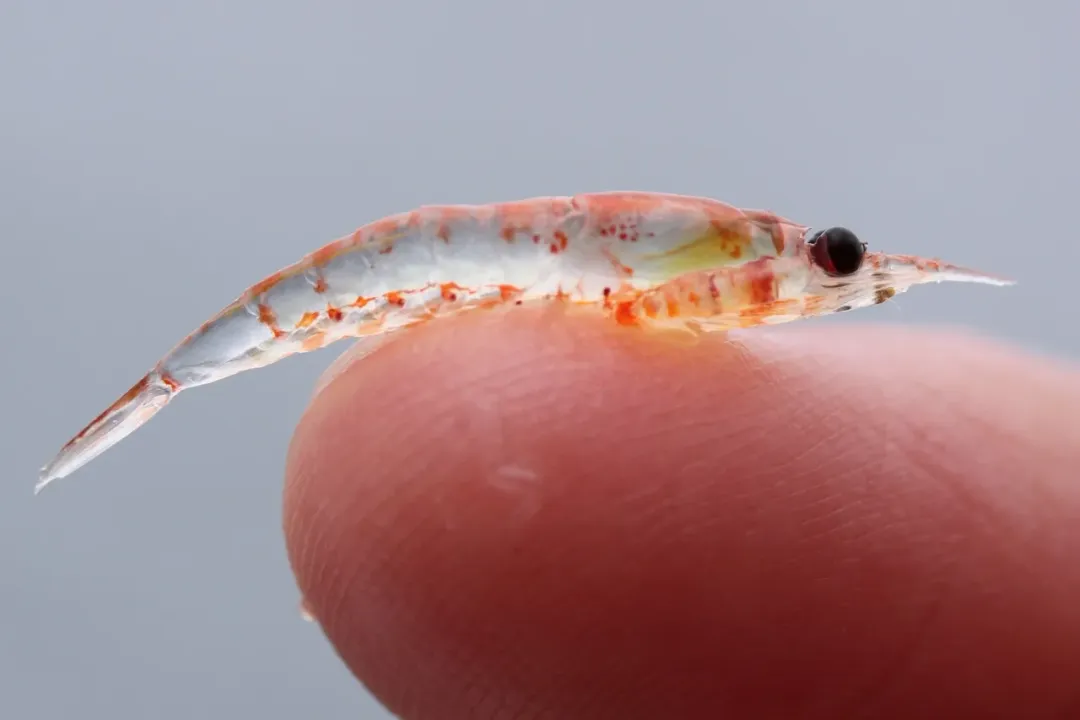
However, the picture changes dramatically in the colder, more Antarctic environments. The smaller penguin species there, such as the Adélie and chinstrap penguins, have adapted to make krill—small, shrimp-like crustaceans—their main dietary staple. Krill form massive swarms, making them a reliable, if sometimes less calorically dense, target.
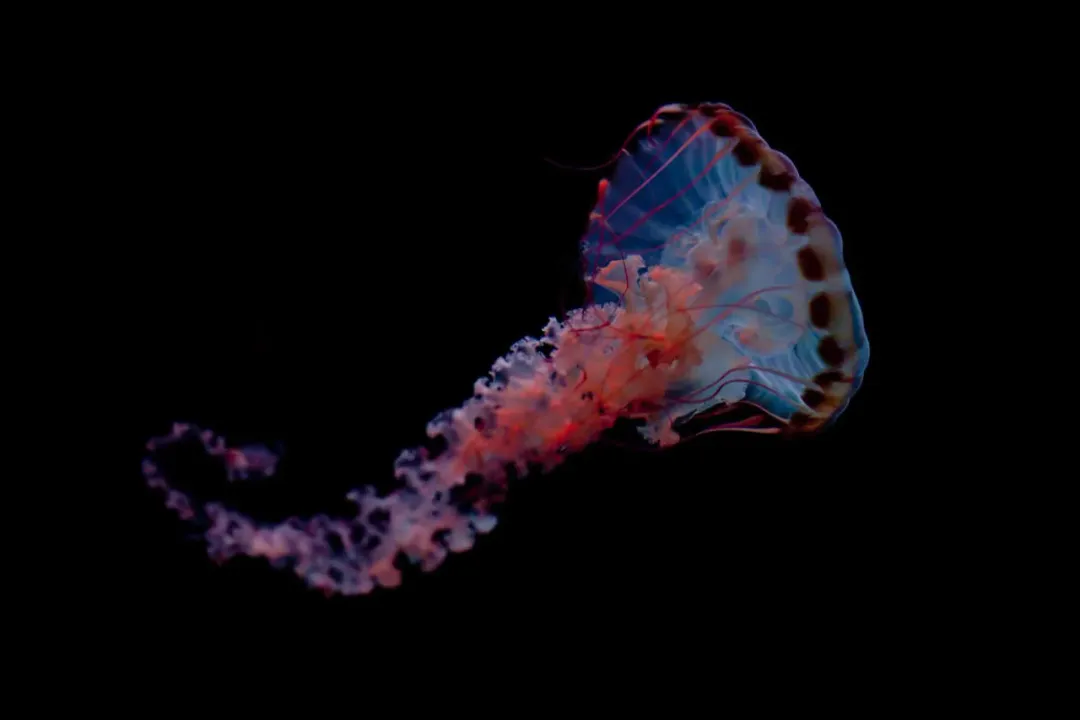
Squid round out the primary trio, routinely consumed by species like the Gentoo, rockhopper, and Emperor penguins, especially when these cephalopods migrate in large seasonal numbers, offering a quick energy payoff.
# Diet by Latitude

A helpful way to categorize preference is by geography, which influences the available prey. The smaller species inhabiting the Antarctic and sub-Antarctic waters lean heavily on krill and squid. Conversely, species residing in more temperate or northern waters tend to focus on fish.
The largest species, like the Emperor penguin, primarily target a specific icy fish called Pleuragramma, which resembles European herring, supplemented with squid and krill. King penguins, similarly, mostly eat smaller schooling fish, specifically lanternfish (which come near the surface at night), though they will take squid occasionally.
It is fascinating to consider how closely human demands align with penguin appetites. When human activities, like overfishing, deplete the preferred, calorie-rich prey—such as anchovies near South Africa—penguins are forced to consume alternative fish species. These substitutes, like Atlantic horse mackerel or pelagic goby, often lack the necessary nutrients. This forces penguins to hunt longer and expend more energy just to maintain themselves, let alone feed their young.
# Species Snapshot
For a quick reference, understanding which prey dominates for some key species helps illustrate the dietary variance:
| Penguin Species Group | Primary Diet Focus | Key Prey Examples |
|---|---|---|
| Antarctic/Sub-Antarctic (e.g., Adélie, Chinstrap) | Crustaceans (Krill) | Large and small krill |
| Larger Southern (e.g., Emperor, King) | Fish and Squid | Pleuragramma (icy fish), lanternfish, squid |
| Temperate/Northern (e.g., African) | Fish | Anchovies, pilchards, sardines |
| Crested Varieties (e.g., Rockhopper) | Crustaceans (Krill-like) | Squid and fish opportunistically |
This variation in preference is ecologically important, as it reduces direct competition for resources between different penguin colonies living in proximity.
# Hunting Techniques
A penguin's entire body is engineered for aquatic predation. They hunt exclusively at sea, generally staying relatively close to the surface, often within 50 to 60 feet. While vision is their primary tool for locating prey, scientists theorize that in the deep ocean or at night, they may be aided by the bioluminescence emitted by some of the squids and fish they pursue.
Once prey is spotted, they catch it using their bills and immediately swallow it whole while still swimming. This process is made possible by specialized anatomy: a spiny tongue and powerful jaws that secure the slippery catch.
An interesting behavioral adaptation seen in some species, particularly the Galápagos penguin, involves group hunting. They have been observed feeding alongside other seabirds like flightless cormorants and pelicans. This pursuit-diving strategy can effectively keep schools of prey animals near the surface and shore for longer durations, making the overall feeding session more successful for the entire flock.
For species living near the ice edge, like some Antarctic penguins, foraging grounds can sometimes be inaccessible due to solid ice cover. In these situations, they have been observed making use of seal holes or other openings in the ice to access their food sources below.
# Dietary Quirks and Survival Tactics
Beyond the standard diet, penguins exhibit some highly unusual feeding behaviors related to digestion and survival. One of the most curious aspects is stone swallowing. While some stones found in necropsies might be accidental inclusions, certain species, including King, Rockhopper, and Macaroni penguins, are seen deliberately ingesting stones.
There are several working theories for this behavior. One suggests the stones help reduce buoyancy while the penguin is diving deep to hunt. Another idea is that they might help alleviate the sensation of hunger during fasts. A third, especially for chicks of rockhopper and macaroni penguins, is that the stones act as grit to help grind up the tough exoskeletons of the crustaceans they consume. Observing King penguins intently selecting stones, throwing their heads back, and swallowing them one after another—sometimes doing so several times a minute—shows this is a focused, purposeful activity, not random ingestion.
Another key survival tactic that dictates when and what they eat is fasting. Penguins undergo annual periods where they cannot enter the water to feed. This occurs most notably during molting, as losing their feathers compromises the insulation and waterproofing needed to survive in cold water. They rely entirely on the fat reserves built up beforehand until the new plumage grows in.
Fasting is also crucial during the breeding season. For example, breeding male Emperor penguins can endure fasts between 90 to 120 days while they incubate the eggs, relying solely on stored energy until the female returns or the chick hatches and is fed. This intense, pre-planned starvation highlights how critical securing a high-calorie diet before these periods is to their overall reproductive success.

# Hunting Efficiency and Coloration
The interaction between penguin predators and their prey reveals an interesting evolutionary parallel. Because fish tend to swim in schools as a defense mechanism against predators like penguins, the prey fish exhibit strategies to break up these defensive formations.
Consider the banded penguins, such as those in the genus Spheniscus (like the African penguin). These birds possess at least one prominent black stripe around their bodies. One intriguing theory suggests that this conspicuous marking might actually confuse schooling prey, causing individual fish to break away from the main group. This separation would make the individual fish an easier target for the pursuing penguin, thus increasing the efficiency of its hunt. The fact that many other penguin genera, which do not focus heavily on schooling fish, lack this kind of bold striping further supports this concept of diet-driven counter-adaptation in appearance. It’s a silent, visual game of cat and mouse played out under the waves.
The sheer volume of food required to sustain penguin populations is staggering. For instance, the entire breeding population of Adélie penguins consumes an estimated 1.5 billion kilograms (1,500 metric tons) of krill annually, alongside substantial amounts of fish and squid. This immense scale of consumption underscores why any disruption to the marine food web has such immediate and severe consequences for their survival.
Related Questions
#Citations
All About Penguins - Diet & Eating Habits | United Parks & Resorts
What do penguins eat? - Two Oceans Aquarium
food information about penguins - Pinguins info