What does the kudzu bug eat?
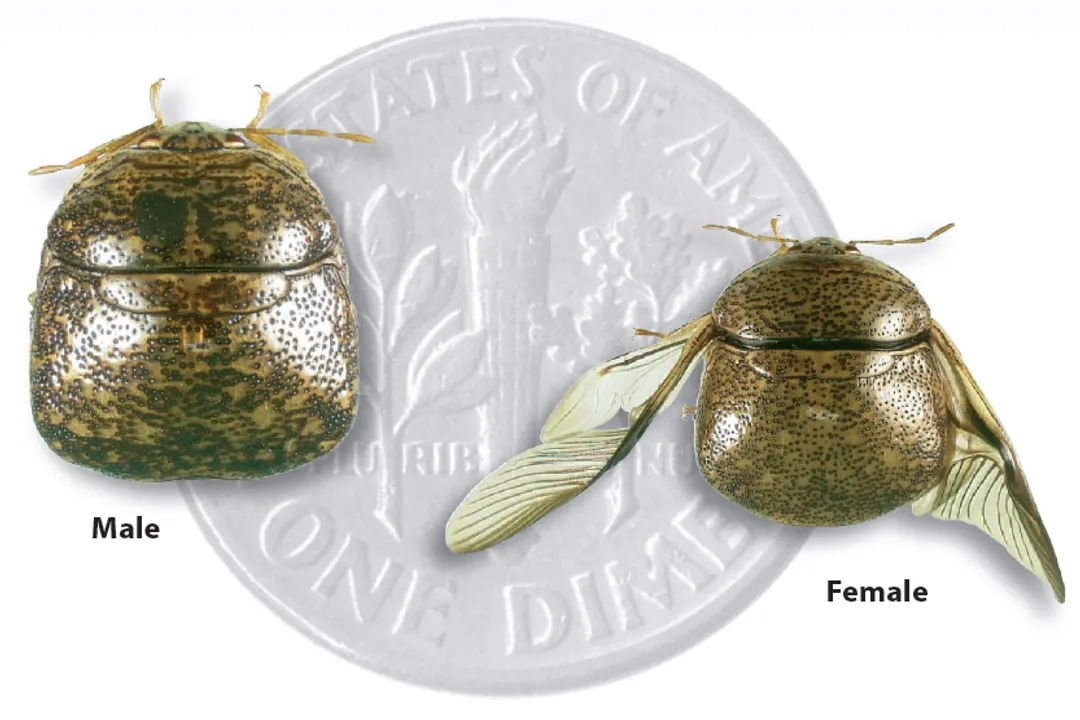
The kudzu bug, formally known as Megacopta cribraria, is an insect that quickly became infamous across the southeastern United States following its introduction around 2009. [3][4] While its name immediately suggests a singular obsession, the reality of its diet is more complex, dictating both its pest status on agricultural lands and its curious behavior around human dwellings. [1] As a member of the order Hemiptera, this creature possesses specialized piercing and sucking mouthparts, meaning it doesn't chew or tear at plant matter; instead, it taps directly into the plant’s vascular system to draw out essential nutrients and moisture. [2][6][9]
# Primary Target

The quintessential food source for the kudzu bug, and the plant that gave it its common name, is the invasive kudzu vine itself. [6][9] Kudzu, often called the "vine that ate the South," grows rapidly, sometimes over a foot in a single summer month. [4] When the bug feeds on kudzu, it can actually provide a slight, though inconsistent, ecological benefit by stalling the vine's biomass growth by up to 30 percent. [4] This feeding occurs as the bug pierces the plant's veins to consume sap. [9] For the bug, this preferred host plant is where the first generation of offspring develops after the adults emerge from overwintering sites in the spring. [2]
# Legume Relatives
Although kudzu is its favorite, the kudzu bug is far from a specialist that starves if its namesake plant is absent. This insect is an herbivore that targets plants within the legume family, Fabaceae. [2][3][5] Once the initial spring flush of kudzu is underway, or when later generations seek new hosts, agricultural crops become highly susceptible targets. [1][2]
Soybeans are perhaps the most economically significant alternative host. [1][3][9] The second generation of bugs frequently migrates from kudzu into soybean fields around mid-summer. [1] Heavy infestations on these crops have historically resulted in significant yield reductions, recorded at levels nearing 20 to 47 percent in early invasion years in places like Georgia. [2][4] Another legume commonly utilized by the bugs for feeding and reproduction is wisteria. [1][5][6] Beyond these two major hosts, the diet broadens to include other cultivated beans and peas, such as edamame, sweet peas, snap beans, and cowpeas. [1][6][9] In a typical season, a nymph might be observed feeding on leaf veins, while both nymphs and adults draw sap from the stems. [5]
# Feeding Action
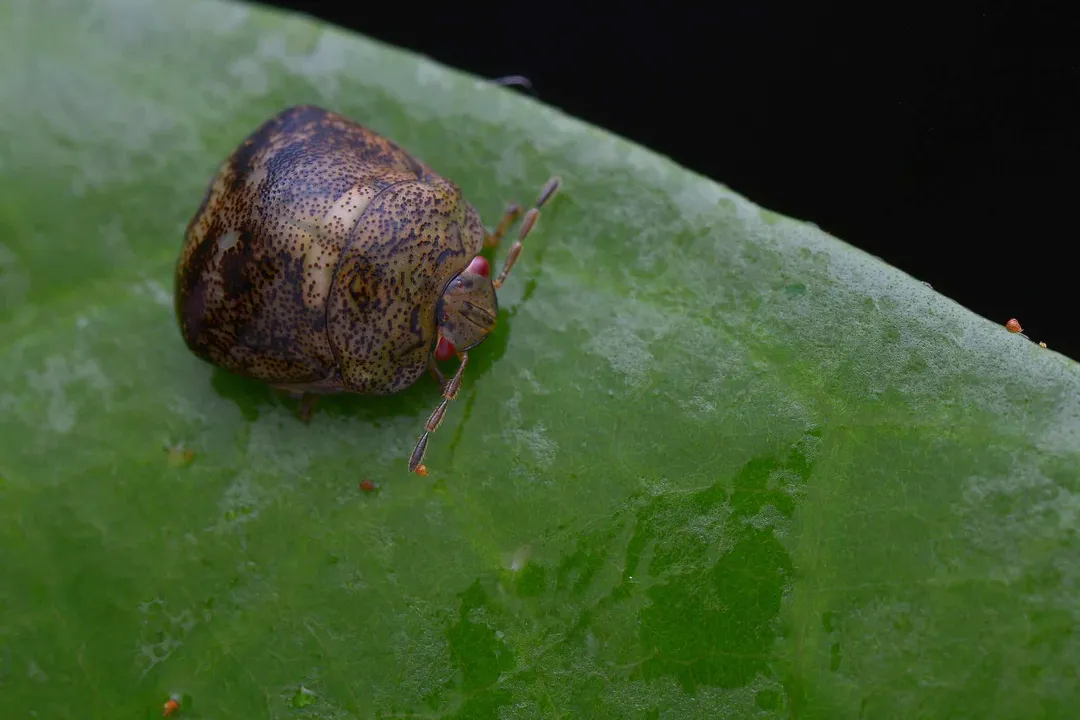
The method by which the kudzu bug consumes its food is consistent across all its host plants: it is a phloem feeder. [2] This process involves puncturing the plant tissue—stems or veins—to access the nutrient-rich sap. [5][9] The damage is not caused by tissue removal, as seen with chewing insects, but rather through the direct extraction of moisture and nutrients, leading to overall plant health decline. [2][5] Furthermore, this feeding activity sometimes leads to the development of sooty mold on the leaves, a result of sugary excretion, which subsequently reduces the plant’s ability to photosynthesize effectively. [5]
# Seasonal Shifts
Understanding when the bugs feed is nearly as important as knowing what they eat, especially for those trying to protect ornamental or garden plants. The feeding cycle is tied closely to the two generations per year in the invasive range. [2]
- Early Spring: Overwintered adults emerge and move to early hosts. Sometimes, they are observed clustering on non-legume garden plants like eggplant or other vegetables. [1] Crucially, this early aggregation is often transient; the bugs usually move on within a day without causing lasting damage, as their primary development hosts are not yet fully available. [1]
- Mid-Summer: The first generation matures, and the resulting second-generation adults begin moving into crops like soybeans that were planted later or are maturing later in the season. [1][5] This marks the peak of their agricultural impact phase. [2]
- Fall: As temperatures drop, the bugs cease feeding and actively seek protected sites to overwinter, often congregating on the sunny, light-colored sides of buildings rather than on plants. [1][6][9]
When considering the timing of protecting vegetable gardens, for instance, one might observe the first generation nymphs developing on nearby kudzu or wisteria in late spring/early summer (late May or early June). [6] This period, when nymphs are actively feeding and developing, is when a gardener might choose to target treatments on susceptible legumes like green beans, as spraying the nymphs is believed to be more effective than targeting the harder-to-reach adults. [6]
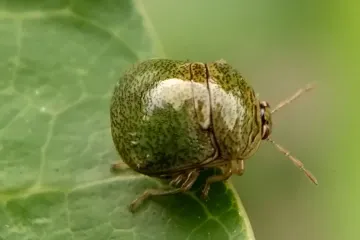
A peculiar observation that gardeners might make centers on the initial dispersal phase. If you see a mass of these greenish-brown, oval-shaped bugs on an ornamental shrub in early spring, resist the urge to immediately treat it with broad-spectrum insecticides designed for pests that actively chew leaves. Since the bugs are merely resting or aggregating before migrating to their primary legume hosts, unnecessary treatment eliminates beneficial insects and leaves cash crops vulnerable later in the season. [1][5] The insect’s need for the high-nitrogen content found in the sap of the legume family is the driving force behind its eventual shift to soybean or bean fields, even if it takes a short detour onto non-host plants first. [2][3]
# Bug Comparison
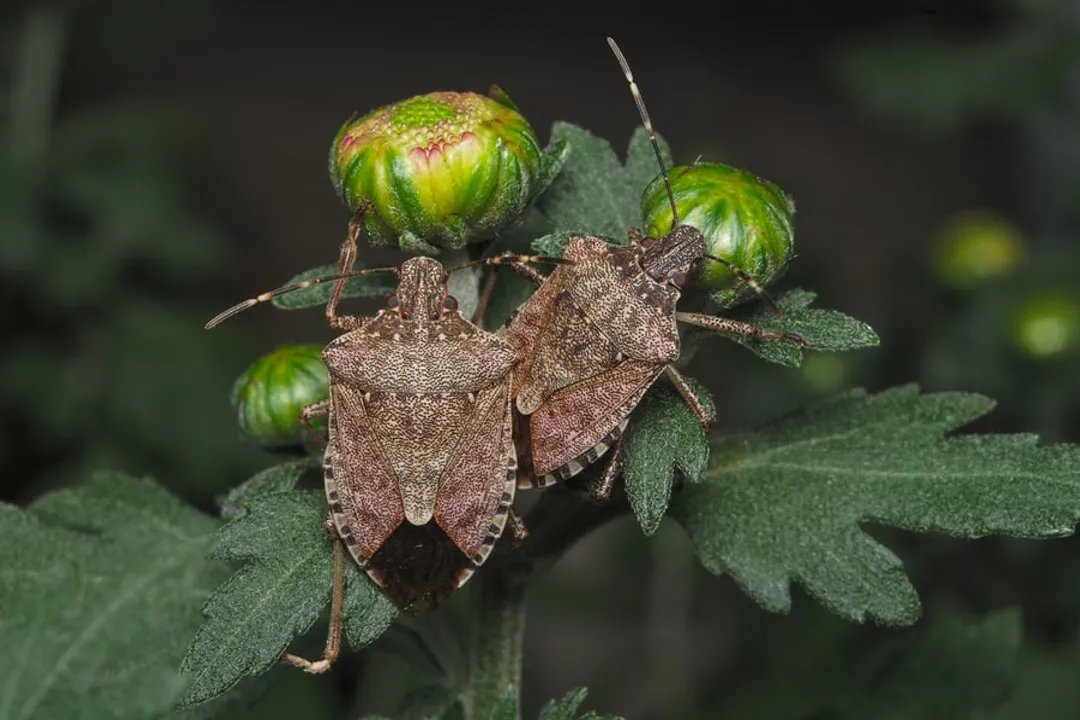
It is common for new arrivals like the kudzu bug to be confused with established insects, particularly stink bugs, both of which belong to the order Hemiptera and share the trait of emitting a foul odor when threatened. [2][7][9] While both utilize piercing mouthparts to suck plant juices, their preferred feeding niches differ. [7][9] Stink bugs, like the brown marmorated stink bug, are known to feed on a wider array of hosts, including many ornamental plants, fruit trees, and vegetables, causing visible damage like dimpling on fruit. [7][9] The kudzu bug, conversely, shows a much narrower, though devastating, preference, centering almost entirely on the specific plants within the legume group. [3][7] Distinguishing them is important because management strategies, especially cultural controls like removing nearby host plants, are specific to the target pest. [7]
The true nature of the kudzu bug’s dietary requirement presents an interesting ecological conundrum for the region it has invaded. On one hand, its established presence means there is a natural enemy for the sprawling, ecosystem-altering kudzu vine, offering a level of biological suppression not seen before its arrival. [4][8] On the other hand, its binding requirement for the Fabaceae family means that as it successfully controls kudzu, it simply refocuses its sap-sucking efforts onto vital agricultural commodities like soybeans. [2][4] This ecological dependency—feeding on one invasive plant while simultaneously becoming a pest to an intentionally grown one—highlights a delicate balance, especially since the bug's population has recently seen a natural decline due to native soil fungi like Beauveria bassiana. [2][4] This dependence on a single plant family means that the spread of the kudzu bug is inherently linked to the agricultural geography of the region; areas heavily invested in soybean production face a higher risk of economic feeding damage than areas where only wild kudzu dominates. [5][9]
#Videos
Everything you need to know about Kudzu and the Kudzu Bug
Related Questions
#Citations
Everything You Need To Know About Kudzu and the Kudzu Bug
Kudzu Bug, Megacopta cribraria, a pest of soybeans
KnowYourInvasives: The Kudzu Bug
Everything you need to know about Kudzu and the Kudzu Bug
Kudzu Bug - UK Entomology - University of Kentucky
Kudzu Bug Insect Facts - Megacopta cribraria - A-Z Animals
Kudzu Bugs vs. Brown Marmorated Stink Bug: What's the Difference?
Kudzu bug in Texas - Insects in the City
Kudzu Bugs and Stink Bugs: The Ultimate Guide | PF Harris