What attracts kudzu bugs?
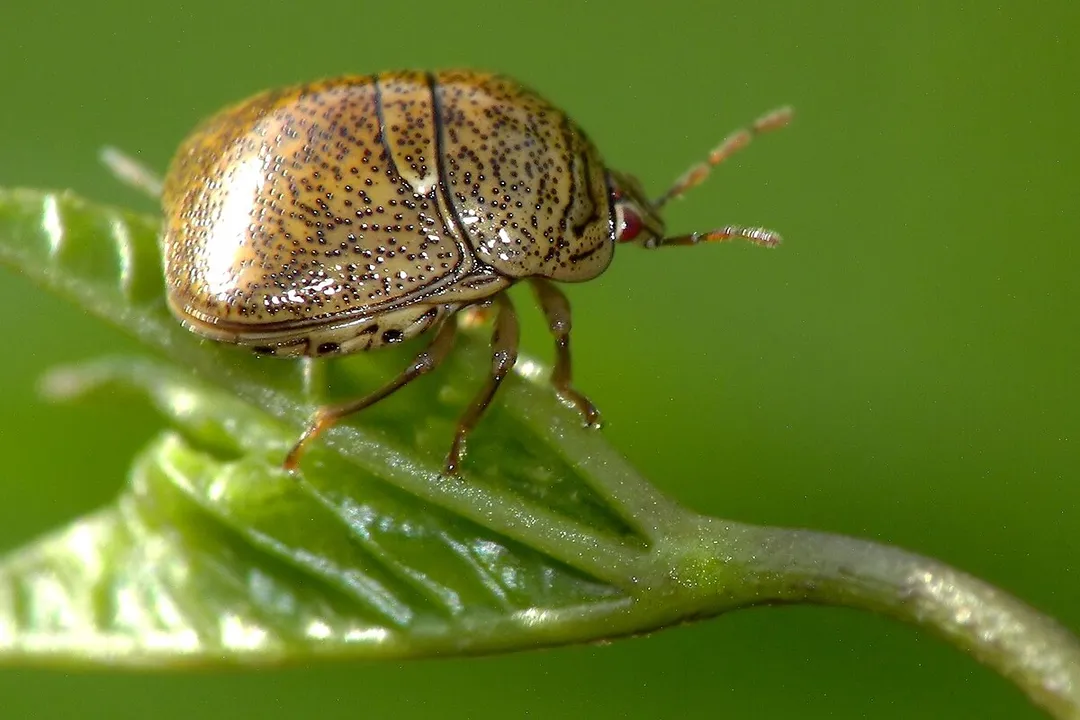
The arrival of the kudzu bug, Megacopta cribraria, often brings with it a wave of questions from homeowners trying to understand why these small creatures have suddenly decided their siding, windows, or even indoor spaces are the perfect destination. These tiny brown or black insects, sometimes reaching about one-fourth of an inch in length, are native to Asia and have become a significant presence in parts of the United States, particularly where their namesake host plant thrives. [9][7] Understanding their primary motivations—what calls them out of the vegetation and into human structures—is the first step toward managing their nuisance factor. [2]
# Bug Identity

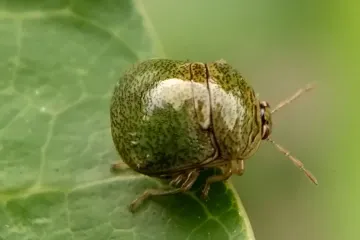
To grasp what attracts the kudzu bug, recognizing its appearance helps distinguish it from other common invaders. Adult kudzu bugs are generally oval-shaped and somewhat convex, often described as looking like a tiny, rounded lady beetle, though they are not true beetles. [1][9] Their coloration typically ranges from brown to black, and they possess two pairs of wings. [1] A key identifier, though sometimes subtle depending on the light, is the presence of four distinct pale spots on the upper surface of their wings. [9] Interestingly, young kudzu bugs, or nymphs, appear slightly different, often being reddish-orange when very young before transitioning to a mottled appearance as they mature. [9] These insects are part of the order Hemiptera, often called true bugs, which includes relatives like cicadas and leafhoppers. [9]
# Host Plant Draw

The most fundamental element attracting the kudzu bug is its namesake food source: the kudzu vine, Pueraria montana var. lobata. [2][7] Kudzu is an aggressive, fast-growing, invasive plant that blankets vast tracts of land in the Southeastern US. [7] The kudzu bug feeds exclusively on this plant, utilizing piercing-sucking mouthparts to extract the sap from the leaves and stems. [2][7] This specialized diet means that any area dense with healthy kudzu is a prime feeding ground and reproductive habitat for the bug population. [2] The sheer abundance of this host plant in certain areas creates a massive reservoir from which the bugs emerge throughout their active season. [2]
When the bugs are actively feeding and reproducing during the warm months, their attraction is purely biological: sustenance and propagation, centered entirely around the kudzu patch. [2] They are frequently observed congregating on the vines, sometimes to the point where heavy feeding can cause the leaves to turn yellow or bronze. [2] If you find them heavily present in your yard during the summer, tracing their activity back to the nearest large patch of kudzu is almost always the answer to their location.
# Light Seeking
While kudzu draws them in during the growing season, a different stimulus begins to take precedence as the weather cools: light. [1] Kudzu bugs, like many other occasional invaders such as stink bugs and boxelder bugs, exhibit positive phototaxis, meaning they are drawn to light sources. [1] This attraction becomes particularly noticeable when the bugs begin their migratory phase seeking overwintering sites. [6]
As evening approaches, or when the ambient temperature drops, the bugs become increasingly attracted to lights emanating from homes and buildings. [6] This is often why people first notice them congregating on exterior walls near porch lights or windows. [1] It is important to note the difference between the feeding attraction (kudzu) and the directional attraction (light/shelter). [2][6] While the kudzu provides the population base, artificial light acts as a beacon, directing these migrating bugs toward human structures, especially as they prepare for hibernation. [1][6]
# Seasonal Movement
The timing of attraction is heavily dictated by the season, revolving around the bug’s life cycle and the need to escape unfavorable winter conditions. [2][6] Kudzu bugs generally have multiple generations within a single growing season, peaking in activity as late summer transitions into fall. [2]
When temperatures begin to drop in the fall, the adult bugs become motivated to find dry, protected spaces to spend the winter—a process known as diapause. [2][6] This critical shift in behavior changes their environmental focus from feeding (kudzu) to seeking shelter (structures). [2][6] They are not interested in feeding indoors; they are simply looking for refuge from the cold. [6] This is when the attraction to the warmth and light spilling from windows and doors becomes most problematic for residents. [1]
It is during these migratory periods, often triggered by seasonal shifts, that large aggregations of bugs can appear suddenly on the sunny, south or west-facing walls of houses. [6] These bugs will often cluster on siding, window screens, and under eaves, attempting to find small cracks or openings to enter. [2]
Here is a comparative look at the primary attraction drivers based on the seasonal need:
| Season | Primary Attraction Driver | Target Location/Behavior | Motivation |
|---|---|---|---|
| Spring/Summer | Kudzu Plant (Food Source) | On kudzu vines and leaves | Feeding and Reproduction |
| Fall | Warmth, Shelter, Light | Exterior walls, near windows/doors | Overwintering (Diapause) |
While the availability of kudzu defines where they breed, the onset of cooler weather dictates when they seek human habitation. [2][6] If a region has abundant kudzu, the initial population size is guaranteed; if that region experiences a crisp, early fall, the mass invasion into homes is likely to occur sooner. [2]
# Indoor Invasion
Once attracted to the exterior of a home by light or warmth, the final stage of attraction is gaining entry to the interior, where they hope to overwinter undisturbed. [6] Kudzu bugs are quite small, allowing them to squeeze through surprisingly narrow gaps. [1] They are known to enter through cracks around window frames, fascia boards, poorly sealed utility entry points, and gaps under eaves or siding. [1][2]
Inside, they often remain dormant until disturbed or until the house is heated in the winter, which can sometimes cause them to become active again prematurely. [2][6] When crushed or squashed, whether accidentally or intentionally, kudzu bugs release a distinct, foul odor. [1][2] This odor is a significant nuisance and is often the primary reason people realize they have an infestation, even if the bugs are only hiding silently in an attic or wall void. [4] The attraction is purely for survival—a warm, dark, quiet place to wait for spring—but their defensive mechanism creates a secondary, highly unpleasant interaction with the occupants. [1]
Considering the sheer volume of these insects that can exist in an area with heavy kudzu growth, even a small, overlooked entry point can lead to thousands of bugs finding their way into wall voids or attics over the course of a single autumn. [2] For instance, if a single home has several square feet of unsealed eaves, the cumulative attraction effect of warmth and light over a wide surface area means numerous entry points are being tested simultaneously by the migrating population. This makes sealing every tiny imperfection on the exterior a critical preventative measure, far more important than trying to deal with the bugs once they are inside looking for warmth.
# Prevention Tips
Managing the attraction involves addressing the two main drivers: the food source and the structural attraction. [2][8] Since complete removal of kudzu is difficult—it is notoriously persistent—the most effective long-term strategy involves controlling the insect's habitat and preventing its entry into the home. [2][7]
First, addressing the host plant is the most direct attack on their food source attraction. While you may not be able to clear every patch of kudzu in the neighborhood, focusing efforts on the area immediately surrounding your home can reduce local population density. [8] If kudzu is growing directly against or touching your home, it provides a literal bridge for them to access siding and window screens, bypassing the need to fly or crawl long distances. [2] Keep vegetation trimmed back several feet from the foundation and overhangs. [8]
Second, focusing on exclusion targets the light and shelter attraction. [1][6] The goal here is to block entry before the fall migration begins. This preventative maintenance should focus on sealing all exterior cracks and openings before late summer or early fall. [6][8] Use caulk or weather stripping to seal gaps around windows, door frames, utility penetrations (like pipes or vents), and siding joints. [8] Pay special attention to soffits, attic vents, and chimney areas where openings are common. [1]
A less intuitive but important exclusion tip involves managing outdoor lighting during the peak migration window. Since these bugs are attracted to light at night, consider temporarily switching exterior lighting to yellow "bug lights" or sodium vapor lamps during the fall months, as these spectrums are generally less attractive to nuisance insects than standard white or mercury vapor lights. [1] If possible, keep porch and security lights off during the peak hours of bug activity in early evening. This simple adjustment can reduce the beacon effect that draws them directly to your entryway. [6] By denying them their food source nearby and blocking their preferred entry points and visual cues (light) in the fall, you significantly mitigate what attracts them to your personal space.
The attraction of the kudzu bug is a predictable cycle driven by survival needs: food in summer, shelter in fall. [2] Recognizing this seasonal shift allows homeowners to time their exclusion and control measures precisely when they will have the most impact. [6][8]
Related Questions
#Citations
Kudzu Bugs: Facts, Bite Identification, Removal & More
Kudzu Bugs - A Nuisance and Agricultural Pest
Kudzu Bug Identification & Info | American Pest Management
Kudzu bugs: What they are and how you can get rid of them
What are these and how do I get rid of them? : r/NorthCarolina - Reddit
[PDF] Kudzu Bug for Homeowners - Knox County
Everything You Need To Know About Kudzu and the Kudzu Bug
What Can I Do About Kudzu Bugs? | N.C. Cooperative Extension
Megacopta cribraria - Wikipedia