What is a Pug lab mix called?
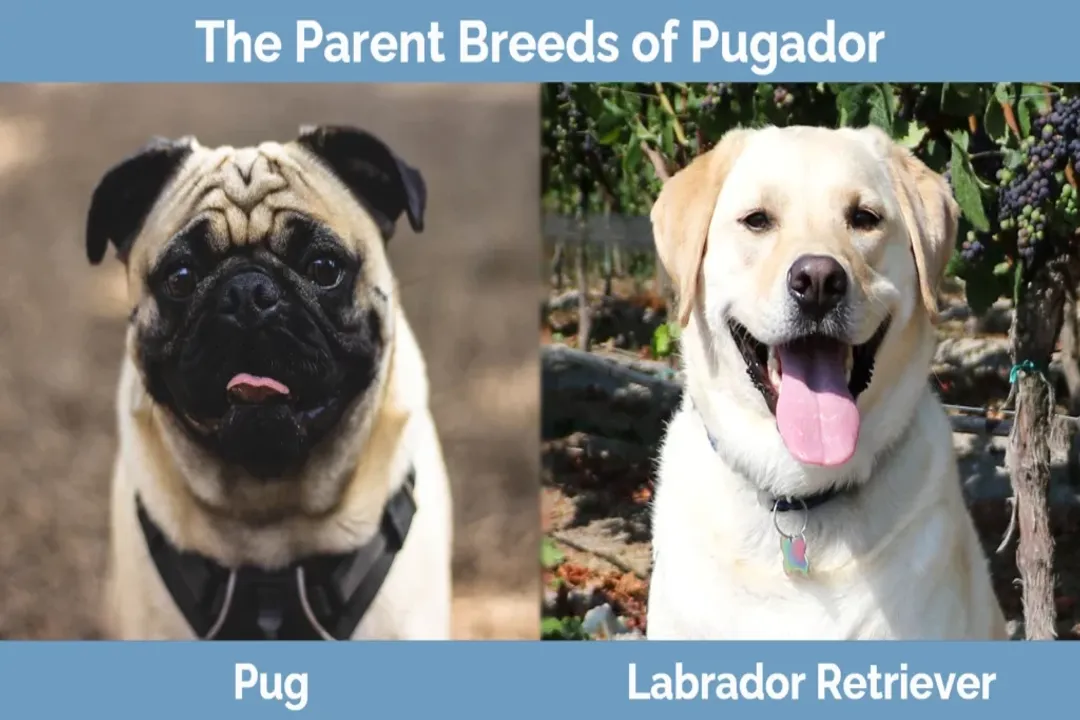
The blend of a Pug and a Labrador Retriever results in one of the more charming and frequently sought-after designer dogs today. These hybrids, born from two breeds with vastly different histories—one an ancient companion, the other a sturdy retriever—offer owners a unique personality profile housed in a body that can vary significantly from one littermate to the next. [1][3] Understanding what to call this mix is the first step toward appreciating the specific care and temperament traits that accompany one of these delightful dogs.
# Mix Name
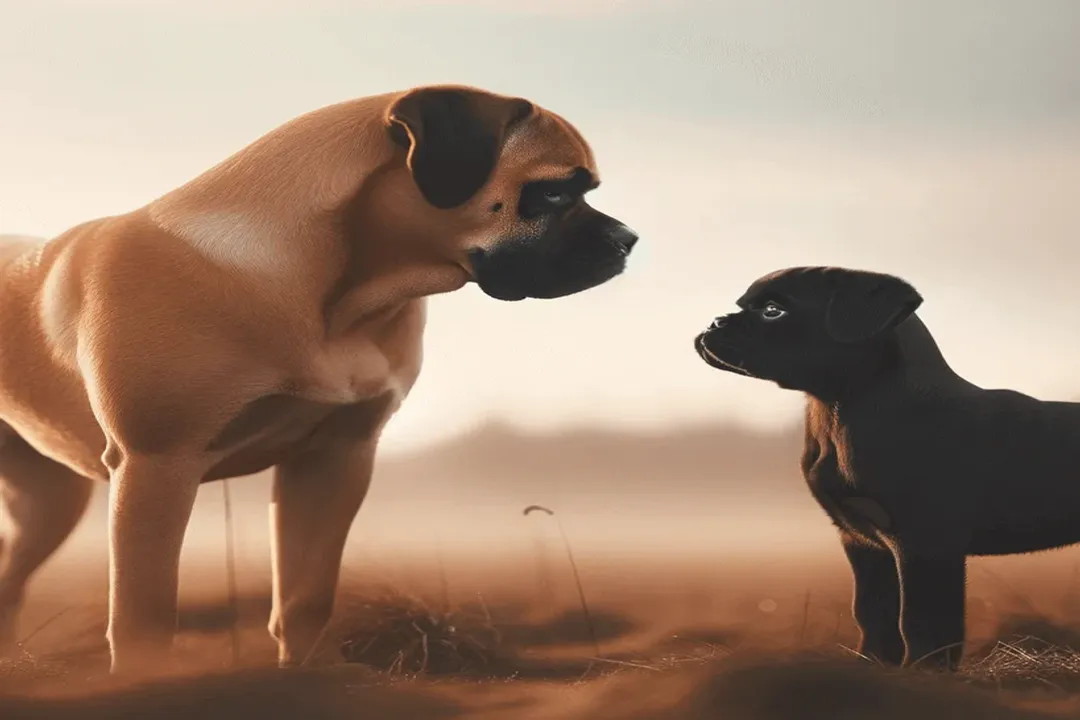
The most widely accepted and common designation for a dog resulting from a cross between a Pug and a Labrador Retriever is the Pugador. [1][2][3] While some may refer to them simply as a "Lab-Pug mix," the coined term Pugador is the moniker that most frequently appears in rescue listings, breeder discussions, and general public conversation. [1][3] It neatly captures the lineage, though owners should be prepared for occasional confusion or the need to explain the parent breeds to unfamiliar acquaintances. [2]
# Appearance Blend
One of the most fascinating aspects of the Pugador is the sheer unpredictability of its physical manifestation. Because the parents come from different size and structure categories—the small, squarely built Pug and the medium-to-large, athletic Labrador—the resulting puppies exhibit a wide spectrum of traits. [1]
If the litter leans genetically toward the Labrador side, you might see a dog with a longer muzzle, a leaner frame, and a sturdier overall build, perhaps reaching up to 50 pounds or more. [1] Conversely, if the Pug’s genetics dominate, the dog may be more compact, potentially inheriting the characteristic curled tail, deep wrinkles, and the slightly shortened muzzle associated with the Pug. [1][3] A moderate mix often results in a dog that carries the Lab's coloring—black, yellow, or chocolate—but has a slightly more wrinkled forehead or a less pronounced snout than a purebred Lab. [1]
Coat texture and shedding also vary. Both parent breeds shed, though perhaps not to the extreme of some other breeds. Owners should anticipate a dog that requires regular brushing, as the Pugador will likely shed moderately year-round, increasing during seasonal changes. [1] Because the Labrador Retriever is known for its dense, weather-resistant double coat, the Pugador often inherits a coat that is short, dense, and relatively low-maintenance in terms of trimming, but high-maintenance in terms of hair management around the house. [1]
# Predicting Size
Determining the adult size of a Pugador puppy is speculative. A purebred Pug typically weighs around 14 to 18 pounds, while a purebred Lab can easily weigh between 55 and 80 pounds. [1] This large size variance means the resulting mix can fall anywhere in the spectrum between these two weights. Generally, most reports place the average Pugador in the small-to-medium range, perhaps topping out around 30 to 45 pounds, but this is an estimate, not a guarantee. [1] Prospective owners must prepare for a dog that could be closer to a large Pug or a smaller, stockier Lab.

# Temperament Traits
The personality of the Pugador is often described as a delightful meeting point between the two parent breeds’ best qualities. Labs are renowned for their outgoing, eager-to-please nature and high sociability. [4] Pugs, while comical and clownish, are deeply affectionate and thrive on companionship. [3] The Pugador frequently inherits this strong desire to be near its family, often described as a genuine "velcro dog". [1]
They generally possess the Labrador’s friendly disposition, making them excellent candidates for family pets, often showing patience and playfulness toward children when properly socialized. [3][4] However, the Pug’s independent and sometimes stubborn streak can manifest, meaning training requires consistency and positive reinforcement rather than confrontation. [1] While intelligent, they may not always show an immediate desire to comply if they perceive a better alternative (like a nap or a snack). [4]
These dogs are typically social butterflies, enjoying human interaction and usually getting along well with other pets, provided early exposure is managed correctly. [3] Their affectionate nature makes them poor candidates for being left alone for extended periods; separation anxiety can become an issue if their social needs are neglected. [1]
# Social Needs Analysis
When comparing the exercise demand versus the social need, the Pugador presents an interesting profile. A purebred Labrador often demands intense, structured activity like fetching or swimming to be content. A purebred Pug requires minimal structured exercise but high levels of lap time and attention. The Pugador lands somewhere in between regarding physical exertion but consistently scores high on social dependency. [1] This means an owner might look at a dog that only needs a moderate walk and assume it’s low maintenance, only to find the dog becomes destructive or anxious because it wasn't allowed to follow its owner from room to room all day. Consistency in companionship, more than marathon training sessions, appears to be the primary temperament determinant for happiness in this mix. [3][4]
# Health Watch List
Any crossbreed inherits the potential health concerns of both parent populations, and the Pugador is no exception. Prospective owners must be keenly aware of the risks stemming from the Pug's brachycephalic structure and the Labrador's predisposition to skeletal and weight issues. [1]
# Breathing Concerns
The most critical health consideration often centers on the Pug influence. Pugs are a brachycephalic breed, meaning they have shortened faces, which can lead to Brachycephalic Obstructive Airway Syndrome (BOAS). [1] This manifests as difficulty breathing, snoring, snorting, and an extreme intolerance to heat and heavy exercise, as they cannot cool down efficiently through panting. [1] Even if a Pugador doesn't have the extreme "pushed-in" face of a purebred Pug, the potential for narrowed nostrils (stenotic nares) or an elongated soft palate remains a significant risk. [1]
Proactive Health Tip: To mitigate potential respiratory distress, potential owners should make it a priority to discuss baseline respiratory evaluations with their veterinarian during the first few puppy visits. Early screening for subtle signs of BOAS allows for timely intervention—sometimes involving minor surgical correction—which can dramatically improve the dog's quality of life and ensure safe exercise levels throughout its life. [1]
# Weight and Joints
The Labrador Retriever side introduces a strong genetic predisposition toward obesity. Labs are notoriously food-motivated and will eat almost anything they can get their mouths on. [1] This combines dangerously with the Pug's lower energy requirements, creating a high-risk profile for weight gain. [1] Excess weight places tremendous strain on the joints, exacerbating potential issues inherited from the Lab side, such as hip or elbow dysplasia. [1] Monitoring food intake and ensuring calorie-appropriate treats are vital components of their long-term care plan. [3]
# Daily Living Tips
Caring for a Pugador requires balancing the moderate energy of one parent with the physical limitations potentially inherited from the other. They are not typically suited for intense, high-impact sports without veterinary clearance due to the structural risks mentioned above.
# Exercise Management
Moderate, consistent daily activity is usually sufficient. This might translate to a couple of relatively short, brisk walks daily, interspersed with indoor play sessions. [1] The key takeaway here is consistency. Because their exercise needs are generally lower than a purebred Lab's, owners might mistakenly reduce activity too much, which can lead to boredom and subsequent mischievous behavior or weight gain. [1] On the other hand, owners must learn to recognize the signs of overheating or overexertion, especially if the dog has a shorter muzzle. If the dog begins to excessively pant, drool, or struggle to catch its breath, activity must cease immediately, and the dog should be cooled down in an air-conditioned space. [1]
# Training Approach
Training a Pugador should emphasize positive, reward-based methods. They thrive on praise and food rewards, which plays directly into their desire to please their owners. [4] Keep sessions short and fun to maintain their focus, especially if they display that Pug-like tendency toward being easily distracted or slightly stubborn. [1][4] Early socialization is paramount; exposing the puppy to a wide variety of sights, sounds, people, and safe canine companions during the critical socialization window (up to about 16 weeks) will help ensure they grow into a well-adjusted adult that confidently embraces their friendly heritage. [3] Consistency in house rules from day one will help manage the independent streak that can sometimes surface during adolescence. [4]
Related Questions
#Citations
Pug Lab Mix: Pugador All You Need to Know
Pug X Lab = Pugador : r/pugs - Reddit
Pug Lab Mix - Why You'll Love a Pugador - HubPages
Meet Donna – The Sweet and Playful Pug/Lab Mix - Facebook
Pug Lab Mix (Pugador): Info, Pictures, Traits & More - Hepper
What is the temperment of a lab/pug mix? - Quora
Petey the Pug-Lab mix's Web Page - Rompin Paws Rescue
She is a mixed breed dog, Pugador (pug + lab), 11 1/2 yr - JustAnswer