What deters kudzu bugs?
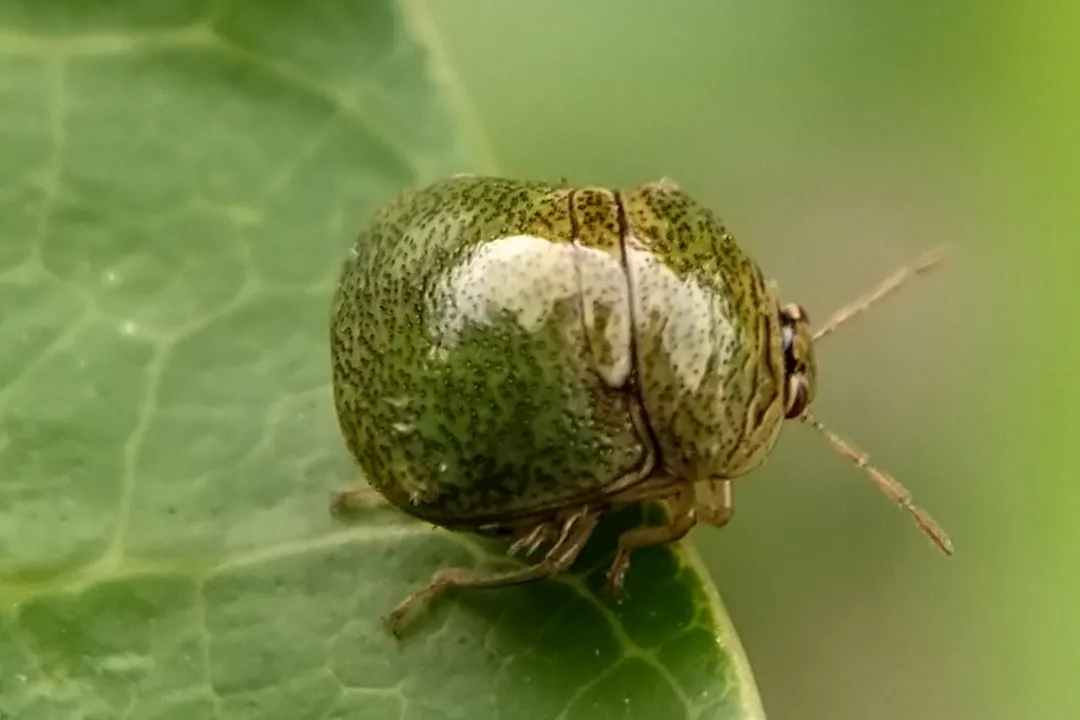
Dealing with an infestation of kudzu bugs, or Megacopta cribraria, involves more than just spraying the visible pests; true deterrence focuses on stopping them before they enter the home or encouraging them to remain where they won't cause a problem. These small, somewhat round insects, often mistaken for stink bugs, are notorious for congregating on the sunny sides of buildings in the fall, seeking warmth before moving indoors to overwinter. Once inside, they become an immediate nuisance, often crushing underfoot to release a foul, persistent odor. [4] Effective management means understanding their seasonal behavior and applying countermeasures at specific times.
# Pest Identity
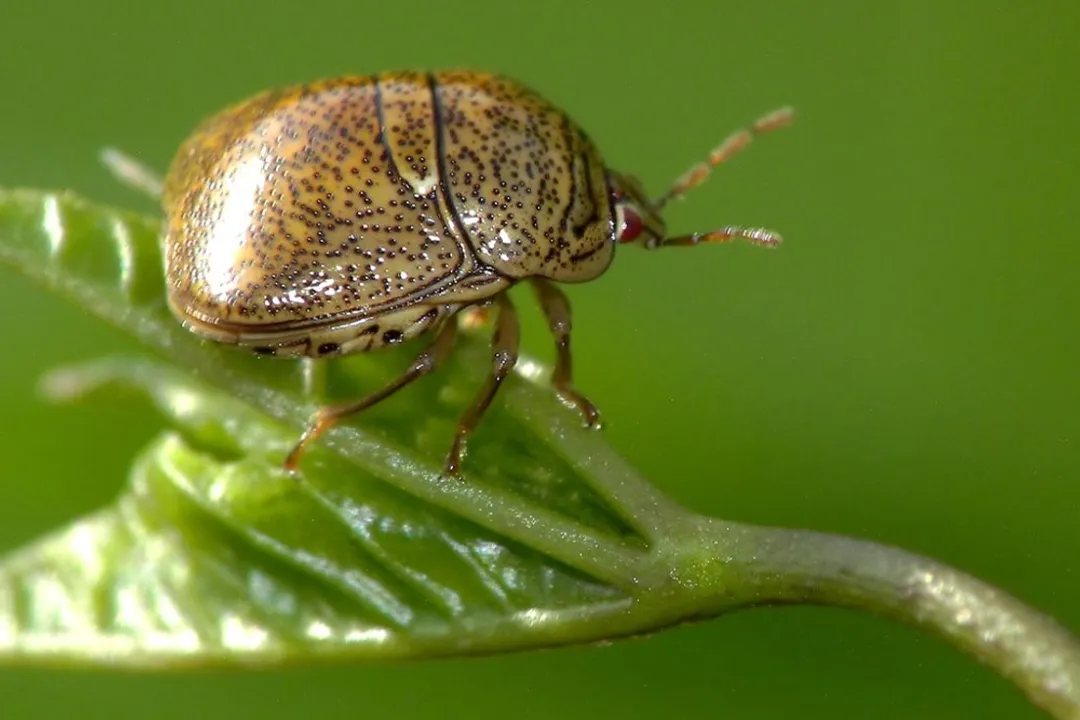
The kudzu bug arrived in the United States around 2009, primarily establishing itself in the Southeast, where the invasive kudzu vine serves as its primary host plant and breeding ground. While they feed on kudzu, they will also occasionally infest other legumes, like soybeans, though this feeding is generally less destructive than the sheer annoyance caused by their mass migrations. [1] They are small, often appearing dark brown or black, especially the mature ones, while the nymphs are reddish-orange. Knowing when they are actively moving is crucial for applying deterrents. They generally move from feeding sites to sheltered structures for overwintering as temperatures begin to drop in autumn. [6]
# Exclusion Tactics
Stopping kudzu bugs from entering your dwelling is the most satisfying form of deterrence because it prevents the subsequent cleanup and odor issues. This strategy relies heavily on exclusion, treating your home like a fortress against tiny invaders.
One of the first lines of defense involves thorough inspection and sealing of any potential entry points. This means looking for gaps around window and door frames, utility service entrances, siding joints, and soffits. Common culprits include small cracks, gaps under doors, and improperly sealed vents or utility penetrations. Products like quality caulk, weather stripping, and door sweeps can seal these openings effectively. When dealing with screens, ensure they are intact, as even small tears can allow access.
For those situated in high-infestation areas, routine maintenance is key. Unlike pests that only seek food, these bugs are primarily looking for a safe, warm place to spend the winter. If you are aware of an area where they frequently aggregate—perhaps a specific corner of the house that gets the afternoon sun—you can focus your sealing efforts there before the mass arrival in the fall.
The challenge with exclusion is that kudzu bugs are small, and finding every microscopic entry point can be difficult. It is often necessary to pair sealing efforts with other management techniques, especially if bugs are already present inside.
# Targeted Spraying
Chemical intervention serves two main purposes: controlling the bugs while they feed on the host plant, or killing them as they attempt to enter a structure. [1] The approach must be tailored to the season.
When applied to structures during the fall migration, insecticides are used as a deterrent barrier. Residual insecticides can create a perimeter that discourages them from landing or passing through walls and into wall voids. For this application, products labeled for perimeter or barrier treatment are often recommended, focusing on the exterior surfaces where they cluster.
However, there is an important caveat regarding spraying directly onto large masses of bugs. Killing large numbers of kudzu bugs, especially on light-colored siding or porous surfaces, can lead to staining if the killed insects are not promptly washed away. This is a significant comparison point: spraying the actual vine might reduce the local population, but spraying the side of your house may solve one problem while creating a secondary cosmetic issue. If you do spray a cluster on your siding, immediate rinsing with a hose or a solution of soapy water is advised to mitigate potential staining.
Another consideration involves what type of chemical to use. Some sources suggest that pyrethrin-based sprays can work well as quick knockdown agents for immediate contact kills, which can be useful for cleaning up a small infestation on a porch or window sill. For creating longer-lasting deterrence zones around the home perimeter, professionals often rely on longer-residual synthetic pyrethroids, applied according to label instructions. [1] Always check the product label to ensure it is approved for use against the kudzu bug and for application on the specific surface you are treating.
# Habitat Reduction
Because the kudzu bug relies almost entirely on the kudzu vine (Pueraria montana) for reproduction and feeding, eliminating or heavily managing the vine near your home is a fundamental, long-term deterrence method. [1] If the primary food source and breeding site disappear, the local population density drops significantly, reducing the number of bugs seeking shelter in your structure.
This approach requires significant effort, as kudzu is notoriously difficult to eradicate. Complete removal often involves persistent cutting, smothering, or the use of herbicides, sometimes over several seasons. In areas where the vine is vast, controlling the growth immediately surrounding the house foundation—say, within a 20-foot perimeter—can drastically reduce the number of bugs that discover your home in the autumn. A homeowner could assess the local growth. For example, if you observe that 90% of the bugs entering your garage overwintered from the large patch growing on the fence line fifty feet away, focusing mechanical removal efforts on that specific patch becomes highly efficient.
Managing other potential hosts is also relevant, although less critical than kudzu. If the bug population is overwhelming, they might move to other legumes, such as wisteria or peas, though they strongly prefer kudzu. Reducing the availability of these secondary food sources in late summer can sometimes encourage them to move elsewhere before they begin their search for overwintering sites.
# Timing Matters Most
Successful deterrence hinges on recognizing the critical time windows when the bugs are mobile and susceptible to management. There are two main activity periods: the summer feeding period and the fall migration period.
During the summer, the bugs are actively feeding on kudzu and reproducing. Insecticide application during this time targets the next generation, although this is less about immediate home deterrence and more about long-term population suppression. If you manage the bugs when they are on the vine, fewer will mature and seek your home later.
The fall migration is the most critical time for direct deterrence measures aimed at protecting the structure itself. This movement usually begins when daytime temperatures consistently drop below a certain threshold, often signaled by the end of the growing season. Applying a residual insecticide barrier just before this peak migration begins can significantly reduce the numbers attempting entry. For instance, if you notice local gardeners posting on community boards in early September that they are seeing the first clusters, that is often the signal to refresh exterior residual treatments.
When dealing with bugs that have already entered, the best immediate action is often vacuuming them up using a shop vac equipped with a hose attachment. However, if you use a standard household vacuum, the bugs may be crushed inside the bag or canister, leading to the dreaded odor inside your home. A better practice, particularly when dealing with hundreds of bugs, is to empty the vacuum contents immediately into a sealed plastic bag and dispose of it outside.
# Natural Dampeners
While relying solely on nature is risky when facing an invasive pest like the kudzu bug, natural controls do play a role in keeping populations balanced in the ecosystem. Several native predators, including spiders, certain types of wasps, and generalist predators like lady beetles, do prey on kudzu bugs.
However, the source material indicates that these native predators have not yet achieved population levels sufficient to control the invasive kudzu bug population effectively. [1] Furthermore, the bugs that successfully enter homes overwinter in a state of relative dormancy, meaning they are not active targets for spiders or other indoor predators during the coldest months. Therefore, while encouraging a healthy population of beneficial insects in your garden area might help suppress the population feeding on nearby vines, it should be considered a supplementary strategy, not the primary defense against structural intrusion. Effective long-term deterrence relies on a combination of sealing, targeted application when they move, and managing the host plant aggressively near inhabited structures.
Related Questions
#Citations
What Can I Do About Kudzu Bugs? | N.C. Cooperative Extension
Tips for getting rid of kudzu bugs? : r/Atlanta - Reddit
Homemade solution for kudzu bug infestation using water and white ...
Kudzu Bugs and Stink Bugs: The Ultimate Guide | PF Harris
How To Get Rid Of Kudzu Bugs In Your Home This Winter
Kudzu Bugs Exterminator - How To Identify & Get Rid Of ... - Orkin
How to Get Kudzu Bugs Under Control When They're Out of Control
[PDF] Kudzu Bug for Homeowners - Knox County
Kudzu Bugs: Facts, Bite Identification, Removal & More