Why can't cows eat carrots?
The image of a cow happily munching on a bright orange carrot, perhaps from a child's outstretched hand at a petting zoo, is common enough to make one assume it's an ideal snack. However, the reality of feeding carrots to cattle involves more nuance than simply tossing them over the fence. While the premise that cows absolutely cannot eat carrots is generally inaccurate—cows certainly can consume them—the manner and quantity in which they are offered are critically important, often leading to the misconception that they are off-limits entirely.
# Dietary Basics
To understand the carrot question, we must first appreciate what forms the bedrock of a cow's diet. Cattle are ruminants, meaning their digestive systems are specifically adapted to break down large amounts of fibrous material, primarily grasses and forages. Their four-compartment stomach begins with the rumen, which hosts a complex microbial population essential for fermenting tough plant cell walls. A healthy diet relies heavily on these high-fiber components like hay, silage, and pasture.
Carrots, on the other hand, are a dense source of energy and carbohydrates, falling more into the category of a supplemental feed or a treat rather than a staple roughage. While they offer good nutrition, they are not designed to replace the bulk requirements of the diet.
# Choking Hazard Concern
The most immediate and legitimate reason for caution, and the likely source of the "can't eat" idea, centers on the physical form of the carrot. Whole, unbroken carrots pose a significant choking risk to cattle, particularly for smaller breeds or individual cows that might gulp their food too quickly. This danger is frequently raised in discussions among cattle owners, emphasizing the necessity of preparation.
For example, a large, firm, round carrot can become lodged in the esophagus, which is a serious, potentially fatal emergency. This risk is why many experienced owners insist on altering the carrot's shape before offering it. In conversations among cattle enthusiasts, the consensus leans heavily toward moderation and preparation over outright prohibition. Feeding garden produce, including carrots, requires consideration of the animal's size and how aggressively it eats.
# Safe Preparation Methods
Because the primary danger is mechanical—the size and shape—the solution lies in appropriate preparation. Rather than seeing a whole carrot as something a cow cannot eat, it should be viewed as something a cow should not eat whole.
Farmers and those feeding cattle treats generally agree that chopping or slicing carrots is mandatory to mitigate the choking hazard. The degree of processing often depends on the size of the animal being fed. Smaller breeds, like Dexter cattle mentioned by some owners, might require much smaller pieces than a large Holstein.
A comparative view on carrot preparation highlights the trade-off between convenience and safety:
| Preparation Method | Primary Benefit | Primary Risk/Consideration |
|---|---|---|
| Whole Carrot | Convenience for quick hand-feeding | High choking risk, especially if gulped |
| Large Chunks (2-3 inches) | Still somewhat easy to handle | Moderate choking risk if swallowed whole |
| Small Slices/Shredded | Minimal choking risk | More labor-intensive; faster consumption |
This preparation step effectively transforms a potential hazard into an acceptable, energy-dense snack. Thinking about this from a management perspective, if you are feeding dozens of animals quickly, slicing hundreds of carrots becomes a time-consuming task, making the temptation to give whole ones understandable but unwise.
# Moderation and Digestive Impact
Beyond the physical danger of choking, there is the issue of digestive upset when feeding too many dense vegetables. While carrots themselves are not inherently toxic—cows can generally eat many types of plants, though some are indeed poisonous—introducing any high-energy, low-fiber item abruptly or in excess can disrupt the delicate balance of the rumen's microbial population.
If a cow consumes a very large quantity of sugary vegetables like carrots or apples, the rapid fermentation can lead to excess gas production or lactic acid buildup, potentially causing bloat or acidosis if the animal is not already accustomed to such feeds. While sources specifically discussing carrot-induced acidosis are scarce, the general principle of introducing any new, rich feed slowly applies here. A few slices as a daily reward are unlikely to cause issues, but emptying a five-pound bag of carrots into the feed trough at once certainly could, especially if the base diet is standard dry hay.
# Carrots as a Tool Against Waste
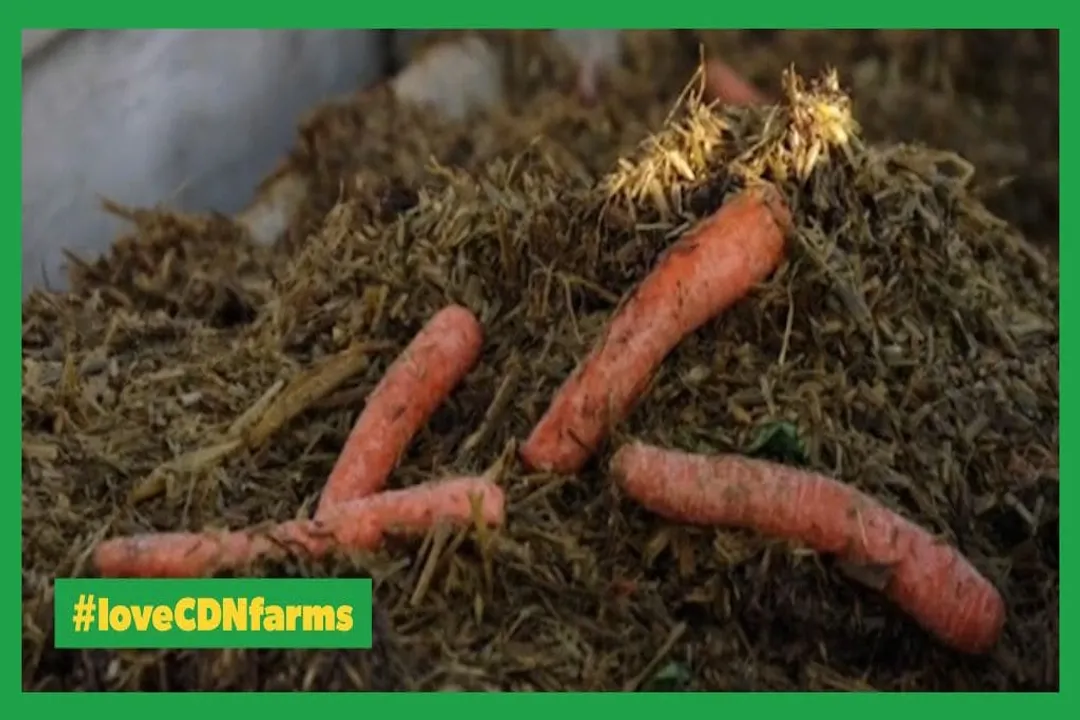
The practice of feeding carrots to cattle isn't just about giving a treat; it serves an important function in reducing food waste. Carrots that might otherwise be discarded by grocery stores or farms due to cosmetic imperfections—perhaps being too small, crooked, or blemished—can be safely diverted to livestock. This partnership between the food industry and agriculture helps ensure that edible produce doesn't end up in landfills, turning a potential waste product into valuable feed. For example, a program diverting surplus vegetables to cattle prevents the energy and resources used to grow them from being wasted entirely.
This environmental consideration adds another layer to the discussion. When sourcing carrots for cattle, the originating stream matters. Produce designated for animal feed is often handled differently than produce destined for human consumption, but utilizing "seconds" is a practical, sustainable approach. It suggests that carrots are already an accepted, though regulated, part of livestock diets in many commercial settings where waste minimization is prioritized.
# Owner Experience and Acceptance
Checking in with actual cow owners reveals a pragmatic approach. Many readily admit that their cows enjoy carrots, but they adhere to strict rules about preparation. Some farmers are comfortable feeding small, whole carrots to cattle they know well, especially if the animals are slowly accustomed to the treat over time, but this is often noted as the exception, not the rule for general public interaction. Others take no chances and insist on chopping everything, regardless of the cow's size.
One perspective emphasizes that if a person is offering a carrot, the responsible act is to ensure it is cut up before offering it, thereby taking responsibility for the physical safety of the animal receiving the food. This highlights that the owner of the animal has the final say on what is acceptable, often leaning towards caution over convenience when dealing with the public or unknown individuals approaching their herd.
It is worth considering how the texture of the carrot plays a role. A slightly older, softer carrot might be less of a splintering or breaking hazard than a very hard, fresh one, although this detail is rarely quantified in general feeding guides. For a farmer managing a large herd, establishing a consistent, safe protocol—like always running all supplemental vegetables through a specialized chopper—is easier than judging the chewing habits of every single animal on any given day. This systematic approach is crucial for maintaining herd health, where one choking incident can disrupt the entire group's routine.
# General Rules for Supplemental Feeding
When considering any treat, including carrots, a good rule of thumb for any ruminant is that supplements should make up no more than 5 to 10 percent of the total daily dry matter intake. This places carrots firmly in the "occasional supplement" category. When a cow is eating perhaps 40 pounds of dry matter daily (depending on its size and production stage), a pound or two of carrots, properly prepared, might be acceptable, but it is never the primary source of nutrition.
Cows generally enjoy sweet tastes, so treats like apples, sweet potatoes, or carrots are attractive. However, for a farmer, knowing the nutritional breakdown of the standard ration is essential before adding anything unusual. A quick comparison shows that while carrots are healthy, they lack the necessary long-strand fiber that keeps the rumen working optimally.
For instance, a medium carrot (about 61 grams) might contain around 6 grams of sugar and only trace amounts of fiber compared to a pound of good quality hay. The impact is mostly energetic, not structural to the digestive process.
In summary, the question is less about "Can cows eat carrots?" and more about "How should carrots be fed to cows?" They can and often do, especially when sourced to prevent waste, but safety dictates they must be sliced or chopped to eliminate the serious choking hazard associated with feeding them whole. Moderation is key to prevent digestive upset, keeping them firmly in the role of a nutritious treat rather than a staple food item. The experienced handler understands that preparation is the bridge between a pleasant snack and a veterinary emergency.


#Videos
Carrots for Beef Cattle? Upcycling culled carrots - YouTube
Related Questions
#Citations
is it acceptable for people to give your cows treats such as carrots?
Carrots for Cattle: Working Together to Prevent Food Waste
What Do Cows Like to Eat as a Treat? - HerdX
[PDF] Carrots - Washington State University
A carrot a day keeps the vet at bay will add that it was doonies farm ...
Carrots for Beef Cattle? Upcycling culled carrots - YouTube
Can cows eat any kind of plants? Are there any that they can't eat?
Carrots | CattleToday.com - Cattle, Cow & Ranching Community
feeding garden produce | Irish Dexter Cattle - ProBoards