What do unau eat?
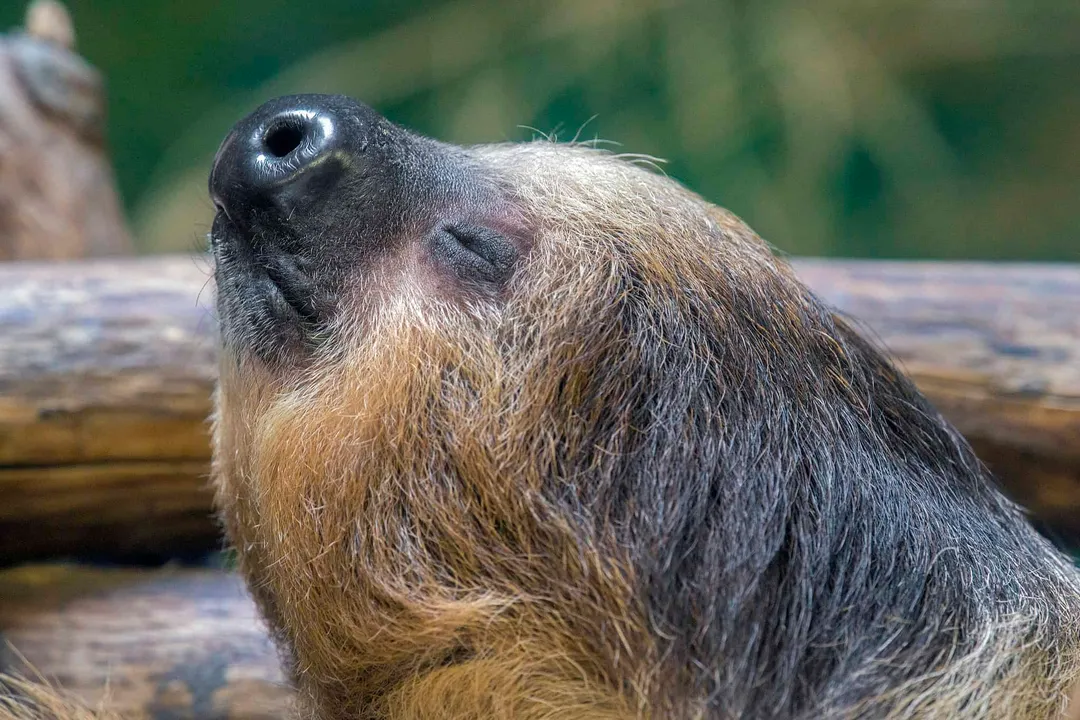
The Linnaeus's two-toed sloth, commonly known as the unau, occupies a fascinating niche within the forest canopy, sustained by a specialized diet that reflects its incredibly slow metabolism. These mammals are strictly classified as herbivores. Their sustenance is derived almost entirely from plant matter found in their arboreal habitat. Unlike many forest dwellers that actively forage for a wide variety of food sources, the unau's nutritional intake is quite focused, centering on the most readily available and energy-efficient components of the flora surrounding them.
# Primary Foods

The bedrock of the unau's diet consists of leaves. However, to call them merely 'leaf-eaters' might oversimplify their intake, as their menu is supplemented by other plant parts. Specifically, they consume buds and fruit. Several sources confirm this mix, noting that while leaves form the majority, flowers and twigs are also incorporated into their meals.
When comparing the two-toed sloth group (unau) to their three-toed relatives, one finds a slight difference in dietary breadth, though both remain folivorous. Three-toed sloths are famously specialized, primarily consuming leaves, buds, and some fruit. The two-toed sloth, in contrast, appears to possess a slightly more varied palate within the herbivore classification, sometimes including a wider array of fruits or flowers depending on what is seasonally available in their particular Central or South American range. This minor variation in intake might be linked to the fact that two-toed sloths are generally considered to have a slightly faster metabolism and digestive transit time compared to the famously slow three-toed sloth, allowing for the processing of different energy densities found in fruit.
# Dietary Composition
To better illustrate the components that make up the unau's daily food intake, we can summarize the documented primary sources of nutrition. It is important to remember that these animals are slow movers and rely on the abundance of their immediate surroundings, making the local vegetation composition critical to their survival.
| Food Category | Likelihood of Consumption | Notes |
|---|---|---|
| Leaves | High | Primary staple, providing bulk and necessary fiber. |
| Buds | High | Tender, easier to digest parts of new growth. |
| Fruit | Moderate to High | Source of concentrated sugars and energy. |
| Flowers | Moderate | Ingested when in bloom; provides variety. |
| Twigs | Low to Moderate | Included in the diet, likely for minerals or structure. |
One interesting observation from looking at feeding habits across different sloth conservation groups is the potential for Choloepus species to consume items beyond strictly vegetation, although the majority of evidence points to herbivory. For instance, some sloth species have been documented consuming small insects or even occasionally lizards, though for the unau, this is not considered a routine part of their sustenance. The overwhelming evidence suggests that for the two-toed sloth, the forest canopy is their grocery store, and leaves are the main aisle.
It's easy to assume that because sloths move slowly, they must eat constantly, but the opposite is true: their diet is inherently low in nutritional value, forcing a low-energy lifestyle. A significant portion of their day is dedicated not to eating, but to digesting what they have eaten.
# Digestion Dynamics
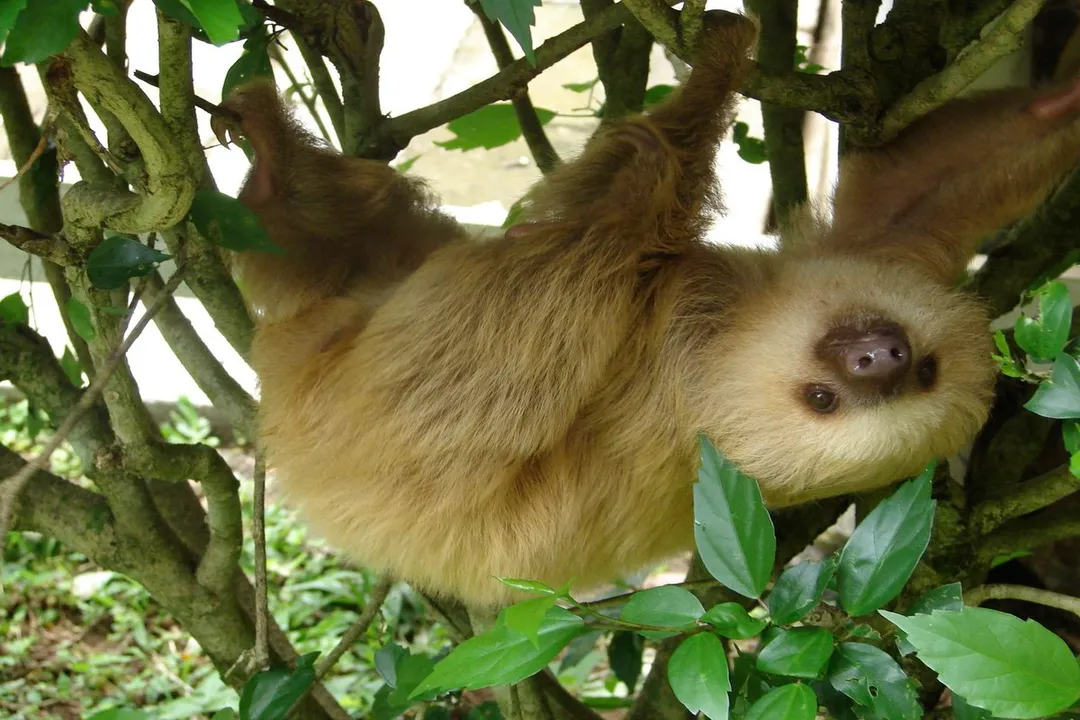
Understanding what an unau eats is incomplete without acknowledging how they process it. Their reliance on fibrous leaves means they possess one of the most complex and slow digestive systems in the animal kingdom. This lengthy process is a direct adaptation to a low-energy diet.
The unau's stomach is large and multi-chambered, functioning somewhat like a slow-moving fermentation vat. Specialized bacteria within this gut break down the tough cellulose found in leaves—a process that takes a substantial amount of time. This fermentation allows the sloth to extract the maximum amount of nutrition from relatively poor-quality forage. Because digestion is so drawn out, a single meal can take up to a month to pass completely through the system. This necessity dictates their overall behavior; high-energy foraging would be counterproductive when the subsequent digestive effort burns more calories than the food provides. This is a classic ecological trade-off: low energy input demands extremely low energy expenditure.
When observing a sloth's eating pattern, one might notice they don't graze continuously like a cow. Instead, they consume what they can efficiently reach and then spend long periods conserving energy while their internal microbial community does the heavy lifting. This slow processing also means they must be very selective about which leaves they ingest, favoring certain species over others, likely based on toxicity levels and digestibility, even if specific preferences aren't always known to external observers.
# Water Sources
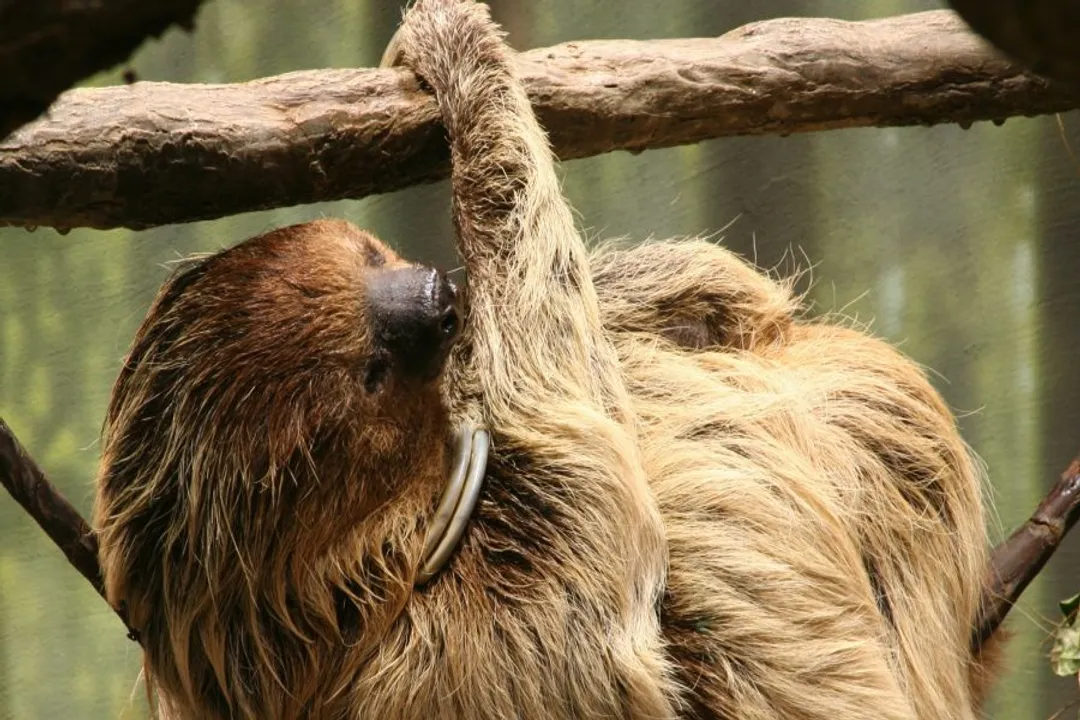
For an animal that spends its entire life in the trees, where does the necessary hydration come from? While consuming fruits and moist leaves certainly contributes to their fluid intake, unau do drink water directly. They are not strictly reliant on obtaining all moisture solely from their food. Their conservation of energy extends to their movement, but when thirsty, they will descend to ground level or reach out to drink from available water sources, such as streams or puddles, though this descent itself is a high-risk activity due to predation.
It is worthwhile to note that the humidity of their tropical forest environment likely plays a substantial role in minimizing the need for frequent, risky trips to the ground for drinking water, as moisture is often present in the air and on the vegetation they consume.
# Foraging Strategy and Selection
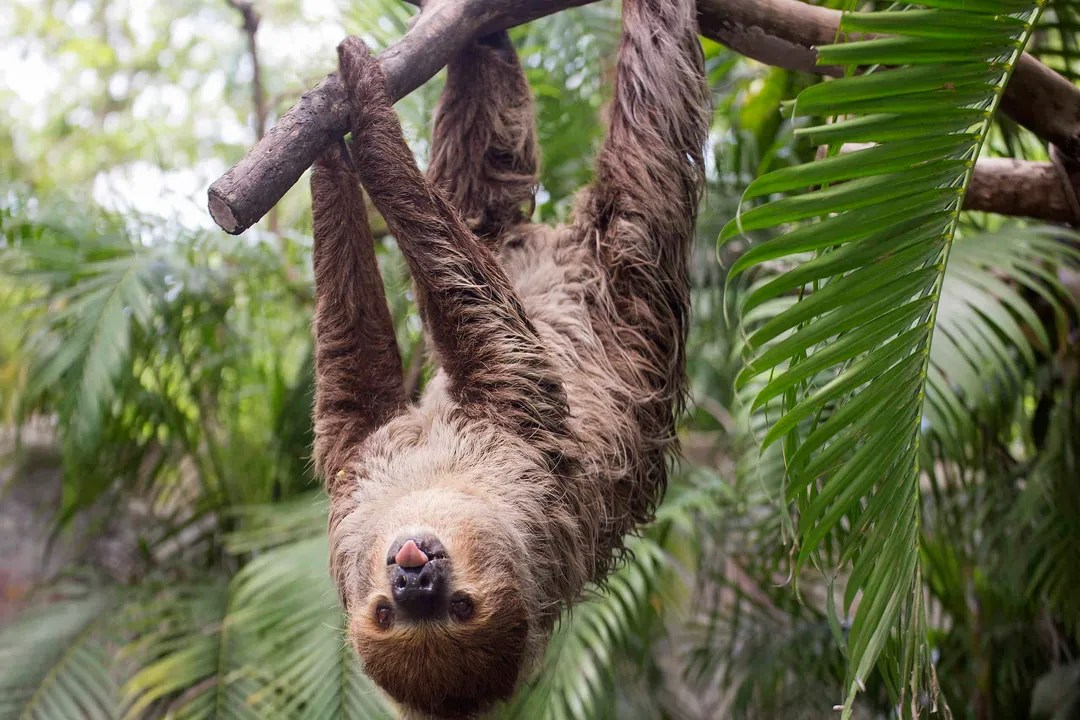
The unau's diet dictates its pace of life, which in turn influences its foraging strategy. They are not specialized feeders in the sense of only eating one type of tree, which gives them slightly more flexibility than some other specialized herbivores. Their two-toed grasping ability, different from the three-toed sloth's three-fingered grip, allows them to maneuver around branches effectively to reach food, though speed remains negligible.
One interesting aspect of their feeding behavior, which separates them from many other herbivores, is their tendency to feed on leaves from the same few species of trees within their territory until they are depleted before moving on. This is an energy conservation tactic: spending time learning the local, low-toxicity, high-yield foliage is more efficient than constantly sampling unknown vegetation, which could contain harmful secondary compounds.
Consider a scenario in a healthy, mixed-species neotropical forest: a sloth might find that Ficus species leaves offer an acceptable balance of protein to fiber, while the leaves of a nearby Inga tree are too high in defensive tannins that day. The sloth will focus on the Ficus until the leaf density drops below a threshold that justifies the energy expenditure of reaching the next suitable tree, perhaps a week or two later. This behavior suggests a high degree of learned knowledge about local flora, which is crucial for an animal with such a fragile energy budget.
Another insight comes from observing how different sloth species might interact with the same resource. While the sources contrast the general sloth diet, they also allow us to infer behavioral adaptation. If fruit is seasonally abundant, the unau, being slightly more adaptable, will likely increase its intake of this high-sugar, easy-to-digest food item compared to its three-toed cousin. This allows the unau to potentially build up energy reserves slightly better during peak fruiting seasons, which may contribute to its slightly more active nature compared to the three-toed sloth.

# Synthesis of Dietary Needs
Ultimately, the unau's diet is a careful calibration between energy intake and the massive energy sink that is its digestive system. They must select foods that offer enough caloric return to sustain minimal life functions, including the ongoing work of their gut microbes, without requiring excessive effort to acquire. The combination of leaves, buds, fruits, and flowers meets this narrow requirement. The fact that they are found across a wide range, from Venezuela to Brazil, indicates that while they have specific dietary preferences, the types of food required—tender, readily available plant parts—are common across the Neotropics. The ability to subsist on low-quality food is their expertise, allowing them to thrive where more demanding herbivores cannot.
In summary, the unau's menu is dominated by vegetative material, primarily leaves and buds, supplemented by fruits and flowers when available, all processed through a slow-motion digestive tract designed to extract every possible bit of energy from a challenging, low-nutrient food source.
Related Questions
#Citations
Linnaeus's Two-Toed Sloth - Facts, Diet, Habitat ... - Animalia
What Do Sloths Eat? Sloth Diet, Food, and Digestion
Two-toed sloth - Wikipedia
Unau (Linnaeus's Two-Toed Sloth) Facts & Photos | Wowzerful
What do sloths eat? Sloths are classed as herbivores. Their diet ...
[PDF] Sloth Nutrition Guide
Unau (Linnaeus's Two-Toed Sloth) - A-Z Animals
Three-Toed Sloths | National Geographic
The Linnaeus's Two-Toed Sloth | Critter Science