Why are they called crab-eating macaques?
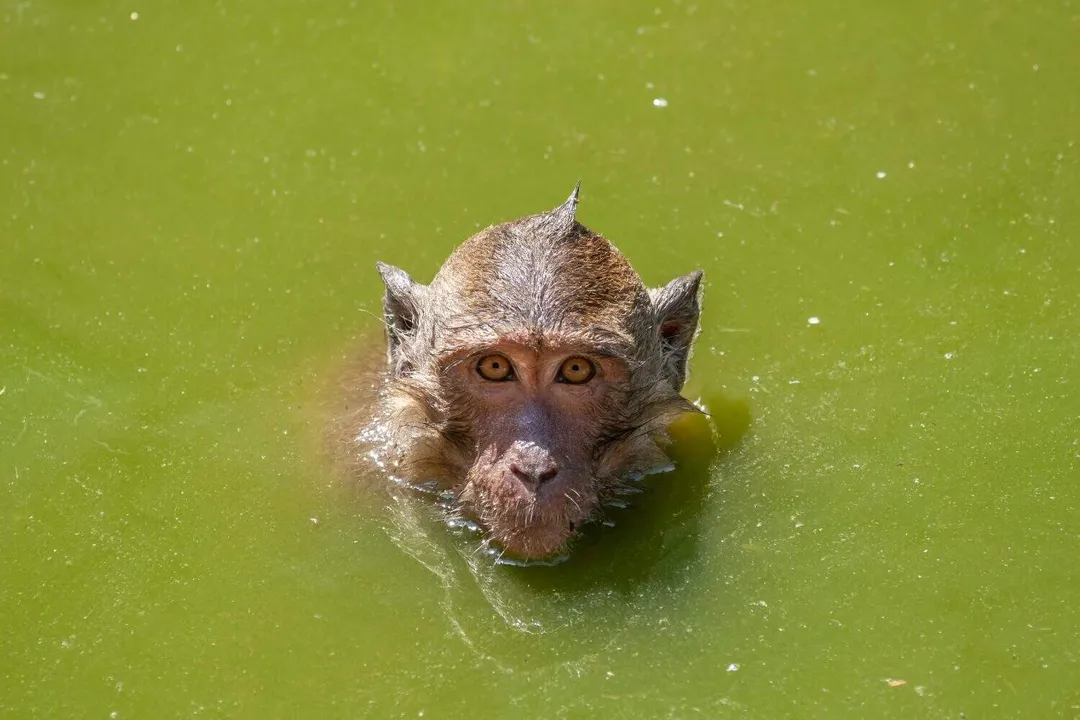
The distinctive label given to the Macaca fascicularis—the crab-eating macaque—is immediately suggestive of a specialized diet centered around crustaceans found along shorelines. However, while the name strongly implies this specific dietary preference, understanding why this particular moniker stuck requires looking deeper into their environment and hunting methods. [1] These monkeys are inhabitants of Southeast Asia, spanning a wide range from countries like Thailand [1] to other islands and coastal regions where food sources ebb and flow with the tides. [5]
# Diet Definition
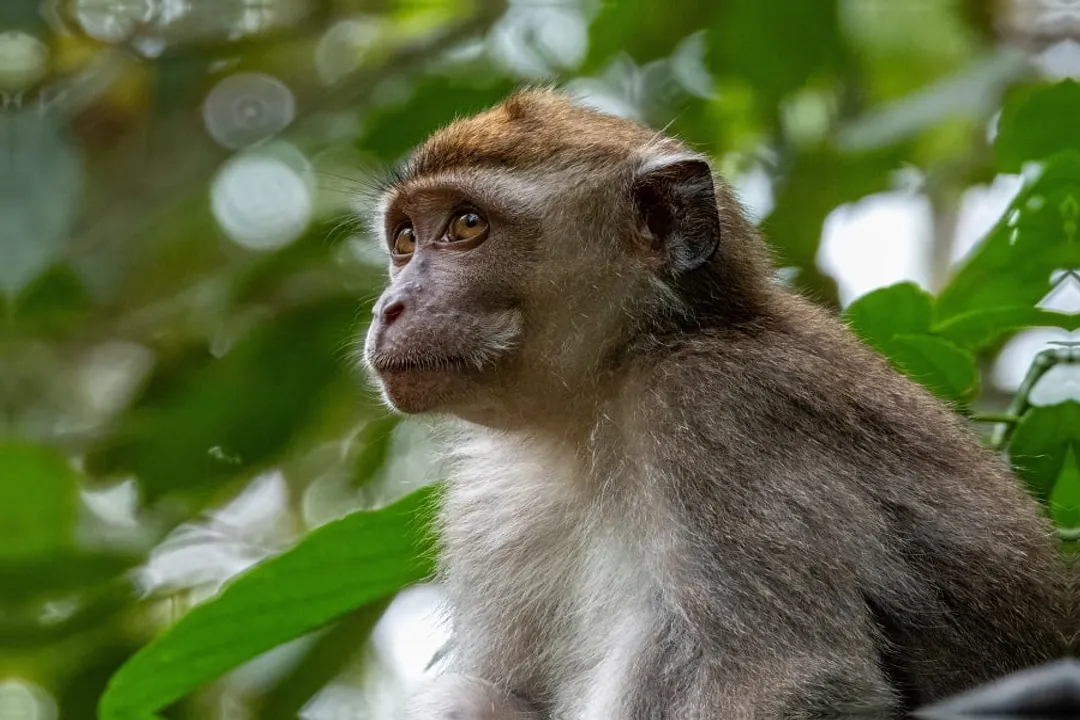
The primary reason for their common name is straightforward: they consume crabs. [3] But labeling them strictly as "crab-eaters" might oversimplify the reality of their nutritional intake. They are extremely adaptable omnivores whose diet changes based on seasonal availability and location. [8] While crabs, shellfish, and other small marine life certainly feature prominently when available—particularly for populations living near the coast—their menu is far broader. [1][5] Their diet also includes insects, seeds, flowers, leaves, and various fruits. [8] In areas where coastal foraging is less necessary, they might rely more heavily on terrestrial plant matter. [5] The name thus captures a particularly memorable and visible feeding strategy rather than their entire caloric profile. [8]
# Aquatic Prowess
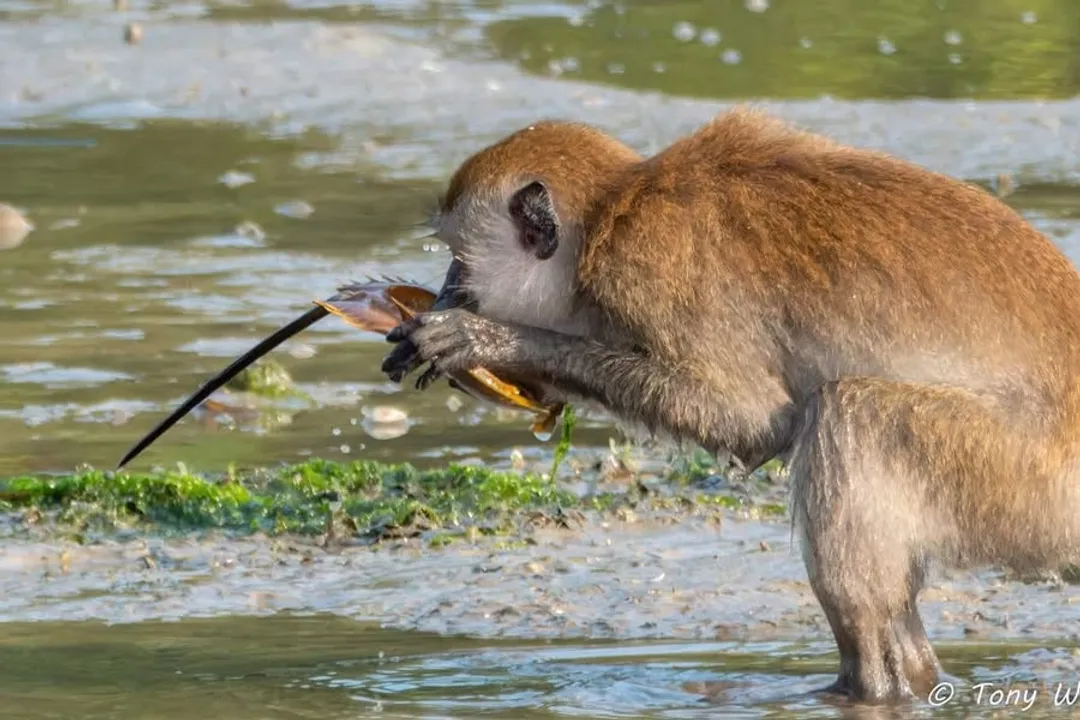
To effectively secure their namesake meal, crab-eating macaques possess remarkable skills in water, setting them apart from many other primate species. They are known as excellent swimmers, capable of actively pursuing food in aquatic environments. [3] This is not merely accidental falling in; these monkeys deliberately enter the water to forage. [3] Sources indicate they can hold their breath for several minutes while submerged, allowing them the time necessary to dive for crabs, mollusks, or other submerged edibles. [3] This inherent ability to exploit intertidal zones is crucial to their survival in coastal habitats and directly explains why observers frequently associate them with the act of catching crabs. [5]
# Tool Use Behavior
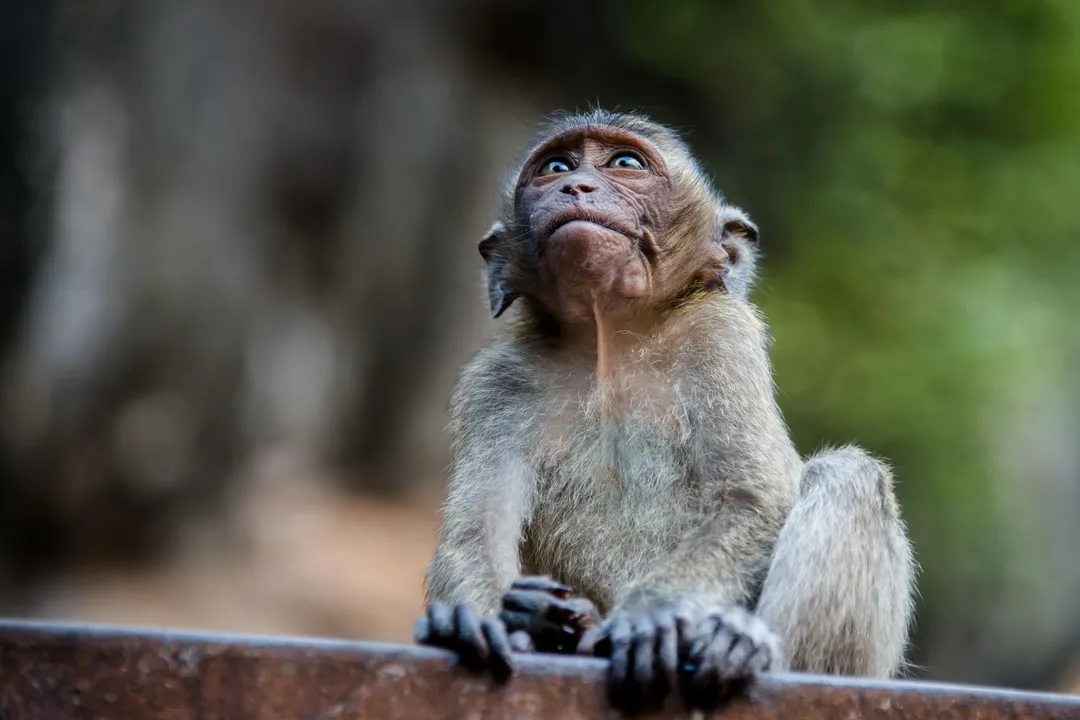
What adds another layer of sophistication to their "crab-eating" label is their observed use of tools. Certain groups of these macaques have been documented employing stones as implements to process hard-shelled prey. [4] Imagine a monkey sitting on a mudflat or shoreline rock, selecting a suitable stone, and using it to smash open tough oysters or the shells of crabs they have pried loose. [4] This behavior demonstrates planning and problem-solving specifically geared toward accessing high-protein, hard-to-reach food items like shellfish, further cementing the connection between the monkey and its hard-shelled aquatic targets. [4] The ability to manipulate the environment to obtain food reinforces the specialized nature implied by their common name. [3]
# Alternative Identity
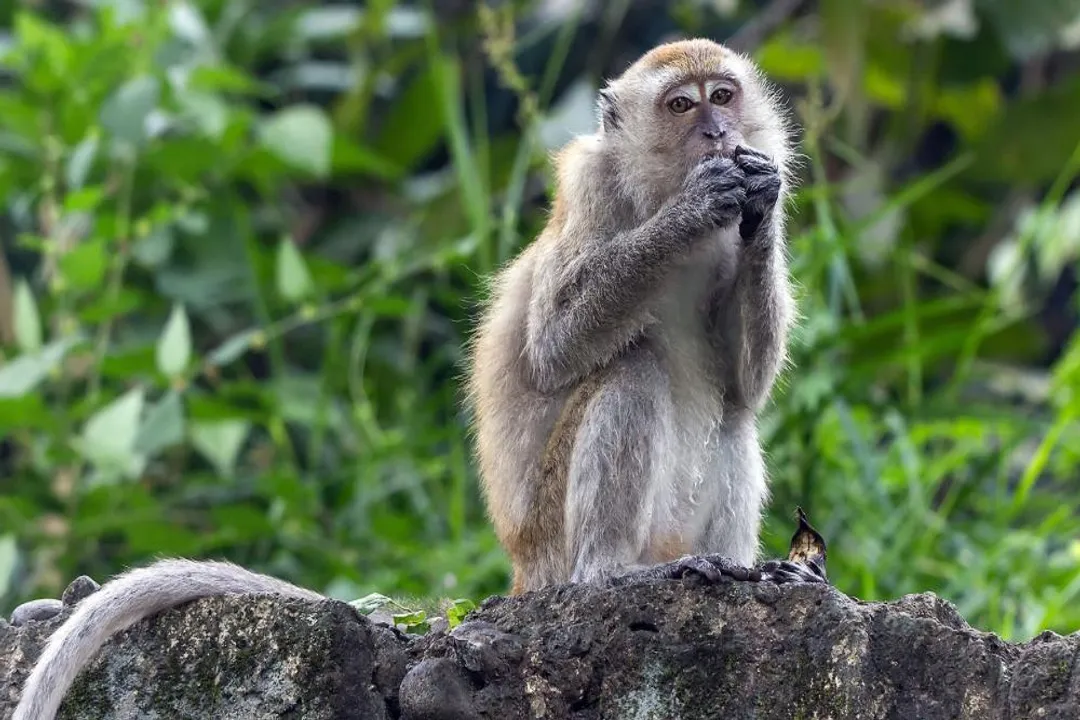
It is important to recognize that "crab-eating macaque" is just one descriptor; they are also widely known by the more formal, descriptive name, the long-tailed macaque. [6] This alternative name refers to their long tails, which often exceed the length of their bodies. [6] In some regions, they are referred to as Javanese monkeys or apes. [5] This dual naming system is common in taxonomy, where one name is common and perhaps anecdotal (like crab-eating), and the other is more morphological (like long-tailed). [6] For researchers, Macaca fascicularis is the definitive identification, but the local, behavioral moniker remains in popular use because watching them hunt is such a striking natural event. [1]
One interesting observation often noted in contexts outside their native range, such as in Florida, is how rapidly they establish themselves near water sources, even when human food is readily available. This suggests that the instinct to forage near water, honed by generations of eating crabs and shellfish, remains a primary driver of their habitat selection. [7]
# Wider Distribution and Ecological Impact
The geographical spread of these macaques is quite extensive across Asia, contributing to the varied observations of their feeding habits. [1] However, when they are introduced, intentionally or accidentally, into non-native ecosystems, their strong foraging instincts can cause significant problems. In Florida, for example, these monkeys have become established and are recognized as one of the state’s greatest threats to local ecosystems and potentially to human health. [7] Their adaptable omnivorous diet means that in a new environment, they can consume native bird eggs, small vertebrates, and a vast array of vegetation, disrupting the natural balance. [7]
Furthermore, their close association with humans in many urban and temple settings—where they often scavenge handouts—raises public health concerns. They are known carriers of diseases, including the potentially fatal Herpes B virus, which can be transmitted to humans through bites or scratches. [7] Understanding that their success is rooted in their adaptability—the very adaptability that allows them to switch between eating fruit and eating crabs—is key to managing their populations, whether they are benefiting a local fishing community or threatening an introduced environment. [8]
# Behavioral Adaptations
The success of the long-tailed macaque population is not solely due to diet variation; it is also linked to social structure and intelligence. They live in complex social groups, which aids in foraging efficiency and defense. [8] Observers note their intelligence, as evidenced by their learned behaviors, such as the aforementioned tool use for cracking shells. [4] This intelligence allows them to quickly learn which resources—be they crabs in the mangrove or discarded food near a tourist site—offer the highest caloric return. [8] We can see a pattern here: the monkey earns its name through a specialized skill (aquatic foraging), but it thrives globally because of its generalist survival traits (intelligence and diet flexibility). [6][8] It’s a case where a specific, impressive behavior gave rise to a memorable name, even if that behavior is just one tool in a very large behavioral toolbox.
Related Questions
#Citations
Crab-eating macaque (Macaca fascicularis) - Thai National Parks
Crab-eating macaque eating horseshoe crab at Chek Jawa Wetlands
Meet the Crab-Eating Macaque, an Ocean-Swimming Monkey
TIL These crab-eating monkeys (of which they are named) typically ...
Summertime water fun for the crab-eating macaques - Zoo Basel
5 facts about long-tailed macaques - World Animal Protection Canada
Crab-eating monkey one of Florida's greatest threats to ecosystems ...
Crab-Eating Macaque Monkeys | Definition, Habitat & Diet - Study.com