Why are sailfish special?
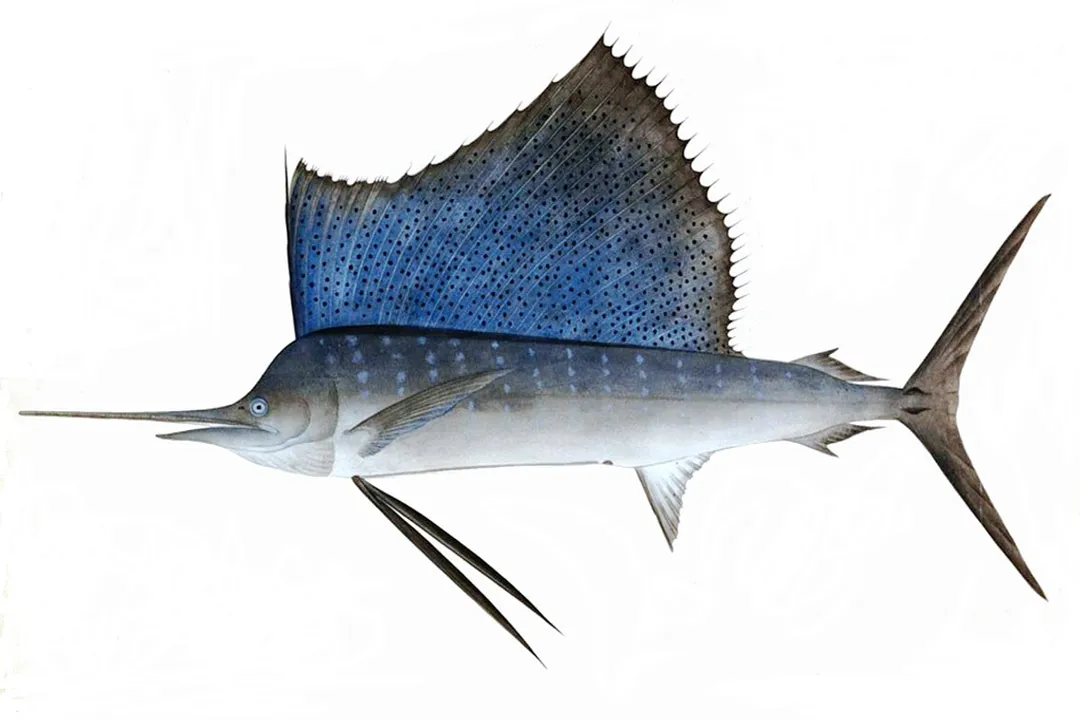
The sailfish is arguably one of the most spectacular residents of the world’s warmer oceans, immediately distinguishable by its towering dorsal fin and slender, powerful build. These pelagic predators embody raw aquatic speed and specialized hunting adaptation, making them a genuine marvel of marine evolution. [5][6] They are not just fast; they are built for explosive acceleration, a quality that defines their entire existence in the open water column. [7]
# Top Velocity
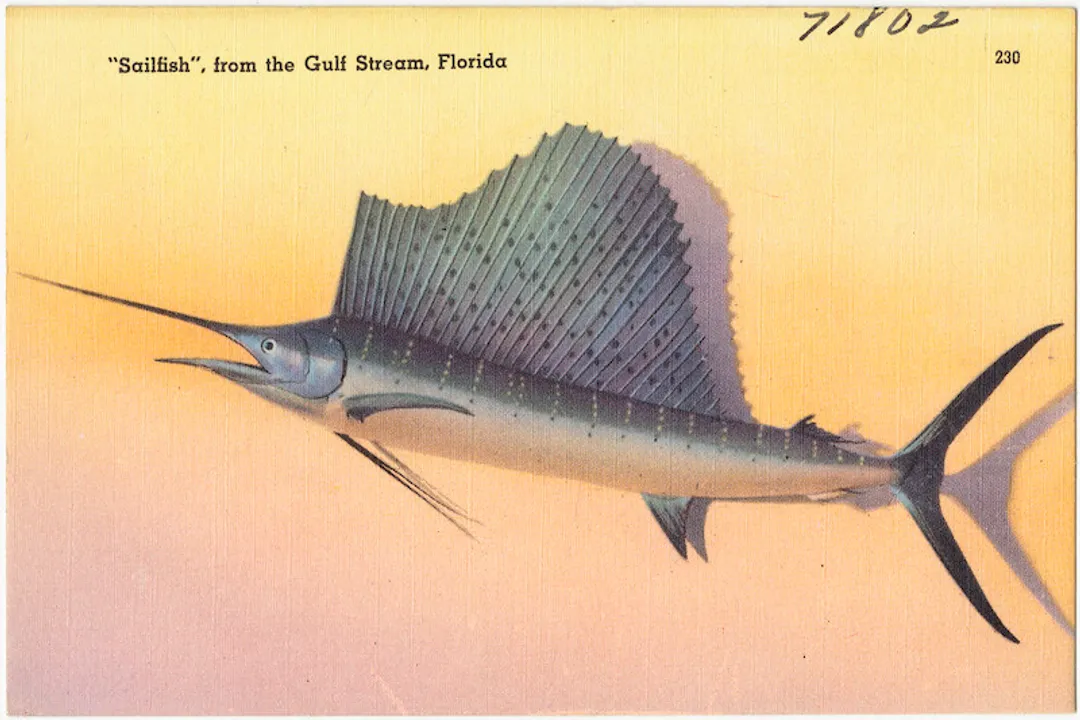
The reputation of the sailfish is inextricably linked to its astonishing top speed. While precise measurement in the wild is notoriously difficult, estimates place their maximum swimming velocity near 68 miles per hour (110 kilometers per hour). [1][5][7] This places them in contention for the title of the fastest fish in the sea, though the black marlin is sometimes cited as a close competitor or even faster, depending on the specific study. [7] This immense velocity is achieved through a highly streamlined, torpedo-shaped body that minimizes drag, allowing them to slice through the water with minimal resistance. [2]
The biological machinery required to sustain such bursts of speed is incredible. A fish that can reach 68 mph must operate at an intense metabolic rate, burning fuel rapidly for instantaneous propulsion. Considering that many sources suggest the sailfish lifespan is relatively short, perhaps only a few years, it suggests a life lived entirely at peak physical output, which is a rare metabolic strategy compared to long-lived, slow-moving deep-sea inhabitants. [4] This need for high performance dictates much of their daily activity and habitat selection.
# Dorsal Fin
The most striking visual feature, and the source of the fish’s name, is its magnificent dorsal fin. [6] This sail can be as tall as the fish's body length and is retractable, folding down into a groove along the back when the fish is cruising at high speeds. [2] This folding mechanism is critical; if the massive fin remained upright while swimming at top velocity, the drag created would likely inhibit the very speed the fish is famous for. [1]
When the sailfish hunts or displays, however, that sail rises dramatically. While many people assume the fin is used primarily for steering or stability, like the keel on a boat, its role is far more nuanced. Studies suggest the sail is often employed during feeding events to herd baitfish schools into tighter balls, making them easier targets for the bill strikes. [6] Furthermore, the display itself may play a role in intraspecies communication or dominance signaling among individuals. [2] The contrasting blue-black spots on the sail make it a highly visible signal in the water column when deployed.

# Hunting Tools
Beyond the sail, the sailfish possesses two other specialized features: its elongated, pointed bill and its powerful tail. [6] The bill, often mistaken for a weapon used to stab prey, functions differently than one might initially think. [2]
Unlike some other predatory fish, the sailfish uses its bill primarily to slash or stun schooling prey, such as sardines, mackerel, or squid, rather than to pierce them. [1][6] By swimming rapidly through a dense school with its bill whipping side to side, the sailfish can momentarily incapacitate several small fish, allowing it to circle back and consume the disoriented victims at leisure. [2] This method of stunning prey maximizes energy efficiency compared to chasing down and engulfing one fast-moving target at a time.
When anglers successfully hook a sailfish, the resulting fight often involves spectacular aerial displays. This jumping behavior is thought to be an attempt to use the water’s surface tension or air resistance to throw the hook, or perhaps to disorient the predator (the angler/boat) following the initial strike. [4] Interestingly, when fighting a large billfish, many experienced anglers note that the sailfish fight is characterized by chaotic, near-surface leaps and sharp direction changes, suggesting its power is optimized for these short, explosive maneuvers rather than the sustained, deep-water runs typical of larger tuna or marlin. This difference in fighting style speaks directly to its evolutionary niche as a high-speed ambusher rather than a deep-sea endurance racer. [2]
# Habitat and Range
Sailfish are cosmopolitan, meaning they are found worldwide in tropical and subtropical seas. [2][6] They prefer the surface waters, generally staying within about 30 feet of the surface, especially when they are feeding. [2] Their distribution spans both the Atlantic and Indo-Pacific Oceans, though they are typically divided into Atlantic and Indo-Pacific species, or sometimes categorized into distinct populations depending on the scientific classification system being used. [6]
They are migratory animals, often moving seasonally in response to water temperatures and the availability of their prey. As schooling baitfish move across ocean basins, so too do the sailfish that depend on them. [1][5] In areas like the Straits of Florida, for example, sailfish are often present year-round, though their density fluctuates significantly with seasonal shifts in currents and temperature gradients. [5]

# Species Comparison
When comparing sailfish to their relatives—the marlins and swordfish—their specialization for speed in the upper water column becomes clearer. [2]
| Feature | Sailfish | Swordfish | Marlin (e.g., Blue Marlin) |
|---|---|---|---|
| Primary Speed Niche | Surface/Upper Water Column | Mid-to-Deep Water | Wide Range |
| Dorsal Fin | Very large, sail-like, retractable [2] | Small, rigid (no sail) [2] | Large, sickle-shaped, rigid [2] |
| Bill Function | Slashing/Stunning | Heavy spearing/Ramming | Spearing/Slashing |
| Maximum Size | Up to 10 feet; approx. 220 lbs [2][4] | Larger; often exceeding 1,000 lbs | Can be much larger [2] |
The sailfish’s reliance on its massive, deployable sail sets it apart from the smaller, more rigid fins of the swordfish or the more uniformly crescent-shaped fins of the larger marlins. [2] This morphological difference supports their specialized hunting style near the surface. [6]
# Conservation Concerns
Despite their speed and ability to evade many dangers, sailfish face significant pressure from human activity. [5] They are highly sought after in the sport fishing industry due to the thrill of their acrobatic fight. [3] This popularity has put pressure on their populations, leading many organizations to advocate strongly for catch and release practices. [1][5]
When handled correctly, sailfish have a decent survival rate after release. However, improper handling can lead to severe stress or injury, particularly damage to their delicate gills or the base of their bill if they are pulled too hard or kept out of the water for too long. [3] Experienced anglers emphasize keeping the fish in the water as much as possible, supporting the body weight horizontally rather than vertically, and releasing them quickly after a successful revival attempt. [3] The vulnerability of these large, slow-reproducing predators means that even targeted recreational fishing can impact local stocks if not managed responsibly. [5] Oceana notes that the Atlantic sailfish population, for instance, has seen significant declines. [1]
Their role in the ecosystem is as a high-level predator controlling smaller schooling fish populations. Because they primarily eat small fish and squid, they are indicators of a healthy upper trophic level in their tropical environment. [1][2] Protecting the sailfish means protecting the entire chain of smaller organisms they rely upon, which is why their conservation status warrants careful monitoring across their range. [5]
Related Questions
#Citations
Sailfish | Oceana
Sailfish - Wikipedia
Sailfish Catch & Release? Can someone Explain, please? : r/Fishing
12 Fascinating Facts You May Not Know About Sailfish - Ward Realty
Sailfish 101: Fascinating Facts About the Ocean's Fastest Fish
Sailfish – Discover Fishes - Florida Museum of Natural History
The Sailfish is the Fastest Fish in the World - Ocean Conservancy
Sailfish - The Billfish Foundation
Sailfish is the fastest fish in ocean - Facebook