What is the Speciality of barramundi fish?
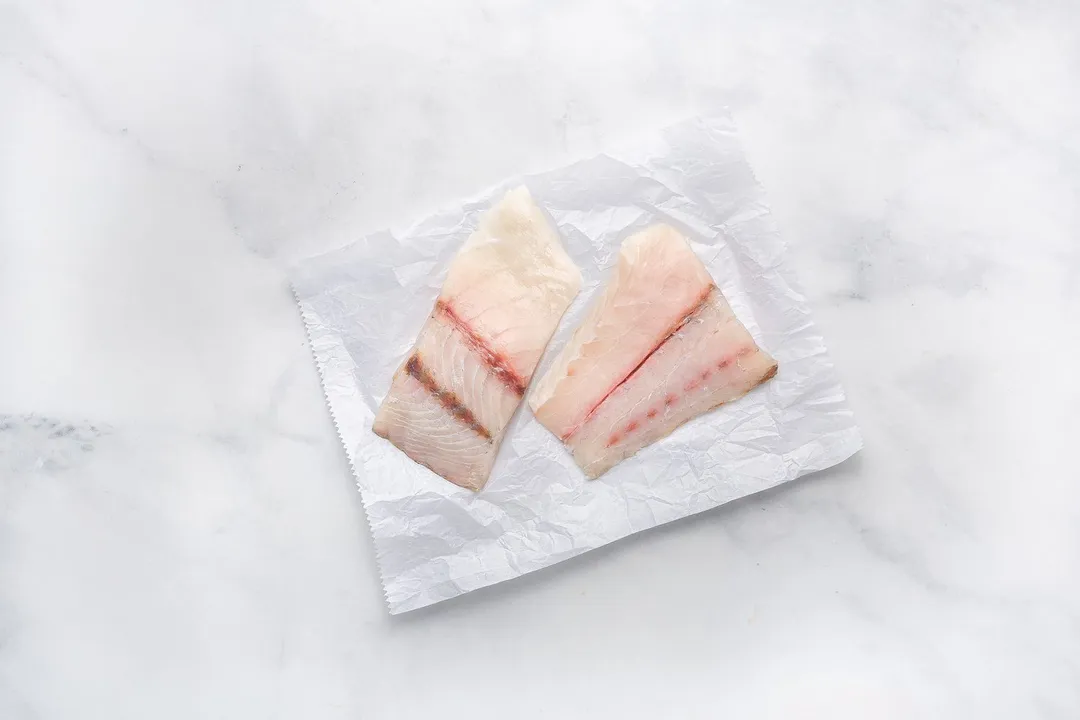
This highly regarded fish known globally by one name, barramundi, is a staple in many kitchens, particularly across the Indo-Pacific region where it originates. [2][7] Its name itself offers a clue to its nature, translating from an Aboriginal language as "large-scaled river fish". [2][5] It is scientifically classified as Lates calcarifer. [2] The fish’s immediate specialty lies in its superb eating quality: a firm, white, and flaky texture that appeals broadly to consumers. [3][6][7] This characteristic has cemented its place as one of Australia’s most popular table fish. [4]
# Fish Identity
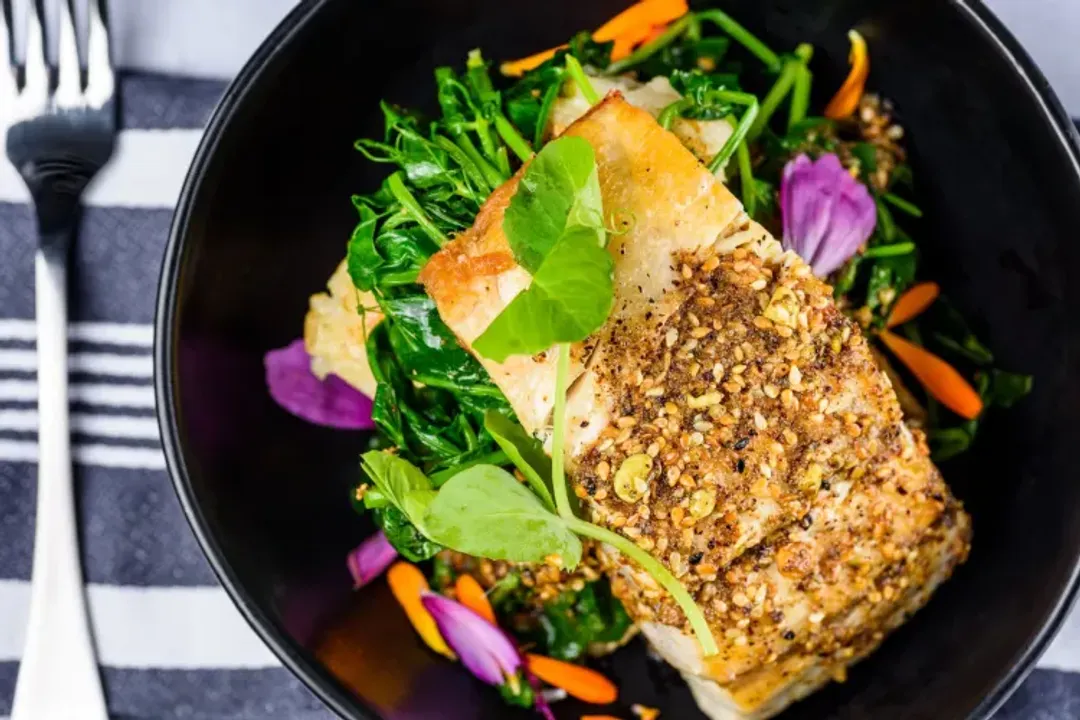
Beyond its culinary fame, the biology of the barramundi is quite unique, which contributes to its successful cultivation. [2] One of the most striking biological traits is its reproductive cycle; barramundi are protandrous hermaphrodites. [2] This means they begin their lives as males and later transition into females, typically between the ages of two and five. [2] This biological plasticity is fascinating from an ecological perspective, as it allows a single population to adapt its gender ratio based on environmental pressures or population needs. [2]
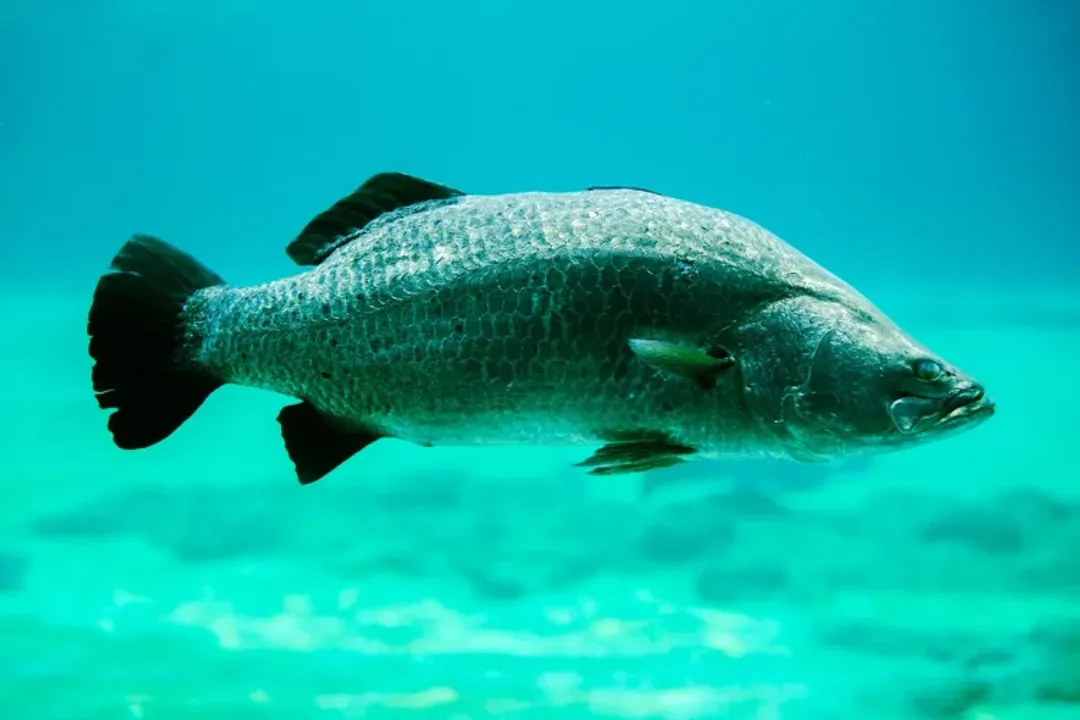
In terms of physical attributes, barramundi are built for growth and power. [2] They possess a deep, elongated body shape and are characterized by their large scales. [2][7] While they can become immense in the wild, sometimes reaching lengths of 6 feet and weights exceeding 100 pounds, those destined for the market are usually harvested when they reach a much more manageable size. [2][6][7] Their powerful jaws are also a notable feature of their imposing structure. [2]
# Global Habitat
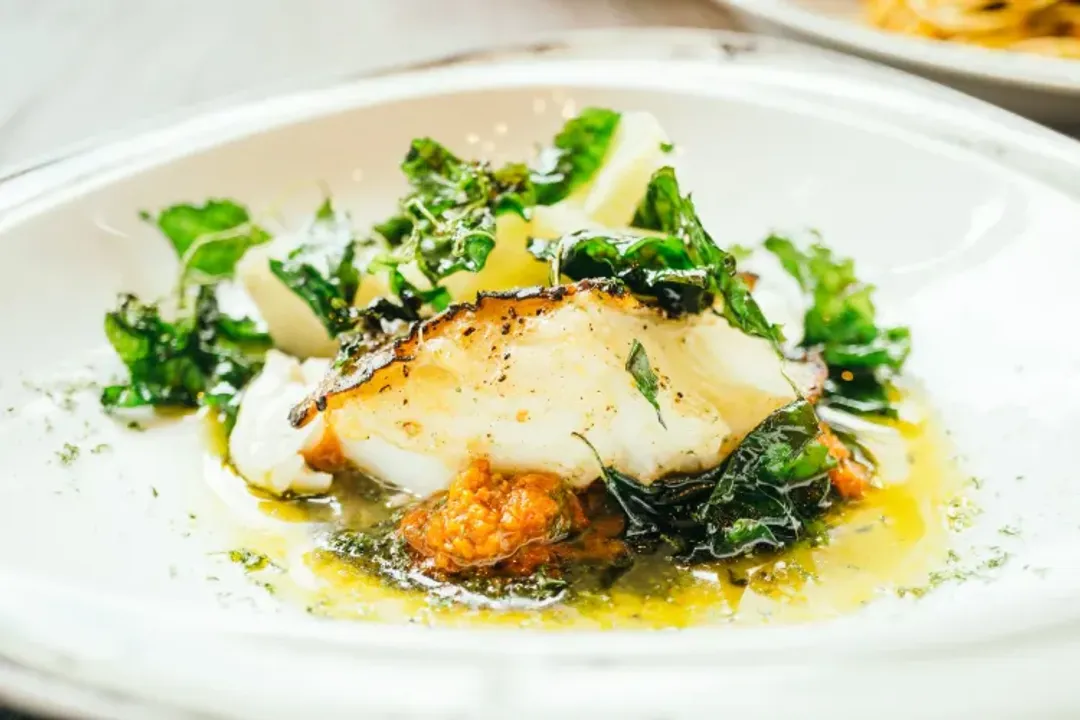
The natural range of barramundi spans a considerable portion of the planet, covering the Indo-Pacific. [2][7] You can find them naturally distributed from Southeast Asia all the way to Papua New Guinea and northern Australia. [2][7] Ecologically, they are highly adaptable, which helps explain their broad distribution. [2] They are classified as catadromous, meaning they migrate from freshwater environments, such as rivers, where they mature, down to saltwater estuaries and coastal areas to spawn. [2] This ability to thrive across salinity gradients, moving between freshwater rivers and the ocean’s edge, is a key aspect of their natural specialization. [2][7]

# Flavor Profile
The primary specialty driving consumer demand is undoubtedly the taste and texture of the flesh. [3][8] Barramundi offers a mild, slightly sweet flavor profile. [3][6] Unlike some other popular white fish that can carry a strong, oily, or "fishy" note, barramundi is notably low in oil content. [3][6] This neutrality is a significant advantage in the kitchen. It allows the fish to serve as an excellent canvas, readily absorbing the flavors of accompanying herbs, spices, and marinades without its own flavor clashing. [3][8]
The texture complements the mild flavor perfectly; the flesh is firm yet flakes nicely when cooked correctly. [3][7] This combination of texture and low oil content makes it incredibly versatile for various cooking techniques, including grilling, baking, and pan-frying. [3][7] When preparing this fish, one must be mindful that because it is lean, it can dry out if overcooked, a trait common to low-fat proteins. The preparation should therefore prioritize quick cooking methods or methods that introduce external moisture, like wrapping in foil or searing skin-side down to protect the delicate flesh underneath. [1] This lean quality differentiates it from fattier fish like salmon or mackerel, making it a safer choice for cooks who prefer consistency and mildness in their seafood dishes. [6]
# Aquaculture Status
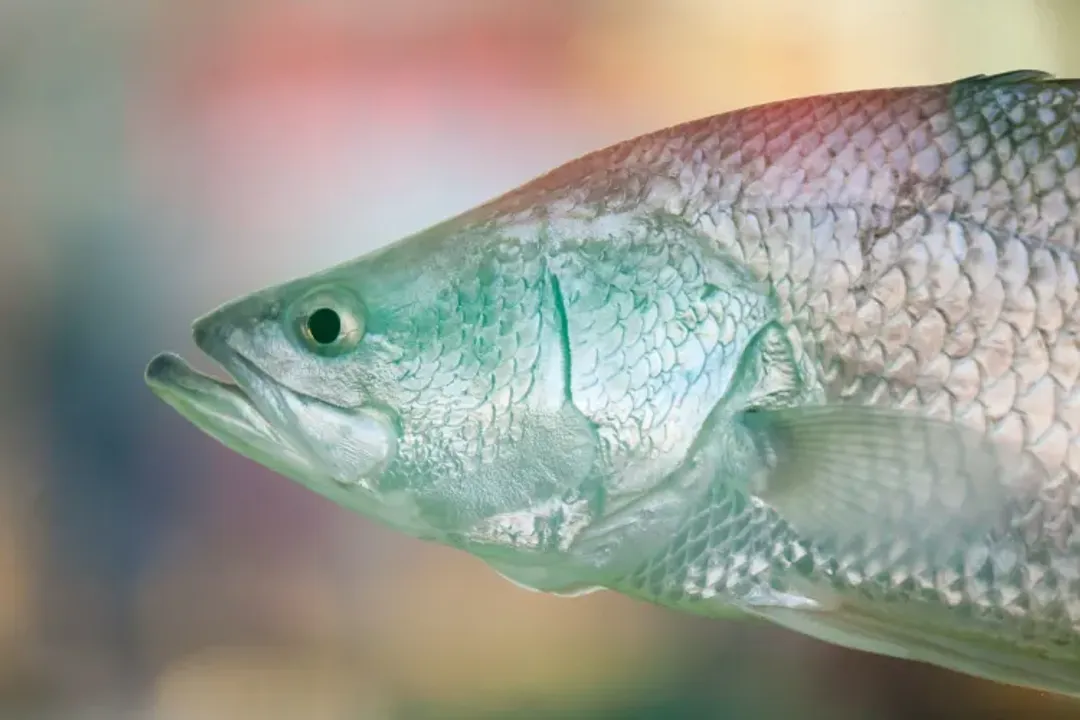
While barramundi is historically a wild-caught species, modern pressures on wild stocks and the consistent demand for high-quality white fish have led to significant development in aquaculture. [2] Today, farmed barramundi constitutes a major portion of the supply available in markets globally, especially in the United States. [1]
The move to farming is not just about meeting demand; it also speaks to the fish’s suitability for controlled environments. [1] Commercial aquaculture operations often employ systems like Recirculating Aquaculture Systems (RAS), which allow for precise control over water quality, feeding, and growth rates. [1] This controlled environment helps ensure a consistent product year-round, independent of seasonal wild catches. Furthermore, for those interested in the environmental footprint of their food, seeking out sustainably farmed barramundi, particularly those raised in low-density or RAS setups, can be a preferred purchasing choice over less regulated wild catches. [1] The ability of Lates calcarifer to adapt to tank life, thanks in part to its hardiness, is what makes it a successful aquaculture subject. [2]

# Dietary Value
From a nutritional standpoint, barramundi delivers significant health benefits, aligning well with modern dietary guidelines. [6] It is recognized as a good source of high-quality protein, which is essential for muscle maintenance and satiety. [6] More specifically, it is noted for containing beneficial omega-3 fatty acids, although typically in lower concentrations compared to very oily fish like sardines or mackerel. [6] For individuals monitoring their fat intake, barramundi provides a leaner profile while still offering these important healthy fats. [6] It also contains essential nutrients like Vitamin B12, phosphorus, and selenium. [6] Its inclusion in a regular diet supports overall health by providing necessary macronutrients and micronutrients without excessive saturated fat. [6]
# Culinary Tips
Understanding the specialty of barramundi—its mildness and low fat content—can guide better cooking results. For instance, when pan-searing, aiming for a crispy skin is an excellent technique. By starting skin-side down in medium-high heat, you allow the skin to crisp while the relatively low amount of internal fat renders just enough to prevent the flesh from sticking and drying out immediately. [9]
A second consideration, relating to its success in absorption, involves preparation for grilling. Because the flavor is so mild, it benefits immensely from a bright, acidic marinade for at least thirty minutes before hitting the grill. Unlike a firm, fatty fish which might stand up to heavy sauces, barramundi shines when paired with simple, clean flavors—think lemon, dill, and white wine reduction—applied just before cooking, ensuring the natural texture remains the star while the mild flavor is enhanced, rather than masked. [8] This approach respects its inherent quality as a premium white fish.
#Videos
What Chefs Think of The Better Fish® Barramundi - YouTube
Related Questions
#Citations
Barramundi Fun Facts - The Better Fish
Barramundi - Wikipedia
What Is Barramundi? - The Spruce Eats
Finfish | Barramundi, The Better Fish
What Chefs Think of The Better Fish® Barramundi - YouTube
What Are the Health Benefits of Barramundi? - WebMD
Barramundi | Description, Habitat, Taste, & Facts - Britannica
What Is Barramundi and How Do You Use It? - Cozymeal
Barramundi (USA) - Santa Monica Seafood