Why are mourning geckos only female?
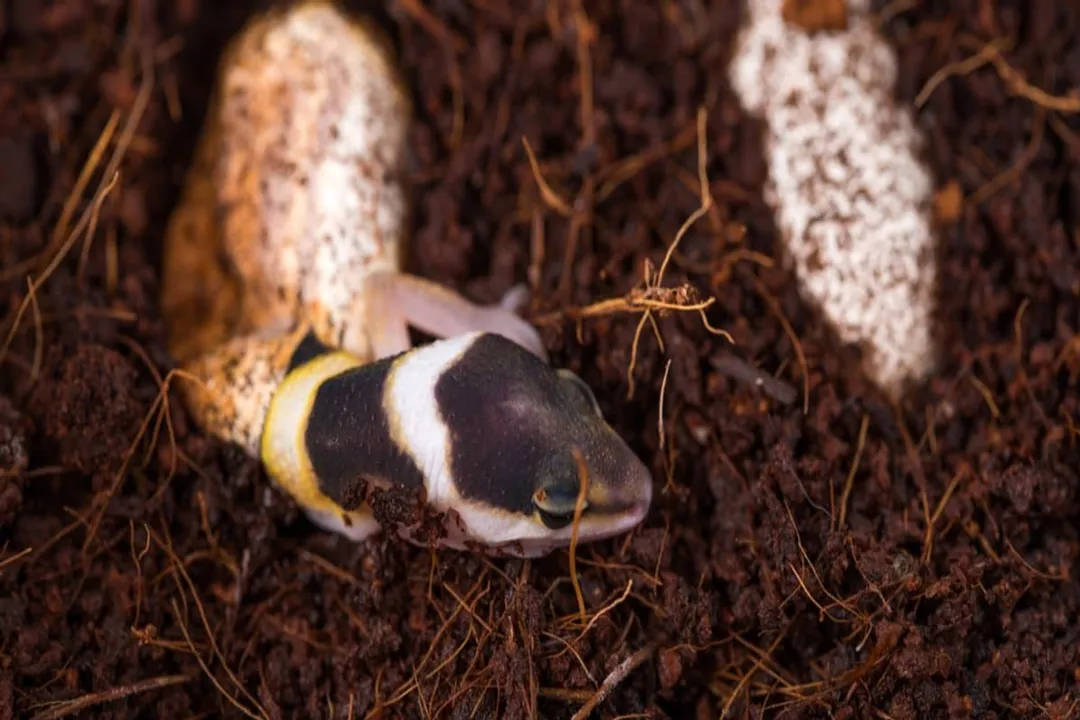
The concept that an entire species can function and thrive without ever needing a male partner is fascinating, yet it is the reality for the small, nimble creature known as the mourning gecko, Lepidodactylus lugubris. [5][6] This lizard presents one of nature’s most intriguing reproductive anomalies: it is an exclusively female species, relying on a unique form of asexual reproduction to sustain its widespread populations across tropical and subtropical regions. [2][3] The question isn't if males are present, but rather why they are so conspicuously absent, and how this biological shortcut allows them to conquer new territories.
# Virgin Birth
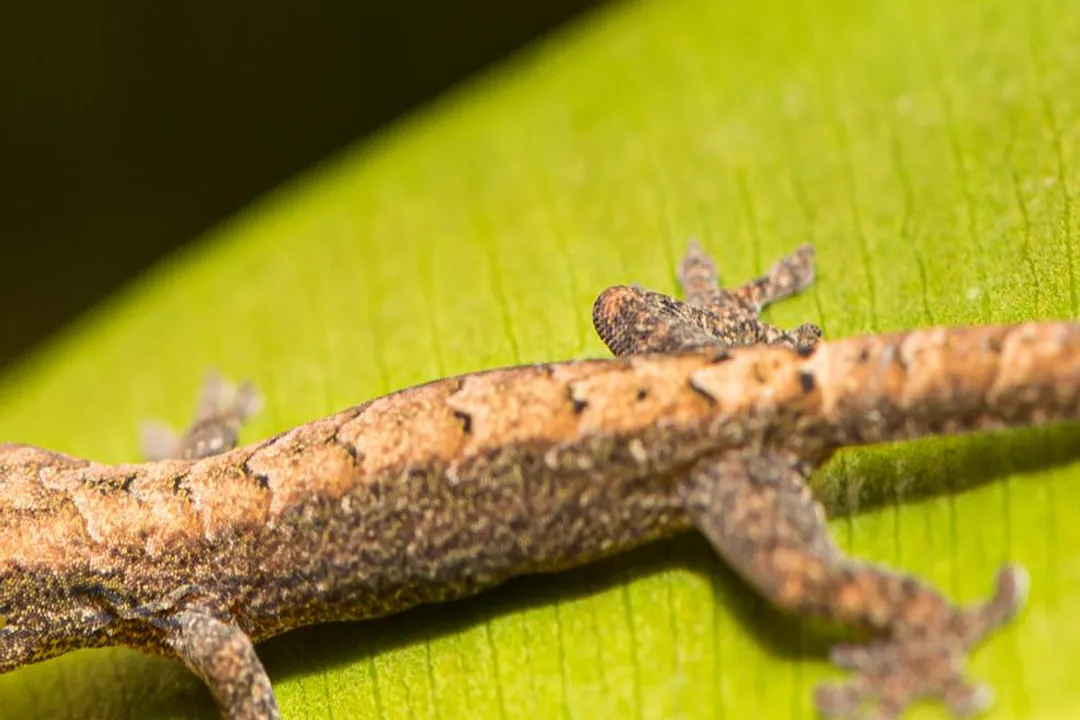
The secret to the mourning gecko’s success—and the reason for its moniker—lies in a reproductive strategy called parthenogenesis. [4][7] In the simplest terms, parthenogenesis translates to "virgin creation" or "virgin birth". [4] It is a method of asexual reproduction where a viable offspring develops from an unfertilized egg cell. [4][7] For the vast majority of other vertebrates, reproduction requires the combination of male sperm and female egg cells, each carrying a haploid (half) set of chromosomes, to form a diploid (full) set in the resulting embryo. [4]
Mourning geckos bypass this requirement entirely. The females produce eggs that already possess the diploid number of chromosomes, meaning the egg is ready to develop without any genetic contribution from a male. [4] This method is particularly advantageous in scenarios where dispersal is key. Since only one female is required to establish a colony, a single individual washed up on a new island or stowed away on a ship can immediately begin populating that new environment. [3][7] This reproductive efficiency has facilitated their surprisingly large native range spanning Southeast Asia, the Indo-Pacific islands, and introduced populations in Central and South America, as well as Australia. [2][6]
# Absent Males
The lack of males is so profound that it dictated the species' common name. When early naturalists discovered populations consisting entirely of females, they hypothesized that the females were "mourning" the absence of their male counterparts. [1][7] While this name is based on a historical misunderstanding of their biology, the reality remains: males are seldom seen. [1][4] When male phenotypes do appear within a population, they are typically rare and, critically, almost always sterile. [1][5] Their reproductive anatomy is unable to produce viable sperm, meaning they cannot contribute to the next generation sexually. [4] This near-total absence of males solidifies parthenogenesis as the obligate reproductive pathway for Lepidodactylus lugubris. [5]
# Cloning Details
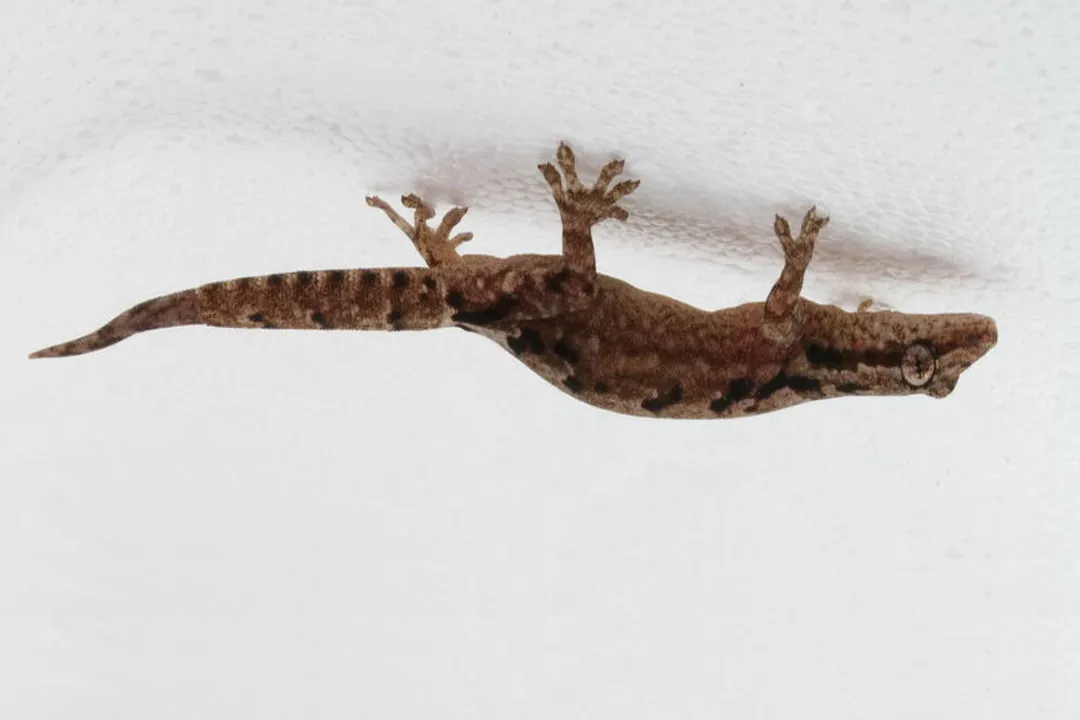
Because reproduction occurs without fertilization, the resulting offspring are, for the most part, genetic copies of their mothers. [6][7] If a mother gecko has the genotype , she produces an egg that develops into an individual with the genotype , and this process repeats. [1] This is why, in captive breeding colonies started from a single female, the entire resulting population shares an identical genetic profile. [4]
However, it is important to distinguish these offspring from true, laboratory-created clones. In animals that reproduce this way, the specific mechanism involves a process called automixis, which is the fusion of gametes or nuclei from the same individual. [4] This internal fusion of genetic material allows for a degree of recombination to occur within the mother's genome before the egg is laid. [1][4] While the resulting gecko carries the mother’s overall genetic makeup, the shuffling of parental chromosomes that normally happens during meiosis in sexual reproduction is somewhat mimicked, meaning siblings are not always exact duplicates, although they are very closely related. [1][4] This slight level of genetic shuffling is thought to be vital, providing just enough variation to perhaps mitigate the most immediate risks of strictly clonal reproduction. [1][4]
# Mating Rituals
Even in this world of single-parent reproduction, social interaction plays a part. Mourning geckos have been observed engaging in what is termed pseudocopulation with other females. [1][4] This means they mimic the physical act of mating with one another. [4] Researchers suggest that this behavior, far from being a social quirk or a sign of missed males, acts as a trigger to initiate or speed up the parthenogenetic reproductive cycle. [1][4] The presence of another female body engaging in this activity appears to facilitate the development and laying of the next clutch of eggs faster than if the female were completely isolated. [1]
# Widespread Distribution
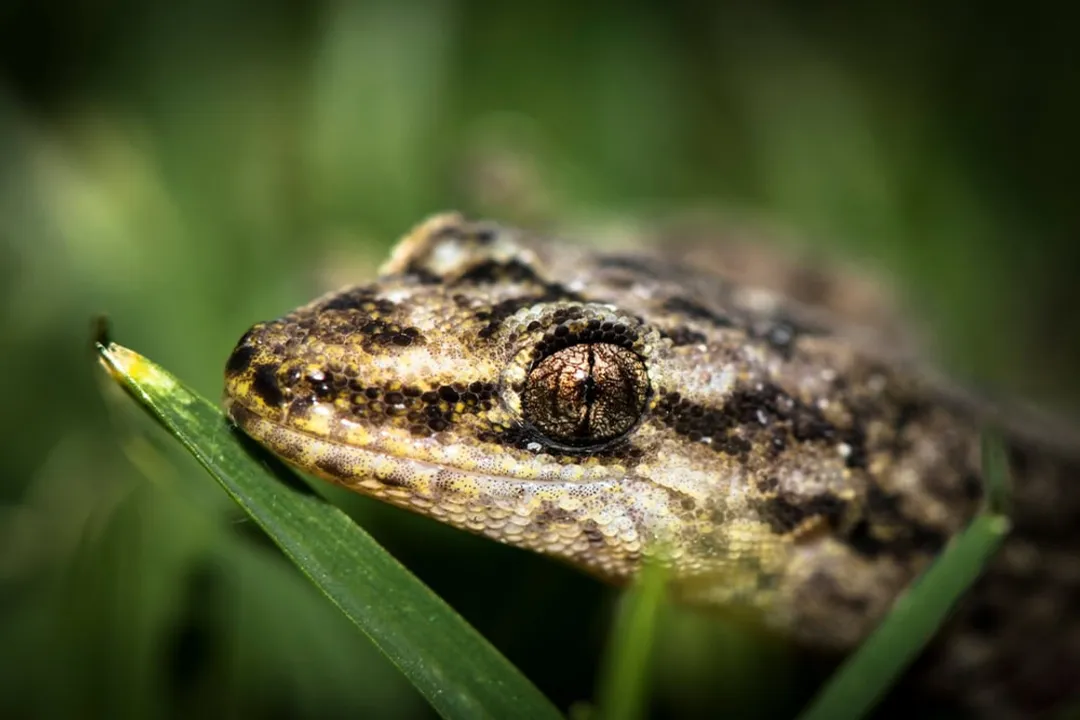
The reproductive adaptations of the mourning gecko explain its success as a colonizer. Aside from the advantage of the single-founder effect, their eggs possess a remarkable feature: they are saltwater-tolerant. [1][2][4] This resilience allows eggs to survive long voyages across oceans, clinging to drifting vegetation or debris. [2][4] This trait, combined with their parthenogenetic reproduction, means they have achieved an incredibly wide geographical spread, moving from their native Southeast Asia to islands across the Pacific and Indian Oceans, and establishing populations in the Neotropics. [5][6]
The generalist nature of the species also contributes to its success in human-modified environments. They are found in both native forests and urban settings, thriving in a variety of tropical and sometimes even slightly cooler climates. [2][6] In some areas, like Hawaii, they are recognized as an invasive species. [2][6] Their ability to exploit new niches quickly, coupled with their high reproductive rate—laying one or two eggs every four to six weeks year-round—allows for rapid population density growth wherever they settle. [4][6]
# Evolutionary Trade-Offs
The dominance of the all-female strategy presents a classic evolutionary trade-off. On one hand, as noted, it allows for rapid colonization and population establishment without the high energy expenditure and risk associated with finding a mate. [4][7] When a species is sparse or newly arrived, this is a massive advantage.
On the other hand, the primary drawback of this near-cloning strategy is the severe lack of genetic diversity. [3][4][7] Sexual reproduction constantly remixes genes, creating novel combinations that might allow some offspring to survive novel threats. In a parthenogenetic population, every individual shares the same genetic blueprint. [3] Should a specific pathogen or a significant environmental shift, such as a sustained temperature change, arise that targets that one specific genome, the entire population is at risk of being wiped out simultaneously. [3][4] While the automixis process offers a small degree of shuffling, the species remains inherently vulnerable compared to sexually reproducing relatives who benefit from constant, full-scale genetic recombination. [4]
It is an interesting point of speculation that the very existence of the rare, sterile males might be an evolutionary hangover—a relic from an ancestral species that did reproduce sexually. The mechanism for producing male-determining chromosomes might be an inherited pathway that the species has not yet completely purged because its immediate survival advantage (parthenogenesis) has outweighed the long-term risk associated with a lack of genetic fluidity. [1]
# Implications for Captivity
For those who keep mourning geckos as pets, their reproductive style has immediate, tangible consequences. Because most imported or even early captive specimens were female, they are overwhelmingly propagated through asexual reproduction in the hobby. [5][6] This means that the colony you buy today—even if you purchase several individuals—may all share the same ancestral female clone line from years or decades ago. [4]
This genetic homogeneity is something to consider when managing a group. While they are known for being hardy and forgiving regarding some husbandry errors, they might also share a collective, inherited susceptibility to certain ailments or conditions. For instance, if a line is prone to a specific metabolic issue due to a latent mutation, every gecko descended from that founder will carry that same flaw. For keepers managing a colony, this means that environmental management, especially regarding diet supplementation—like ensuring adequate Vitamin D3 and Calcium—is critical, as deficiencies that harm one will likely harm all. [6] Furthermore, as these little lizards reproduce prolificly and easily, the population size in a vivarium can explode quickly, often surprising owners who only introduced one or two animals initially. [1][4] They are, in essence, a self-sustaining, ever-expanding family of sisters.
Related Questions
#Citations
The mourning gecko species reproduces with only females ... - Reddit
Mourning Gecko - Georgia Aquarium
Fatherless: just mothers for mourning geckos - Zoo Basel
Explained: Mourning Gecko Reproduction - Ali's Menagerie
Lepidodactylus lugubris - Wikipedia
Husbandry Handbook: Mourning Gecko - Lepidodactylus lugubris
This Female Lizard Can Lays Eggs, No Mating Required - A-Z Animals