Are all mourning geckos clones?
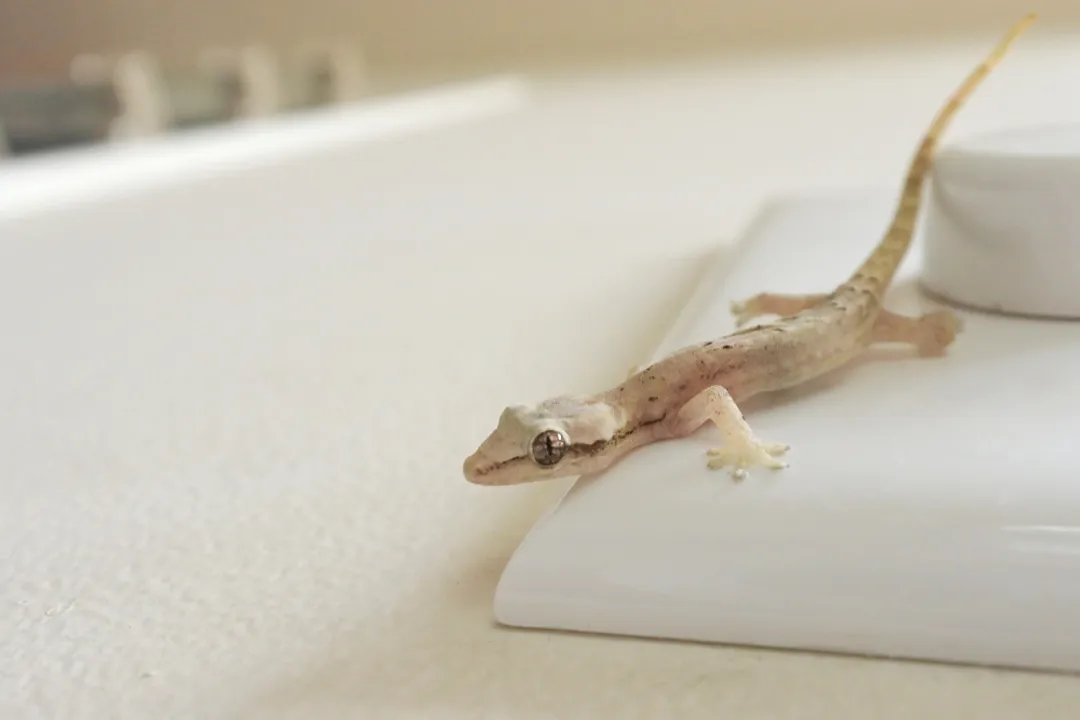
The reproductive cycle of the mourning gecko (Lepidodactylus lugubris) presents one of the most compelling examples of efficiency in the reptile world, immediately raising questions about genetic diversity. These tiny lizards, generally measuring less than four centimeters in length or about 1.5 inches, are famous in herpetological circles because they often do not require a male partner to produce offspring. [1] This method of reproduction is the key to understanding their population structure.
# Asexual Reproduction
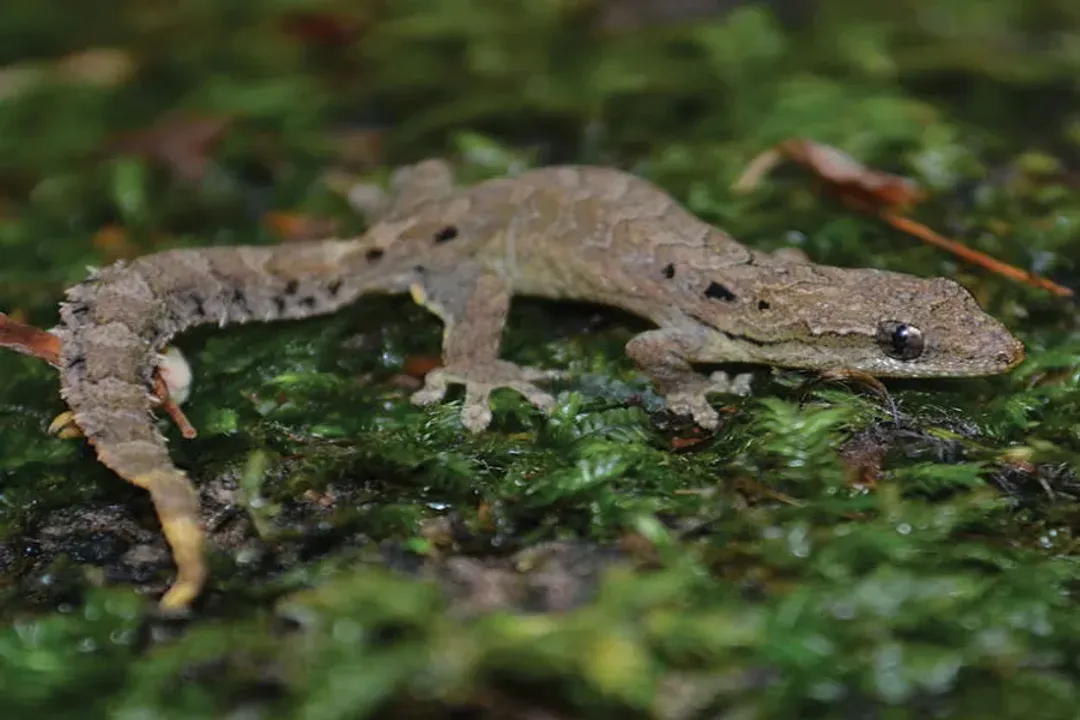
The mechanism at play is known as parthenogenesis, a form of asexual reproduction where an unfertilized egg develops into a new individual. [6][9] For the mourning gecko, this means that a female is capable of producing viable eggs entirely on her own. [4] In many established populations, particularly those studied in captivity or those that have colonized new geographic areas, males are either entirely absent or exceedingly rare. [6][9] This specialized reproductive strategy allows a single female to establish a population very quickly, provided she can find suitable shelter and food sources. [8]
This contrasts sharply with species that rely strictly on sexual reproduction, where the need to find a mate, coupled with the time investment of courtship and copulation, naturally slows down initial population growth. The mourning gecko bypasses this bottleneck entirely. The fact that they are adaptable eaters also aids this rapid colonization; their generalist diet assists invasive populations in spreading to new environments. [8]
# Genetic Copies
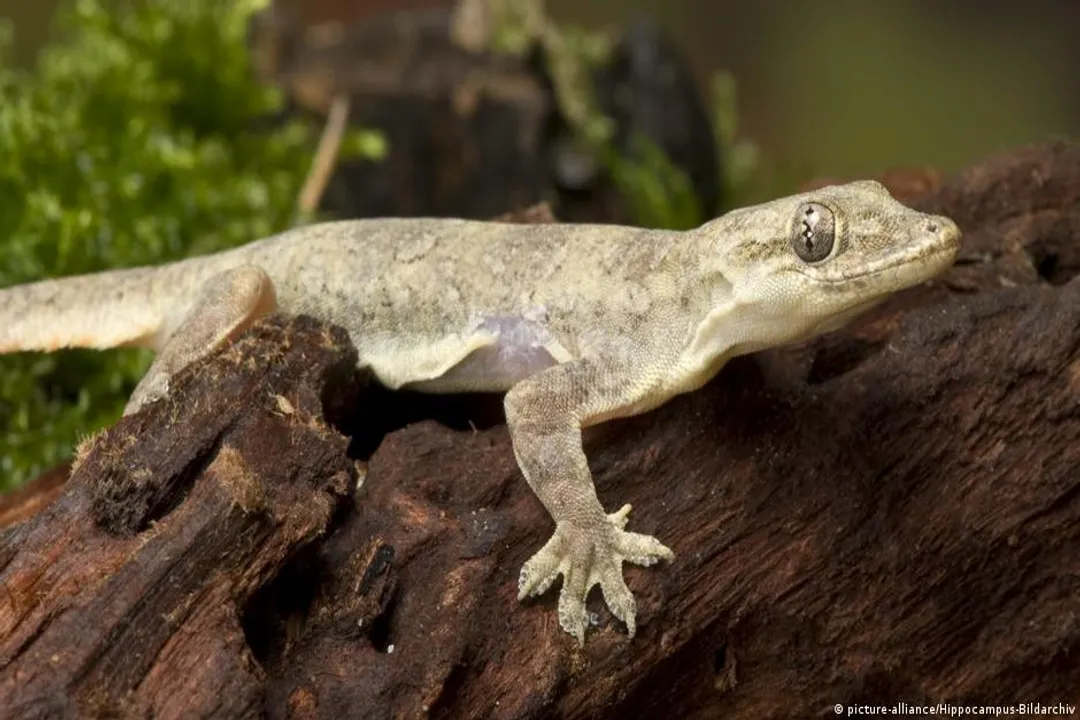
When reproduction occurs via parthenogenesis, the resulting offspring are, for all practical purposes, genetic copies of the mother. [3] This suggests that every individual born asexually is essentially a clone of the parent that laid the egg. [1][2] In a population dominated by parthenogenesis, you would expect to find high levels of genetic uniformity. The genetic material of an established, exclusively female line is passed down almost perfectly from one generation to the next. [3]
However, it is important to recognize that while the term "clone" is accurate for describing the mode of reproduction, the reality of a captive or wild collection is often slightly more complex than a simple one-to-one replication of a single original individual. If a lineage was founded by two different females that were not clones of each other, the resulting population will still consist of genetically identical individuals within their respective maternal lines, but there will be distinct genetic groups present overall. [3]
A key consideration for anyone keeping these lizards is the potential impact of founding stock. If a collection originates from a single female—a common scenario in the pet trade—then every lizard subsequently produced will be an identical genetic twin of the original. If an enthusiast acquires several individuals from different, unrelated sources, they are likely introducing genetically distinct clones into their husbandry program, not individuals that have undergone sexual mixing. [3] This lack of genetic shuffling is often cited as a vulnerability, though the actual resilience of parthenogenetic species is still a subject of ongoing biological interest.
# Male Presence
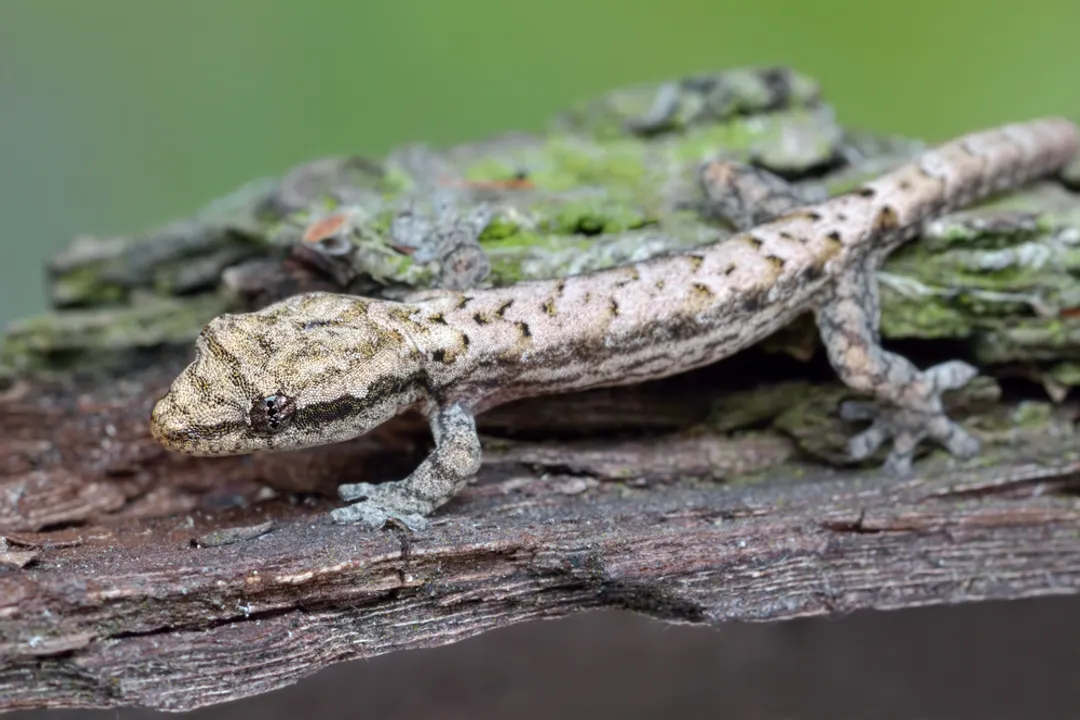
The definitive answer to whether all mourning geckos are clones hinges on the presence and role of males. While reproduction primarily occurs without them, males do exist within the species Lepidodactylus lugubris. [6][9] In some areas, males have been documented, suggesting that sexual reproduction can still occur, even if it is not the dominant or necessary reproductive mode. [6]
When males are present, they can mate with females, leading to the production of offspring via sexual means. These sexually produced offspring will, naturally, possess a genetic makeup different from the mother, as they inherit DNA from both parents. Therefore, to state absolutely that all mourning geckos are clones is technically incorrect, as the species retains the capacity for sexual reproduction, even if that capacity is suppressed or rare in many isolated populations. [6][9]
This situation creates a fascinating population dynamic. Imagine a population that has been reproducing clonally for decades, achieving massive numbers due to reproductive surety. The introduction of a single male, or the spontaneous re-emergence of a male phenotype through a rare genetic event in an established parthenogenetic line, could suddenly introduce sexual reproduction back into the mix. This shift could be a significant evolutionary event for that local gene pool, potentially leading to greater genetic variation, or, conversely, causing a temporary population disruption as the established clonal lines adapt to the introduction of sexual recombination.
# Individual Traits
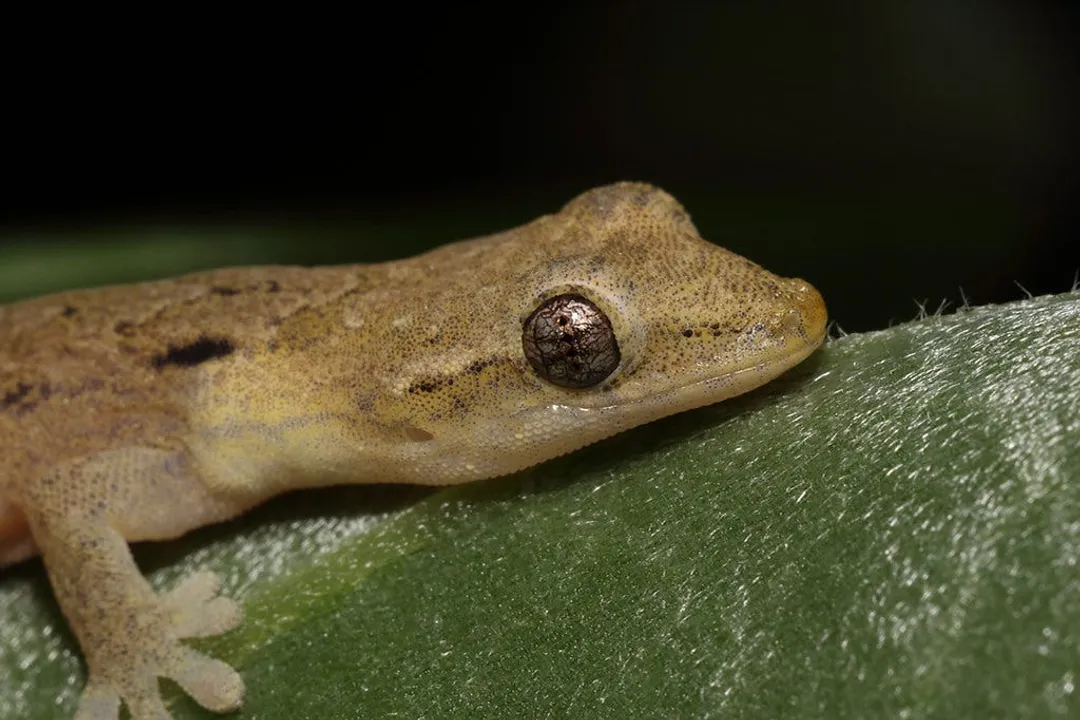
Despite being genetic copies of one another, the lived experience of keeping mourning geckos suggests that individuality persists. While the foundational blueprint is identical, the development of a gecko is influenced by environmental factors, diet, and early experiences. [3] This leads to the observation that even genetically identical siblings can exhibit different behaviors or temperaments.
For instance, two geckos that are genetically identical might develop slightly different responses to handling or feeding schedules based on when they hatched relative to their siblings, or the precise nutrient profile of the egg they developed in. The soft skin and large eyes that characterize this species [1] do not dictate a single personality. While their basic instincts are hardwired, keepers often report that some individuals become bolder, more active feeders, or show different levels of shyness compared to their tank mates, even those hatched from the same clutch. [3] This demonstrates the difference between genotype (the inherited genes) and phenotype (the observable characteristics influenced by environment).
# Invasive Spread
The reproductive certainty offered by parthenogenesis is a significant factor contributing to the success of Lepidodactylus lugubris as an invasive species globally. [8] When these geckos are accidentally introduced to a new habitat, such as being transported via cargo or contaminated plant shipments, the presence of just one female is enough to guarantee the establishment of a permanent population. [8]
Unlike many other reptiles that require a balanced sex ratio to propagate, the mourning gecko only needs one successful introduction event. This high reproductive efficiency, coupled with their dietary versatility, [8] allows them to establish footholds in diverse climates. The ease with which they establish themselves means that regulatory bodies and ecologists must be highly vigilant about their accidental movement, as eradication once established can be extremely difficult precisely because of their reliable, clone-based breeding system.
# Keeper Experience
For those interested in keeping these small, fascinating reptiles as pets, understanding the reproductive mode simplifies one aspect of care: sexing the group. Since the majority of the population will be female, keepers rarely need to worry about accurately identifying the sex of a new acquisition, which can sometimes be challenging with species that look similar across sexes. A general rule of thumb when purchasing from a reputable source is that if you receive several, they will almost certainly all be females. [7]
However, this lack of sexual dimorphism or the need to manage breeding pairs means that husbandry focuses entirely on providing a stable environment for a colony rather than pairs or singles. Providing appropriate temperature, humidity, and a varied diet—often favoring fruits, sugars, and insects—is key to keeping the colony healthy. [7] It is worth noting for new keepers that while you might get genetically identical individuals, expecting them to act identically is an oversight; observing the subtle behavioral differences between the members of your colony can be just as rewarding as watching them hunt small prey. A balanced diet that incorporates both insect protein and sugary fruit components, for example, can influence the overall vitality of the genetically similar group, showing that environmental input still dictates the health of the phenotype. [8]
Related Questions
#Citations
Mourning geckos are a small (generally less than 4 inches) species ...
Mourning Gecko - Georgia Aquarium
Self Cloning Geckos and The Development of Personality - Medium
Why don't mourning geckos use parthenogenesis? - Facebook
The better half? – DW – 10/11/2017
The Ultimate Mourning Gecko Care Guide | ReptiFiles
Diet Versatility and Preference in Invasive Mourning Geckos