Why can't you feed cows alfalfa?
Cattle producers often hear warnings about alfalfa, leading some to believe this highly nutritious legume should be completely avoided in a feeding regimen. While alfalfa offers exceptional protein and energy content, making it a prized feed source for growing calves, lactating dairy cows, and beef cattle needing condition, its introduction, particularly as fresh pasture, carries a significant, well-documented risk that demands careful management. [7][5] This caution stems almost entirely from one serious condition: acute ruminal bloat. [1][5]
# Bloat Hazard

The fear surrounding alfalfa is not about nutritional overload in the typical sense, but the potential for rapid, life-threatening gas accumulation in the rumen. [5] Bloat occurs when the natural process of eructation—the cow’s method of releasing fermentation gases—is physically blocked. [5] While gases build up during normal digestion, they should bubble up and be released. When cattle consume certain lush forages, especially legumes like alfalfa, this bubbling action turns into a stable, thick foam that seals the esophagus entrance, trapping the gas. [2][6]
This isn't just gas pressure building up; it’s a physical obstruction created by the feed itself. [2] In severe cases, this trapped gas rapidly distends the animal's left flank, causing extreme distress and potentially death if not treated quickly. [1] The severity of the risk often dictates how conservative a rancher decides to be with this feedstuff. [5]
# Foaming Action

Understanding why alfalfa causes this foam is crucial to managing it. Alfalfa is rich in highly soluble proteins. [2] When these proteins mix with saliva in the wet, warm environment of the rumen, they act as a surfactant—much like adding soap to water—creating a stable, dense foam. [2][6] This foam physically prevents the gas from separating from the liquid and reaching the esophagus for release. [2]
Pasture bloat is typically categorized as either frothy or free-gas bloat. [5] The alfalfa-related issue is the highly dangerous frothy bloat. [2] Contrast this with grass pastures, which are generally lower in these soluble proteins, allowing gas to escape more easily, even if fermentation is active. [2] It is this unique biochemical property of fresh alfalfa that creates the severe barrier to normal digestion, turning a high-value feed into a potential hazard if mismanaged. [6]
A key consideration often overlooked is the rate at which the animal consumes the forage versus the rate the rumen can process it. If cattle are turned onto a fresh, lush alfalfa pasture when they are already hungry, they will gorge themselves, consuming massive amounts of the foam-producing material very quickly. This speed compresses the time available for the rumen microbes to adapt or for preventative measures to take effect, leading to a much faster onset of life-threatening symptoms. [8]
# Grazing Control
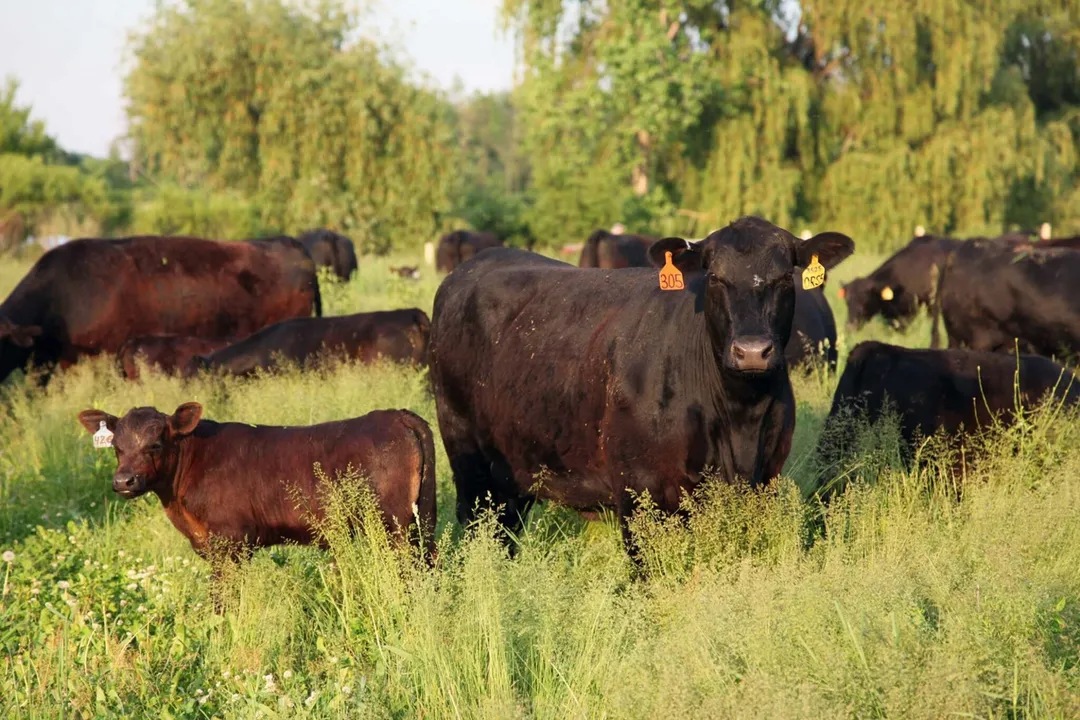
Since the danger is most pronounced with fresh pasture grazing, managing the how and when of grazing becomes the primary defense strategy. [8] You can feed alfalfa, but you must control the intake dynamics. [5]
One of the most established preventative measures is slow acclimation. [5] Cattle should not be allowed access to pure alfalfa pasture for long periods until they have built up tolerance. A common management recommendation involves a gradual introduction period, sometimes spanning a week or more, slowly increasing the proportion of alfalfa available versus grass. [8]
Here is a simplified approach derived from best practices for introducing cattle to rich legume pastures:
| Day | Feeding Strategy | Goal |
|---|---|---|
| 1–2 | Provide limited access (e.g., 1–2 hours) or graze alongside grass. | Allow initial microbial adaptation. |
| 3–4 | Increase access time, but ensure cattle are not overly hungry when turned out. | Monitor for early signs of discomfort. |
| 5+ | Increase time gradually, ideally grazing down to a mixed stage or ensuring a high-fiber base diet is present beforehand. | Establish tolerance and maintain consistent intake. |
It is also paramount that cattle are never turned onto alfalfa pasture if they have been held off feed for a long time. Feeding a high-fiber grass hay before turning them out to graze alfalfa acts as an internal buffer, absorbing some moisture and slowing the initial rate of intake, offering a crucial buffer against rapid foam formation. [8]
# Forage Type
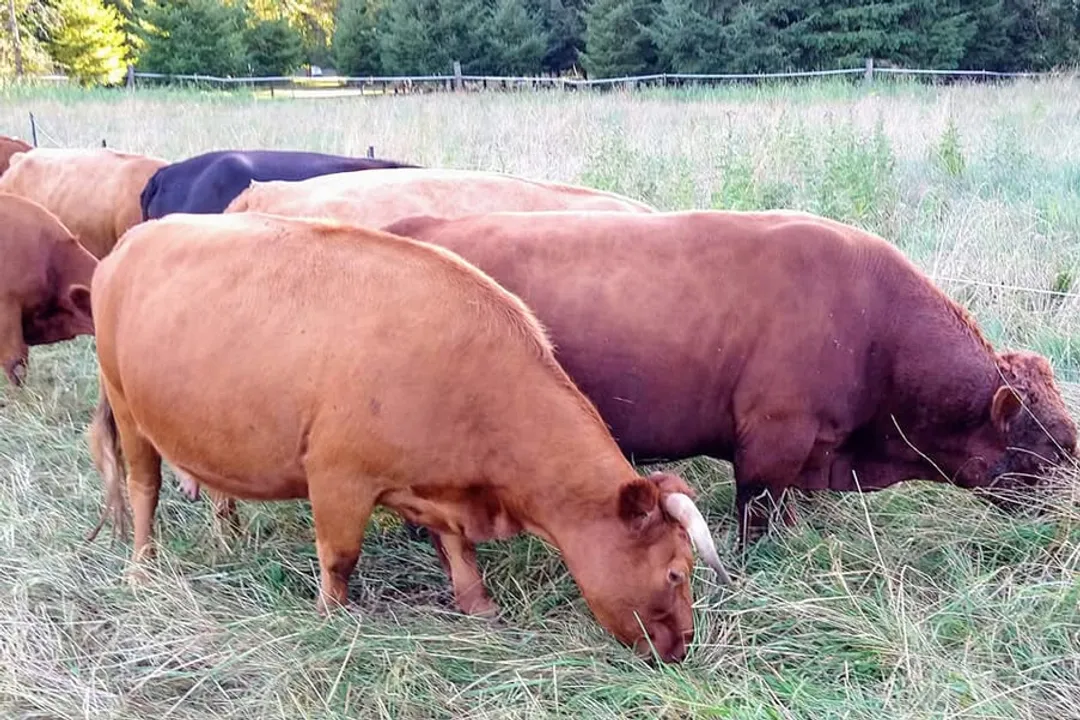
The relationship between alfalfa and bloat risk changes dramatically depending on how the forage is presented. While fresh, actively growing alfalfa pasture is the highest-risk scenario, other forms are generally considered much safer. [5][7]
Alfalfa hay, once properly cured and dried, is largely safe because the drying process drastically reduces the soluble protein content necessary for forming the stable foam. [7] Hay is a staple feed for many operations precisely because it allows producers to feed the high-quality protein of alfalfa without the acute bloat risk associated with fresh grazing. [5]
Similarly, fermented products like haylage or silage carry a lower bloat risk than fresh pasture. [5] The wilting and ensiling process alters the feed structure and protein availability, mitigating the foaming issue. However, as with any fermented feed, producers must ensure proper fermentation to avoid other digestive upsets. [5] If an animal were to consume only haylage or silage, the risk is low, but if they were moved from dry hay to lush pasture, the sudden shift in soluble protein load remains the primary concern. [5]

# Mitigation Tactics
Beyond controlling access through grazing management, producers have specific tools available for prevention, especially when grazing conditions are highly favorable for bloat (e.g., wet, lush spring growth). [2]
One widely recognized chemical intervention involves products containing poloxalene. [2] This substance is specifically designed to reduce the surface tension of the rumen contents, which destabilizes the foam and allows the trapped gas to escape. It can be administered via a drench, a bloat block, or incorporated into feed supplements. [2]
Another approach focuses on altering the rumen environment through diet additives, such as incorporating specific vegetable oils or using bloat-reducing mineral blocks. [2] The theory here is that adding fat or specific non-foaming agents interferes with the stability of the protein-based foam. While some anecdotal evidence exists for these methods, poloxalene remains a recognized and effective pharmaceutical aid for high-risk grazing situations. [2]
When managing a herd with a known bloat history, a producer might consider splitting the herd or managing grazing rotationally, ensuring that animals always move to a less rich area before they become excessively hungry. This situational awareness, recognizing that a rainy week following a dry spell creates peak conditions for bloat, is an essential part of applied grazing expertise that goes beyond just reading the recommended introduction schedule. [8] The high-protein content of alfalfa means that even small lapses in management—perhaps letting cattle wander into an ungrazed patch of standing alfalfa too early in the morning—can result in serious consequences. [1]
Related Questions
#Citations
How much alfalfa causes lethal bloat? : r/Cattle - Reddit
Prevention of Pasture Bloat in Cattle Grazing Alfalfa
Feeding alfalfa hay to cows can be deadly - Facebook
Alfalfa for Beef Cows | Extension | University of Nevada, Reno
Be Careful Grazing Alfalfa - Drovers
How much is too much alfalfa to beef cows? High quality - AgTalk
Can Cows Eat Alfalfa? Benefits, Risks, and Feeding Tips for Healthy ...
Alfalfa is nothing to fear with simple, proper management
Watching S2 of Yellowstone. So cows can't eat alfalfa? - Off Topic