Whoodle Facts
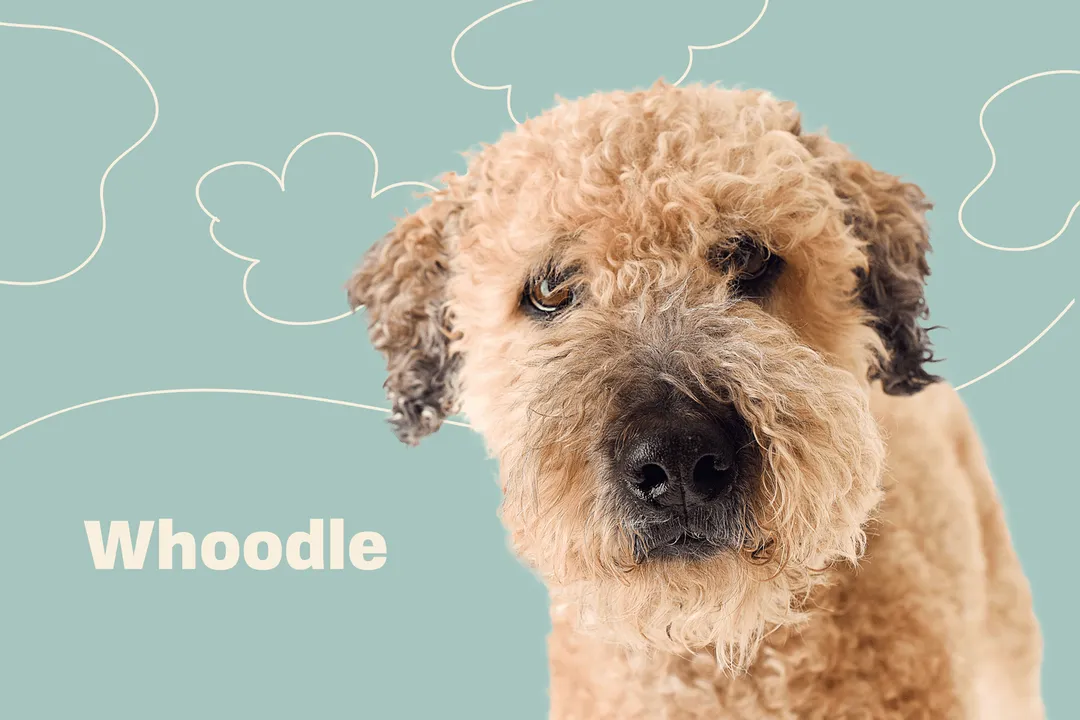
The Whoodle is a designer crossbreed that has captured the hearts of many dog enthusiasts, combining the spirited nature of the Soft Coated Wheaten Terrier with the renowned intelligence of the Poodle. This pairing results in a dog often described as cheerful, affectionate, and possessing a winning, smiling expression. While not recognized by the American Kennel Club (AKC) as a purebred, the Whoodle is gaining popularity as a devoted family companion. Understanding the blend of traits inherited from its parent breeds is key to successfully integrating one of these charming dogs into your home.
# Parentage Mix
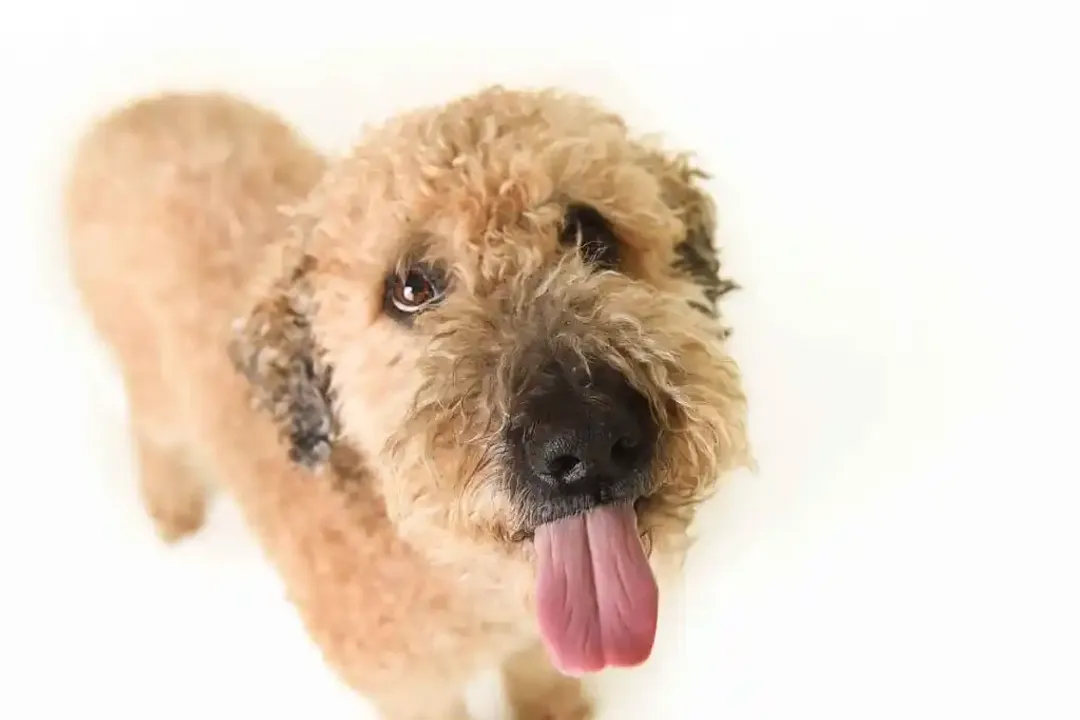
The Whoodle is a hybrid dog, specifically a mix between a Soft Coated Wheaten Terrier and a Poodle, which can be either a Miniature or a Toy Poodle, though Standard Poodles are sometimes used, resulting in a larger dog. The goal of mixing these two breeds is often to retain the Poodle’s high intelligence and low-shedding coat while incorporating the playful, outgoing temperament of the Wheaten Terrier. The outcome can vary significantly depending on which parent's genes are dominant in a particular puppy. The Wheaten Terrier side brings a history as a farm dog and ratter from Ireland, known for its enthusiasm and powerful gait. The Poodle lineage contributes a background as a water retriever, prized for its smarts and distinctive, curly coat.
# Appearance Spectrum
Whoodles are typically categorized as small to medium-sized dogs. Most sources estimate their weight to fall between $20$ and $40$ pounds, with a height generally ranging from $12$ to $18$ inches at the shoulder. However, the exact size is heavily dependent on whether a Miniature or Toy Poodle was used in the breeding.
One of the most variable aspects of the Whoodle is its coat texture. Because they are mixed breeds, their coats do not conform to a single standard. You might encounter dogs with a wavier, shaggier coat, similar to the Wheaten, or a curlier, denser coat that leans toward the Poodle side. Some descriptions note that the coat may be soft, thick, and wavy, requiring significant attention. Coloration is equally diverse, frequently appearing in shades like cream, apricot, red, black, or brown.
It is fascinating to observe the genetic lottery at play with coat type in first-generation crosses. A puppy inheriting more of the Poodle's dominant curl gene will likely require intensive daily brushing to prevent matting, whereas one leaning toward the Wheaten’s straighter, shaggier texture might present fewer immediate tangles but still require regular maintenance. This variability means that prospective owners cannot assume a universal grooming schedule; it must be tailored to the individual dog's physical manifestation of its heritage.
# Temperament Profiles
The general disposition of the Whoodle is overwhelmingly positive, often characterized by a happy-go-lucky and eager-to-please attitude. They are known for their affectionate nature and strong desire to be close to their families, often following their owners from room to room. Intelligence inherited from the Poodle usually makes them quite smart and relatively easy to train, though the terrier streak from the Wheaten can sometimes manifest as a bit of stubbornness.
These dogs thrive on companionship and are generally not suited to being left alone for long periods, as they can develop separation anxiety. They tend to be very friendly and sociable, often getting along well with children and other pets when properly socialized from a young age. Early exposure to various people, sounds, and environments is frequently recommended to ensure they mature into well-adjusted adults. Their playfulness means they enjoy interactive games and attention from their human counterparts.
# Coat Care Demands
The potential for a low-shedding or "hypoallergenic" coat is a major draw for many people considering a Whoodle. However, "low-shedding" should not be confused with "low-maintenance". Dogs that inherit the Poodle's furnishings tend to keep the hair that sheds, which can quickly tangle and form painful mats if not addressed regularly.
Consistent grooming is non-negotiable for most Whoodles. Experts suggest daily brushing is often necessary to keep the coat healthy and knot-free. Beyond at-home care, professional grooming appointments are usually required every six to eight weeks for clipping and trimming. Owners must be prepared for this significant time and financial commitment if they acquire a Whoodle with a curlier coat. If a Whoodle inherits a coat that is wavier and less dense, the daily brushing might be slightly less demanding, perhaps only needing attention every other day, but routine professional trims remain essential.
# Health Considerations
As a hybrid, the Whoodle benefits from what is sometimes called "hybrid vigor," potentially meaning they are less prone to the specific genetic disorders that plague their purebred parents. However, they can still inherit health conditions common to both the Soft Coated Wheaten Terrier and the Poodle.
Potential concerns include orthopedic issues like hip dysplasia, a common problem in many medium-to-large breeds. Eye problems, such as progressive retinal atrophy (PRA) and cataracts, are also risks inherited from the parent stock. Skin conditions are another area to watch, as both parent breeds can be susceptible to allergies or atopy, which might manifest as itching or recurring ear infections in the Whoodle. Responsible breeders screen their parent dogs for these issues, making breeder selection a critical part of ensuring a healthier future for your companion.
# Activity and Training
The Whoodle is generally an energetic dog that requires consistent daily activity to remain physically and mentally satisfied. While they are adaptable enough for apartment living if their exercise needs are met, they generally prefer a home with a securely fenced yard where they can safely play. A moderate to high energy level means they benefit from structured exercise, such as long walks, games of fetch, or participation in dog sports.
Mentally, the Poodle influence makes them quick studies. They respond well to positive reinforcement training methods, which align perfectly with their desire to please their owners. Due to their terrier background, however, consistency is vital; if training expectations are not firm and clear, they may test boundaries. If you are considering a Whoodle for apartment life, ensure you can commit to at least two dedicated play sessions or long walks daily, rather than relying solely on short potty breaks, to prevent boredom from leading to destructive behavior. Their intelligence means that puzzle toys and obedience practice are just as important as physical exertion for keeping them content.
Related Questions
#Citations
Whoodle Dog Breed Information & Characteristics - Daily Paws
Whoodle Dog Breed Health and Care - PetMD
Whoodle Dog Breed Information & Characteristics - DogTime
Everything you ever wanted to know about Whoodle dogs - BetterPet
Whoodle Breed: Your Complete Guide - Dog Academy
Whoodle | Dog Breed Facts and Information - Wag! Dog Walking
Whoodle: The Carefree, Joyful, and Always Smiling Designer Dog
Whoodle: The Ultimate Guide For Dog Owners Who Love To Travel
Whoodle dog breed characteristics and owner experiences