Whale Shark Locations
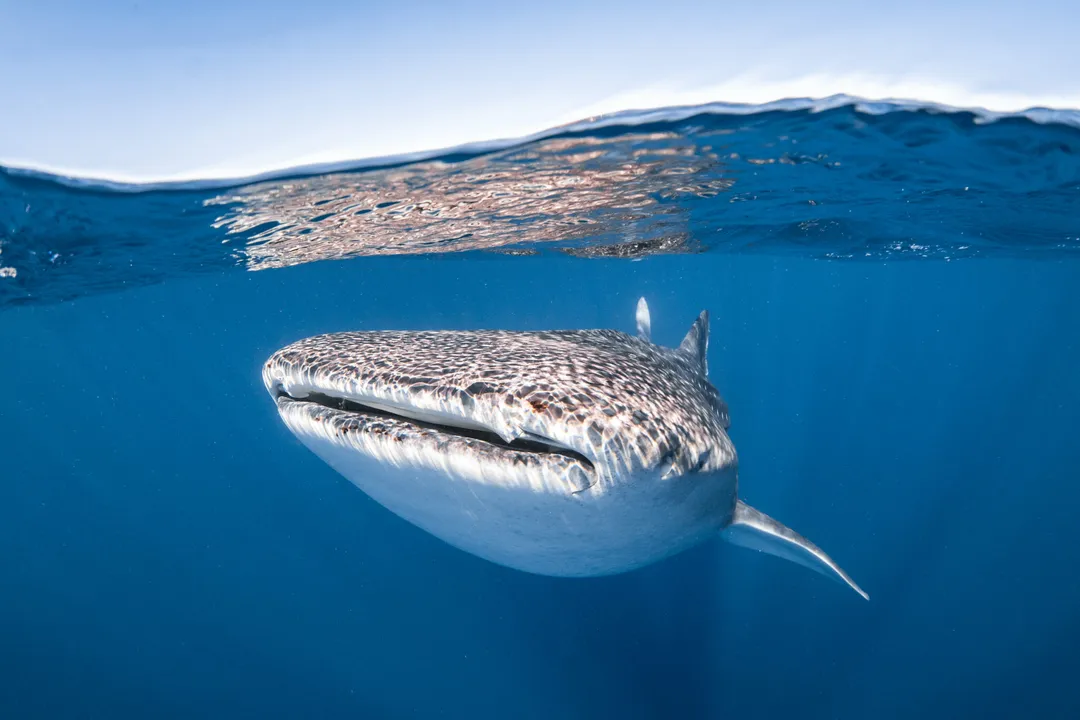
The ocean’s largest fish, the whale shark (Rhincodon typus), is a creature that inspires profound awe, often measuring over 16 meters (52 feet) or even exceeding 18 meters (60 feet) in length. [1][4] Despite their immense size, these magnificent animals are gentle, slow-moving filter feeders, making encounters with them a pinnacle experience for divers and snorkelers globally. [1][4] Because whale sharks are constantly migrating, following the plankton blooms that constitute their diet, finding them isn't a matter of chance everywhere, but rather a question of timing and geography. They generally prefer tropical waters, rarely venturing into areas where the temperature drops below 21 degrees Celsius. [2] While they are found across a wide migratory range, certain coastal areas worldwide host seasonal aggregations that make reliable sightings possible throughout the entire year. [4]
# Global Hotspots
Whale shark tourism has naturally concentrated in regions where these migratory patterns bring large numbers of individuals close to the surface over extended periods. [2] Several nations stand out as consistent destinations, each offering a slightly different experience, whether by boat access, regulation, or the behavior of the sharks themselves. [1]
Mexico is frequently cited as one of the most accessible spots, particularly for North American travelers. [2] Within Mexico, the Sea of Cortez (Baja California Sur) offers encounters during the latter half of the year, with the diving season often running from July through October. Further east, the Yucatan Peninsula, including areas like Isla Holbox, Isla Mujeres, and Cancun, hosts major seasonal feeding aggregations, typically during the summer months. [4][5]
Australia’s Ningaloo Reef is another globally renowned location, celebrated for clear, shallow waters that facilitate excellent snorkeling encounters. [1] In contrast, the Galapagos Islands in Ecuador present a scientifically significant, though more challenging, environment. Here, the convergence of three major ocean currents brings high nutrient levels, attracting large, pregnant female whale sharks to the remote northern dive sites of Wolf and Darwin Islands between June and November. [1] These encounters are strictly diving-only due to deep waters and strong currents. [1]
In Southeast Asia, the Philippines offers interactions, with Donsol Bay being highlighted as a place where tourism management, guided by organizations like the WWF, aims to keep encounters ethical and non-invasive. [1] Moving westward, the Maldives, particularly the South Ari Atoll, stands out as a location offering a high probability of sightings year-round, often featuring juvenile sharks near the surface, making it ideal for both snorkelers and divers. [1] Indonesia also offers a truly unique sighting opportunity in Cenderawasih Bay, where the sharks gather beneath traditional fishing platforms known as bagans. [5]
It is interesting to note the specialization of these locations. While the Galapagos focuses on deep dives with mature, pregnant females for research purposes, Ningaloo Reef permits only snorkeling, emphasizing surface-level, highly regulated interactions with a broader population. [1] This ecological distinction suggests that the "best" place often depends on whether the visitor seeks regulated snorkeling near the coast or deeper, more scientifically focused diving. [1]
# Seasonal Patterns
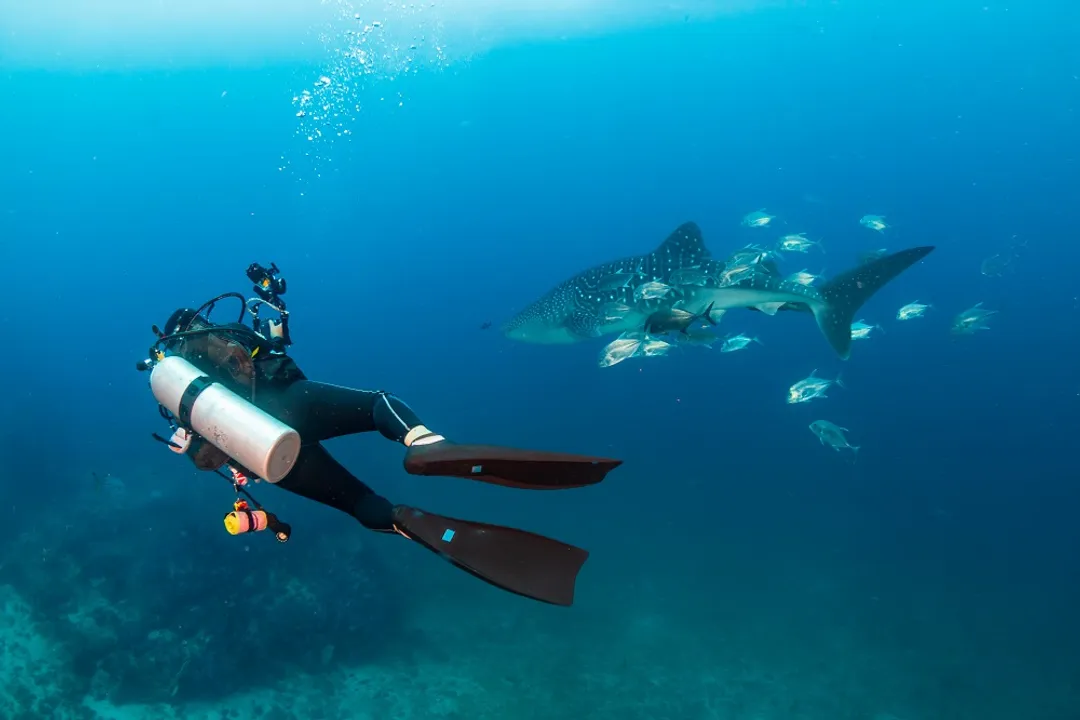
Since whale sharks follow the plankton, their presence at any given location is temporal. Planning a trip requires understanding these cycles, as missing the peak window can significantly reduce the chances of an unforgettable sighting. [4] The good news for enthusiasts is that the global season effectively runs year-round, though the specific destinations shift with the seasons. [4]
Here is a summary of key peaks across the globe:
| Month | Peak or Notable Locations | Primary Activity | Key Feature |
|---|---|---|---|
| Jan/Feb | La Paz (Baja, Mexico), Tofo Beach (Mozambique), South Ari Atoll (Maldives) | Snorkeling/Diving | Reliable winter/early year sightings [4] |
| Mar/Apr | Gladden Spit (Belize), Ningaloo Reef (Australia), Koh Tao (Thailand) | Snorkeling/Diving | Start of Ningaloo and Belize seasons [4] |
| May | Last chance for Donsol Bay (Philippines) and La Paz winding down | Snorkeling | Transition month for Mexican waters [4] |
| Jun/Jul | Isla Holbox/Mujeres (Mexico Caribbean), Galapagos Islands (start of season) | Snorkeling | Peak summer feeding in the Caribbean [4] |
| Aug/Sep | Galapagos Islands (Peak season), Guanacaste (Costa Rica) | Snorkeling/Diving | Galapagos aggregation at its height [1][4] |
| Oct | Mafia Island (Tanzania - Peak), Koh Tao (Thailand) | Snorkeling/Diving | Tanzania's prime viewing month [1][4] |
| Nov/Dec | Baja Peninsula returns, Mafia Island (Tanzania) remains reliable | Snorkeling/Diving | Shift back to Mexico’s west coast [4] |
The PADI data reveals a fascinating coast-to-coast seasonality shift in Mexico alone. While the La Paz/Baja region sees peak aggregations in the winter months (December to April), [4][6] the Caribbean side near Isla Holbox and Isla Mujeres is at its best in the summer (June through July). [4] An experienced traveler could theoretically design an itinerary that tracks the best season along the Mexican coastline, maximizing their opportunity without leaving the country's waters, provided they adjust their location between the Pacific and Atlantic-facing shores as the year progresses. [4] Furthermore, the presence of resident whale sharks in South Ari Atoll, Maldives, offers a crucial year-round contingency when migratory hotspots are quiet. [1]
# Specialized Encounters
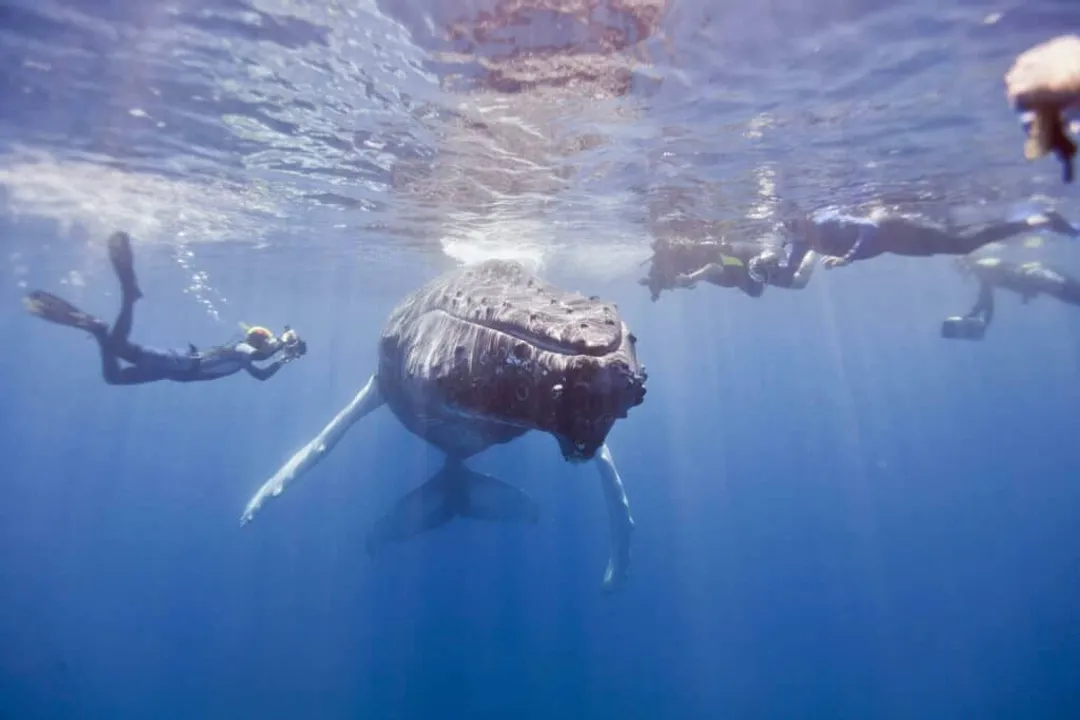
For those preferring an immersive experience away from day-trip crowds, liveaboard diving opens up access to slightly more remote or deeper locales. The Darwin and Wolf Islands in the Galapagos are prime examples where liveaboards frequently operate during their peak June to December season, allowing divers to witness the congregations that attract the largest individuals. [1]
Cenderawasih Bay in Indonesia provides what is perhaps the most unique form of guaranteed interaction. Here, whale sharks congregate under bagans—traditional fishing platforms—to feed on the small fish trapped in the nets. [5] This relationship appears mutually beneficial; local lore suggests the sharks bring good luck to the fishermen. [5] Liveaboards often tailor itineraries specifically to visit this area between April and November, offering a close-up snorkel experience fundamentally different from the open-ocean feeding observed elsewhere.
The Sea of Cortez, Mexico, also caters well to liveaboard visitors between July and October. This area is an underwater microcosm where, besides whale sharks, one might also encounter Californian sea lions, dolphins, and manta rays in the relatively calm waters protected by the Gulf of California. Even the Seychelles offers liveaboard itineraries between June and December, where marine life is well-protected.
# Ethics of Interaction
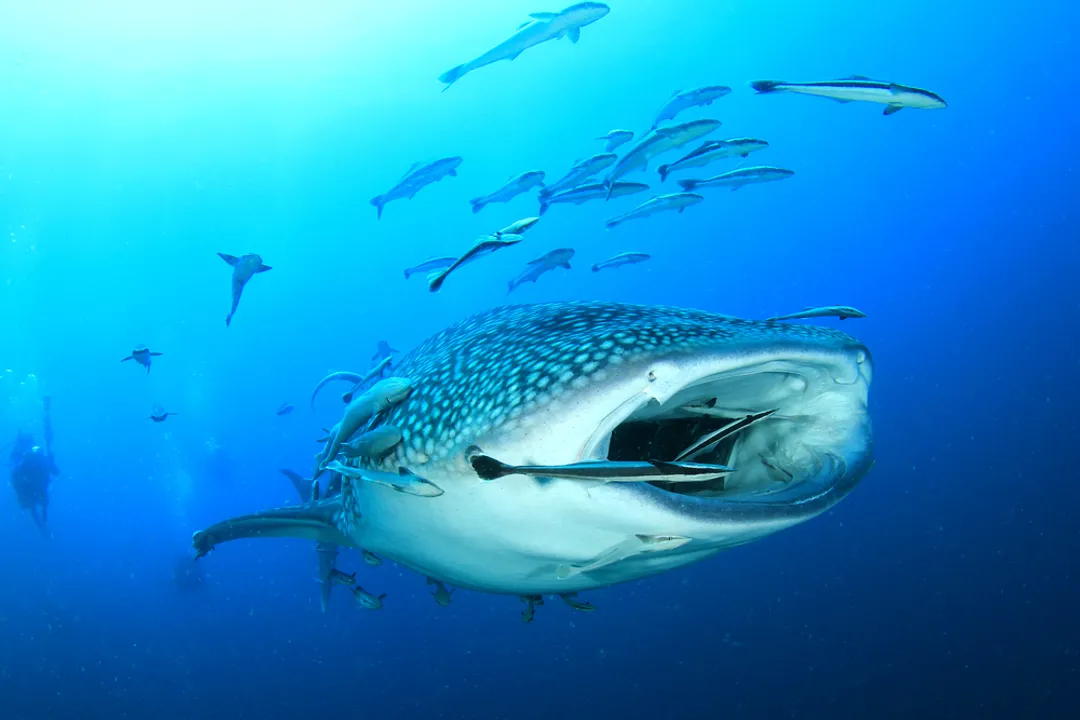
The privilege of swimming alongside these gentle giants necessitates a strong commitment to responsible tourism. Unsustainable practices can cause stress, disrupt natural feeding behaviors, and ultimately lead to population decline. [1] Across multiple highly-regarded destinations, a strict code of conduct is enforced to ensure encounters remain non-invasive. [1]
A critical takeaway from responsible tour operators is the adherence to spatial awareness. Visitors should maintain a specified minimum distance: 3 meters from the side, 5 meters from the head, and 4 meters from the tail. [1] Approaching the animal head-on is discouraged; instead, one should always approach laterally to avoid obstructing their path. [1]
The prohibitions are clear and absolute: No touching, chasing, or riding the whale shark. [1] Furthermore, excessive use of flash photography is noted as a behavior that can startle and disturb them. [1] For the diver or snorkeler planning a trip, choosing an operator that actively supports conservation or citizen science, such as those collaborating with the Galapagos Whale Shark Project, transforms the experience from mere observation into active contribution. [1] In places like Mexico, where overcrowding can be an issue, selecting certified eco-tourism operators that limit group sizes and boat numbers is crucial for ethical engagement. [1]
# Understanding Migration Dynamics
The very nature of whale shark viewing is dictated by their movements, a process scientists are still mapping out. [1] Organizations actively track these animals, providing insight into the vast distances they cover. While tracking data often highlights species like the White Shark, the general principle applies: whale sharks are highly migratory, traveling thousands of kilometers. [2] The fact that researchers only learned about their reproduction methods as recently as 1995 underscores how much remains unknown about their life cycles and true migratory corridors. [6]
When evaluating a destination, it is important to look past the tourist brochures and consider the research context. For instance, the Galapagos encounters are particularly significant because they involve massive, pregnant females, which is an area of intense scientific study. [1] Conversely, the encounters in Cenderawasih Bay are unique because the sharks are drawn to a specific, local, human-associated food source, which is an ecological interaction seen nowhere else. [5] Recognizing this ecological context—whether the sharks are there for deep-water breeding migration (Galapagos), warm-water aggregation (Mexico), or feeding under a specific local structure (Cenderawasih)—is key to appreciating the environment in which you are interacting with them. [1][5] Ultimately, respecting the local guidelines, whether they are related to deep-water diving regulations in the Galapagos or strict no-touch rules in Ningaloo, helps ensure these majestic fish continue their necessary global movements undisturbed. [1]
Related Questions
#Citations
The Best Places to Swim & Dive With Whale ...
View Current Whale Shark Map and Habitat Range
Where to Snorkel with Whales or Whale Sharks
Where to Swim with Whales and Whale Sharks
The Best Places to Dive with Whale Sharks
Responsible Destinations for Whale Shark Diving
OCEARCH Shark Tracker