White German Shepherd Evolution

The White German Shepherd represents one of the breed’s most interesting, and sometimes contentious, historical footnotes. This striking variation is not a separate breed in the eyes of every organization, but rather a distinct color line whose evolution directly mirrors the growing standardization and aesthetic policing within the German Shepherd Dog (GSD) community over the last century. [2][5] Understanding their development requires tracing a path that runs parallel to, yet often diverges from, the mainstream GSD narrative.
# Initial Acceptance
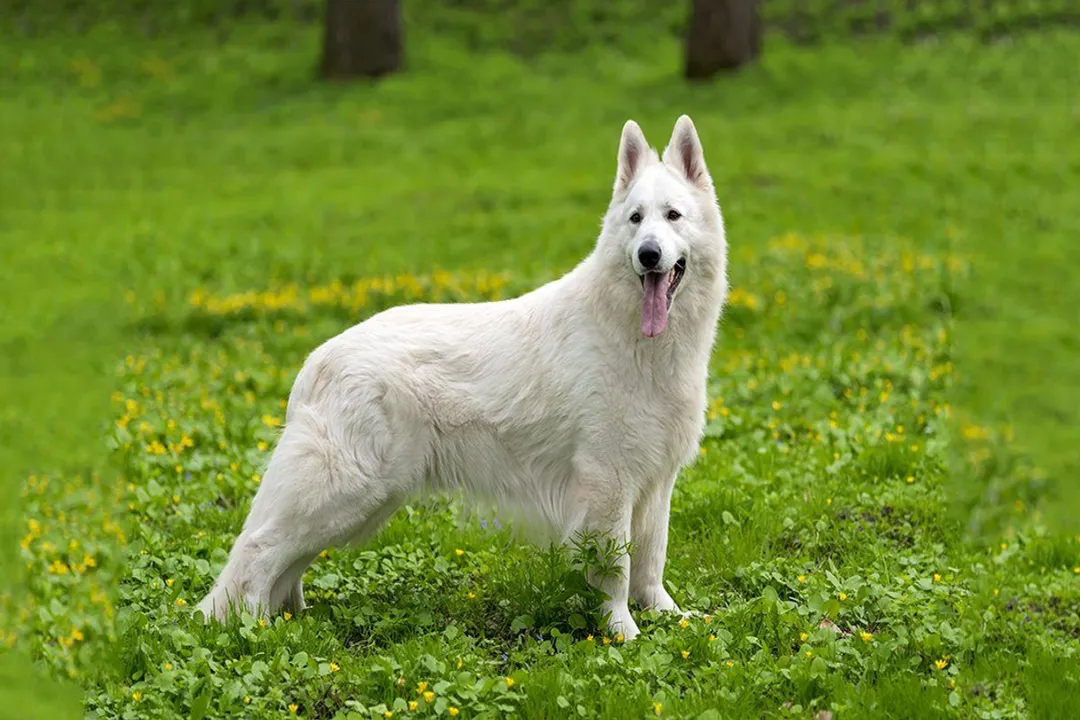
When Captain Max von Stephanitz first established the breed standard in Germany near the close of the 19th century, the white coat was not initially excluded. [1][6] In fact, some of the early foundation stock carried the gene for white coloration. [6] Early German Shepherd Dogs were valued primarily for their working capability, intelligence, and structure, rather than strict adherence to a singular, narrow color palette. [7] Early proponents recognized the white coat as simply a recessive variation present within the developing breed pool. [5]
# Recessive Gene
The defining characteristic of the White German Shepherd—its coat—is purely genetic and is not an indication of poor health or albinism, a common misconception among the general public. [2][5] The white color arises from a recessive gene that masks the dog’s underlying true color pigment. [2][7] For a puppy to be born white, both parents must carry this recessive gene, even if neither parent displays the white coat themselves. [5] This genetic reality means that dogs recognized under the standard German Shepherd breed umbrella can produce white offspring if the necessary genes are present. [2] Unlike true albinism, which involves a complete lack of pigment, white-coated dogs still possess pigment in their eyes and nose leather, usually dark brown or black. [2][5]

# Breeding Standard Changes
The shift away from accepting the white coat began to solidify in Germany. By the 1930s, the German Shepherd Dog Club (SV) started actively discouraging the breeding of white dogs. [1][6] The rationale cited by these clubs often centered on the belief that the white gene was somehow linked to faulty structure or temperament, although breeders dedicated to the white line dispute this association, suggesting it was purely an aesthetic preference that solidified into a breed rule. [1][2][6] Despite these growing restrictions in Germany and subsequently in the American Kennel Club (AKC) registry, breeders in other countries continued to champion the white dogs, maintaining lines separate from those strictly following the SV and AKC standards. [1][5]
# The Split Identity
This tension over color eventually created two distinct paths for dogs carrying the white gene. On one side were the German Shepherds registered with bodies that disqualified white coats, effectively relegating those dogs to companion status or requiring them to be bred outside of conformation showing. [2] On the other side were dedicated groups of breeders who chose to preserve the white dogs as a unique variety of the original type. [5][7]
The formal recognition of the White Shepherd as a separate breed or variety by organizations like the United Kennel Club (UKC) cemented this divergence. [1] In such registries, the term "White Shepherd" often replaces "White German Shepherd," signifying that while the ancestry is shared, the dogs are now being judged against a different standard that explicitly accepts the white coat. [2] This separation is crucial for understanding the modern dog; a White Shepherd recognized by the UKC might look physically identical to a white dog produced by two standard-colored parents registered with the AKC, yet their pedigree documentation and official breed classification will differ based on the registry they belong to. [2]
While a show-line German Shepherd breeder might focus solely on a strict color standard for championship points, a breeder dedicated to the White Shepherd line might prioritize working aptitude and health markers over coat color, viewing the white gene as simply another viable, non-fault-producing allele. This philosophical difference in breeding goals further reinforces the evolution into two distinct developmental tracks, even when the genetic material is identical. [1][7]

# Temperament and Structure
The fundamental temperament and working drive associated with the German Shepherd breed generally remain intact in the white lines. [7][8] These dogs are typically described as intelligent, loyal, trainable, and possessing the strong protective instincts characteristic of the GSD. [7] Breeders focused on the White Shepherd variety often assert that the white dogs exhibit a calmer temperament compared to some high-strung lines of the colored GSD, though this can vary significantly based on the individual lines maintained by each breeder, irrespective of color. [8]
However, the divergence in registry focus can sometimes lead to subtle differences in overall presentation in the show ring. When the white dogs were barred from AKC/SV shows, the selective pressure on physical traits other than color was lifted in the independent white lines. [1] This means that while the core structure should align with the GSD ideal, minor conformational differences might become more pronounced in lines that have been bred separately for decades strictly based on color acceptance rather than a unified aesthetic standard. [2]
# Contemporary Lineage
Today, the situation requires clear definition from the owner’s perspective. Prospective owners seeking a dog with documented lineage traceable through the American Kennel Club (AKC) or the German SV will need to look exclusively at standard-colored German Shepherds, as any white offspring resulting from those pairings are generally not registrable as GSDs in those organizations. [2] Conversely, those interested in the independent White Shepherd lineage will find their official documentation through registries like the UKC, which maintains a separate book for the white variant. [1]
This historical context reveals that the White German Shepherd is less an evolution into a completely new entity and more a preservation of an original genetic expression that the mainstream breed chose to discard for aesthetic reasons. [6] Breeders in the independent lines have actively worked to maintain health and structure within the white coloration, often tracing their dogs back to the original German stock before the color ban became universally enforced across all major international clubs. [5] This commitment ensures that the historical variability of the GSD—the intelligence, the loyalty, and the physical capacity—is carried forward in a coat color that was once nearly eliminated from the breed conversation. [7]
Related Questions
#Citations
WGSDCII™ - History of the White German Shepherd Dog
White Shepherd - Wikipedia
White German Shepherd: History, Appearance, and More
Just a bit of history this is Greif the first white gsd shown in Germany
How did a white German Shepherd come about? - Quora
The story of the white shepherd
History of the White Swiss Shepherd
Everything You Need To Know About The White German Shepherd
White German Shepherds : r/germanshepherds - Reddit