Which snake is the silent killer?
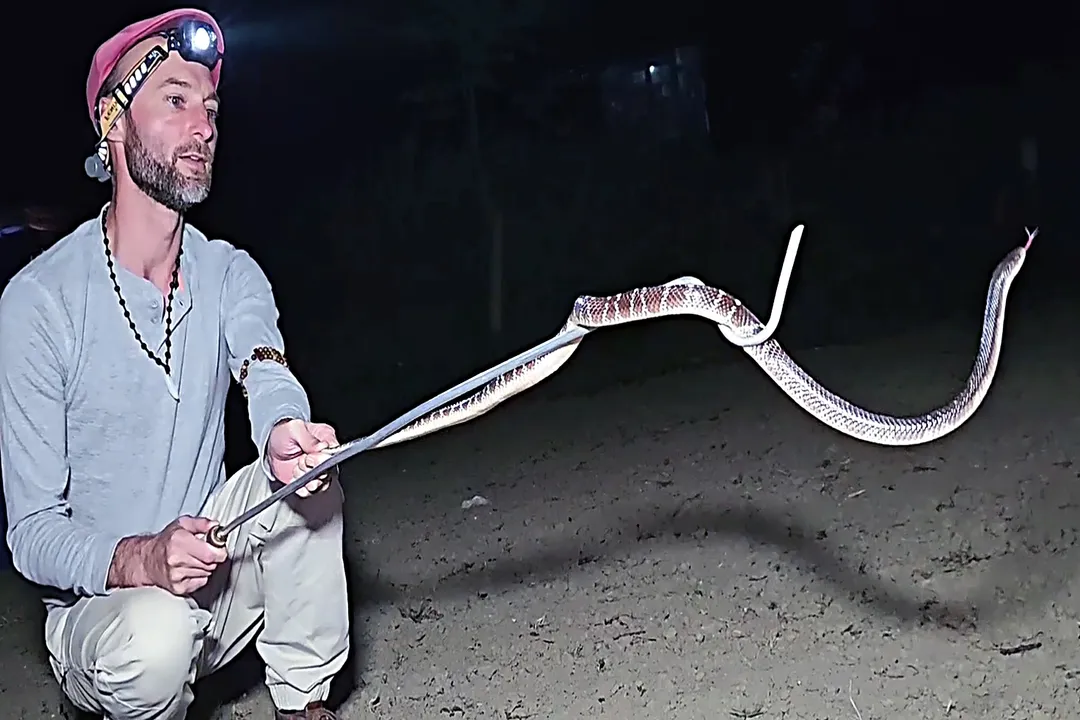
The reputation of being a "silent killer" in the ophidian world often falls upon the Common Krait, Bungarus caeruleus, particularly across the Indian subcontinent. [4] This designation isn't earned through aggressive confrontation or dramatic displays; rather, it stems from a chilling combination of potent venom, nocturnal habits, and a tendency to strike without warning, often when victims are completely unaware. [5][8] While other snakes might earn notoriety for size or immediate aggression, the Krait’s danger lies in its subtlety and the devastating neurological effects of its bite occurring under the cover of darkness. [1]
# Physical Traits
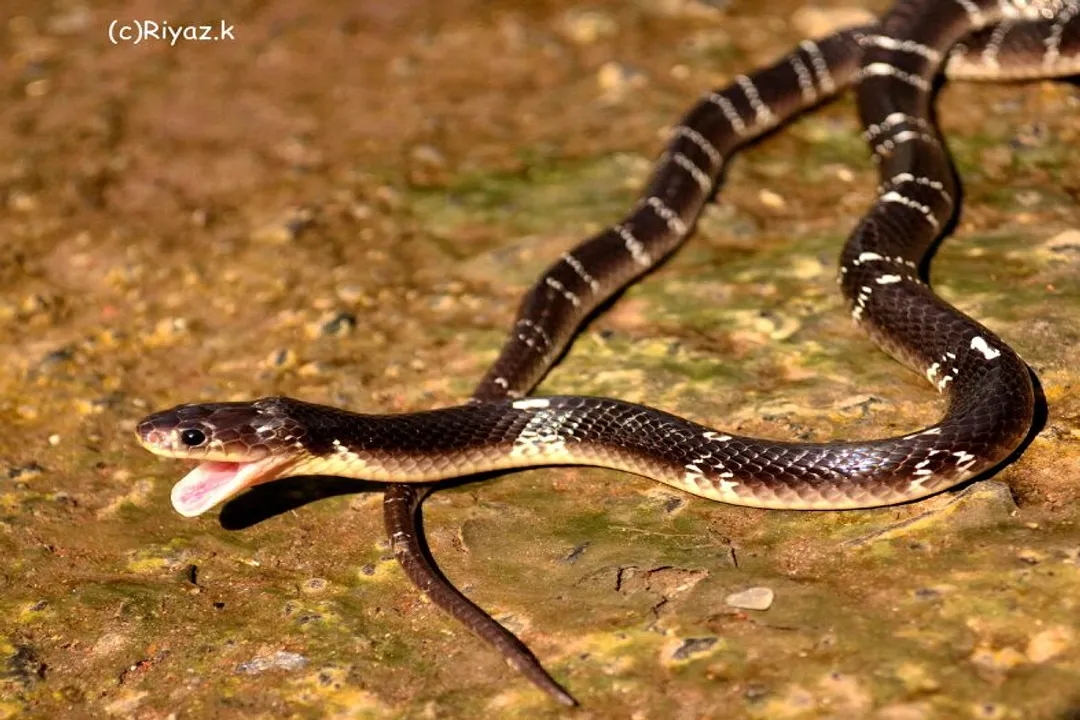
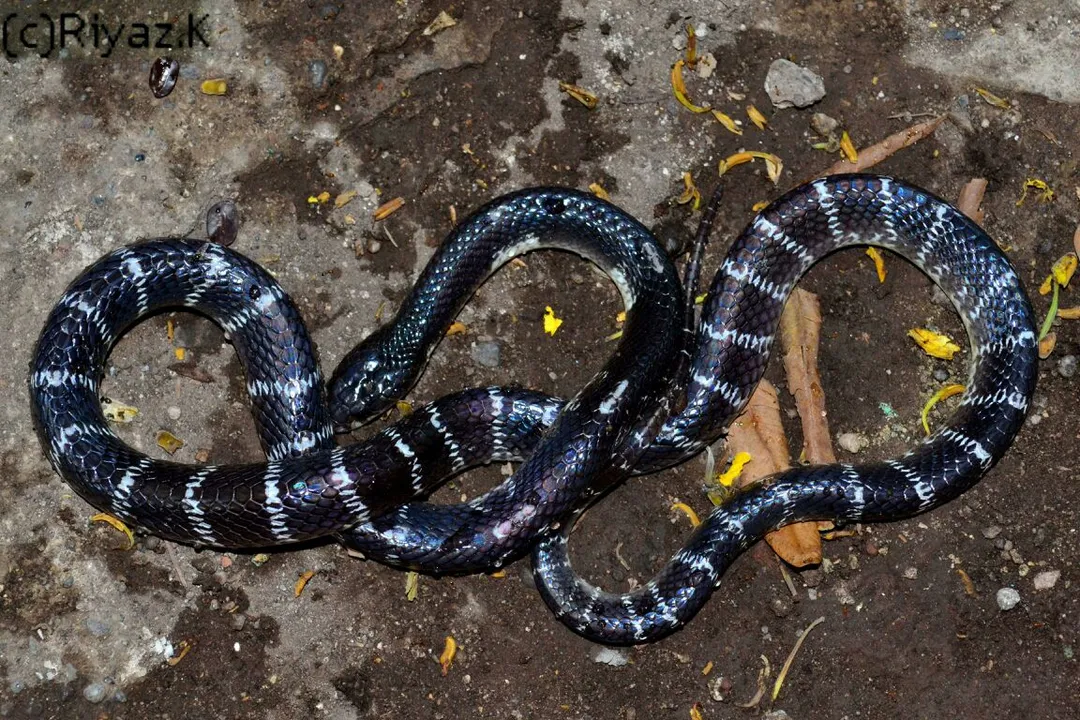
Distinguishing the Common Krait is important for awareness in regions where it resides. Adult specimens typically reach lengths between 1 and 1.5 meters, though some can grow larger. [1] Their appearance is distinct, characterized by a glossy, black or bluish-black dorsal coloration. [1] Running along the body are conspicuous, narrow, white or whitish crossbands. [1] These bands are generally wider than the dark spaces separating them, particularly in younger snakes, though the banding pattern can become less distinct on the anterior portion of the body as the snake ages. [1] The belly is usually a dull white. [1]
This snake belongs to the Elapidae family, placing it in the same group as cobras and mambas, which immediately signals a high-risk profile. [1] It is widely regarded as one of the most venomous snakes within the Indian subcontinent. [4] Understanding this basic physical description helps people recognize the creature that shares their immediate environment, often unknowingly. [5]
# Nocturnal Danger
The reason the Krait earns the "silent killer" title relates directly to its activity cycle and proximity to human dwellings. The Common Krait is predominantly nocturnal. [8] During the day, they are largely secretive, often hiding in quiet, dark places such as rodent holes, piles of bricks or rubbish, or within the crevices of walls and floors. [1] This behavior means they are infrequently encountered by people when they are active and visible.
The true danger arises when these snakes wander indoors during the night, searching for prey like small rodents. [5] A person sleeping on the floor, or even on a low cot, becomes an easy, stationary target for a curious or disturbed Krait. [5] Bites frequently occur in this context, as the snake may be crawling over the sleeper or feel threatened by accidental contact. [5] Because the initial pain at the bite site is often mild or even absent, the victim might simply roll over and return to sleep, completely unaware that a potentially fatal envenomation has occurred. [8] This lack of immediate, sharp warning is what makes the Krait's strikes so uniquely insidious compared to the instant, burning pain associated with a viper bite.
When considering local habitat management, this nocturnal tendency dictates the highest risk window. If you live in an area endemic to the Common Krait, the hours between sunset and sunrise are when vigilance regarding floor space, bedding, and entry points needs to be maximized. The snake is not hunting humans; it is hunting prey, but our sleeping presence can inadvertently intersect with its path, turning a routine nightly activity into a life-threatening event. [1]
# Potent Toxin
The lethality of the Common Krait is rooted in the composition of its venom. The venom is predominantly neurotoxic. [1] Neurotoxins specifically target the nervous system, interfering with the transmission of nerve signals between the brain and the muscles. [1] This is in contrast to hemotoxic venoms, which primarily attack blood cells and tissues, often causing immediate, visible trauma and swelling.
The clinical progression following a serious Krait bite can be deceptive. As noted, initial pain may be minimal. [8] However, the neurotoxins begin their work systemically, leading to symptoms such as ptosis (drooping eyelids), difficulty speaking, difficulty swallowing, and eventual respiratory paralysis. [1] The full onset of severe symptoms might be delayed for several hours, which tragically wastes critical time that should be spent seeking antivenom. [1]
To illustrate the severity, if a person is bitten by a highly venomous snake, assessing the initial feeling is a poor diagnostic tool for a Krait. If you wake up with a strange prick or scratch on your limb in the morning, and you are in Krait territory, you must treat it as a medical emergency regardless of the immediate pain level. A comparison might be drawn here: a pit viper bite often feels like an immediate, severe burn, demanding immediate attention; the Krait bite demands attention based on the potential for delayed paralysis, not the present sensation. This makes the immediate aftermath of a Krait bite a critical period where accurate self-assessment or observation by others is vital, even if the victim feels relatively fine. [1]
# Habitat and Exposure
The Common Krait is distributed widely across the Indian subcontinent, including Pakistan, India, Sri Lanka, Nepal, and Bangladesh. [1] This broad geographical range means a large human population potentially coexists with this species. [1] They are highly adaptable, thriving in cultivated areas, scrubland, and even within human settlements where cover and food (rodents) are readily available. [1]
Their preference for dark, sheltered spots means they are masters of concealment. They frequently enter houses, especially during the monsoon season or cooler months, seeking warmth and shelter. [5] While they are not typically aggressive if left undisturbed—often preferring to flee or remain motionless—they will strike if stepped on, handled, or otherwise physically threatened while they are active or hiding. [5]
If you live in a rural or semi-urban area within their range, a simple pre-bedtime sweep around the sleeping area—ensuring no piles of clothing or debris are on the floor where a snake might hide—is a proactive measure that directly mitigates the primary exposure scenario. The snake seeks shelter, we provide it in the form of our homes; recognizing this overlap in requirements helps manage the risk far better than relying on snake spotting. [1]
# Protective Measures
Given the unique threat profile of the Common Krait—potent neurotoxin combined with nocturnal, concealed behavior—prevention and immediate recognition of potential exposure are paramount. Effective management relies less on snake identification skills in the field and more on environmental control in the home.
For those residing in Krait territory, a layered approach to personal safety is advisable:
- Elevate Sleeping Areas: Whenever feasible, sleep on a raised cot or bed, ensuring there are no gaps between the mattress and the frame that could allow a snake access to the sleeping surface. [5]
- Clear Ground Cover: Keep areas immediately surrounding sleeping spots, both indoors and outdoors (if sleeping outside is a possibility), free of clutter, woodpiles, or debris where the snake might hide during the day or move through at night. [1]
- Footwear Protocol: Always wear closed footwear, even when briefly stepping outside your door at night, as the Krait is most likely to be found crossing open ground or pathways after dark. [5]
Should a bite be suspected, especially if the person awakens shortly after a potential contact feeling unwell or noticing a small mark, time is the enemy because of the neurotoxic delay. The critical action is immediate medical transport to a facility stocked with appropriate polyvalent antivenom. [1] Do not wait for paralysis to set in; waiting for classic symptoms like drooping eyelids means the toxin is already saturating the synapses, making recovery more difficult. If you observe any unusual neurological symptoms developing hours after a possible bite, assume the worst and seek urgent care immediately. This proactive response, based on understanding the snake's venom profile rather than waiting for visible trauma, is the best defense against this particular silent threat. [1]
#Videos
Trailing common kraits, the silent killers | Snake Master 6/26 | Go Wild
Common krait | silent killer |Deadliest Snake of South Asia - YouTube
Related Questions
#Citations
Common krait - Wikipedia
Trailing common kraits, the silent killers | Snake Master 6/26 | Go Wild
Which snake is known as a silent killer? - Quora
The Common Krait is the most venomous snake on the Indian Sub ...
Common krait: The silent killer - Kingsnake.com
the Common Krait is one of India's “Big Four” snakes known for their ...
The Common Krait: A Silent Killer of the Night | Horror - Vocal Media