Where is the best place to see roseate spoonbills?
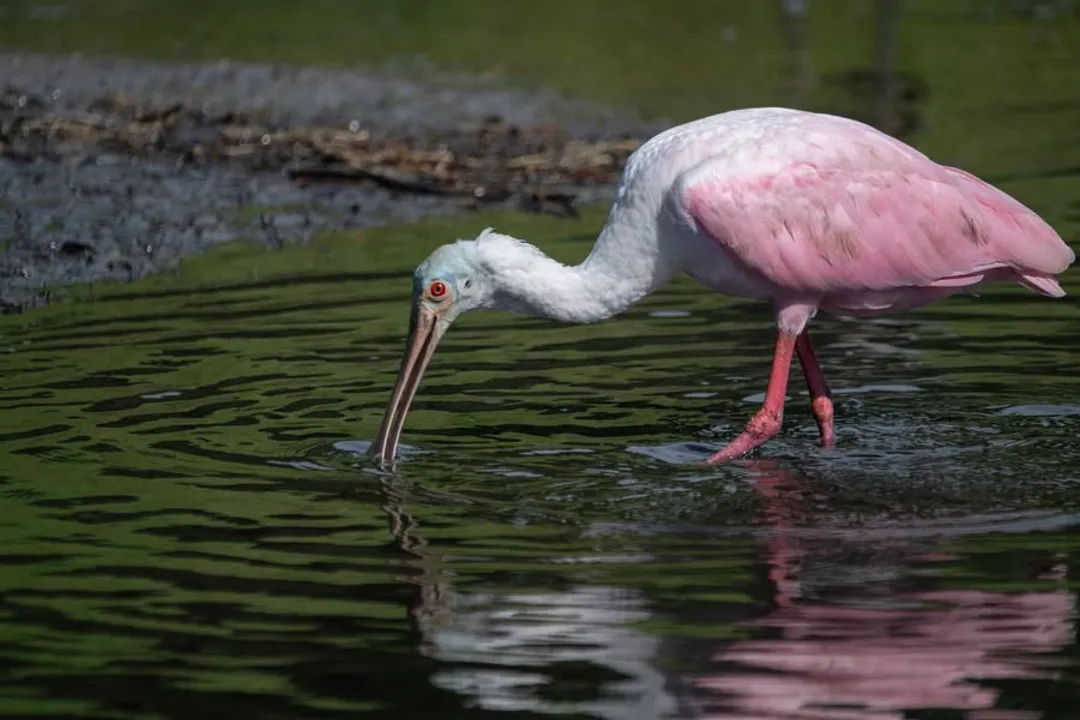
Catching a glimpse of the Roseate Spoonbill is a moment many birders anticipate. That distinctive, spoon-shaped bill—pink, vibrant, and almost cartoonish—belonging to a bird splashed with brilliant shades of rose and crimson makes it instantly recognizable against the greens and browns of its habitat. [5] Locating these wading birds, however, requires knowing where and when to look along the warm, shallow waters of the southern United States and beyond. [1] The sheer visual payoff when you finally spot a flock can make the early mornings and long drives entirely worthwhile.
# Coastal Range

The Roseate Spoonbill maintains a relatively focused range across the southern United States, primarily concentrated along the coastlines, though they can be found inland as well. [1] Their distribution centers around the Gulf Coast and the Atlantic seaboard of Florida. [1][5] When mapping their sightings, you'll notice a strong pull toward saltwater and brackish environments, which is crucial for understanding where to stake out your viewing spot. [1] While the species is present year-round in some areas, their numbers fluctuate significantly based on breeding cycles and seasonal movements across states like Texas, Louisiana, and Florida. [1][9]
# Florida Viewing
Florida stands out as a prime destination, hosting significant populations and offering varied viewing opportunities throughout the year. [5] The Sunshine State provides habitats ranging from coastal estuaries to inland marshes, making it a reliable state for sighting these charismatic waders. [5][6]
# Darling Refuge
One of the most renowned birding destinations in Florida is the J.N. "Ding" Darling National Wildlife Refuge on Sanibel Island. [7] This refuge is frequently mentioned by bird enthusiasts as a spot where Roseate Spoonbills can be reliably seen, often alongside other colorful wading birds. [7] Birders often suggest the best viewing here involves exploring the refuge trails or driving the main scenic drive, keeping an eye on the shallow areas where they feed. [7] You might see them wading in the calm waters, using their unique bills to sweep side to side, sensing prey in the water. [8] Reports from birding communities confirm that Ding Darling is a location where visitors frequently capture stunning photographs of the species. [7]
# Central Marsh Sites
Moving toward the Atlantic side of the peninsula, areas like Stick Marsh near Vero Beach offer another distinct viewing experience. [4] Stick Marsh is specifically noted for being a place where Roseate Spoonbills gather, sometimes in large numbers. [4] These areas often function as important feeding grounds, especially during certain times of the year when water levels or invertebrate populations are favorable. [4] Experienced observers note that these inland or semi-inland freshwater marshes can sometimes host the birds when they are slightly less concentrated on the immediate saltwater flats, presenting an opportunity to see them in a less turbulent environment. [6]
If you are planning a trip specifically for spoonbills in Florida, consider the seasonal dynamics. While they can be present year-round, the intensity of nesting activity or the congregation in specific feeding pools may vary. For example, observing them actively nesting might require focusing on rookeries during the spring/early summer, whereas late fall or early winter might find them widely dispersed while foraging across multiple estuaries. [6] This slight variation in seasonal behavior across different Florida habitats means that your best viewing location might change depending on the month you visit.
# Texas Coast
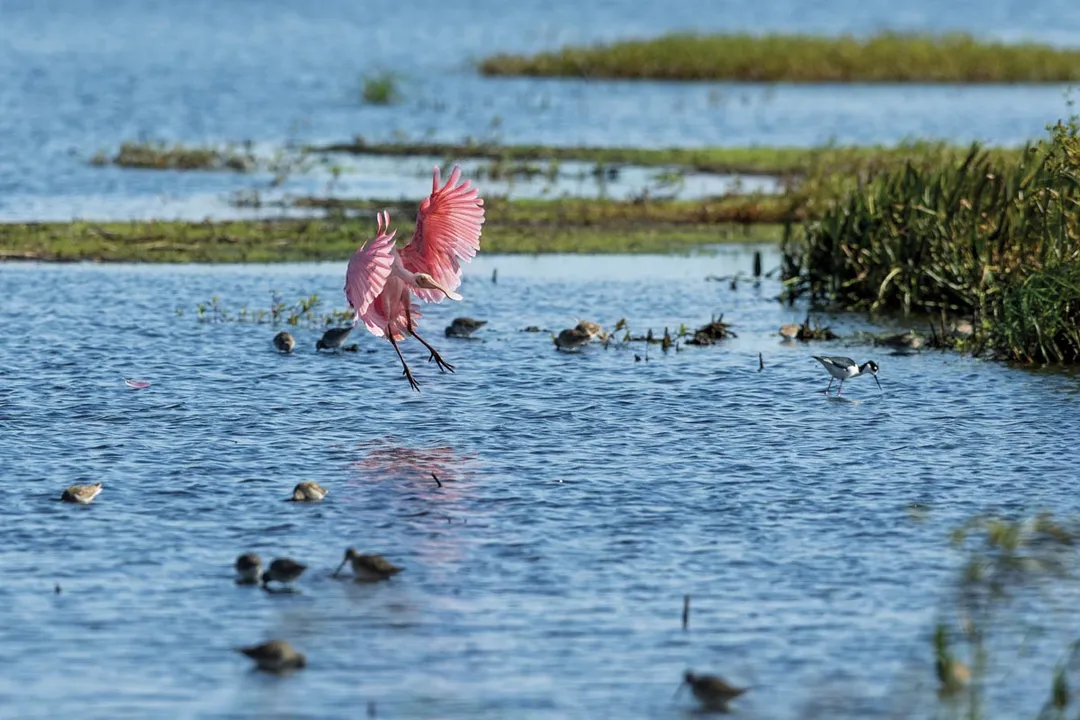
The Texas Gulf Coast is another essential location on the spoonbill map, particularly favored by birders looking for winter visitors. [9] Port Aransas is frequently cited as a strong location along this stretch of coast. [9]
# Wintering Habits
In places like Port Aransas, Roseate Spoonbills are often categorized as winter birds, meaning they are present in significant numbers during the cooler months after the breeding season has concluded elsewhere. [9] This predictable winter residency makes planning a trip to the Texas coast in late fall through early spring a solid strategy if your primary goal is to see large congregations of these birds before they potentially move back toward their primary breeding grounds further east or south. [1][9] When viewing them here, look toward the tidal flats and shallow bay areas, as they favor these feeding zones when not actively nesting. [9]
# Louisiana Birding

Louisiana, renowned for its extensive wetlands and vibrant birdlife, is certainly a place where you can encounter Roseate Spoonbills. [3] The state’s mix of coastal marshes, swamps, and bayous provides the ideal soggy environment these birds seek for foraging. [3] While specific, famous viewing spots might not be as universally documented as Ding Darling, the sheer amount of accessible wetlands means that dedicated birders exploring coastal reserves, wildlife management areas, or even roadside ditches with standing water can often be rewarded. [3] Birding in Louisiana often requires a boat or access to specialized boardwalks or blinds to get into the deeper marsh, which is where the spoonbills often congregate away from heavy human traffic. [3]
# Viewing Strategies and Insight
Finding the birds is only half the battle; getting a quality look that satisfies both the casual observer and the dedicated photographer requires strategy.
# Optics and Distance
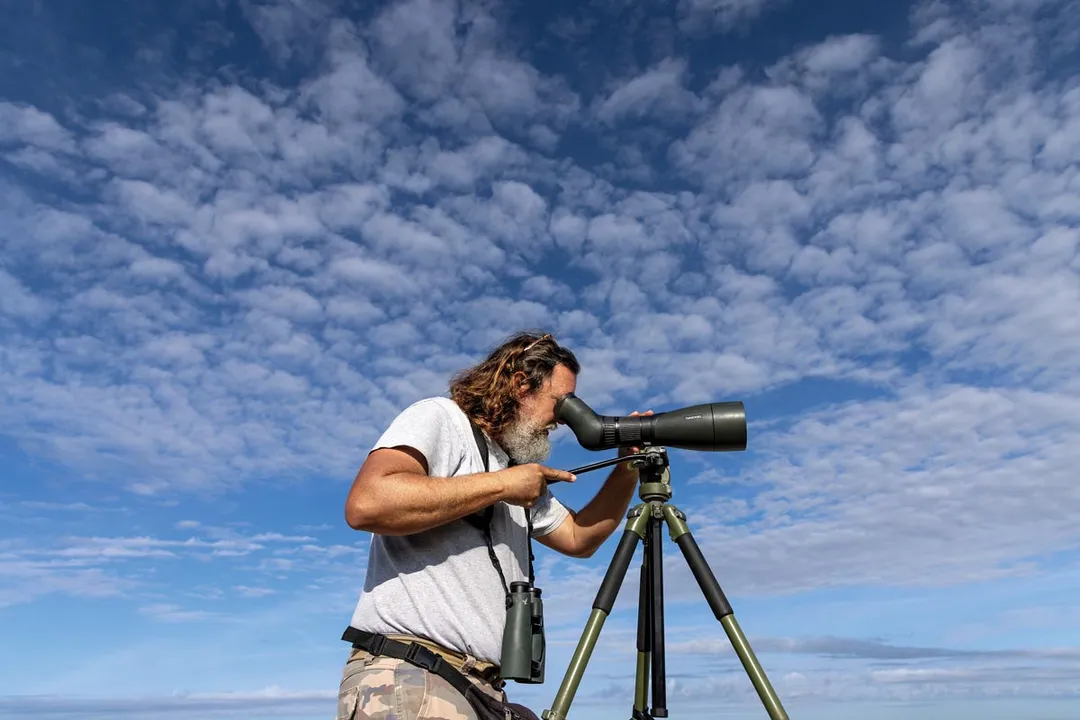
The equipment you bring can dramatically alter your experience. If you are viewing spoonbills in open mudflats or shallow lagoons, like those common in Texas or the edges of Florida's refuges, you will likely be viewing them at a distance. [1][9] While binoculars are essential for basic identification and appreciating the pink hues, bringing a spotting scope can be a game-changer. [7] A scope allows you to focus on the fine details—the subtle variations in the feather coloration, the texture of the bill, or perhaps even observe subtle behaviors like preening or mutual preening within a group—without disturbing the birds by getting too close. [8] If you stick solely to binoculars, you might miss the stunning details that make the bird so unique.
# Habitat Comparison
It is helpful to think about the viewing environment not just geographically, but ecologically. In Florida, particularly around established rookeries or known nesting sites, you might see the spoonbills perched high in trees near water, often in mixed colonies with egrets and herons. [4][6] This vertical viewing requires looking up. Conversely, when they are feeding—which is often when they are most numerous—they are low to the ground, sweeping their bills through the silty substrate of a mudflat or shallow pool. [8] A key differentiator for successful viewing, therefore, is understanding the birds' current activity: are they resting/nesting (look up) or foraging (look across the water/mud)? Adjusting your optical setup and approach angle accordingly improves the odds of a satisfying observation.
# Identification Notes
Roseate Spoonbills are unmistakable, yet even experienced birders appreciate knowing what to look for. Adult birds exhibit brilliant rose-pink plumage, which is much deeper than the paler pinks of American Flamingos, making them easy to differentiate even from a distance. [5] Their head is a distinct dark, almost greenish-red color, and their large, pale bill has a distinctive spatulate (spoon) end. [5] Juveniles look quite different; they possess white plumage with pink on the wings and back, and their bill is paler, often grayish or pinkish-white, without the darker pink of the adult bill tip. [5] Knowing this difference is important so you don't dismiss a younger bird as a different species entirely. The intensity of the adult's color is often linked to their diet, rich in carotenoids found in the crustaceans they consume. [4]

# Community Sightings and Anecdotes
While official sites provide the baseline, the birding community often shares real-time information that can be invaluable. Social media groups and forums dedicated to birding, such as those on Facebook or Reddit, frequently host posts where enthusiasts share recent, specific, and current sightings. [2][7] For instance, a recent post might mention a small group of spoonbills feeding in a specific, perhaps lesser-known, cove or canal near a major known park during a time when they were expected to be elsewhere. [2] While these reports should always be cross-referenced with general knowledge of the bird's range, they offer hyper-local, immediate intelligence about current congregation points that official guides might lag behind on. [2] It serves as an excellent secondary layer of scouting information when planning a visit to an established hotspot like Ding Darling. [7]
# Conclusion
Whether you find yourself scanning the tidal flats of Port Aransas in the winter, patiently waiting near the famous waterways of the Ding Darling Refuge, or quietly observing the rookeries near Florida's Stick Marsh, the hunt for the Roseate Spoonbill is richly rewarding. [4][9] The combination of their unique appearance and their presence across diverse but specific coastal ecosystems—from the Texas coast through Louisiana's wetlands and into the varied Florida habitats—ensures that birders have multiple chances annually to witness this stunning spectacle of pink plumage against the blue and green backdrop of the Gulf and Atlantic coasts. [1][3][5] Remember to pack your scope for those distant feeding parties, and always allow the birds their space, especially when you suspect you’ve stumbled upon a nesting area. [4]
#Videos
Where To Find Roseate Spoonbills? Top Spots in Florida! - YouTube
Related Questions
#Citations
Roseate Spoonbill Sightings Map - All About Birds
Best place to see Roseate Spoonbill in Florida? - Facebook
Bird watching paradise in Louisiana
Spotting the Roseate Spoonbills of Stick Marsh - Vero Beach ...
Florida's Most Precious Birds, and Where to See Them - Visit Florida
Florida Spoonbills - Backcountry Gallery Photography Forums
Where all the Roseate Spoonbill fans at? (Ding National Wildlife ...
Where To Find Roseate Spoonbills? Top Spots in Florida! - YouTube
Roseate Spoonbill « Whooping Crane Festival - Port Aransas