Where can you see prairie dogs?
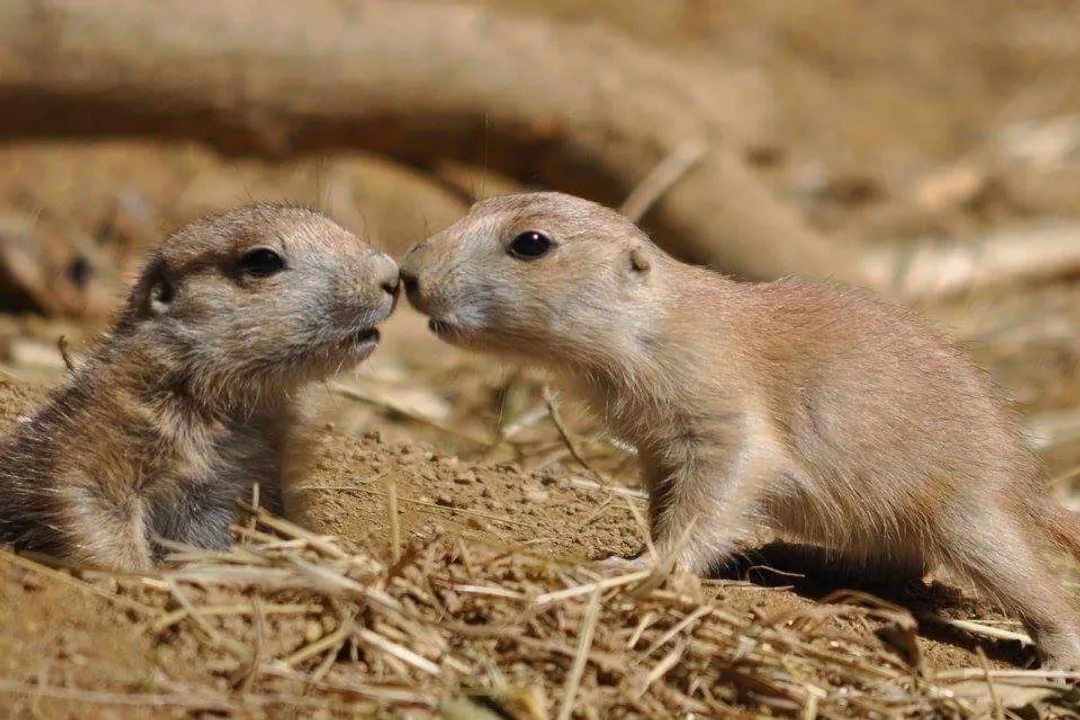
Seeing prairie dogs—those endlessly entertaining, highly social ground squirrels—up close requires knowing where their bustling underground metropolises, or "towns," still thrive. While their historical range was once immense across the Great Plains, today's best viewing opportunities often center around protected lands where conservation efforts allow these keystone species to flourish. [6] Whether you prefer the raw experience of a vast national park or the accessibility of a specialized wildlife exhibit, options exist for enthusiasts hoping to witness their complex colonies in action.
# Federal Lands
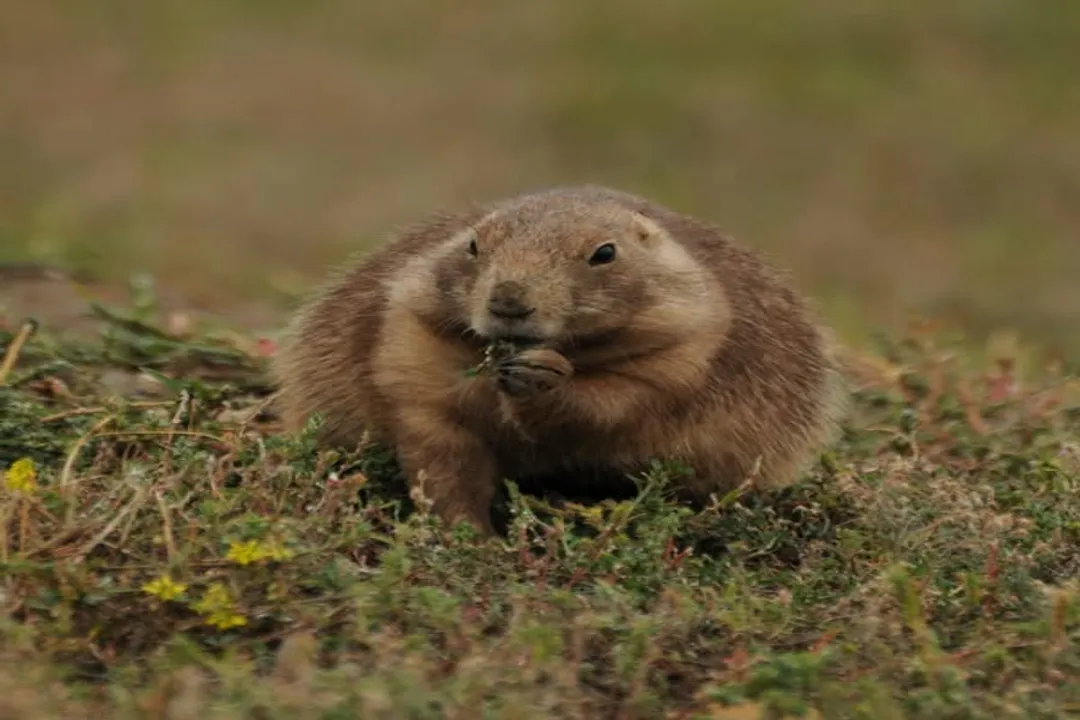
National Parks and Monuments often serve as excellent places to observe these creatures in their natural environment, as these protected areas offer relative safety from large-scale development and eradication efforts that have impacted populations elsewhere. [6]
Theodore Roosevelt National Park in North Dakota is a confirmed spot for prairie dog viewing. [3] Visitors there might encounter these animals as part of the wider prairie ecosystem celebrated in the park. Similarly, if you are traveling through South Dakota, Wind Cave National Park is another location known for its prairie life, where you can observe the fascinating social structures of prairie dogs within the grassland environment. [7]
For those tracking specific species, the Black-tailed prairie dog is a common sight in the western Great Plains region. [2] If your travels take you near areas known for this species, checking National Park Service listings or nearby National Grasslands can often reveal established towns worth visiting for observation. [1] Keep in mind that viewing success often depends on the specific time of day and year, as these animals are less active during colder months or the peak heat of midday. [1]
A helpful tip for park visitors: Unlike viewing large mammals where you might wait quietly in one spot for hours, prairie dog towns are often large, sprawling affairs. Bring a good pair of binoculars or a spotting scope. While you might see activity right by the roadside, the truly interesting social dynamics—the "kissing" greetings or alarm calls—may occur fifty yards or more away from the main burrows, making optics essential for a satisfying view. [1]
# State Sites
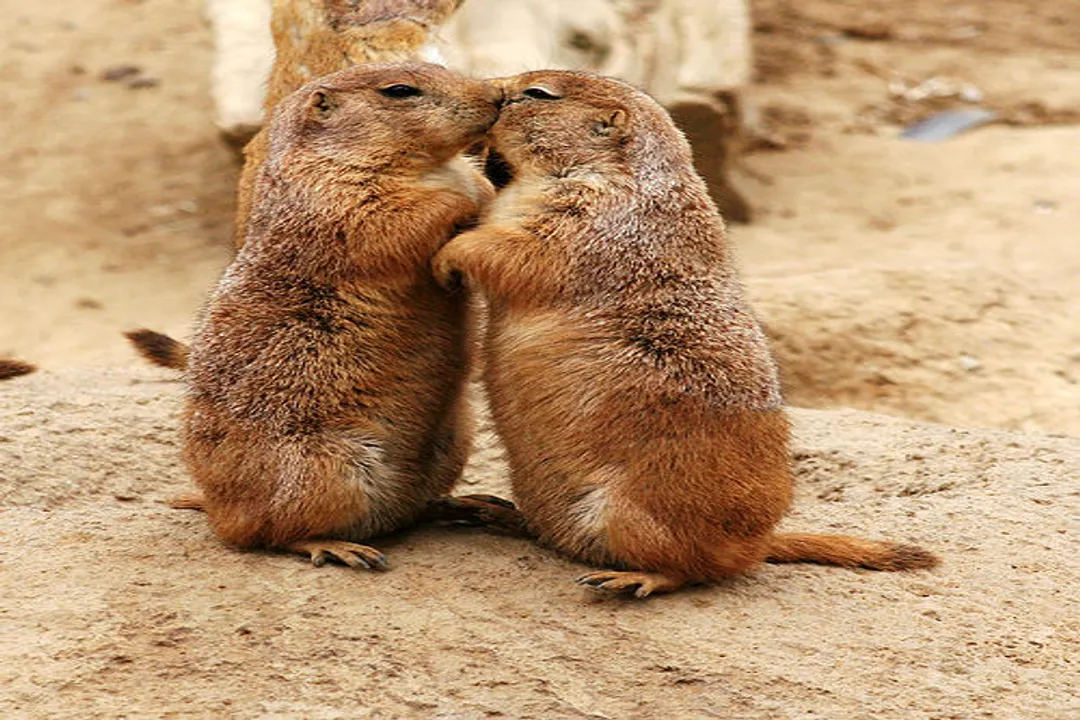
Beyond the federal system, several state parks and wildlife areas actively manage or preserve prairie dog habitats, often providing more localized and sometimes more easily accessible viewing opportunities.
Montana features the Greycliff Prairie Dog Town, which is managed by Montana Fish, Wildlife & Parks (FWP). [4] This location specifically highlights the prairie dog population, suggesting a high density of activity in a managed state park setting. [4] This type of state-run area can sometimes offer more interpretive signage or dedicated viewing areas compared to a general national park landscape.
In Colorado, the Division of Wildlife (CPW) tracks and manages prairie dog populations, indicating that viewing opportunities exist across the state, often concentrated in specific regions where conservation is a priority. [8] When planning a trip in Colorado, consulting local CPW resources might point you toward known active towns managed for public viewing or conservation purposes. [8]
It is worth noting that the success of a viewing trip often hinges on the specific management goals of the site. A state park focused explicitly on a prairie dog town, like Greycliff, is designed for observation, whereas a larger national park view might be a happy accident while enjoying other scenic elements. [4][7] If your primary goal is guaranteed, close-up viewing, seeking out areas explicitly named after or dedicated to the prairie dog habitat often yields the best results. [4]

# Specialized Exhibits
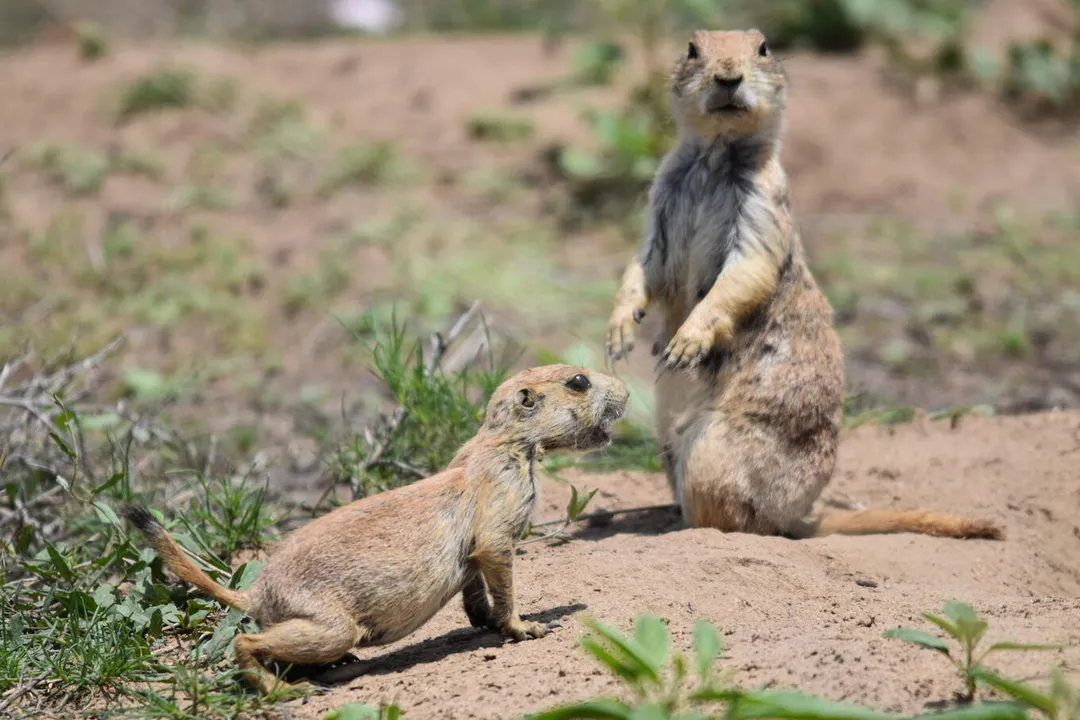
For visitors seeking guaranteed sightings regardless of weather or season, or for those living far from the native prairie habitats, several commercial attractions host dedicated prairie dog towns. These settings allow people to observe the animals in a contained, educational environment. [5][9]
The Wildlife Safari Park maintains a specific Prairie Dog Town exhibit. [5] This provides a structured experience where staff can often offer insights into the species' behavior, which can be particularly valuable for families or first-time viewers. [5]
Another distinct location is Reptile Gardens, which, despite its name, features a Prairie Dog Town exhibit. [9] These types of attractions focus on providing close-up interactions or displays that might not be possible in the wild. While the experience differs from seeing them roam free across the plains, these venues ensure visibility and often incorporate educational elements about the animals' role in the ecosystem. [9]
When comparing wild versus exhibit viewing, one key difference lies in the animal's behavior. In the wild, the animals are constantly on alert for predators—hawks, coyotes, and badgers—leading to frequent sentry duty and frantic dives into burrows. [6] In a well-managed, predator-free exhibit, you might see more extended periods of relaxed foraging, sunbathing, and social grooming, offering a different but equally fascinating glimpse into their daily lives. [2][5]
# Species and Ecology
Understanding what you are looking for helps enhance the viewing experience. Prairie dogs are not a single species; they are ground squirrels belonging to the genus Cynomys. [6] The most widely distributed and commonly encountered species is the Black-tailed prairie dog, which forms the massive colonies often pictured in media. [2][6] Other species include the White-tailed, Gunnison's, Mexican, and Utah prairie dogs, each with its own specific geographic range and conservation status. [6]
These animals are renowned for their highly complex social structures. They live in colonies, or towns, that can span hundreds of acres, containing thousands of individuals occupying elaborate burrow systems. [6] Within the town, they form smaller family units called "coteries". [6] Their communication is surprisingly sophisticated, involving a variety of barks, chirps, and jumps that convey information about different types of predators or even approaching humans. [6]
The sheer scale of their former range is difficult to comprehend today. Historically, their towns covered vast tracts of the plains, but habitat loss due to agriculture and development has significantly reduced their numbers and distribution. [6] This makes the preserved areas, whether state or federal, even more significant as vital refuges for their survival. [1][8]
If you are visiting an area that hosts a different species, like the White-tailed prairie dog, note that while the social behavior remains similar, the size of the colonies or the physical appearance of the animals might vary slightly from the iconic Black-tailed species. [6]
A subtle but interesting observation for frequent visitors to prairie dog towns is the difference in burrow construction based on local soil and water tables. In areas with finer, less compacted soil, you might see shallower, more numerous entry holes. Conversely, in areas with heavier clay content or higher water tables, the burrows might appear slightly deeper with more pronounced exit mounds built up as a defense against flooding and to better secure the soil structure—a testament to their engineering skill right beneath your feet. [1]
# Planning Your Visit
To maximize your chances of a successful viewing experience, a little advance planning goes a long way, regardless of whether you choose a wild habitat or a managed attraction.
For natural settings, timing is critical. Prairie dogs are diurnal, meaning they are active during the day. [1] However, the best time for activity is usually early morning or late afternoon when temperatures are moderate. [1] Midday heat often drives them underground to escape the sun, leading to quiet towns. [1]
When visiting National Parks or State Parks, always adhere to the guidelines provided by the managing agency. For example, the National Park Service advises viewers to stay near their vehicles or designated trails to avoid disturbing the colony and to ensure personal safety, as these are wild animals. [1] Remember, approaching too closely can cause the animals to abandon their foraging and retreat underground, effectively ending your viewing opportunity. [1]
If you are near a Colorado State Wildlife area or a Montana State Park, look specifically for interpretive panels. These often outline the best vantage points established by biologists or park staff who monitor the health and activity levels of the local colony. [4][8] This localized knowledge, often available on-site, can drastically improve your experience over simply wandering into the middle of a large plain hoping to spot activity. [8]
Ultimately, seeing prairie dogs is an exercise in appreciating the vitality of the grassland ecosystem they define. Their survival in these protected pockets allows us a window into the immense, connected communities that once characterized millions of acres of North America. [6]
Related Questions
#Citations
See Prairie Dogs in Their Prairie Dog Towns (U.S. National Park ...
Black-tailed prairie dog - National Zoo
Theodore Roosevelt National Park - Facebook
Greycliff Prairie Dog Town State Park - Montana FWP
Prairie Dog Town - Wildlife Safari Park
Prairie dog - Wikipedia
A Day in the Life of a Prairie Dog - A Wind Cave National Park Story
Prairie Dogs - Colorado Parks and Wildlife
Prairie Dog Town - Reptile Gardens