What is the best food for Belgian Malinois?
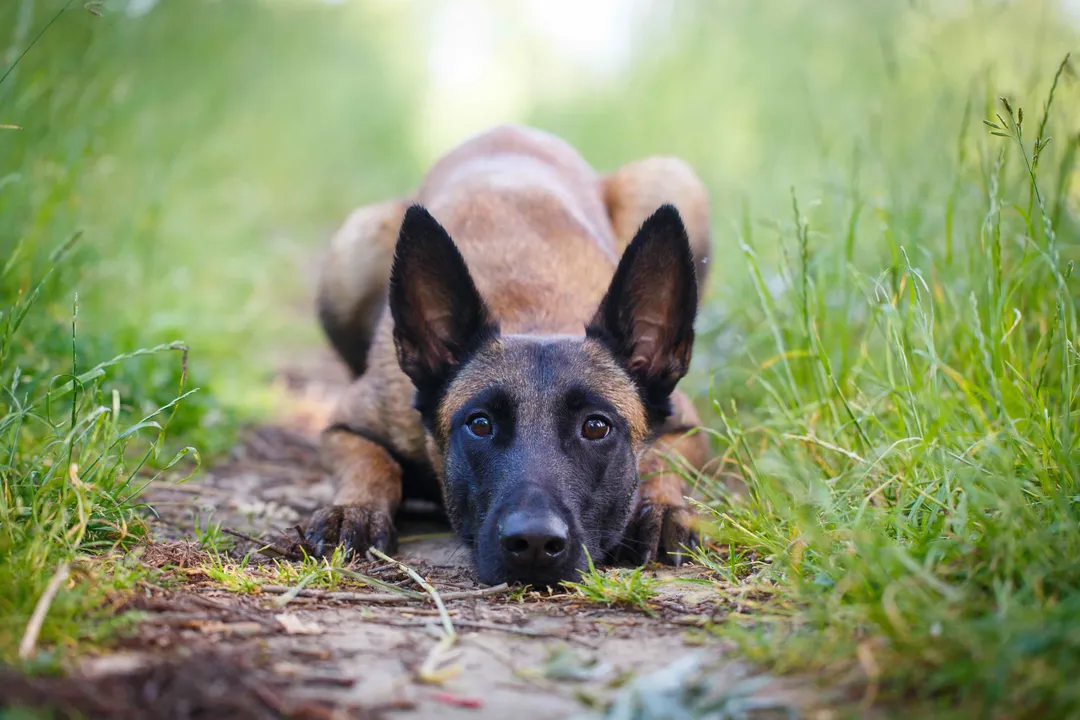
The Belgian Malinois is famous for its intense drive, sharp intelligence, and boundless energy, traits that make them exceptional working partners in demanding fields like police work and search and rescue. [5][9] Because this breed is essentially a high-performance athlete in a dog's body, their dietary requirements go far beyond basic maintenance; what they eat directly fuels their physical output and cognitive function. [5] Choosing the best food isn't about picking a single brand, but rather understanding the high-quality nutritional benchmarks this breed demands. [4]
# Energy Demands
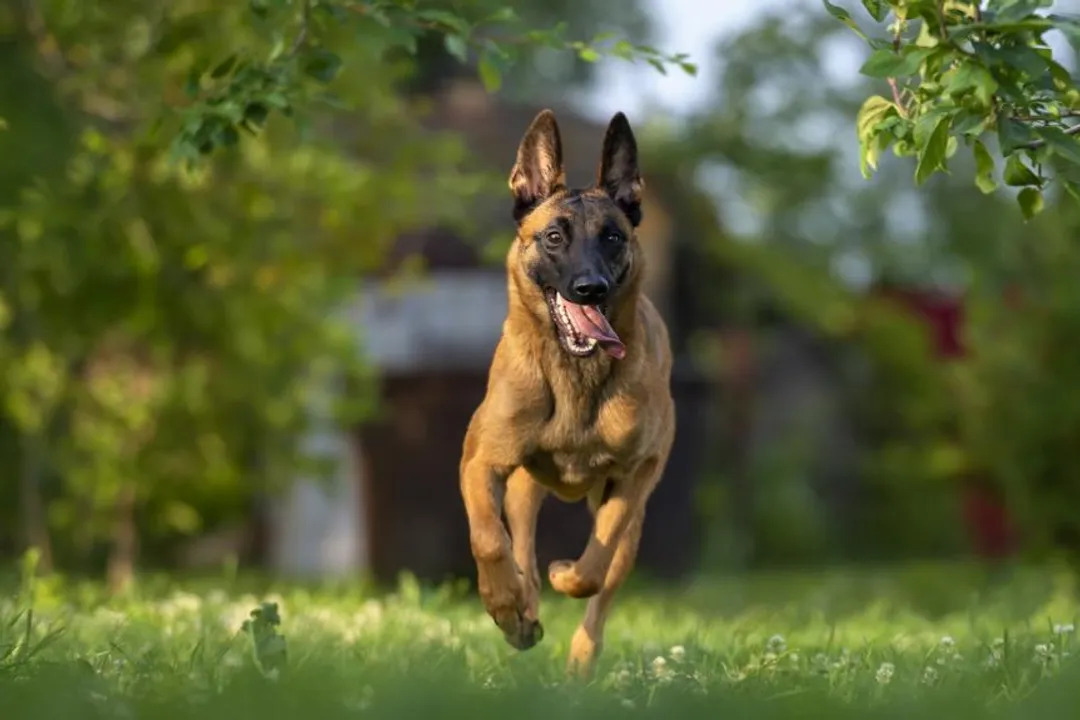
A Malinois is not a lap dog needing moderate sustenance. Their history as herding and working dogs means they possess an engine that requires premium fuel to run efficiently. [5] Owners frequently report that these dogs seem to have limitless stamina, which requires a diet that is calorie-dense yet balanced. [9] When an owner selects food, they must assess their dog's activity level honestly. A Malinois training daily for competition or actively working will burn significantly more calories than one maintained solely as a family companion. [5] Ignoring this high energy requirement can lead to a dog that is lethargic, loses muscle mass, or develops behavioral issues stemming from unspent drive. [9]
# Protein Needs
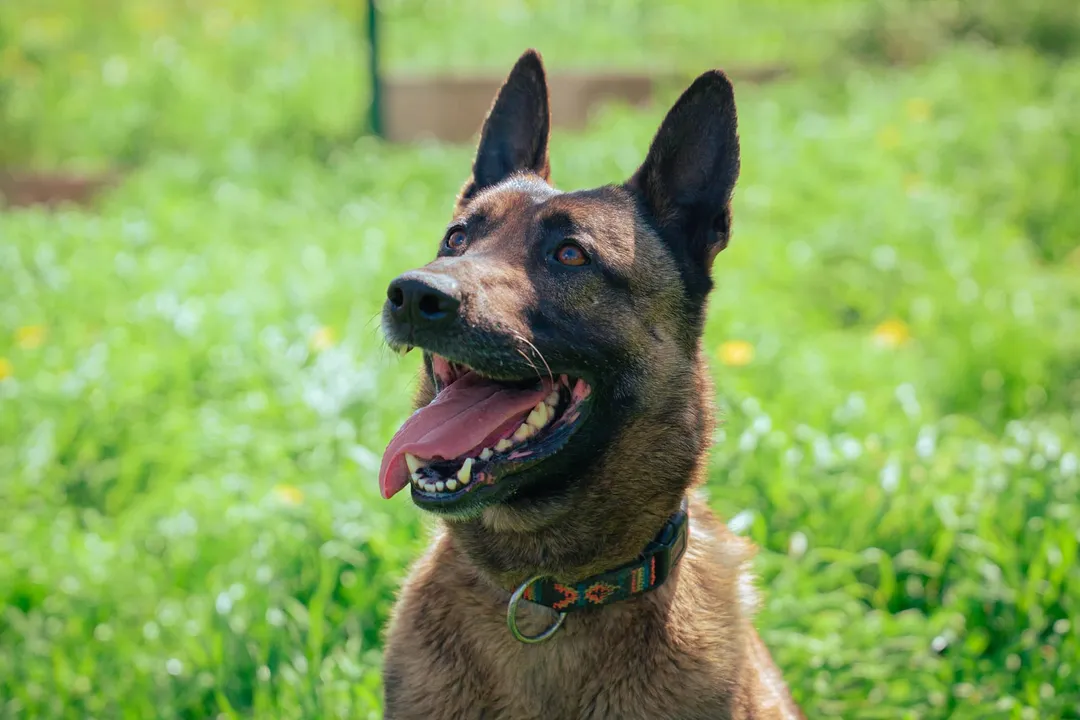
The foundation of any successful Malinois diet must be high-quality protein. Protein supports the lean muscle mass these dogs maintain through constant activity. [5] Whether choosing commercial kibble or a raw preparation, the first ingredient listed should unequivocally be a named, identifiable meat source—like deboned chicken, lamb, or fish—rather than vague terms like "meat meal" or unspecified protein. [3][4]
For those leaning toward commercial diets, look for products where the protein content is substantial, often in the mid-to-high twenties percentage range for adults, though high-performance working lines may benefit from protein nearing 30% or more, provided they can process it effectively. [7] The key is digestible protein; if the dog is producing excessive stool volume, it might indicate the food contains too many indigestible fillers, meaning the true nutrient uptake is lower than the label suggests. [4]

# Raw Feeding
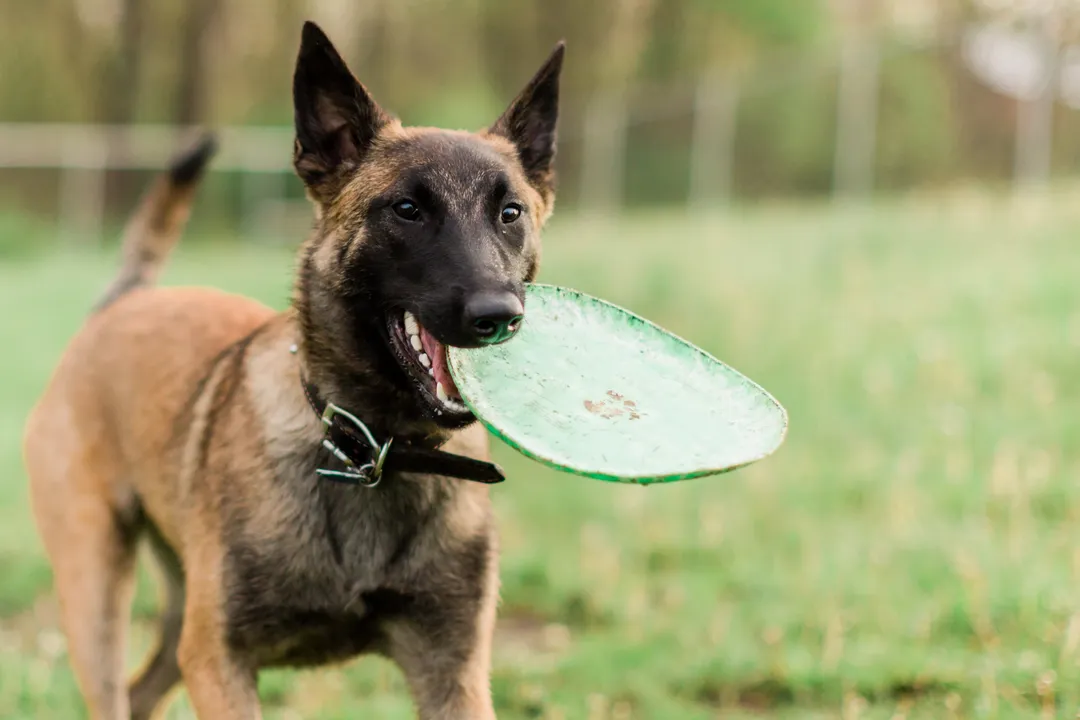
A significant segment of the Malinois community champions raw feeding, often citing improved coat condition, better muscle tone, and increased vitality. [3] Proponents of raw diets, like the BARF (Biologically Appropriate Raw Food) approach, aim to mimic the diet of a wild canine ancestor. [3]
A properly balanced raw diet includes:
- Muscle Meat: The primary component, providing necessary amino acids. [3]
- Raw Edible Bone: Essential for calcium and phosphorus balance. [3]
- Secreting Organs: Such as liver and kidney, which supply vital vitamins. [3]
- Small Additions: Sometimes including small amounts of vegetables or fruit for fiber and antioxidants. [3]
While this method allows for supreme control over ingredient sourcing—you know exactly where the meat came from—it demands significant owner commitment and diligence regarding hygiene and nutritional balancing to ensure all micronutrient needs are met. [3]
# Kibble Selection
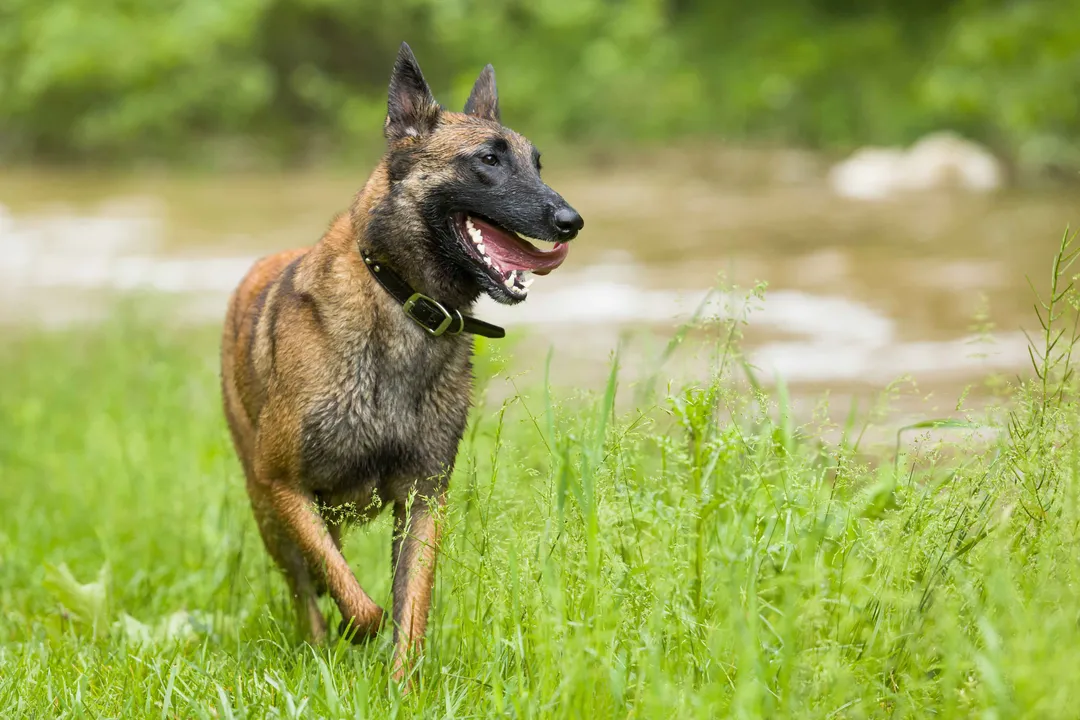
For many owners, high-quality commercial kibble remains the practical choice due to convenience and guaranteed nutrient balance according to established standards like AAFCO (Association of American Feed Control Officials). [7] When evaluating bags, it is important to compare the source of the protein and fat across different brands. [4] If you are comparing a standard grocery store brand to a premium or veterinary diet, the difference often lies in the quality of the primary ingredients and the inclusion of functional fats and antioxidants. [4]
A common observation among Malinois owners is that while a specific brand might be recommended on forums, [1] the formula needs to be right for the individual dog. If a dog shows itching, lethargy, or poor coat quality on one high-end kibble, switching to another high-end kibble featuring a novel protein source (like duck or venison instead of chicken) is often the next logical step. [1][4]
To help owners weigh their primary choices effectively, consider the trade-offs between prepared commercial food and customized raw feeding regimens:
| Feeding Style | Primary Focus | Sourcing Rigor (General) | Digestive Load |
|---|---|---|---|
| High-Quality Kibble | Convenience, complete nutrition via extrusion | Varies; reliant on manufacturer consistency | Moderate to high (due to carbohydrate content) |
| Raw (BARF/Prey Model) | Biologically appropriate, fresh ingredients | High (requires owner diligence or trusted supplier) | Low (highly digestible proteins/fats) |
This comparison shows that while kibble offers consistency, raw feeding necessitates a much higher level of sourcing investigation from the handler. [3]
# Life Stage Adjustments
The nutritional needs of a Belgian Malinois shift dramatically throughout its life. [5]
# Puppy Development
Malinois puppies grow rapidly, putting significant stress on developing skeletal structures. [5] Feeding them a large-breed puppy formula, even though they are not technically a giant breed, is often recommended. These formulas are designed to control the rate of growth, ensuring bones and joints develop slowly and correctly, which is critical for a breed prone to joint stress later in life. [3][5] The calcium to phosphorus ratio must be strictly monitored during this phase. [3]
# Adult Maintenance
Once growth plates close, the focus shifts entirely to performance. For most active companion dogs, a high-quality adult maintenance formula is sufficient. [3] However, a dog that trains intensely—say, four hours a day—is not in "maintenance" mode; it's in heavy work mode. [5] For these dogs, you must look at the caloric density and fat content to ensure adequate energy replenishment without overloading the system with unnecessary bulk.
# Senior Care
As Malinois age, they may naturally slow down, requiring fewer calories to prevent weight gain, which exacerbates joint stress. [5] However, their requirement for high-quality, bioavailable protein remains high to combat sarcopenia (age-related muscle loss). [3] Many senior formulas reduce overall fat and calories while maintaining or even slightly boosting key proteins and adding joint-supportive ingredients like glucosamine.
# Managing Sensitivities
Like many purebreds, Malinois can sometimes exhibit food sensitivities, frequently manifesting as skin issues like itchiness, excessive licking of the paws, or ear infections. [4] While stress and environmental factors play a role, diet is a common culprit. [4]
If you suspect a food sensitivity, patience is necessary. An elimination diet, guided by a veterinarian, is the standard diagnostic tool. This involves feeding only a single, novel protein source (like venison, rabbit, or hydrolyzed protein) and a single carbohydrate source for several weeks to see if symptoms resolve. [4] Common triggers often include common proteins like chicken or beef, or fillers like corn and wheat, making grain-free or single-grain options sometimes necessary, depending on the dog's specific reaction. [1][4]
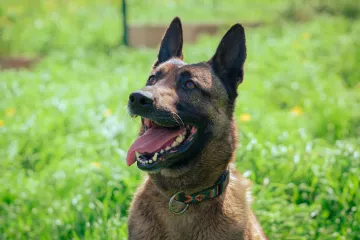
# Hydration and Supplementation
Because of their high metabolism and work ethic, Malinois can dehydrate quickly, especially during periods of intense activity or in warm weather. [5] Always ensure constant access to fresh, clean water. [5] If feeding dry kibble, some owners soak it briefly before serving to encourage better fluid intake throughout the meal. [5]
When it comes to supplements, while a complete and balanced diet should theoretically provide everything needed, the intense demands of this breed often lead owners to consider extras. [5] Joint support supplements, containing ingredients like glucosamine and chondroitin sulfate, are often proactively added, especially in working or older dogs, to support cartilage health. [5] Similarly, omega-3 fatty acids (like EPA and DHA from fish oil) are beneficial for reducing inflammation associated with high-intensity exercise and promoting skin health. [5]
When determining the baseline amount of food for an active Malinois, it is helpful to move beyond the generic feeding chart on the bag. A useful metric is calculating based on resting energy requirement (RER) and multiplying by an activity factor. For a moderately active dog, the factor is typically around 1.8 times RER. However, for a Malinois in heavy daily training, this factor might need to be closer to 2.5 or even higher. You must then monitor the dog's Body Condition Score (BCS) weekly, adjusting food quantity up or down by 10% increments until they maintain a healthy weight with visible tuck and palpable ribs, rather than strictly adhering to a calendar-based schedule or a fixed cup measurement. [5] This personalized adjustment ensures the food intake matches the actual caloric expenditure.
#Videos
Best Dog Food for Belgian Malinois in 2025 Vet Approved! - YouTube
Related Questions
#Citations
Okay, seriously. What food is recommended to feed our dogs? - Reddit
Malinois dog food recommendations for this breed - Facebook
What's the Best Dog Food for a Belgian Malinois? - ProDog Raw
Best Dog Food for Belgian Malinois in 2025 Vet Approved! - YouTube
Feeding - Earthaven Malinois
What is the best dog food for a Belgian Malinois? - Quora
Belgian Malinois Care: Health, Grooming & Diet
What's the Best Dog Food for Belgian Malinois? - Petabolix
Belgian Malinois Dog Breed Health and Care | PetMD