Where can I see Kermode bears?
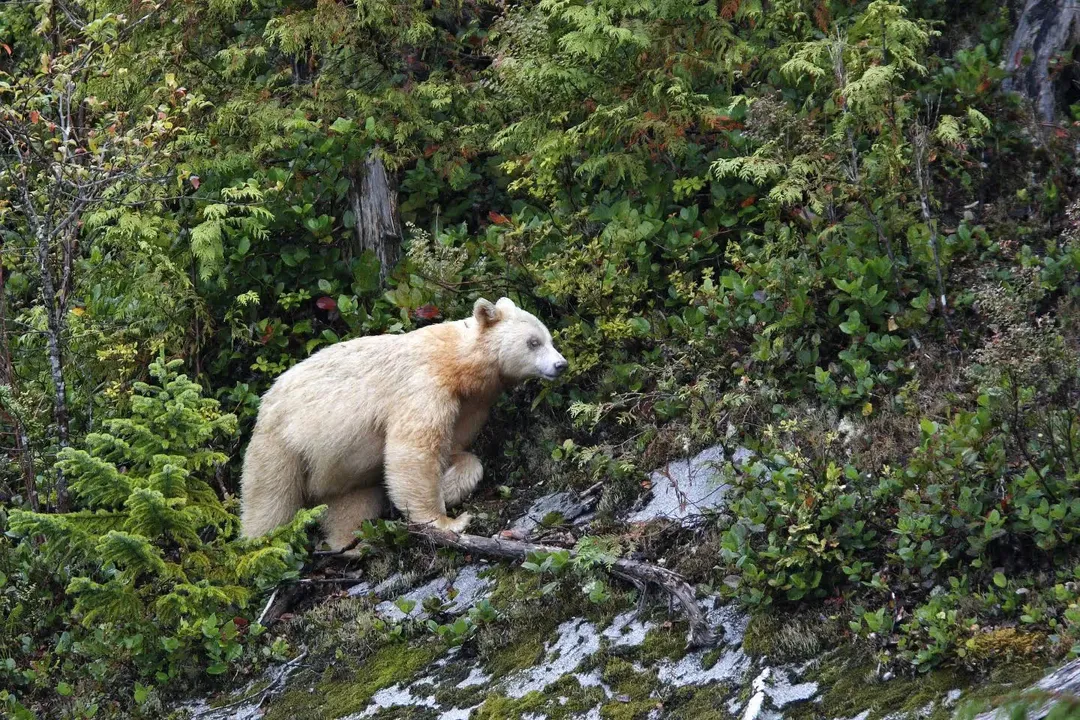
The opportunity to witness the Kermode bear, famously known as the Spirit Bear, in its natural habitat is a distinct goal for wildlife enthusiasts traveling to the remote coastline of British Columbia, Canada. [1][4] These bears are not a separate species, but rather a unique, rarely seen subspecies of the American black bear, Ursus americanus kermodei. [3][6] Their striking white or cream coloration is the result of a naturally occurring, recessive gene present in the coastal black bear population. [3][6][9] Importantly, they are not albino; they retain dark pigment in their eyes and paw pads. [3][6] Because their visibility is geographically restricted and seasonally dependent, knowing precisely where and when to look is the first step in planning a successful—and responsible—encounter. [1][7]
The rarity of these animals is partially tied to their specific environment. Though they are found in the broader Great Bear Rainforest region, the vast majority of the estimated 400 to 1,000 Kermode bears inhabit a relatively small, isolated area along the central and north coasts of British Columbia. [1][2][4] Their existence is intrinsically linked to the health of the old-growth temperate rainforests they call home. [4]
# Coastal Range
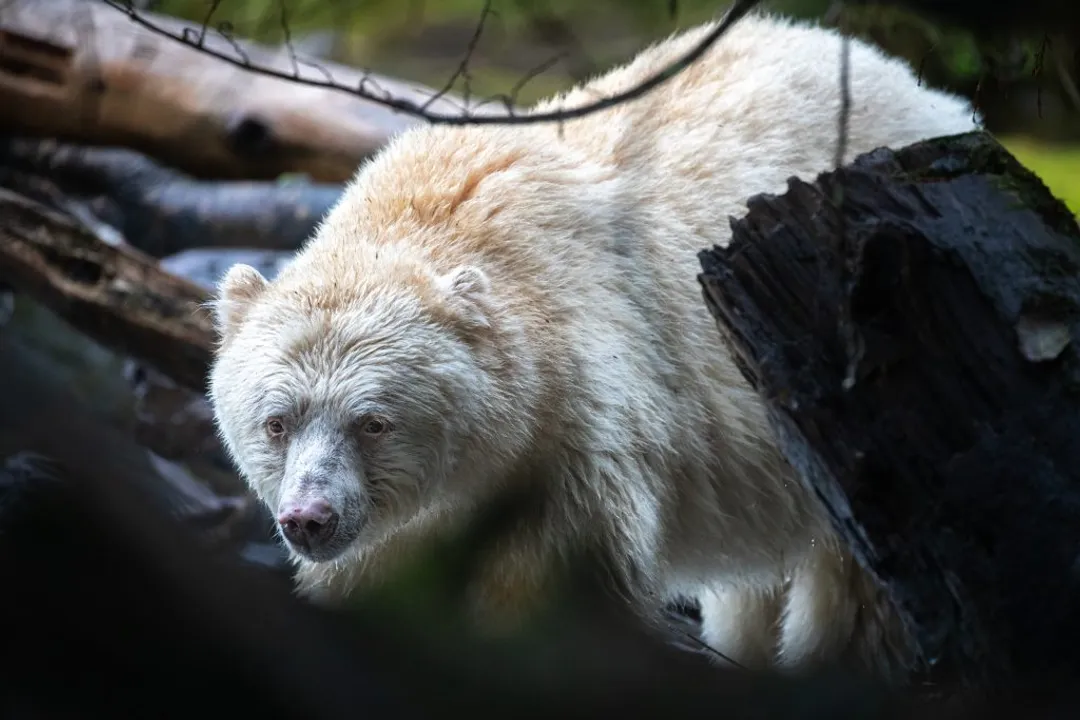
The primary geographical area where the Spirit Bear thrives is often referred to simply as the Great Bear Rainforest. [2] This massive temperate rainforest covers significant portions of the central and north coasts of the province. [2][4] Within this expansive region, the densest populations of the white bears are concentrated on a few key islands. [1]
The most vital of these islands are Princess Royal Island and Gribbell Island. [1] These landmasses, often difficult to access without specialized charter or tour vessels, serve as crucial strongholds for the population. [1] While they are technically part of the larger coastal ecosystem that stretches for hundreds of kilometers, dedicated viewing efforts are usually concentrated within these core territories. [2] Visitors should understand that traveling to the general region is one thing; accessing the specific coves and estuaries where the bears feed requires precise planning, as the terrain is rugged and often inaccessible by road. [4][5]
# Access Towns

Since the bears reside in deep wilderness areas, travelers almost always need to stage their expeditions from nearby coastal communities that serve as hubs for logistical support and charter services. [5] Two main towns frequently mentioned as starting points for these wildlife excursions are Terrace and Kitimat. [5][8]
Terrace, situated further inland but connected to the coast, acts as a significant gateway for many northern BC travel itineraries. [8] Kitimat, located on the southern edge of the Great Bear Rainforest, often provides direct access to ocean-based tours heading towards the bear territory. [5] While you can travel to these towns by road or air, seeing the bear itself necessitates transitioning from land-based infrastructure to watercraft, as the critical viewing locations are primarily island-based or situated along inaccessible inlets. [1][7] People discussing sightings or planning trips often note that the true adventure begins only after leaving these last service towns and heading out onto the water. [5][8]
# Viewing Logistics
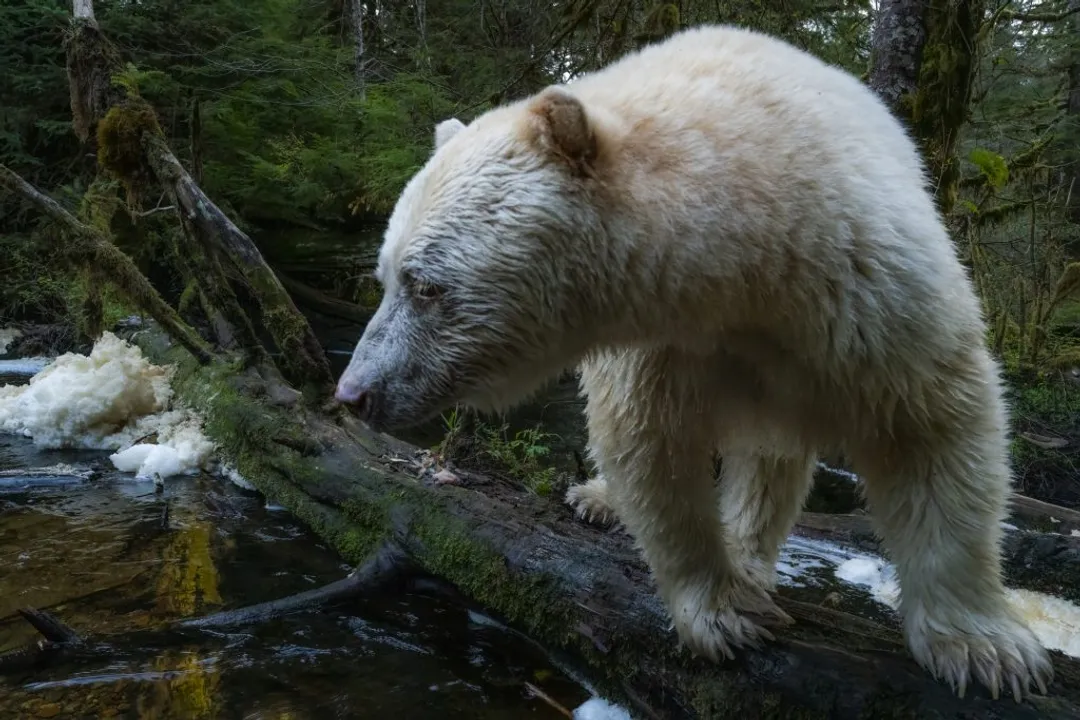
The actual viewing experience is rarely a matter of stumbling upon a white bear on a roadside trail; it involves booking specialized, guided trips designed around the bears’ feeding patterns. [1][7] Given the remote and sensitive nature of the environment, relying on experienced, authorized operators is paramount for both safety and ethical observation. [1][4]
These expeditions typically involve traveling by boat—often a comfortable, purpose-built expedition vessel—into secluded fjords and river mouths. [2][7] The goal is generally to position the boat quietly near a salmon-bearing stream where the bears congregate to fish. [1][7] Some operators may utilize established, low-impact viewing platforms or simply observe from the quiet stability of their vessel. [1]
When budgeting for such a trip, consider that chartering a vessel into these remote inlets often requires significant advance booking and commitment. [7] A common logistical challenge travelers face is coordinating the boat travel with the bear's schedule. A traveler should budget time for travel delays inherent in remote coastal navigation, perhaps scheduling at least three to four full days dedicated solely to potential viewing excursions rather than relying on a single-day trip from a hub town, as visibility is never guaranteed. [1]
# Seasonal Timing
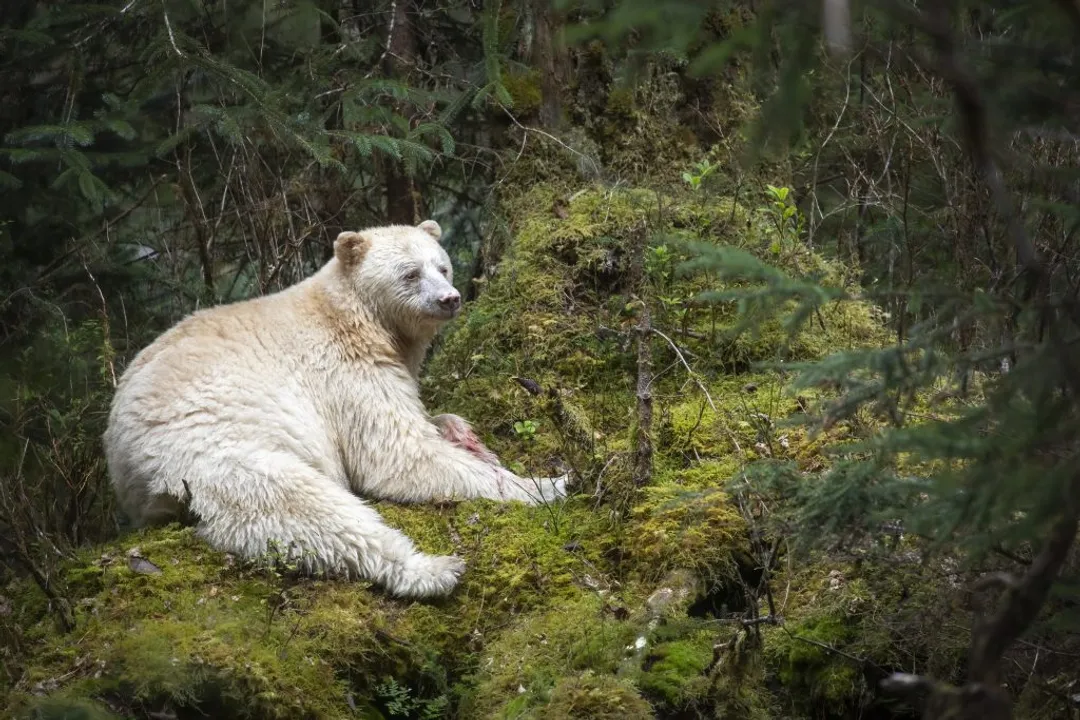
The best time to see a Kermode bear is directly correlated with the annual salmon run. [1][7] These bears gorge themselves on the nutrient-rich salmon during this period to build up fat reserves for their winter hibernation. [1]
Generally, the prime viewing window opens in late spring and continues through early autumn. [7] While some bears may be seen foraging on vegetation in the late spring, the most consistent and dramatic viewing opportunities occur when the salmon are migrating upstream. [1] This often peaks between August and September. [7] Outside of this period, the bears are either dispersed across the forest, less active, or have entered their dens for the winter. [1] Successful sighting reports often rely on the guides’ intimate, up-to-the-minute knowledge of which specific streams have the highest current fish and bear activity. [7]
# Ethical Observation
Seeing a Spirit Bear is an immense privilege, and the tourism surrounding them is managed with conservation in mind. [4] Responsible wildlife viewing mandates that the bears’ natural behavior remains undisturbed. [1]
Tour operators focused on the Kermode bear emphasize minimal impact. This means observing from a respectful distance, maintaining silence, and never attempting to feed the animals or approach them on foot in a way that could stress them. [1][4] Choosing an operator committed to small group sizes is a key consideration for the conscientious traveler. Since the bears rely on specific estuaries for survival during the feeding season, the cumulative presence of human observers can subtly alter their behavior if not managed carefully. Therefore, selecting a guide service that limits daily visitor numbers, perhaps restricting groups to fewer than ten people, indirectly supports the long-term health of the feeding grounds by minimizing ecological disturbance. [4] The entire experience rests on the foundation that the human presence is temporary and subordinate to the animal’s need to feed unimpeded. [1]
# Biological Context
While the location is the main concern, understanding a bit more about the bear itself can deepen the appreciation for the sighting. [6] The name Kermode honors Sir William G. Kermode, who helped bring the bear to wider scientific attention. [6] Though they appear strikingly white, they are genetically black bears, with the white coat occurring in about 10 to 20 percent of the population in that specific region. [3] A black bear born to two white-coated parents will always be white, but if it mates with a black-coated bear, the cub has a chance of being either color, depending on the complex genetics involved. [3]
In terms of size, Kermode bears are generally comparable to other coastal black bears, weighing between 200 and 500 pounds, though males are larger than females. [9] Their diet is seasonally diverse, including berries, roots, and small mammals, but the salmon run is the essential resource that anchors their annual rhythm and, consequently, dictates the best time for human observers to find them. [1][9] When planning a trip, remember that you are not simply looking for a specific color; you are timing your visit to coincide with a critical, narrow window of their annual feeding cycle in a very particular part of the world. [7]
Related Questions
#Citations
Searching for the elusive Kermode bear in the Great Bear Rainforest
Spirit Bears Tours - Maple Leaf Adventures
Spirit Bear Lodge
Discover the Haunting Beauty of BC's Spirit Bears
Has anyone seen a Spirit Bear? Where are the best places to find a ...
Where can I see the Kermode Bear in the wild - Geeky Planet
Track the Spirit Bear - The Great Canadian Bucket List
Kermodie Bears? - Terrace Forum - Tripadvisor
Spirit bear guide: where they live, what they eat - and why they're white