What's the best dog food to feed a blue heeler?
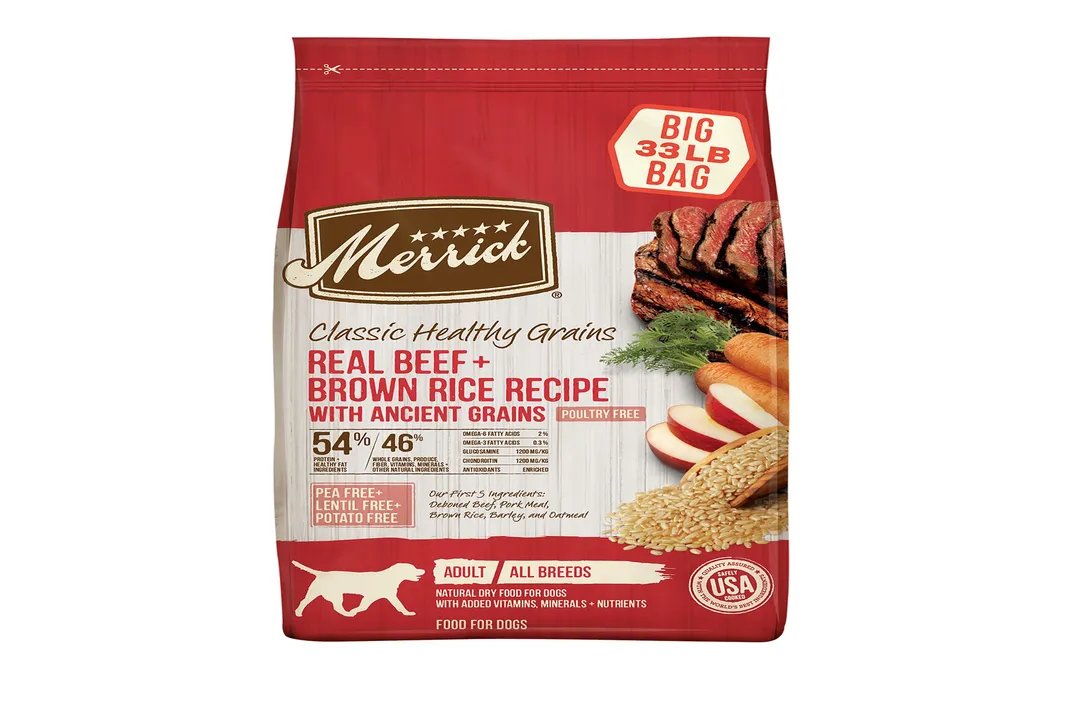
The Blue Heeler, or Australian Cattle Dog, is renowned for its intelligence, loyalty, and boundless energy, stemming from its history as a tough herding dog bred to work across rugged Australian terrain. [3] Owners quickly learn that this vitality demands consistent, high-quality nourishment to support their active lifestyle and maximize their typical lifespan, which can range from 12 to 16 years. [1] Determining the "best" food isn't about finding one magic bag; it's about matching the diet to the breed's unique physical demands and genetic predispositions. [1][3]
# Energy Demands
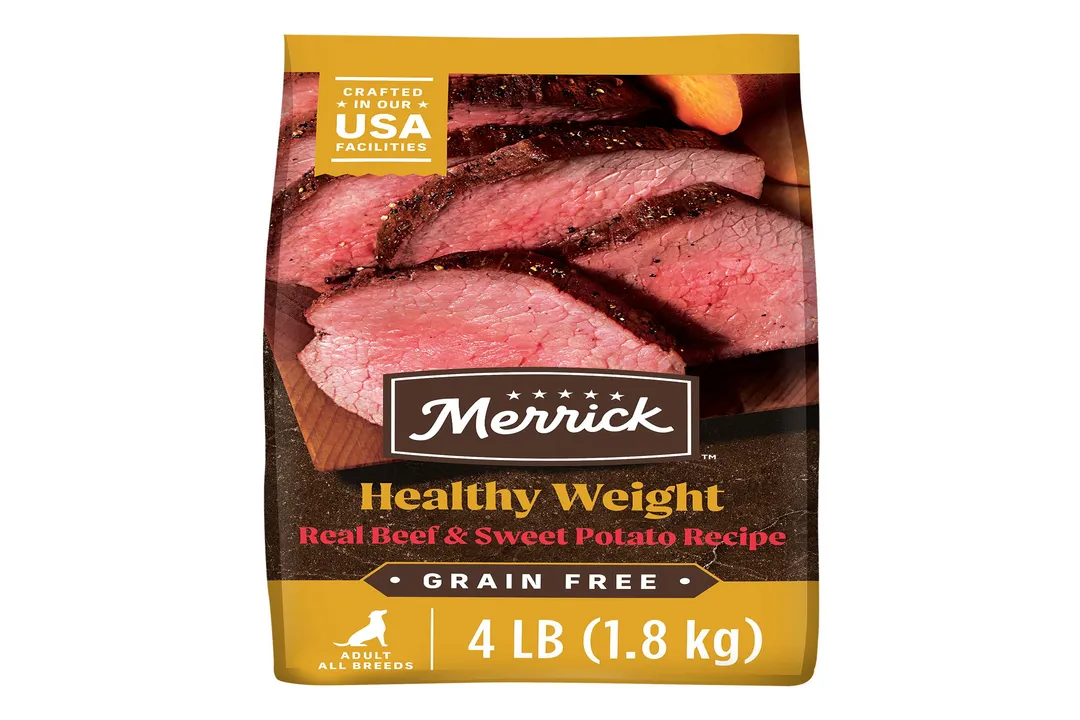
Because Heelers are naturally high-energy and alert, their diets must provide the necessary fuel to sustain their activity levels. [1] Their muscular build reflects a working lineage, meaning they need substantial protein to maintain muscle mass. [2] While high activity suggests a need for fuel, it's critical not to overfeed, as even a little extra weight can place significant strain on their joints. [1][3]
# Health Focus
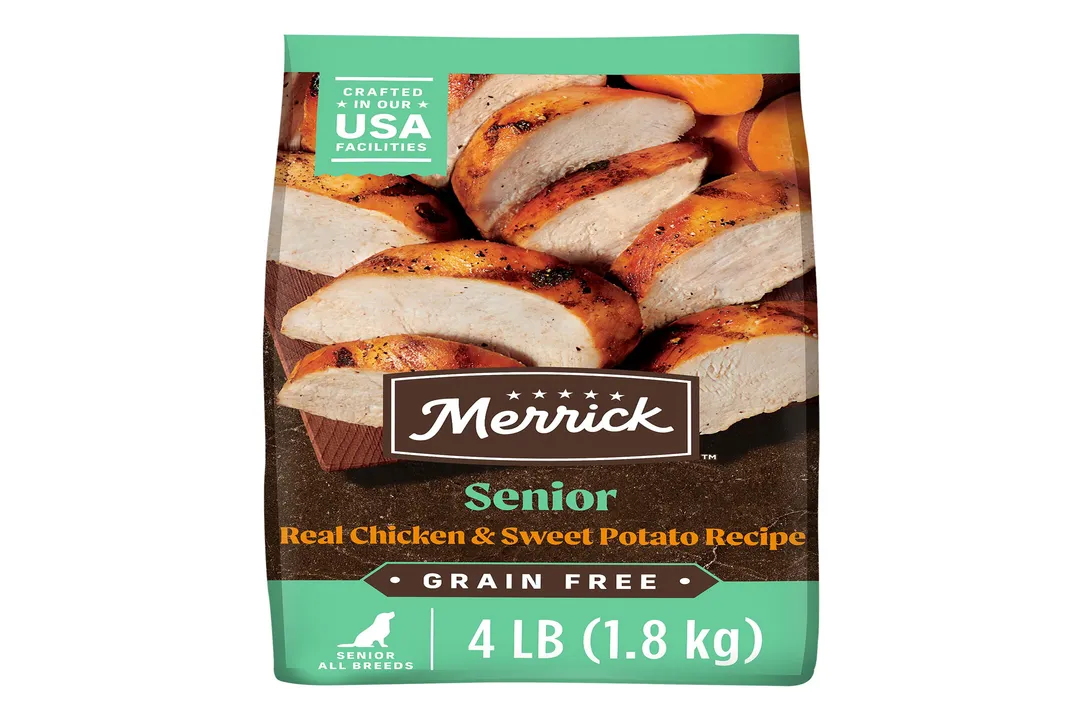
Selecting a food that addresses common breed health concerns can be a key component of long-term care. [1][2]
# Joint Support
Hip dysplasia is a prevalent joint issue in the breed, one that improper nutrition can potentially worsen. [1] Therefore, looking for diets that explicitly contain joint-supporting nutrients like glucosamine and chondroitin is a smart strategy, particularly as the dog ages. [1][2][3] The Pro Pac Ultimates Adult Chicken Meal & Rice recipe, for instance, is noted for including these compounds as part of its value proposition. [2]
# Skin and Coat
Atopy, an allergic skin condition frequently seen in Blue Heelers due to environmental sensitivities, means that diet can play a role in managing flare-ups. [1] When sensitivities are suspected, choosing foods with novel protein sources—such as duck, venison, or fish—can help the immune system avoid known triggers. [2] Fish-based formulas are particularly beneficial as they are rich in Omega-3 fatty acids, which support the reduction of inflammation and promote skin and coat health. [1][2]
# Weight Control
Despite their high exercise needs, Heelers can easily gain weight if their food intake or activity level is mismanaged. [1] For adults, the dual goals of nutrition become balance and maintenance. [3] If weight loss is necessary, owners should look for foods labeled as low-calorie or low-fat. [3] An interesting approach for managing rapid intake is selecting kibbles with larger bites, which encourages the dog to chew more thoroughly and slow down their eating pace. [3]

# Ingredient Quality
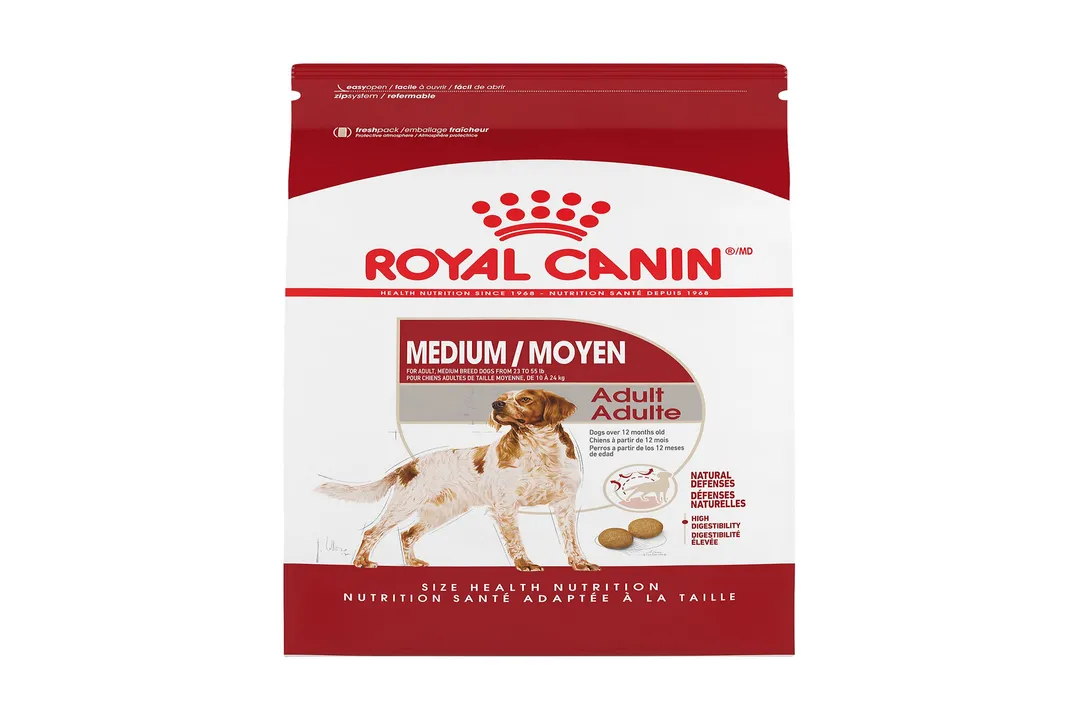
The foundation of a healthy Blue Heeler diet lies in the quality of the ingredients listed on the bag. A primary metric for quality is verifying that the food meets the nutritional standards set by the Association of American Feed Control Officials (AAFCO), which ensures the food is "complete and balanced" for the intended life stage. [1]
# Protein Sources
High-quality protein is non-negotiable for this athletic breed. [2] You should seek out formulas where whole meat protein—such as de-boned chicken, turkey, beef, or wild-caught fish—is the very first ingredient. [1] Conversely, caution should be exercised regarding unidentifiable meats or general "meat meals" listed, as these may include less desirable animal parts and offer less nutritional consistency. [1] Furthermore, ingredients subjected to high-temperature processing, like some meat meals, can see their protein quality diminished. [1]
# Processing and Additives
Beyond the protein source itself, the overall processing matters. The concept of "human grade" designation means the ingredients meet rigorous quality and nutritional criteria acceptable for human consumption, differentiating them from lower-standard "feed grade" ingredients. [1] Avoiding additives like artificial flavorings is also recommended, as these offer no nutritional benefit and might contribute to sensitivities. [1]
Considering the high-energy needs of a working breed, there is a nuanced perspective on carbohydrates. While many premium puppy foods lean toward very low-carbohydrate, high-protein profiles (such as the 5-star rated Nulo turkey recipe, which is grain-free [2]), an active adult Blue Heeler may benefit from moderately complex, whole-food carbohydrates like barley or brown rice for sustained endurance, rather than quick energy spikes. [1][2] Balancing the fat-to-protein ratio is key; for instance, the Pro Pac Ultimates affordable option uses chicken meal and brown rice and has a fat-to-protein ratio of 62%, while the high-protein, limited-ingredient Raised Right Pork Paté comes in at 19%. [2]
# Tailoring Nutrition
Nutritional requirements shift significantly across a Blue Heeler’s life, demanding dietary adjustments to support growth, peak performance, and eventual aging. [3]
# Puppy Needs
Blue Heeler puppies require specialized food formulated to support their rapid development, needing higher concentrations of protein, fats, and carbohydrates than adults. [3] Reputable brands create puppy-specific formulas to ensure this crucial balance is met. For this stage, the Nulo Freestyle Limited Plus Puppy and Adult Turkey Recipe has been noted as a 5-star option, promoting healthy growth with a single animal protein source and added probiotics. [2] Owners must strictly control treats, keeping them to no more than 10% of the puppy's total caloric intake. [3]
# Adult Maintenance
Transitioning to adult food typically occurs around 12 to 16 months of age, when the dog reaches about 90% of its expected weight. [3] The focus shifts to maintaining an appropriate weight while ensuring all bodily functions—digestion, immunity, muscle strength—receive adequate nutrients. [3] Recommendations for adults range from specific formulas targeting joint health, like the Weruva wet food, to high-protein, limited-ingredient fresh options designed to manage allergies. [2]
# Senior Years
Medium-sized breeds like Heelers often benefit from switching to a senior formula starting around 7 to 8 years old, although individual needs vary widely. [3] As metabolic processes slow, senior diets are often formulated to be lower in calories to prevent obesity while still providing adequate maintenance protein. [3] Owners must closely monitor their senior dog's body condition, as some may require more calories depending on their activity level and overall health progression. [3]

# Food Format Comparison
Owners have several high-quality choices available, each with distinct benefits and trade-offs regarding ingredients, cost, and preparation. [2][3]
| Food Type | Example Recommendation | Key Benefit for Heelers | Typical Cost Implication |
|---|---|---|---|
| Dry Kibble | Go! Solutions Salmon (Sensitive) [2] | Convenience, specific functional formulations (e.g., single protein) [2] | Generally most budget-friendly [2] |
| Wet Canned | Weruva Joint Health [2] | High moisture content, high-quality protein (42.1% protein in example) [2] | Higher per-day cost than basic kibble |
| Fresh/Human Grade | Just Food For Dogs Joint & Skin [2] | Human-grade ingredients, cooked gently to preserve nutrients [1][2] | Can be significantly more expensive (3-4x kibble) [3] |
Fresh food delivery services, like Farmer's Dog or Ollie, offer meals customized to the dog’s size and needs, balanced by nutritionists, which is a significant advantage for precise portion control. [3] However, these options are generally more costly than standard dry food. [3] For those seeking high-quality nutrition at a better price point, options like the 5-star rated Pro Pac Ultimates Adult Chicken Meal & Rice provide a solid baseline of nutrients, including joint support, proving premium ingredients are not exclusively found in the most expensive categories. [2]
# Owner Insight
While expert analysis provides the foundation, real-world experience offers validation. In online discussions among owners, there is often a comparison between grain-free diets and those that include grains. [2] For instance, one owner noted switching their dog off a grain-free diet due to resulting stomach issues, finding better results with a reasonably priced, grain-inclusive food that also contained necessary joint supplements. [2] Another observation shared is the immediate enthusiasm for certain wet foods, like a joint health variety, where dogs actively preferred it over their previous meals, suggesting palatability is high with quality ingredients like chicken broth and turmeric. [2] When assessing any food, whether it’s an affordable kibble or a specialized fresh blend, the ultimate sign of success is consistent vitality and health, supported by ingredients that target the breed's known vulnerabilities. [1][3]
Related Questions
#Citations
Best Dog Food for Blue Heelers 2025
Best Dog Food for Blue Heelers: Feeding Tips for Optimal Nutrition
What's the Best Dog Food for Australian Cattle Dogs? - Petabolix