Where is the best place to find aphids?
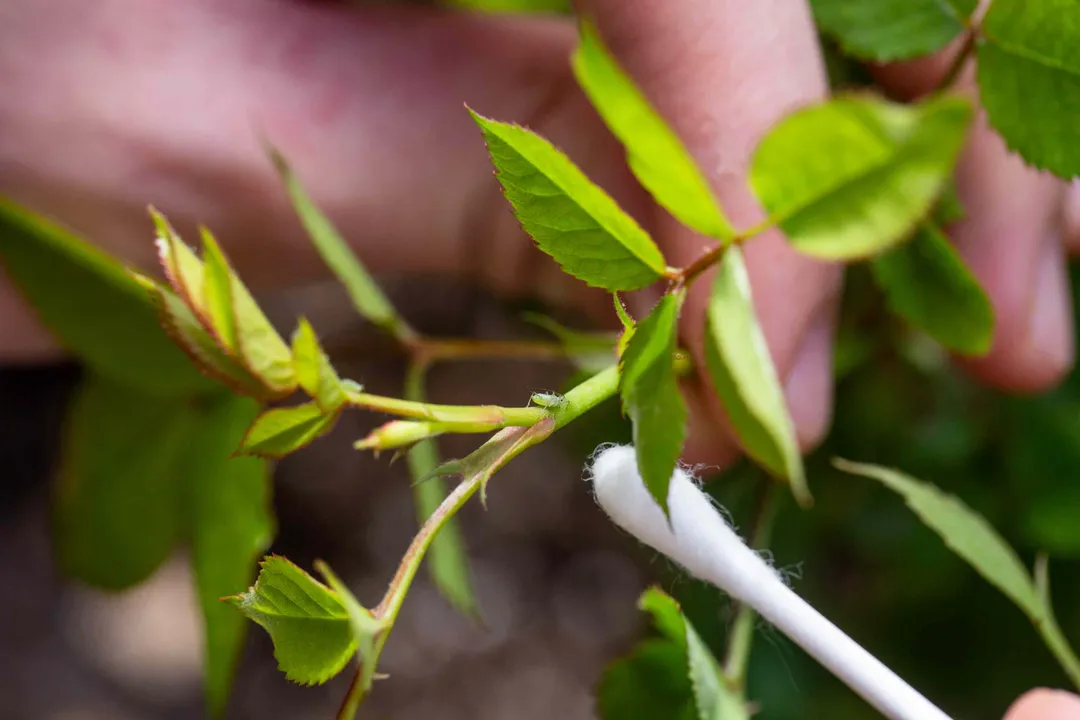
The search for aphids often begins with noticing something amiss on a favorite plant—a little yellowing, some stunted new growth, or perhaps a sticky residue coating leaves or even patio furniture below. These tiny, soft-bodied insects, also known as plant lice, are remarkably widespread, found in temperate zones globally and even capable of traveling significant distances on the wind. [5] While you can find them on nearly any plant, understanding where they prefer to gather is the first step in management. [8]
# Preferred Locations
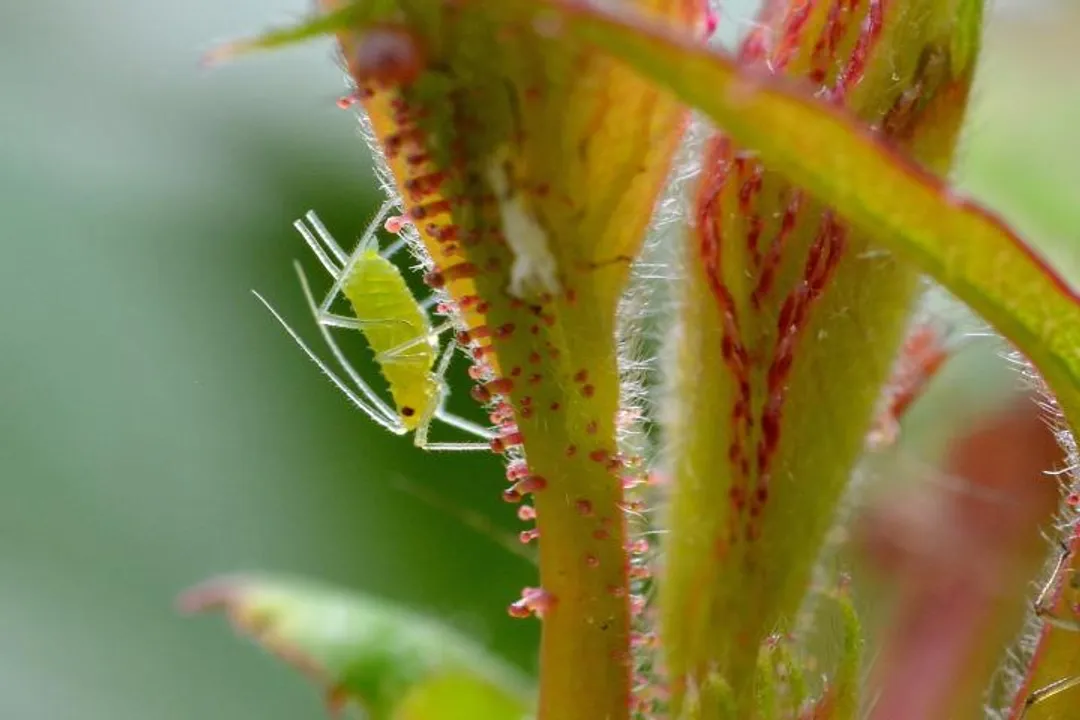
Aphids are primarily drawn to the tenderest, most succulent parts of a plant, often where the sugars are richest and the tissue is easiest to penetrate for sap-sucking. [1][5] If you are searching for an active colony, you must look beyond the easily visible surfaces.
# New Growth
The absolute best place to look for aphids is anywhere new growth is emerging. [5] This includes:
- Shoot tips: The very ends of stems where active growth occurs. [8]
- Young leaves: Especially the undersides of developing foliage. [1][5][8]
- Tender stems and buds: Rose buds, for instance, are famous aphid magnets, where they can cluster densely. [1][5][8]
For houseplants, aphids often appear when plants are brought indoors for the winter, targeting new growth that emerges under dry, furnace-heated conditions. [6]
# Hidden Sanctuaries
Aphids are masters of camouflage and safety, meaning they do not always reside on the top of a leaf. A thorough inspection requires turning things over:
- Undersides of Leaves: This is a classic hiding spot, offering protection from sun, rain, and casual observation. [1][4][6][8]
- Stems and Joints: They frequently cluster along the main stems, especially where leaves or branches attach. [6][8]
- Roots: While most species live above ground, some types, called root aphids, live exclusively in the soil around the roots, which is a critical, though less common, location to check, especially for container plants. [4]
# Host Plant Specificity
While most plants are susceptible to some species of aphid, not all aphids are equally interested in all plants. [8] Finding aphids often depends on knowing what they are currently feeding on in your local area.
- The Green Peach Aphid is a widespread pest known for having over 500 host plants, making it common in many gardens.
- Cabbage Aphids target members of the Brassica family, such as broccoli, kale, and cabbage, often found in dense clusters. [4]
- Oleander Aphids are distinctively bright yellow and specifically infest milkweed.
- Rose Aphids limit their feeding largely to rose gardens.
Conversely, some gardeners intentionally plant specific, non-prized hosts, like butterfly weed, to attract species-specific aphids (like the Oleander aphid) as a dedicated, localized food source for predators like ladybugs. [3]
# Environmental Attractors and Arrival
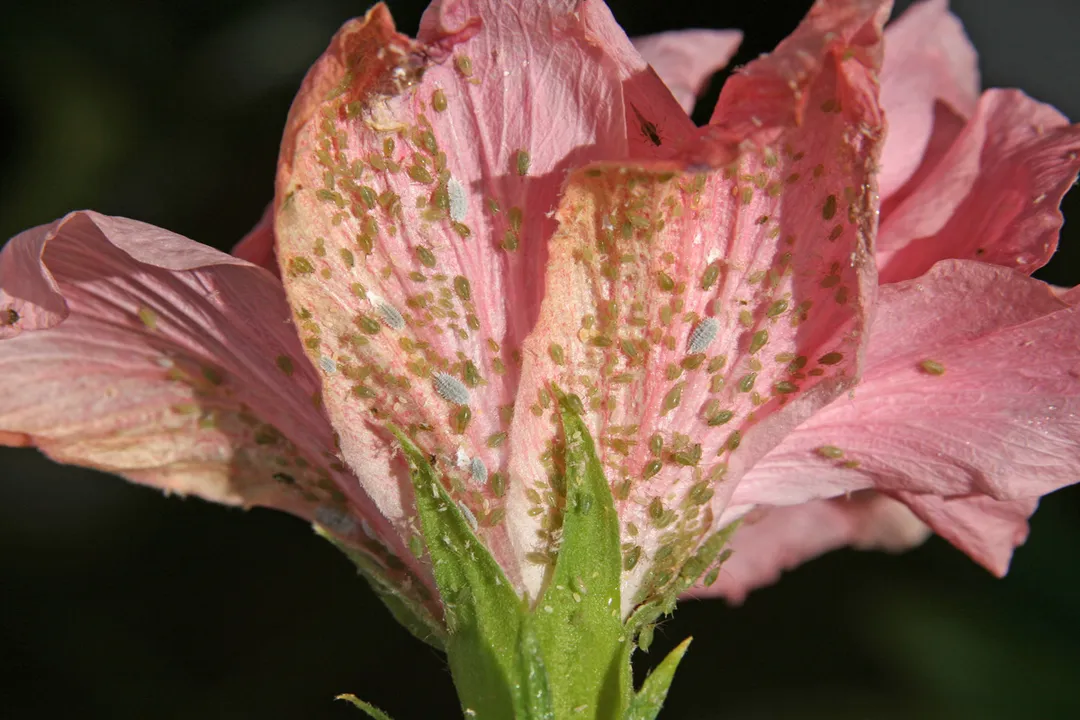
Aphids don't materialize from thin air, though their speed of reproduction can certainly make it seem that way. [3][5] Understanding how they arrive can help you predict where they will first settle.
# Windborne Travel
Wingless aphids rarely travel far, but most species can develop winged forms, called alates, when conditions are right—usually when the colony becomes overcrowded or the food source deteriorates. [4][5][8] These winged individuals can be carried for great distances on air currents, meaning that if a single winged aphid lands on a suitable host, an infestation can begin rapidly. [3][5]
# Plant Health Indicators
The condition of your plant plays a significant role in where aphids settle and thrive. They are strongly attracted to plants that are stressed or have an abundance of easily accessible nutrients:
- Tender, Fast Growth: Aphids prefer plants with high nitrogen content and actively growing tips, making young, vigorously growing plants very attractive targets. [1][5]
- Stressed Plants: A plant suffering from inadequate water or nutrient imbalances may be less capable of fighting off an attack, making it an easier location for aphids to colonize. [1][4] For instance, a tree suffering from thirst might suddenly host plenty of aphids. [4]
# The Ant Connection
If you find ants actively crawling on your plants, you have found the location of an aphid colony, even if the aphids are hard to spot. [1] Ants "farm" aphids for their waste product, a sugary liquid called honeydew. [4][5][8] The ants protect the slow-moving aphids from predators like ladybugs, essentially creating a safe zone for the aphids to feed and reproduce undisturbed. [8][5] Therefore, checking for ant traffic is a very effective, albeit indirect, way to locate an infestation.
# Scouting Strategy: Finding What You Can’t See
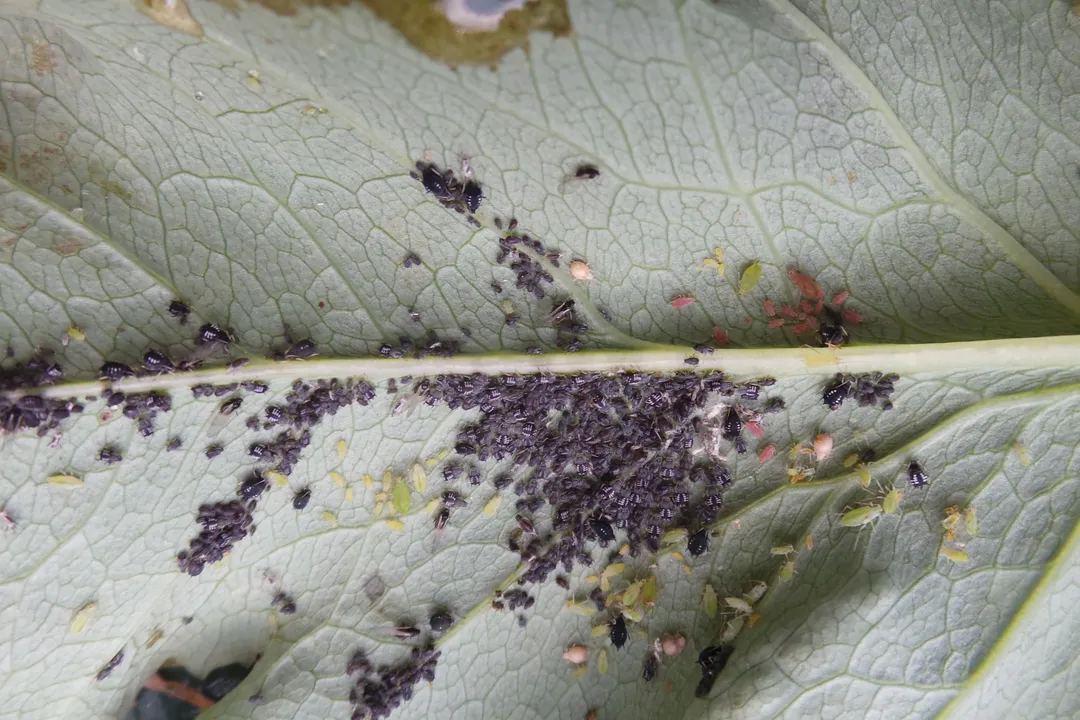
Because aphids reproduce so quickly—with some species laying up to 80 eggs per week—catching them early is crucial. [1][5] Your search should not be sporadic; it should be systematic.
Here is a strategy for a high-yield aphid inspection:
- Prioritize Targets: Start with the plants most frequently mentioned as hosts: roses, tender vegetable seedlings (like peas or squash), and any plant that has recently been transplanted or brought in from outside. [4]
- Focus on New Wood and Buds: Spend extra time inspecting the newest stems and flower buds, where clustering is common. [8]
- Flip and Look: Never rely on just the top surface. Gently lift and inspect the entire underside of every leaf, paying close attention to the vein intersections and leaf axils. [1][6]
- Check for Byproducts: Look for the signs of their presence before you see the bugs themselves. A leaf that is slightly sticky to the touch, slightly distorted or curled, or has black, sooty mold growing on its surface strongly suggests aphids are feeding nearby, even if the insects themselves have already moved on or been eaten. [1][4] You might also see their pale, shed skins (exuviae) clinging to the leaf surface. [8]
- Scan the Ground for Movement: If you suspect root aphids or if a severe infestation has caused aphids to drop, check the soil surface around the base of the plant stems for crawling activity or clusters. [4][3]
An interesting observation made by gardeners is that aphids, despite being preyed upon, can survive short-term washing. Some species, when disturbed, may even expel new nymphs, meaning a simple blast of water might not solve the problem instantly if you miss the eggs or the nymphs they drop. [3] Because of this reproductive rate, finding aphids means you must immediately treat the location they are currently occupying, whether that is a leaf tip or a developing flower bud. [5]
# Beyond the Obvious Spots: The Role of Shelter
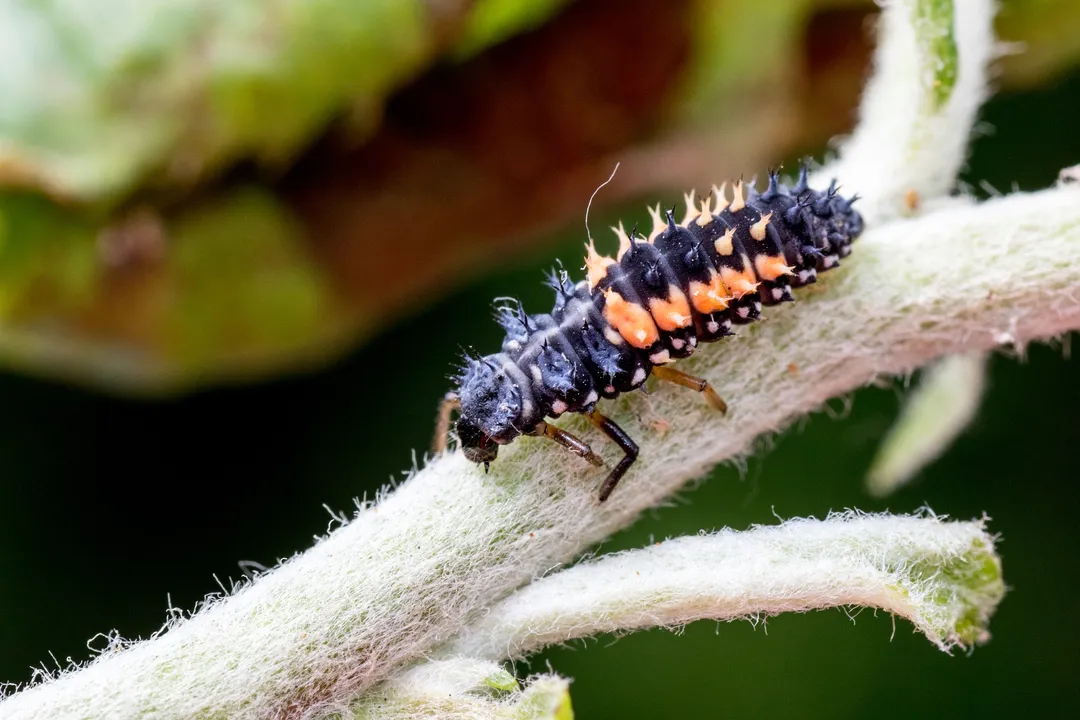
While you are searching the leaves, remember that the location of your garden itself can harbor overwintering eggs or provide shelter for active colonies during less hospitable times.
If you overwinter tropical or semi-hardy plants indoors, they often become aphid incubators because the environment is protected from predators and the dry air can stress the plant, making it an easy target. [6] In this scenario, the best place to find them is anywhere on the plant, but especially where stems meet leaves, as they cannot easily flee to other plants as they might outdoors. [3][6]
For outdoor trees, look at rough bark crevices or mossy areas. One gardener noted that a mossy apple tree, which looked beautiful, might also be hiding pests within that damp structure, suggesting that removing heavy moss growth could eliminate an overwintering or hiding spot for these pests. [3] This implies that locations providing damp, shielded microclimates—like dense, unpruned tree limbs or thick ground cover near the plant base—are secondary finding sites that support established populations.
Ultimately, the "best" place to find aphids is often the newest growth on the most stressed plant, particularly if that plant is being actively "tended" by ants protecting their sugary food source. A dedicated search focuses on the protected undersides of soft leaves and new stems, guided by signs like stickiness or curled foliage. [4][8]
#Videos
Scouting for Aphids - YouTube
Related Questions
#Citations
APHIDS!!!! Where did they come from and how do I make ... - Reddit
Scouting for Aphids - YouTube
How to Identify and Get Rid of Aphids on Plants
How to Identify and Control Aphids - The Spruce
Aphids: Where They Come From and How to Treat Them
HOW TO IDENTIFY APHIDS AND SAVE YOUR HOUSEPLANTS
Aphids, in-depth - Wisconsin Horticulture
Aphids: Identification and Control | RHS Advice